
Understanding what makes a corkscrew antique
What Sets an Antique Corkscrew Apart?
When exploring the world of wine, the tools we use can be just as fascinating as the bottles themselves. Among these, the antique corkscrew stands out for its blend of history, craftsmanship, and utility. But what exactly makes a corkscrew antique, and why do collectors and wine enthusiasts value these objects so highly?
Generally, a corkscrew is considered antique if it was produced before the mid-20th century. Age alone, however, does not define its value. The best antique corkscrews are recognized by their unique design, rare materials, and the story they tell about the evolution of wine culture. For example, a corkscrew with a bone handle or one crafted from sterling silver is often more sought after than a standard steel bottle opener. Markings such as a patent date, the word "London rack," or "German" can also indicate authenticity and add to the collectible appeal.
Collectors look for features like a double lever mechanism, a heeley double lever, or a tusk corkscrew, which reflect the ingenuity of past eras. The worm (the spiral part) and the handle design are also key indicators of age and quality. Some vintage corkscrews are marked with the maker’s name or country of origin, making them easier to trace and authenticate.
Understanding what makes a corkscrew antique is the first step in appreciating their charm. As you delve deeper, you’ll discover how the evolution of corkscrew design and materials has shaped today’s wine tools, and how to identify the most valuable pieces for your collection. For those interested in enhancing their wine experience with the right accessories, learning about how a wine foil cutter simplifies your wine experience can be a helpful next step.
- Look for rare materials like bone, tusk, or sterling silver
- Check for unique mechanisms such as lever or rack systems
- Examine markings for clues about origin and authenticity
- Consider the overall condition and craftsmanship
As you continue your journey, you’ll learn more about the evolution of these fascinating wine tools, how to spot valuable vintage corkscrews, and the best ways to care for your collection.
The evolution of corkscrew design and materials
From Simple Tools to Ingenious Mechanisms
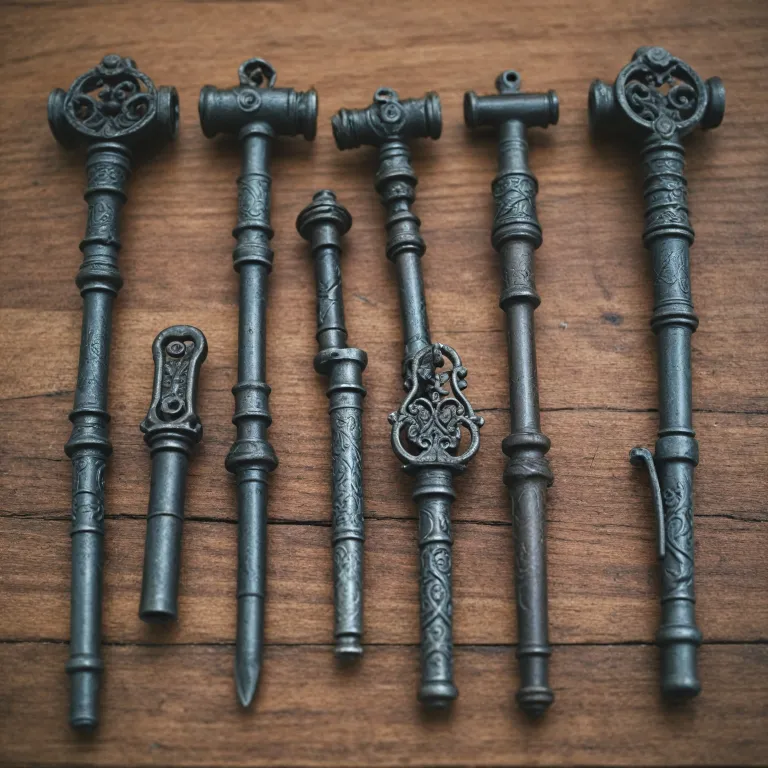
The story of the corkscrew is closely tied to the history of wine itself. Early wine drinkers faced the challenge of extracting corks from bottles, leading to the invention of the first corkscrew tools in the 17th century. These early examples were often simple "worm" designs, made from twisted steel, and closely resembled gun worm tools used to remove bullets from muskets. Over time, the corkscrew evolved, reflecting both technological advances and changing tastes in wine culture.
Materials That Mark the Ages
Collectors and enthusiasts often judge a corkscrew's age and value by its materials. Early antique corkscrews were typically crafted from iron or steel, prized for their durability. As wine became more popular among the upper classes, makers began using materials like bone, ivory, and sterling silver for handles, adding elegance and rarity. Some vintage corkscrews feature intricate designs, such as the tusk corkscrew or those with ornate bone handles, making them highly collectible.
Innovation and Patents: The Rise of Mechanisms
The 19th century saw a surge in patented corkscrew designs. The introduction of the lever corkscrew, double lever mechanisms, and the famous "London rack" style revolutionized how wine bottles were opened. German and English makers led the way, producing corkscrew bottle openers with unique features like the heeley double lever and rack-and-pinion systems. These innovations not only made opening bottles easier but also turned corkscrews into status symbols and conversation pieces.
Recognizing Vintage and Antique Types
Today, the best collectible corkscrews are often those with distinctive features: marked patents, rare handle materials, or unique mechanical designs. Whether it’s a corkscrew antique with a sterling silver handle or a vintage corkscrew with a rack mechanism, each piece tells a story about the era it was made. For those interested in wine tools and wine corkscrew history, understanding these details is key to identifying valuable finds and appreciating their place in wine collecting.
For collectors seeking to display their finds, choosing the right storage is essential. Explore why a stainless steel wine rack can be a smart choice for both preservation and presentation of your corkscrew vintage collection.
Identifying valuable antique corkscrews
Spotting the Signs of Value in Antique Corkscrews
When it comes to collectible corkscrews, knowing what makes one valuable is key for any wine enthusiast or collector. The world of antique corkscrews is rich with history, design, and craftsmanship, and certain features can greatly influence a corkscrew’s worth. Here’s what to look for when evaluating a vintage corkscrew or bottle opener:
- Age and Authenticity: Genuine antique corkscrews are typically over 100 years old. Look for signs of age, such as patina on steel or sterling silver components, and wear on the handle, especially if it’s made from bone, tusk, or wood. Be cautious of reproductions that mimic older styles but lack true vintage qualities.
- Design and Mechanism: Unique mechanisms like the double lever, London rack, or heeley double lever are highly sought after. The presence of a rack and pinion, or a marked patent, can indicate a rare or innovative design. German and English corkscrews, especially those with intricate lever systems, are often considered among the best.
- Materials Used: Antique corkscrews crafted from quality materials such as sterling silver, steel, or bone handle are more desirable. The worm (the spiral part) should be intact and made from strong steel. A corkscrew with a bone or tusk handle, or one marked as atelier vin, can command a higher price.
- Manufacturer’s Markings: Look for markings or stamps that indicate the maker, country of origin, or a patent number. English and German corkscrews with clear marks are often more collectible. A marked corkscrew bottle opener can be easier to trace and authenticate.
- Condition: The overall condition matters. Check for a straight worm, a secure handle, and minimal rust or corrosion. While some wear is expected, a well-preserved corkscrew antique will always fetch a better price.
- Rarity and Provenance: Limited production runs, unique features, or a known history of ownership can add to a corkscrew’s value. Rare designs, such as the London rack or lever corkscrew, are especially prized by collectors.
For those interested in wine tools and preservation, understanding these factors can help you make informed decisions when buying or selling vintage corkscrews. If you’re also considering how to keep your wine fresh after opening, you might find this guide on enhancing wine preservation with silicone wine stoppers helpful.
Remember, the best way to appreciate antique corkscrews is to view them not just as tools, but as pieces of history that reflect the evolution of wine culture and craftsmanship.
Caring for and preserving your antique corkscrew
Practical Steps for Maintaining Antique Corkscrews
Preserving the charm and value of an antique corkscrew requires careful attention to its materials and construction. Whether you own a rare English lever corkscrew, a German rack and pinion model, or a sterling silver tusk corkscrew, proper care ensures your collectible corkscrews remain in excellent condition for years to come.
- Cleaning: Always clean your vintage corkscrew gently. Use a soft, dry cloth to remove dust and fingerprints from the handle and steel worm. Avoid harsh chemicals, especially on bone handle or sterling silver pieces, as these can damage the finish or patina.
- Rust Prevention: For steel or iron components, keep the corkscrew dry and store it in a low-humidity environment. If rust appears, use a mild, non-abrasive cleaner and a soft brush. Never soak antique corkscrews in water, as this can loosen joints or damage wooden and bone handles.
- Lubrication: Moving parts, such as the worm or lever mechanism, may benefit from a tiny drop of light oil. Wipe away any excess to avoid attracting dust.
- Storage: Store your corkscrew vintage collection in a padded box or display case, away from direct sunlight. This protects delicate materials and prevents accidental drops or scratches.
- Inspection: Periodically inspect your antique corkscrews for signs of wear, loose joints, or corrosion. Early intervention can prevent further damage and preserve the tool’s value.
Preserving Markings and Patents
Many collectible corkscrews feature unique markings, patent numbers, or maker’s stamps. These details are essential for verifying authenticity and value. When cleaning, take extra care around these areas to avoid wearing away the markings. If your corkscrew is marked with a famous patent or is a rare London rack or Heeley double lever, preserving these identifiers is crucial for collectors and future resale value.
Displaying Your Collection Safely
Displaying vintage corkscrews can add character to your wine tools collection. Use stands or shadow boxes designed for bottle openers and corkscrew antiques. Ensure each piece is supported at the handle and worm to prevent stress on joints. For particularly rare or fragile items, consider climate-controlled display cases to maintain optimal temperature and humidity.
When to Seek Professional Help
If you discover a damaged or heavily corroded corkscrew, especially one with a bone handle or intricate lever mechanism, consult a professional restorer with experience in vintage corkscrews. Amateur repairs can reduce value or cause irreversible harm. A specialist can also advise on the best preservation techniques for unique materials like sterling silver or tusk.
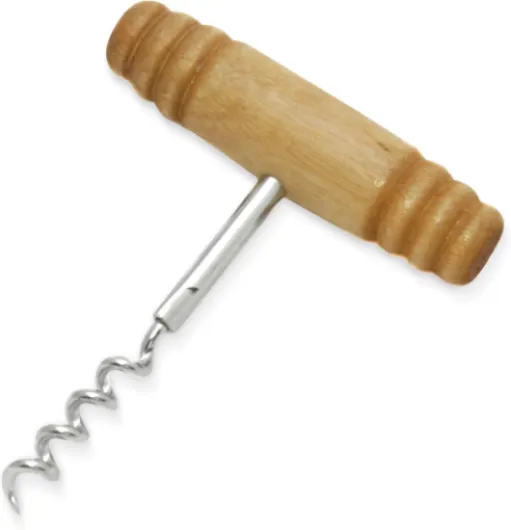
- + Durable wooden handle
- + Compact size (4 inch)
- + Natural design
- + Easy to use

The role of antique corkscrews in wine collecting
The collector’s perspective: why antique corkscrews matter
For many wine enthusiasts, collecting antique corkscrews is more than just a hobby. These vintage tools offer a direct link to the history of wine culture and the evolution of bottle opening. Each corkscrew, whether it’s a rare English lever corkscrew, a German rack and pinion design, or a sterling silver tusk corkscrew, tells a story about craftsmanship and innovation. Antique corkscrews are often valued for their unique mechanisms and materials. For example, a corkscrew with a bone handle or a marked London rack patent can be a centerpiece in any wine tools collection. The diversity of designs, from the classic double lever to the intricate heeley double lever, reflects the ingenuity of past makers. Collectors often seek out corkscrew antiques not only for their beauty but also for their mechanical complexity and the historical context they provide.Enhancing the wine experience
Owning a vintage corkscrew can elevate the ritual of opening a bottle of wine. Using a collectible corkscrew, such as a vintage corkscrew with a steel worm or a corkscrew bottle opener with a unique handle, adds a sense of occasion and tradition. These tools are not just functional—they are conversation starters, often admired for their patina and the stories behind their previous owners and sales.Building a curated collection
Collectors often focus on specific types, such as lever corkscrews, atelier vin models, or corkscrew wine tools marked with patents. The thrill of finding a rare or well-preserved corkscrew at an auction or antique shop is part of the appeal. Some collectors specialize in certain origins, like English or German vintage corkscrews, while others look for unique features such as a sterling silver finish or a rack and pinion mechanism.- Antique corkscrews can increase in value, especially if they are rare, marked, or in excellent condition.
- Provenance, such as a known patent or a sold record, can enhance the collectible status.
- Displaying a collection of vintage corkscrews alongside wine bottles creates a visually appealing and historically rich wine space.
Connecting with the wine community
Collecting antique corkscrews also connects enthusiasts with a wider community. Sharing views on the best finds, discussing restoration techniques, and attending events or online forums dedicated to vintage corkscrews fosters a sense of camaraderie. Whether you’re drawn to the engineering of a double lever or the elegance of a bone handle, these tools remain a cherished part of wine collecting culture.Where to find and buy authentic antique corkscrews
Trusted places to source genuine vintage corkscrews
Finding authentic antique corkscrews can be a rewarding experience for collectors and wine enthusiasts alike. Whether you’re searching for a rare English lever corkscrew, a German steel worm, or a bone handle bottle opener, knowing where to look is essential to avoid replicas and ensure the value of your collectible corkscrews.
- Specialist auctions and antique fairs: Many reputable auction houses and fairs regularly feature vintage corkscrews, including sought-after models like the London rack, heeley double lever, and sterling silver corkscrew. These venues often provide detailed provenance and allow you to view the corkscrew in person before bidding.
- Online marketplaces: Platforms dedicated to antiques, such as specialist websites or established auction portals, list a wide range of corkscrew antiques. Look for sellers who provide clear photos, close-ups of the handle, worm, and any marked patent details. Always check the seller’s history and reviews before purchasing.
- Antique shops and wine accessory boutiques: Some shops, especially those with a focus on wine tools and vintage items, may have a curated selection of corkscrew vintage pieces. These shops often have knowledgeable staff who can help you identify the best finds, from tusk corkscrews to atelier vin lever corkscrews.
- Collectors’ clubs and forums: Joining a community of corkscrew collectors can provide access to private sales and swaps. These groups are invaluable for learning about rare models, such as the double lever corkscrew or unique bottle opener designs, and for verifying authenticity with experienced members.
Tips for verifying authenticity and value
- Examine the materials closely—genuine antique corkscrews often feature steel worms, bone or tusk handles, and sometimes sterling silver details.
- Look for clear markings, such as patent numbers or maker’s marks, which can indicate the corkscrew’s origin and age.
- Compare the design and construction with known examples of collectible corkscrews, especially those discussed in earlier sections about design evolution and identifying value.
- Request provenance or sales history when possible, especially for high-value or rare corkscrew wine tools.
By focusing on reputable sources and applying careful scrutiny, you can confidently expand your collection of antique corkscrews, ensuring each addition is both authentic and valuable.