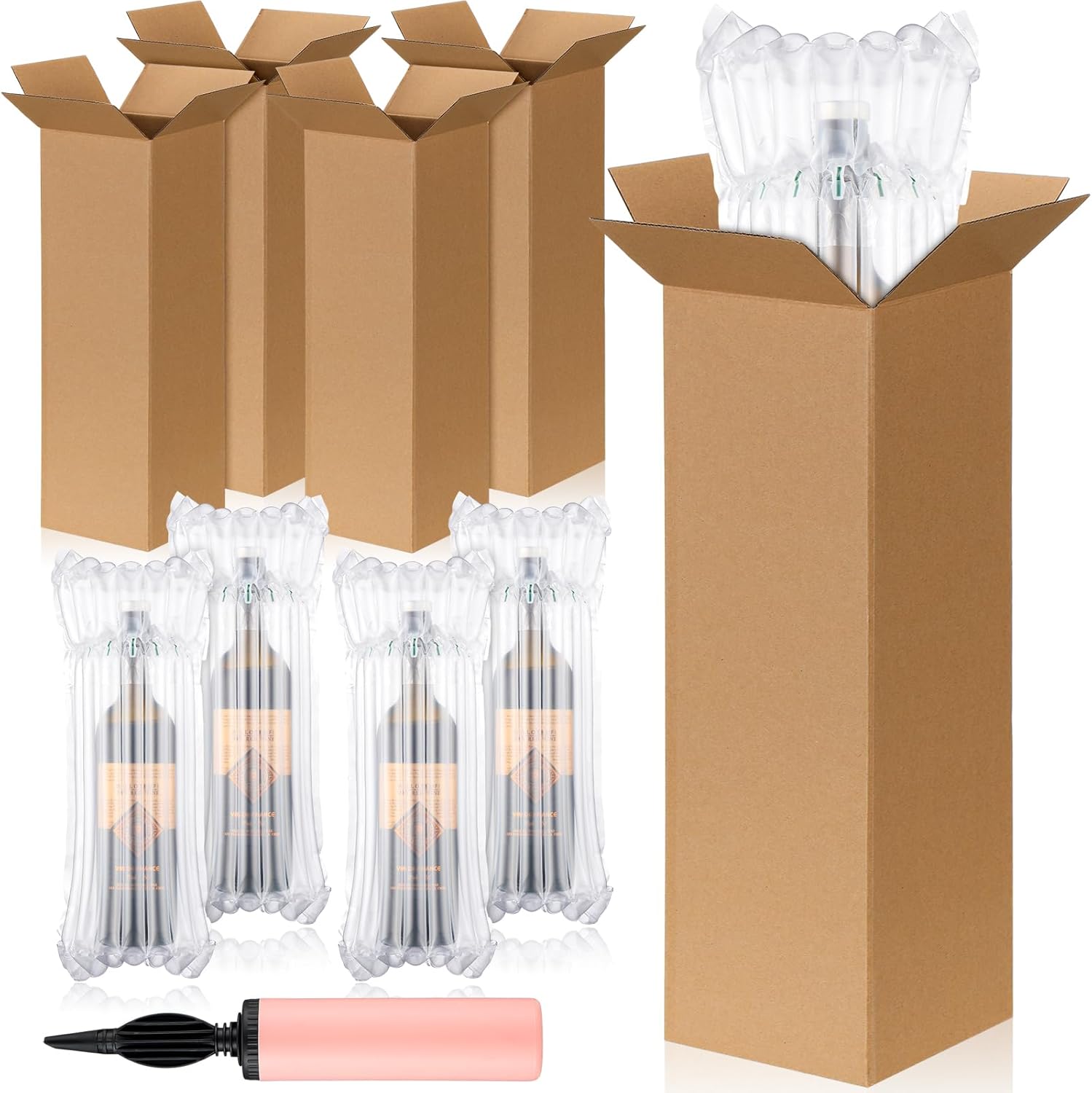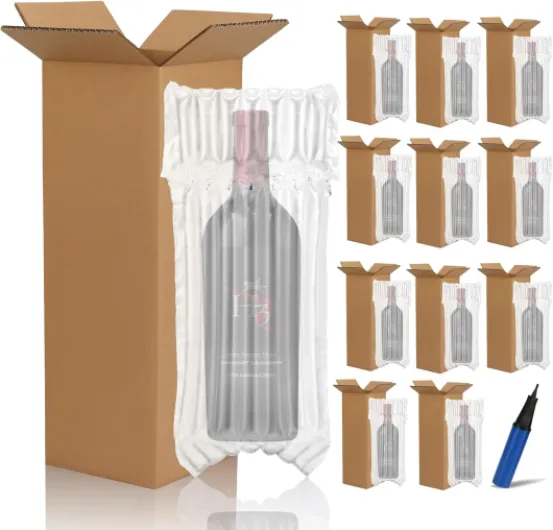

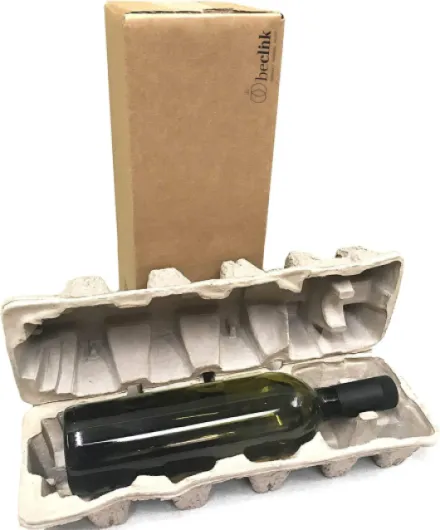
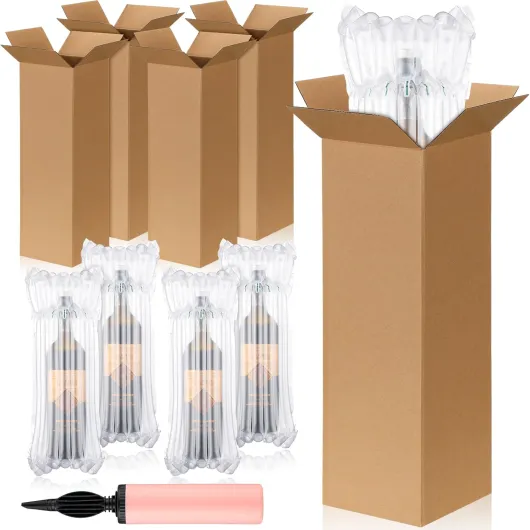
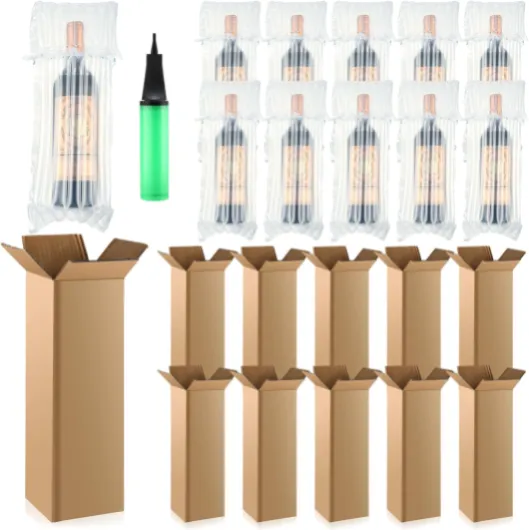
Understanding the importance of proper wine shipping
Why Secure Wine Shipping Matters
Shipping wine bottles safely is more than just a matter of convenience—it’s essential for protecting your investment and ensuring your bottles arrive in perfect condition. Whether you’re sending a single bottle as a gift or shipping a twelve bottle case to a customer, the right wine bottle shipping box can make all the difference. Wine is sensitive to temperature, shock, and pressure, so proper packaging is crucial to prevent breakage, leaks, or spoilage during transit.
When selecting a wine shipper, it’s important to consider the journey your bottles will take. Boxes and kits designed specifically for wine shipping offer features that standard packaging simply can’t match. These products are engineered to cushion bottles, minimize movement, and provide a barrier against external impacts. Using the right materials and protector bags can help maintain the integrity of your wine, whether you’re shipping a single bottle or a full case.
Price and quantity are also factors to weigh. Some wine shippers and shipping boxes are available in bulk, which can be cost-effective for frequent shippers. Others are sold as kits, including inserts or pulp wine protectors that add an extra layer of security. The options available range from simple box bottle designs to advanced packaging solutions with molded pulp inserts or foam supports.
Ultimately, choosing the right wine packaging isn’t just about protecting bottles—it’s about peace of mind. With so many shipping box options and materials on the market, understanding what each product offers will help you make an informed decision. For those storing or aging wine, learning about humidity control for wine cellars can also be valuable, as proper storage complements safe shipping practices.

Key features to look for in a wine bottle shipping box
What Makes a Wine Bottle Shipping Box Reliable?
When selecting a wine bottle shipping box, it’s essential to focus on features that directly impact the safety and integrity of your bottles during transit. The right wine shipper or box will not only protect your bottles wine from breakage but also help you comply with shipping regulations and carrier requirements. Here are some key aspects to consider:
- Protective Inserts: Look for boxes with molded pulp wine or foam inserts. These materials cradle each bottle, minimizing movement and absorbing shocks. For larger shipments, a twelve bottle insert box or three bottle shipper with individual compartments offers extra security.
- Sturdy Outer Packaging: The outer box should be made from durable corrugated cardboard or reinforced materials. This ensures the wine bottle shipping box can withstand stacking, drops, and pressure during shipping.
- Compatibility with Bottle Sizes: Not all wine bottles are the same shape or size. Choose wine shippers or kits that accommodate standard, magnum, or specialty bottles. Some wine packaging options offer adjustable inserts or protector bags for added flexibility.
- Sealing and Closure: Secure closure is vital. Reliable wine shipping boxes feature strong flaps, double-taped seams, or locking tabs to prevent accidental opening. Some kits include tamper-evident seals for extra peace of mind.
- Stackability and Handling: Wine boxes designed for easy stacking help prevent crushing during transit. Handles or grip holes can make handling safer and more efficient for both shippers and recipients.
- Quantity and Price Options: Whether you’re shipping a single bottle or a case, look for suppliers that offer a range of box bottle quantities and price points. Bulk kits can save time and money for frequent shippers.
- Eco-Friendly Materials: Many wine shipping products now use recyclable or biodegradable materials, such as box pulp or molded fiber. This not only protects your bottles but also reduces environmental impact.
For added protection, some shippers use specialized protector bags or double-boxing methods. The choice of wine bottle shipping box will depend on your specific needs, including the type of wine, quantity, and shipping distance. Remember, investing in quality wine shippers and packaging options can save you time and money by reducing the risk of damage.
For more insights into keeping your wine in top condition, check out the role of wine preserver gas in maintaining wine quality.
Materials commonly used in wine bottle shipping boxes
Common Choices for Wine Shipping Protection
When selecting a wine bottle shipping box, the material is a crucial factor that impacts both safety and cost. The right choice helps ensure your bottles arrive intact, whether you’re sending a single bottle or a twelve bottle case. Here’s a breakdown of the most widely used materials in wine shipping boxes and shippers:
- Pulp Inserts: Molded pulp wine shippers are popular for their eco-friendly profile and shock-absorbing qualities. These inserts cradle each bottle, reducing movement and risk of breakage. Pulp wine kits are available for various quantities, from single bottle to twelve bottle shipping box options.
- Corrugated Cardboard: Double-walled corrugated boxes offer sturdy protection and are often paired with bottle protector bags or foam inserts. These boxes are lightweight, help keep shipping price reasonable, and are widely accepted by carriers.
- Foam Shippers: Foam wine shippers provide excellent insulation and cushioning, making them ideal for longer transit times or extreme temperatures. They’re commonly used for premium bottle wine shipments or when shipping in bulk.
- Plastic Inserts: Some wine shipping kits use rigid plastic inserts for added strength. While less common due to price and environmental concerns, they offer reliable protection for high-value bottles.
Each material offers unique benefits, and the best choice depends on your shipping needs, the quantity of bottles, and your budget. For example, a three bottle shipper made from pulp is cost-effective and sustainable, while a foam insert box may be better for long-distance or high-value shipments.
It’s also important to consider the compatibility of these materials with carrier requirements and the type of wine packaging you prefer. Some products offer complete kits that include the outer box, inserts, and even protector bags for added security. When comparing wine shippers, look for those that balance safety, price, and environmental impact.
If you’re interested in how storage materials can also influence your wine’s condition over time, check out this guide on vintage wine storage solutions.
How to pack wine bottles for maximum safety
Steps for Securely Packing Wine Bottles
Proper packaging is essential to ensure your wine bottles arrive safely at their destination. Even the best wine shipping box or wine shipper can only do so much if the bottles are not packed correctly. Here are some practical steps to help you protect your bottles wine during shipping:
- Choose the right box or kit: Select a wine bottle shipping box or wine shipper that matches the quantity of bottles you are sending. Options range from single bottle to twelve bottle shipping boxes. Kits often include inserts or protector bags for added safety.
- Use appropriate materials: Many wine shippers and boxes use pulp wine inserts, foam, or corrugated cardboard. Pulp wine packaging is popular for its shock absorption and eco-friendliness. Make sure the box bottle or insert box fits snugly around each bottle.
- Wrap each bottle: For extra protection, wrap each bottle in bubble wrap or use protector bags. This helps prevent breakage if the box is dropped or jostled during shipping.
- Secure the bottles in the box: Place the wrapped bottles into the wine shipper or shipping box, ensuring each bottle is separated by the provided inserts or dividers. This prevents bottles from clinking together.
- Fill empty spaces: Use additional packaging materials, such as packing paper or air pillows, to fill any gaps in the box. This minimizes movement inside the box during transit.
- Seal and label the box: Close the box securely with strong packing tape. Clearly label the box as "Fragile" and indicate that it contains glass and liquid to alert handlers.
Tips for Different Wine Shipping Options
Whether you are shipping a single bottle or a three bottle set, always check the compatibility of your wine boxes or kits with the bottle size and shape. Some wine shippers offer adjustable inserts or custom-fit options for unique bottles. Bulk shipping boxes are available for larger quantities, but make sure the price reflects the quality of the materials and protection offered.
Why Packaging Matters for Safe Delivery
Investing time in proper wine packaging not only protects your bottles but can also save money by reducing the risk of damage claims. Many shipping boxes and wine shippers are tested to withstand the rigors of transit, but your packing technique is just as important. Choose products that offer a balance of price, durability, and ease of use to ensure your bottles wine arrive in perfect condition.
Shipping regulations and carrier requirements for wine bottles
What You Need to Know About Shipping Rules and Carrier Policies
Shipping wine bottles isn’t as simple as packing them in a box and sending them off. Regulations and carrier requirements play a big role in how your bottles wine arrive at their destination. Here’s what to keep in mind:- Legal Restrictions: Not all states or countries allow direct wine shipping. Always check local laws before sending wine bottles. Some regions require special permits or only allow certain quantities per shipment.
- Approved Wine Shippers: Major carriers like FedEx and UPS require you to use certified wine shipping boxes or wine shippers. These boxes are designed to protect bottles and meet carrier standards. Using non-approved packaging can result in refused shipments or damaged products.
- Labeling and Documentation: Carriers often require specific labeling for wine packaging. This can include “Alcoholic Beverages” labels and documentation proving the recipient is of legal drinking age. Missing paperwork can delay delivery or cause returns.
- Quantity Limits: There are often limits on how many bottles wine you can ship at one time. For example, a single bottle shipper or three bottle kit may be fine for personal use, but larger shipments like a twelve bottle box may need additional paperwork or permits.
- Insurance and Liability: Consider insuring your wine shipping boxes. While quality packaging materials like pulp wine inserts and protector bags reduce risk, insurance offers extra peace of mind if bottles are lost or damaged in transit.
| Carrier | Wine Shipping Allowed? | Approved Packaging | Quantity Limits |
|---|---|---|---|
| FedEx | Yes (with permit) | Certified wine shippers, box pulp inserts | Varies by state |
| UPS | Yes (with permit) | Wine bottle shipping kits, protector bags | Varies by state |
| USPS | No | N/A | N/A |
Comparing popular wine bottle shipping box brands
Brand Comparison: What Sets Leading Wine Bottle Shipping Boxes Apart?
When it comes to shipping wine, the choice of wine bottle shipping box can make a significant difference in the safety and presentation of your bottles. Several brands stand out in the market, each offering unique features, materials, and packaging options. Here’s a look at how some of the most popular wine shippers and boxes compare:- Protection and Materials: Most reputable brands use either molded pulp or high-density foam inserts to secure bottles. Pulp wine shippers are eco-friendly and provide solid shock absorption, while foam inserts offer a snug fit for each bottle. Some brands also offer protector bags for added leak protection.
- Box Sizes and Bottle Capacity: Options range from single bottle boxes to twelve bottle kits. Three bottle and six bottle wine shippers are popular for both personal and commercial shipments. The insert box design is crucial for keeping bottles separated and reducing movement during transit.
- Ease of Use: Many shipping kits come with clear instructions for packing bottles wine securely. Some brands include pre-assembled boxes, while others require minor assembly. The time needed to pack can vary, so consider this if you’re shipping in quantity.
- Price and Value: Pricing depends on materials, box size, and included features. Bulk orders often reduce the price per box. Some brands offer value packs or kits with additional packaging products, such as tape or labels.
- Shipping Regulations Compliance: Leading wine shipping box brands design their products to meet carrier requirements for bottle shipping. This includes crush resistance and leak protection, which are essential for passing carrier inspections and ensuring safe delivery.
| Brand | Materials | Box Sizes | Special Features | Price Range |
|---|---|---|---|---|
| Pulp Wine Shippers | Molded pulp | Single, three, six, twelve bottle | Eco-friendly, recyclable, strong shock absorption | $$ |
| Foam Insert Boxes | High-density foam, cardboard | Single, two, six, twelve bottle | Snug fit, lightweight, reusable | $$$ |
| Protector Bag Kits | Plastic, bubble wrap, cardboard | Single, three, six bottle | Leak protection, easy to use, compact | $-$$ |