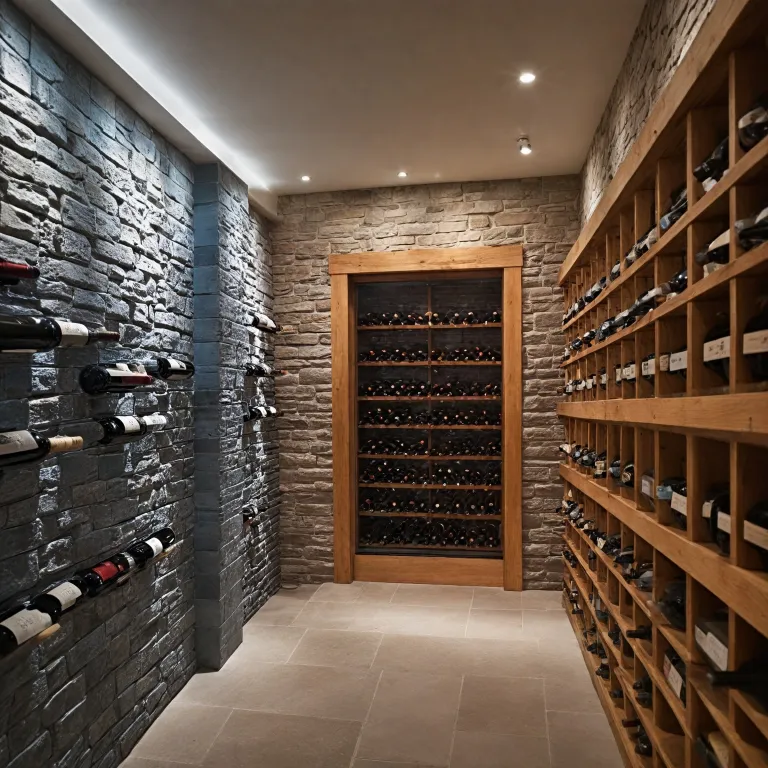
Understanding how a cellar cooling unit protects fine wine
A well designed cellar cooling unit is the silent guardian of every serious wine collection. Behind the elegant labels and carefully stacked bottle rows, a precise cooling system works constantly to stabilise cellar temperature and humidity. Without such dedicated cooling units, even the best wine cellars quickly become ordinary storage rooms where wine ages unpredictably.
Unlike a domestic fridge, a specialised wine cooling system is engineered to maintain a narrow temperature band and gentle air circulation. The unit keeps the wine cellar between about 11 and 14 °C, while limiting temperature swings that stress the bottle and its cork. This stability allows red and white wine to mature slowly, preserving aromas that would otherwise be lost to heat and fluctuating air conditions.
Every cooling unit combines a condenser, an evaporator and a thermostat into a coordinated system. The condenser air expels heat from the cellar, while the evaporator cools the interior air that flows around the bottle and the wine racks. A sensitive thermostat monitors cellar temperature and signals the unit to start or stop, ensuring the cooling systems never over chill or under cool the wine cellars.
For many enthusiasts, the first step is choosing between self contained units and a split system. A split system separates the condenser evaporator components, placing the noisy condenser outside the living area while the quiet evaporator sits inside the wine cellar. This configuration reduces vibration near the bottle, which is crucial for long term wine cooling and for maintaining a calm ageing environment.
Key components of a modern wine cellar cooling system
At the heart of any cellar cooling project lies a clear understanding of the main components. The cooling unit itself houses the compressor, the condenser, the evaporator and the control electronics that manage temperature and air flow. Around this core product, accessories such as a thermostat conversion kit, a bottle probe and ducted plenums refine how the system interacts with the cellar space.
In a fully ducted configuration, the cooling units sit outside the wine cellars and send conditioned air through insulated ducts. This fully ducted layout hides the unit from view, protects the bottle from direct air blasts and allows a more flexible wall design for wine racks. It also helps distribute cooling evenly, which is essential when the cellar size grows beyond a few square metres and the bottle count climbs.
Some owners prefer a split system where the condenser evaporator pair is divided between two locations. The condenser air is exhausted outdoors, reducing heat and noise in the living area, while the evaporator remains close to the wine. This type of cooling system often suits conversions of existing rooms, especially when installation options are limited by structure or by access to external walls.
Manufacturers such as Wine Mate provide a quick start guide to simplify installation and setup. These documents explain how to position the unit, how to route ducted lines and how to calibrate the thermostat for accurate cellar temperature. When planning a project, it is also wise to consider complementary equipment such as a mobile cooler cart for service areas, which keeps serving wine at the right temperature outside the main cellar.
Choosing the right capacity, size and configuration for your cellar
Selecting the correct cooling unit begins with an honest assessment of cellar size and insulation quality. A small, well insulated wine cellar with a modest bottle capacity may function efficiently with compact units that have lower weight lbs and reduced power draw. Larger wine cellars, or those with glass walls and higher heat gain, demand more robust cooling systems with greater condenser and evaporator capacity.
Installers calculate the required cooling system load by examining wall construction, ceiling height and expected ambient temperature. They then match these conditions to a product that can maintain stable cellar temperature without running continuously at maximum output. Oversized cooling units may short cycle and struggle with humidity, while undersized units run constantly and still fail to protect the wine.
The choice between through the wall, fully ducted and split system designs also shapes performance. Through the wall units are easier for basic installation, but they vent condenser air into an adjacent room that must handle the extra heat. A fully ducted system or a split system moves the condenser evaporator assembly away from the cellar, which improves aesthetics and reduces noise near the bottle and the wine racks.
Accessories such as a thermostat conversion kit and a bottle probe add precision to any configuration. The thermostat conversion allows integration with advanced controllers that log cellar temperature and send alerts when limits are exceeded. A bottle probe measures the temperature inside a reference bottle, giving a more accurate picture of wine cooling than simple air readings and helping owners fine tune their cellar cooling strategy.
Installation, airflow management and practical maintenance
Professional installation of a cellar cooling unit is strongly recommended for serious collections. Technicians understand how to position the unit so that air circulates evenly around every bottle, avoiding hot spots near the ceiling and cold zones near the floor. They also ensure that the condenser air has a clear path to escape, which prevents heat buildup that can shorten the life of cooling systems.
During installation, attention to wall penetrations, ducted runs and electrical supply is essential. Poorly sealed wall openings allow warm air and moisture to infiltrate the wine cellar, forcing the cooling unit to work harder. Oversized or sharply bent ducted lines can reduce airflow from the evaporator, undermining the performance of even the best designed cooling system.
Routine maintenance keeps cooling units operating at their specified capacity and weight lbs performance rating. Owners should clean air filters, check for dust on the condenser coils and verify that the thermostat responds accurately to cellar temperature changes. When a split system is used, both the indoor evaporator and the outdoor condenser evaporator connections must be inspected for leaks or vibration.
Many modern products include a quick start guide that outlines basic maintenance tasks and recommended service intervals. Some brands also provide an option to download extended manuals and wiring diagrams for more complex installations. For enthusiasts planning a new room, it is helpful to review guidance on accessories that preserve sparkling wine, because these bottles are often stored alongside still wine and require the same stable cellar cooling conditions.
Fine tuning temperature control and integrating cellar equipment
Once a cooling unit is installed, the next priority is precise control of cellar temperature. The standard thermostat supplied with many units can be upgraded using a thermostat conversion kit that supports more advanced features. With this thermostat conversion, owners can log data, set tighter temperature bands and receive alerts if the cooling system drifts outside safe limits.
A bottle probe is particularly valuable for high value collections that rely on long term wine cooling. Instead of measuring only air, the probe sits in a reference bottle filled with liquid that mimics wine, smoothing out short term fluctuations. This method provides a more realistic view of how the cellar cooling unit affects the actual wine inside the bottle and the surrounding wine racks.
Some systems integrate with smart home platforms that allow users to download performance logs and monitor multiple wine cellars remotely. These tools help identify patterns such as frequent compressor cycling, which may indicate restricted condenser air flow or an undersized evaporator. By analysing this information, owners can adjust ducted layouts, improve wall insulation or upgrade to fully ducted cooling units that better match the cellar size.
When planning the broader environment, it is wise to coordinate the cooling systems with storage design and service equipment. Articles on selecting appropriate wine containers highlight how packaging and racks interact with cellar cooling. A carefully balanced system ensures that every unit, from the smallest product accessory to the main split system, contributes to a stable, efficient and elegant wine cellar.
Adapting existing spaces and planning for future cellar needs
Many enthusiasts begin with a modest cellar and later expand as their wine collection grows. In such cases, a flexible cooling unit that can adapt to changing cellar size and layout becomes a strategic choice. A split system or fully ducted configuration often offers more room for future upgrades than a basic through the wall product.
When converting an existing room, a well designed conversion kit can simplify the process. These kits may include insulation guidance, vapour barriers and framing details that prepare the walls and ceiling for stable cellar temperature control. Once the envelope is ready, the installer can select cooling units and cooling systems that match both the current bottle count and the expected growth of the wine cellars.
Weight lbs and physical dimensions matter when placing equipment in tight spaces or on delicate structures. A heavy condenser evaporator assembly may require additional support, especially in older buildings where wall strength is uncertain. Careful planning of condenser air exhaust routes and evaporator placement ensures that the cooling system operates efficiently without compromising the architecture.
For collectors who value quiet operation and minimal visual impact, a fully ducted cooling system keeps the unit out of sight while delivering conditioned air exactly where it is needed. This approach allows more freedom in arranging wine racks, positioning each bottle for easy access and optimal wine cooling. By thinking ahead about installation, airflow and future expansion, owners can create cellar cooling solutions that remain effective and elegant for many years.
Key statistics about cellar cooling performance
- Average recommended wine cellar temperature for long term storage ranges between 11 and 14 °C, with daily variation ideally kept below 1 °C.
- Specialised cellar cooling systems typically operate with relative humidity targets between 55 % and 70 % to protect cork integrity.
- In many residential projects, cooling units are sized to manage heat loads between 600 and 2 500 watts, depending on cellar size and insulation.
- Well insulated wine cellars can reduce cooling energy consumption by up to 30 % compared with poorly insulated spaces of similar volume.
- Routine maintenance of condenser and evaporator components can extend cooling unit service life by several years, significantly improving long term value.
Frequently asked questions about cellar cooling units
How is a cellar cooling unit different from a standard air conditioner ?
A cellar cooling unit is engineered to maintain a narrow temperature range and higher humidity than a standard air conditioner. It prioritises gentle air circulation and stable cellar temperature rather than rapid cooling. This design protects wine, corks and labels over many years of storage.
What factors determine the correct size of a cooling system for my wine cellar ?
The correct size depends on cellar volume, insulation quality, wall materials and ambient temperature around the room. Installers calculate the heat load and then select cooling units that can manage this demand without constant full power operation. Glass walls, poor insulation and warm surrounding spaces all increase the required capacity.
Is a split system always better than a through the wall unit ?
A split system offers advantages in noise reduction and flexibility of installation, because the condenser can be placed away from living areas. However, through the wall units are simpler and often less expensive to install in small wine cellars. The best choice depends on budget, architecture and long term storage goals.
How often should I service my cellar cooling unit ?
Most experts recommend at least annual maintenance that includes cleaning filters, inspecting condenser coils and checking thermostat accuracy. In dusty or warm environments, more frequent checks may be necessary to keep the cooling system efficient. Regular service helps prevent failures that could expose wine to damaging temperature swings.
Can I retrofit a thermostat conversion kit and bottle probe to an existing system ?
Many modern cooling units accept a thermostat conversion kit that upgrades control functions without replacing the entire product. A compatible bottle probe can usually be added at the same time to improve monitoring of wine temperature. Always confirm compatibility with the manufacturer or installer before purchasing accessories.
