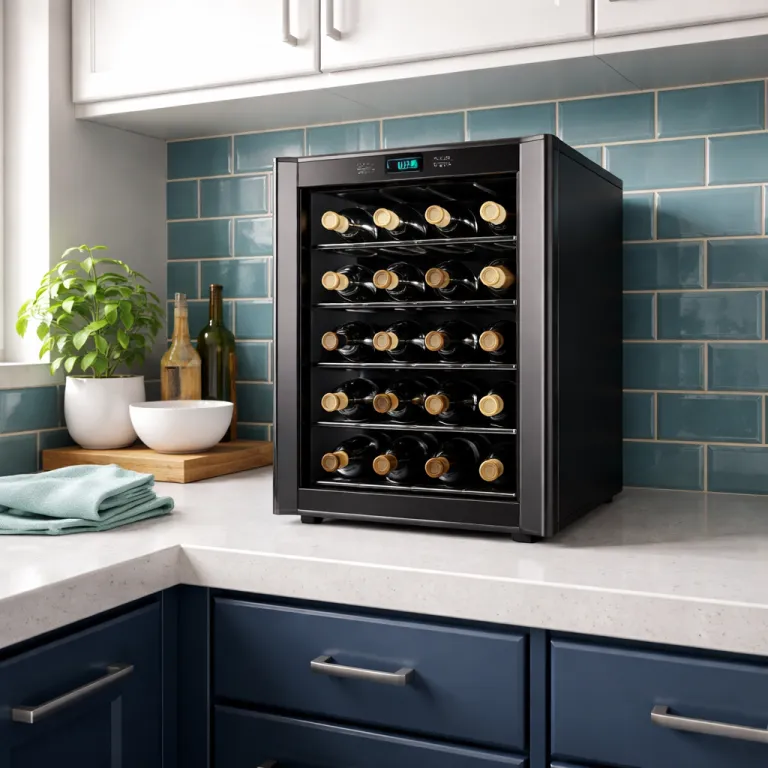
Small Wine Coolers for Apartments: How to Choose the Right Compact Wine Fridge
Why a small wine cooler for an apartment is its own category
A small wine cooler in an apartment is not just a shrunken wine cellar. Thin party walls, limited floor space, and a mixed collection of wine plus the occasional soft drink create a very specific set of constraints. The best compact wine fridge balances bottle capacity, quiet operation, and safe temperature control without turning your living room into a humming utility closet.
Most first time buyers picture a tiny wine fridge tucked under a counter or beside a regular refrigerator. In practice, a compact fridge or cooler with space for 8 to 24 bottles needs clear ventilation space at the back and sides, which many rental kitchens simply do not offer. Treat any small freestanding wine refrigerator as an appliance that needs air around it, not as a box you can wedge into leftover cabinetry or a tight alcove.
Apartment life also changes how you think about capacity and price. A 12 bottle single zone wine cooler with a glass door might cost half the sale price of an 18 bottle dual zone wine fridge, yet still cover your weekly drinking and a private reserve of special bottles. Before chasing the best wine coolers by specification, decide how many bottles you realistically want in storage at any one time and how often you plan to restock.
Compressor versus thermoelectric: noise, temperature, and real apartment trade offs
In the compact class, thermoelectric coolers dominate for a reason. They offer very quiet operation compared with small compressor wine coolers, which matters when the fridge sits three metres from your bed or sofa. In a climate controlled apartment, where ambient temperature stays relatively stable, a thermoelectric wine cooler can hold a steady serving temperature for most wine styles with minimal vibration.
Compressor based wine refrigerators still have a place, especially if you want a dual zone wine fridge with a wider temperature range. A compressor wine refrigerator handles warmer rooms better and usually offers higher capacity wine storage in the same footprint, but you pay in vibration, weight, and sometimes a higher regular price. When you read a test of a 28 bottle free standing wine cooler fridge with touch controls and LED lighting, pay close attention to measured noise levels, how often the compressor cycles, and whether reviewers report temperature swings under real home conditions.
Thermoelectric units are usually single zone coolers, which suits a small mixed collection of red and white wine kept around 12 °C. If you are a wine enthusiast who insists on a separate zone wine setting for crisp whites at about 8 °C and fuller reds at roughly 14 °C, a series dual zone compressor model may be worth the higher sale price. For most apartment dwellers, though, a well tuned single zone wine cooler with accurate digital temperature control is the best balance of comfort, capacity, and regular price.
The 12 bottle question: how much capacity do you really need
Capacity numbers on small wine coolers are more optimistic than realistic. A so called 18 bottle wine fridge often reaches that capacity only with standard 750 ml Bordeaux bottles, not with the wider Burgundy or sparkling wine bottles many people actually buy. If your collection mixes shapes and sizes, assume a stated capacity wine figure is inflated by 20 to 30 percent and plan your storage around the largest bottles you own.
For a first time buyer in a one bedroom flat, a 12 bottle single zone wine refrigerator can be a smarter starting point than a bulkier 20 bottle unit. You rotate bottles more often, which keeps the collection fresh, and you avoid paying a higher price for capacity you rarely use. A compact model from a reputable series with a stainless steel trimmed glass door, clear digital temperature display, and solid racks will usually offer the best wine storage value at this size for everyday drinking.
The question is not only how many bottles you own today, but how you drink. If you open two bottles per week, a 12 bottle cooler holds a month of wine plus a small private reserve for guests or celebrations. If you regularly host dinners or buy wine by the case, stepping up to a 16 to 18 bottle compact wine fridge can reduce last minute supermarket runs without overwhelming a small apartment kitchen.
Placement rules for renters: where a compact wine fridge can actually live
Where you place a small wine cooler matters as much as which model you buy. These appliances need airflow, stable temperature, and protection from vibration to keep wine bottles safe over months of storage. In a rental, that means accepting some hard limits and thinking about both the lease and the building layout before you plug anything in.
Never park a wine fridge beside the oven or directly under a hob. Heat spikes force the cooler to work harder, shorten its lifespan, and make it louder, which you will notice through thin apartment walls. Avoid exterior walls that swing from cold in winter to hot in summer, because that undermines the temperature stability you are paying for inside the wine refrigerator and can cause the compressor to cycle constantly.
Under counter placement is rarely realistic in a rental kitchen unless the cabinetry was built for an under counter wine fridge with proper ventilation. Retrofitting cabinets around a freestanding cooler can trap heat and void the warranty, so read the installation manual carefully before you attempt anything. For most renters, the safest options are a stable floor position away from direct sun or a deep countertop that can handle the weight, depth, and rear clearance of the cooler without blocking vents.
Countertop versus floor: depth, weight, and the lease clause you should read
Countertop placement looks elegant in photos, but the practicalities are less glamorous. Many small wine coolers are 18 to 22 inches deep, which can overhang standard counters and put stress on the front edge. You also add the weight of 8 to 24 full bottles, so check both the cooler weight and your countertop material before committing, especially with stone composites or older laminate.
A floor standing freestanding wine cooler is usually safer for both the appliance and your lease. Vibration from opening and closing doors is less of a problem on a solid floor than on a floating worktop, and you can leave more space behind the refrigerator for airflow. Some leases include clauses about not adding heavy appliances to countertops or built in shelves, so it is worth reading the small print before you install a series dual zone wine fridge in a fitted alcove or on a wall mounted unit.
Think about daily use as well as aesthetics. If you mostly drink wine with dinner, a floor level cooler near the dining area can be more convenient than a high countertop model that requires lifting bottles down. For mixed beverage storage, such as sparkling water or beer alongside wine, a slightly taller unit with a stainless steel handle and a clear glass door at eye level can make it easier to see what you have without opening the cooler and wasting cold air.
An honest buying checklist for apartment dwellers
Before you compare sale price tags, walk through a simple checklist. First, measure the space where a small wine cooler might sit, including depth and the clearance you can leave behind and above the fridge. Second, decide whether a single zone or dual zone layout matches how you actually drink wine and how many different serving temperatures you truly need.
Third, check the stated capacity wine figure against the types of bottles you buy most often. If you love Champagne or fuller Burgundy bottles, assume you will lose at least one bottle per shelf compared with the marketing photos. Fourth, look for digital temperature controls with a clear display, because you want to set and verify the exact temperature rather than trusting a vague dial or a colour coded scale.
Fifth, read noise specifications and user feedback carefully, prioritising models praised for quiet operation in small rooms. Sixth, confirm the door swing and handle style will not clash with nearby furniture, especially with a stainless steel framed glass door that needs space to open fully. The two real deal breakers for an apartment buyer are poor temperature stability and inadequate ventilation space, because both can ruin wine and shorten the life of even the best wine coolers regardless of their regular price or sale price offers.
Key figures for compact wine fridges in apartments
- Most compact wine coolers for apartments offer capacities between 8 and 24 bottles, which suits collections under 20 bottles without overwhelming limited floor space.
- Thermoelectric wine refrigerators typically operate around 30 to 40 decibels, which is closer to a quiet library than a standard kitchen refrigerator and makes them suitable for studio apartments (see, for example, Consumer Reports noise measurements for compact wine coolers in recent appliance tests, generally taken at about 1 metre in controlled conditions).
- Compressor based small wine fridges often reach lower internal temperatures, sometimes down to about 5 °C, which is useful for sparkling wine but can be unnecessary for red focused collections (Wine Enthusiast’s storage guides generally recommend 11 to 14 °C for most reds and 7 to 10 °C for whites, based on typical serving and short term storage advice).
- Depth on many compact freestanding coolers ranges from 18 to 22 inches, which means a significant number of models will overhang standard 60 centimetre countertops in European style kitchens, so always compare the spec sheet with your actual worktop depth.
- Energy consumption for a modern small wine cooler is often between 90 and 150 kilowatt hours per year, which is comparable to running a modest table top refrigerator in a one bedroom flat according to Energy Star data for compact refrigeration appliances under standardised test cycles.
| Example spec | Typical range for small apartment wine coolers* |
|---|---|
| Capacity (standard 750 ml bottles) | 8–24 bottles (real world often 20–30 % less with mixed sizes) |
| Noise level | Thermoelectric: ~30–40 dB; compressor: ~38–45 dB |
| Annual energy use | 90–150 kWh/year for most compact models |
| External depth | 18–22 inches (45–56 cm), often deeper than standard counters |
*Figures based on manufacturer specification sheets and comparative testing reported by Consumer Reports, Energy Star, and Wine Enthusiast, using their published laboratory protocols for temperature stability, sound level, and energy use.
To make these numbers more concrete, consider three common styles of compact wine fridge. A typical 12 bottle thermoelectric countertop unit might list 46 cm height, 25 cm width, 51 cm depth, 33 dB noise, and about 90 kWh/year. A popular 18 bottle freestanding compressor model often measures roughly 64 cm high, 34 cm wide, 51 cm deep, runs at around 40 dB, and uses about 120 kWh/year. A slim 24 bottle dual zone wine refrigerator can be taller at about 75 cm, with 43 cm width, 54 cm depth, 42 dB noise, and 140 kWh/year, trading extra capacity and two temperature zones for more height and slightly higher energy use.
FAQ about small wine coolers for apartment living
How many bottles should a first time buyer plan to store
For most apartment dwellers, planning for 12 to 18 bottles is enough. This range covers weekly drinking plus a few special bottles without forcing you into a bulky fridge. If your collection grows later, you can add a second single zone cooler rather than overbuying capacity at the start and wasting space.
Is a dual zone wine fridge worth it in a small space
A dual zone wine refrigerator is useful if you regularly serve both chilled whites and cellar temperature reds. In a small apartment, though, the extra cost and complexity are not always justified. Many people are satisfied with a single zone set around 12 °C and a quick ice bucket chill for the occasional very cold white or rosé.
Can I store other beverages in my small wine cooler
Yes, most compact coolers handle mixed beverage storage well as long as you respect the temperature range. Soft drinks and beer are usually fine at typical wine serving temperatures, though they will not be as cold as in a standard refrigerator. Avoid overloading shelves with heavy bottles, because that can strain the racks and runners in a small wine fridge over time.
How close can I place a wine cooler to the wall
Manufacturers usually recommend at least 5 to 10 centimetres of clearance at the back and sides of a freestanding wine cooler. This space allows warm air to escape and prevents the compressor or thermoelectric module from overheating. In a tight apartment kitchen, leaving this gap is more important than squeezing in a slightly larger capacity wine refrigerator.
Do small wine coolers replace a proper wine cellar
A compact wine fridge is designed for short to medium term storage and serving, not for decades of ageing. It keeps bottles at a stable temperature and protects them from light, which is ideal for everyday drinking and a modest private reserve. Serious long term collectors still rely on dedicated wine cellars or professional storage facilities for their best wine and rare vintages.
Sources
- Consumer Reports – comparative testing of compact wine refrigerators and beverage coolers, including noise and temperature performance data under standardised in‑lab measurements.
- Energy Star – efficiency ratings and annual energy consumption figures for small refrigerators and wine coolers based on uniform test procedures.
- Wine Enthusiast – technical guides on wine storage temperature, serving ranges, and home wine cellar design best practices drawn from industry and oenology research.