Samsung’s AI wine refrigerator and the new three zone benchmark
Samsung’s new AI wine refrigerator, demonstrated at CES 2024 as the Samsung Infinite Wine Cellar and positioned within the Samsung Infinite line, targets collectors who have already outgrown a basic dual zone fridge. In this Infinite Wine model, Samsung combines a claimed 101 bottle capacity with three independently controlled temperature zones from about 3 to 18 °C (roughly 37 to 64 °F), which lets a home wine cellar approximate restaurant level service for sparkling wines, chilled whites and cellar temperature reds. For a wine enthusiast planning a future kitchen upgrade, this refrigerator is less about a single product and more about a signal of where the best freestanding wine coolers and premium smart wine cabinets are heading.
The Samsung AI wine refrigerator sits above the existing Bespoke wine refrigerator range, not as a replacement but as a halo product Samsung uses to test advanced features. Samsung’s CES 2024 promotional material and Korean launch coverage describe triple layered glass in the French doors that blocks a high percentage of external UV light; early hands on reports from Korean tech press have cited figures around 90 percent, which is a modest but real improvement over typical double glazing when bottles sit near a bright kitchen or living room. That level of UV protection matters less in a dark basement wine cellar, yet it becomes relevant when you want the fridge to fit seamlessly beside a Bespoke refrigerator or a Family Hub fridge in an open plan space where sunlight and ambient heat are more variable.
From a design perspective, the Infinite Wine refrigerator borrows the clean lines, recessed handles and modular Bespoke door panels that Samsung already sells for its French door kitchen appliances. Collectors in South Korea can order Bespoke configurations that match their main refrigerator, choosing finishes so the wine refrigerator looks like another tall cabinet rather than a standalone gadget. For US readers thinking about a future purchase, the lesson is clear: any new freestanding wine fridge you buy in the next cycle should offer a flexible clearance fit, quiet compressor technology and at least two independently managed zones, even if it cannot yet match the three zone range, integrated lighting and smart monitoring of this Samsung flagship.
AI Vision, label scanning and the risk of a closed wine manager
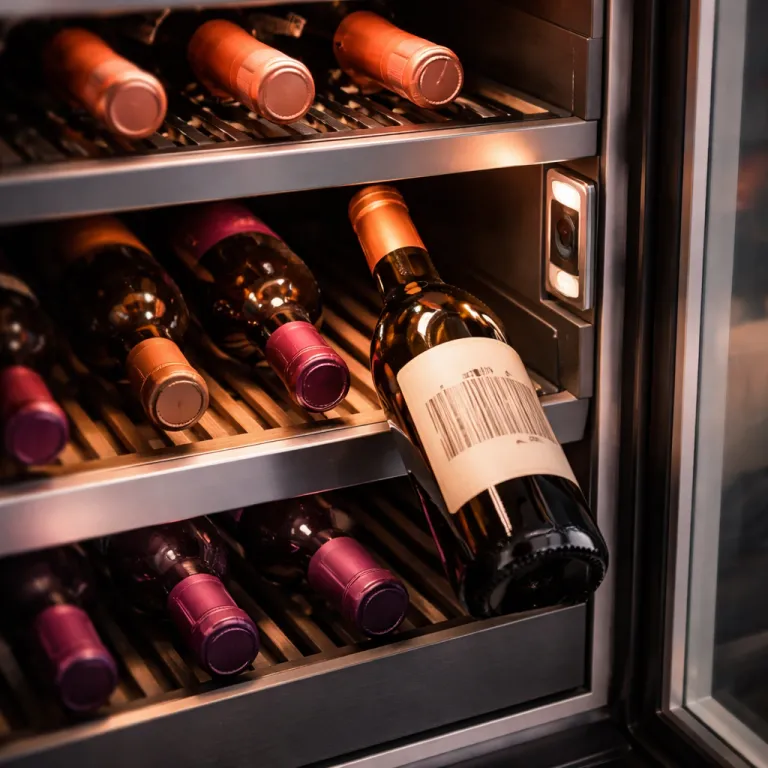
The most talked about feature of the Samsung AI wine refrigerator is the AI Vision camera mounted at the top of the cabinet. Each time you open the door and move bottles inside or out, the camera scans labels and uses Samsung’s cloud based recognition to identify grape, producer and vintage, then syncs that data to a Samsung account as a kind of built in wine manager and inventory tracker. For a collector who currently juggles a cellar app on a Samsung Galaxy phone and a spreadsheet, the promise is obvious: inventory updates happen passively while you simply load food items and wine, without needing to scan every bottle manually.
In practice, this smart wine manager will live or die on software support and integration with existing tools. Free apps such as Vivino and CellarTracker already let you scan labels, track drinking windows and rate bottles, so the Samsung AI wine refrigerator must offer easier access, better automation and reliable recognition to justify its premium. As of early 2024, Samsung has not yet detailed an open API, export options or a formal long term support window for the Infinite Wine firmware, and has not published exact hardware specifications such as a confirmed global model number, noise rating in dB or power consumption in English language materials. Korean launch briefings have mentioned a target noise level in the low 30 dB range and power draw comparable to other premium compressor based wine coolers, but until Samsung releases a full English spec sheet, buyers should treat those translated figures as indicative rather than final.
For now, Samsung positions the Infinite Wine refrigerator as a flagship product in the Samsung smart home platform, not a mass market clearance item, which suggests longer support but not a guarantee of indefinite updates. Serious collectors should therefore treat the AI Vision system as a convenience layer on top of a robust physical appliance, keeping a parallel record of what sits inside their wine refrigerator or wine cellar in a third party cellar app or spreadsheet. If you already use an independent database on a Samsung Galaxy device or another smartphone, the most resilient strategy is to let the fridge handle quick label scans and basic notifications while you maintain core records in software that will outlive any one smart fridge generation or proprietary wine manager.
What US collectors can build today while prices and features catch up
Because the Samsung AI wine refrigerator currently sells only in South Korea and early coverage has suggested pricing in the region of 4,000 to 4,300 USD equivalent based on local KRW launch information reported by Korean appliance media, US based enthusiasts need a more practical path. The closest functional equivalent today is a pair of well specified dual zone freestanding fridges, each with around 40 to 50 bottle capacity, paired with a modern cellar app that runs on a Samsung Galaxy phone or any other smartphone. One unit can be tuned for reds and fuller bodied whites, while the second handles sparkling wine and ready to drink bottles, effectively recreating the three zone range and serving flexibility that Samsung Infinite now offers in a single cabinet.
For about 1,500 to 2,500 USD total, you can purchase two quiet compressor based units with tinted glass doors, LED lighting and sliding shelves that provide easy access to every bottle. This setup will not match the integrated look of a Bespoke refrigerator with a coordinated Bespoke door panel or a French door Family Hub fridge, yet it gives you more flexibility in how the fridges fit into a spare room or basement. With careful measurement of clearance fit, ventilation requirements and noise levels in dB, these freestanding types of wine refrigerator can sit side by side without overheating, while a third party app handles inventory more reliably than any single product Samsung platform that might change over time.
Looking ahead, the Infinite Wine launch sets a clear expectation that mid range wine fridges in the 1,500 to 2,500 USD bracket will soon add smarter features such as basic cameras, better insulation, more precise digital thermostats and perhaps limited quick chill modes for food items. When that happens, buyers should evaluate not only headline features but also compressor noise, door sealing, power draw and how well the fridge integrates into an existing kitchen without forcing a full Bespoke style redesign. Until then, the most rational move is to buy the best dual zone freestanding fridge or fridges you can, focus on stable temperatures and UV protection, and treat AI as a helpful extra rather than the core of your long term wine storage strategy.
Key figures about AI wine refrigerators and smart wine storage
- Product name and launch: Samsung Infinite Wine Cellar, an AI wine refrigerator first shown at CES 2024 and initially released in South Korea as part of the Samsung Infinite line.
- Capacity and layout: Samsung has promoted a three zone layout and roughly 101 bottle capacity for the Infinite Wine Cellar, with independently controlled temperature zones covering approximately 3 to 18 °C (about 37 to 64 °F).
- UV protection: Samsung marketing and Korean hands on coverage describe triple layered glass doors with around 90 percent UV blocking, improving protection for bottles stored in bright kitchens or living spaces.
- Noise and power: Early Korean briefings have referenced a target noise level in the low 30 dB range and energy consumption similar to other premium compressor based wine coolers, but Samsung has not yet released a detailed English spec sheet with final figures.
- Price and availability: Launch coverage in South Korea has indicated pricing in the region of 4,000 to 4,300 USD equivalent based on KRW conversion, with no confirmed US release date or official US MSRP at the time of writing.
Questions people also ask about Samsung’s AI wine refrigerator
Common questions include whether the Samsung AI wine refrigerator will launch in the US, how its three zone design compares to dual zone coolers, and how long Samsung will support the AI Vision label recognition and cloud based wine manager features, including any future export tools or open API options for integrating with third party cellar apps.
