Key features that define the best 24 bottle wine coolers
The best 24 bottle wine coolers share several technical traits that directly influence flavour and longevity. First, precise temperature control matters more than any decorative detail, because even a few degrees of extra heat will accelerate ageing and flatten aromas. Look for a wine fridge that allows digital temperature adjustments in small increments (often 1 °C or 1 °F), so you can fine-tune the setting for red bottles or white bottles as your collection evolves.
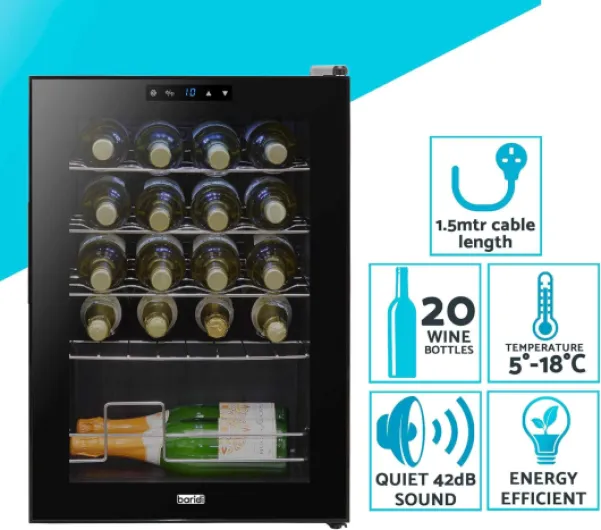
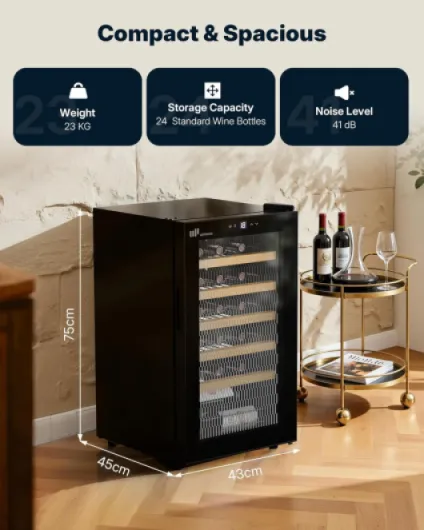
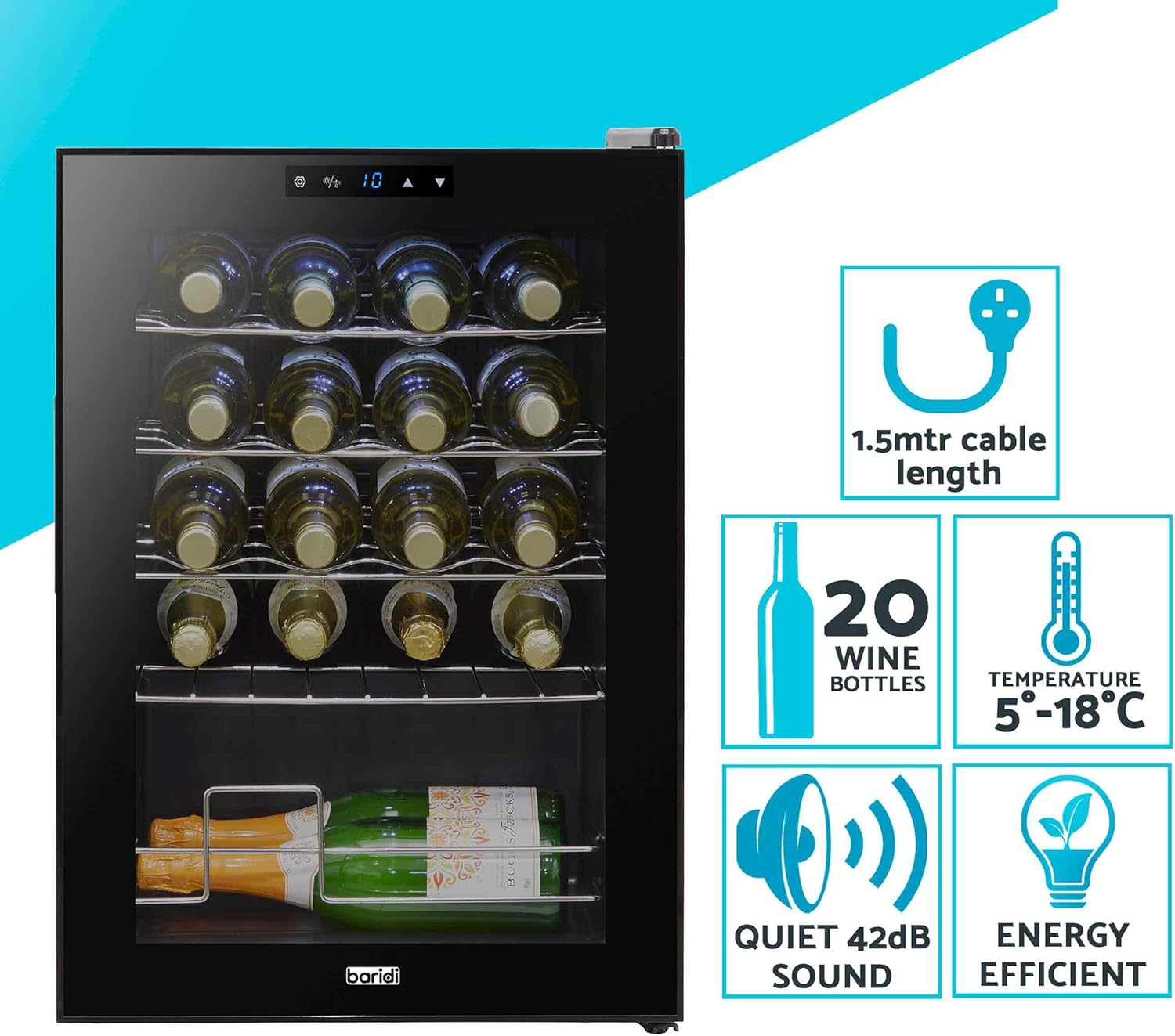
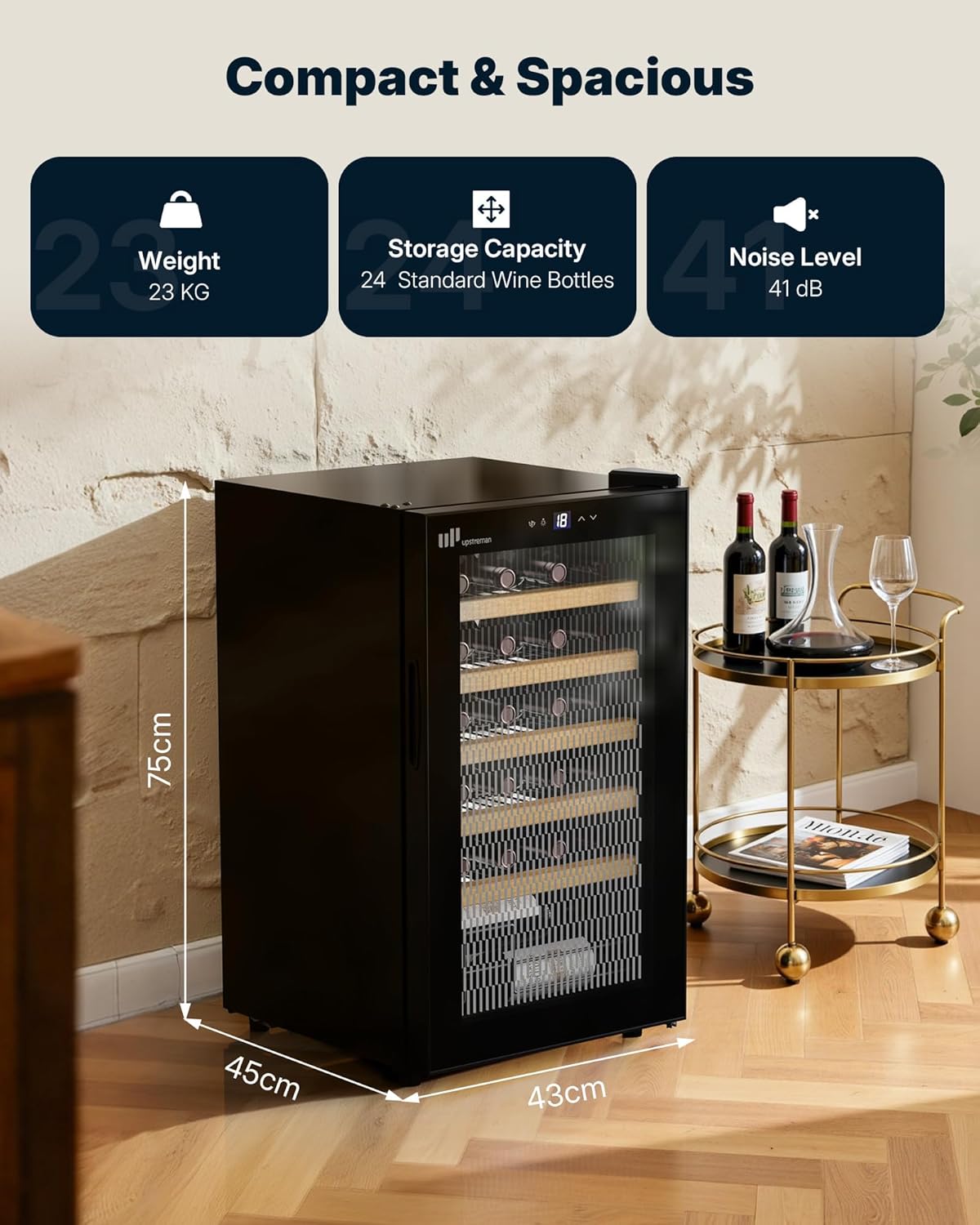
Compressor-based systems remain the standard for this capacity, since a compressor cooler maintains a stable environment even when the surrounding kitchen warms up. Compared with thermoelectric fridges, a compressor fridge handles frequent door openings better, which is crucial when you store champagne or aromatic whites that you reach for often. Noise levels have improved significantly; for example, several 24 bottle models tested by Consumer Reports and similar appliance reviewers register around 40–45 dB, which is comparable to a quiet conversation and usually acceptable in an open-plan living area.
Another defining feature is the internal layout and storage flexibility for different bottles. Adjustable shelves let you alternate standard 750 ml bottles with slightly larger champagne formats, while some models include a dedicated cradle or curved shelf for unusual shapes such as Burgundy or Rhône bottles. A clear glass door with UV protection helps you monitor your wine cooler contents, and a solid one-year warranty or multi-year warranty signals that the manufacturer stands behind the compressor, the control board, and the overall build quality. Manufacturer spec sheets from brands like Kalamera, Ivation, and Wine Enthusiast usually list shelf configuration, bottle capacity by format, and energy consumption in kWh per year, which are worth checking before you buy.
Single zone versus dual zone wine fridges at 24 bottles
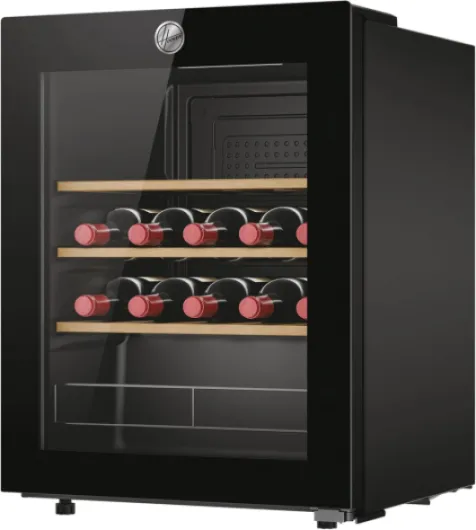
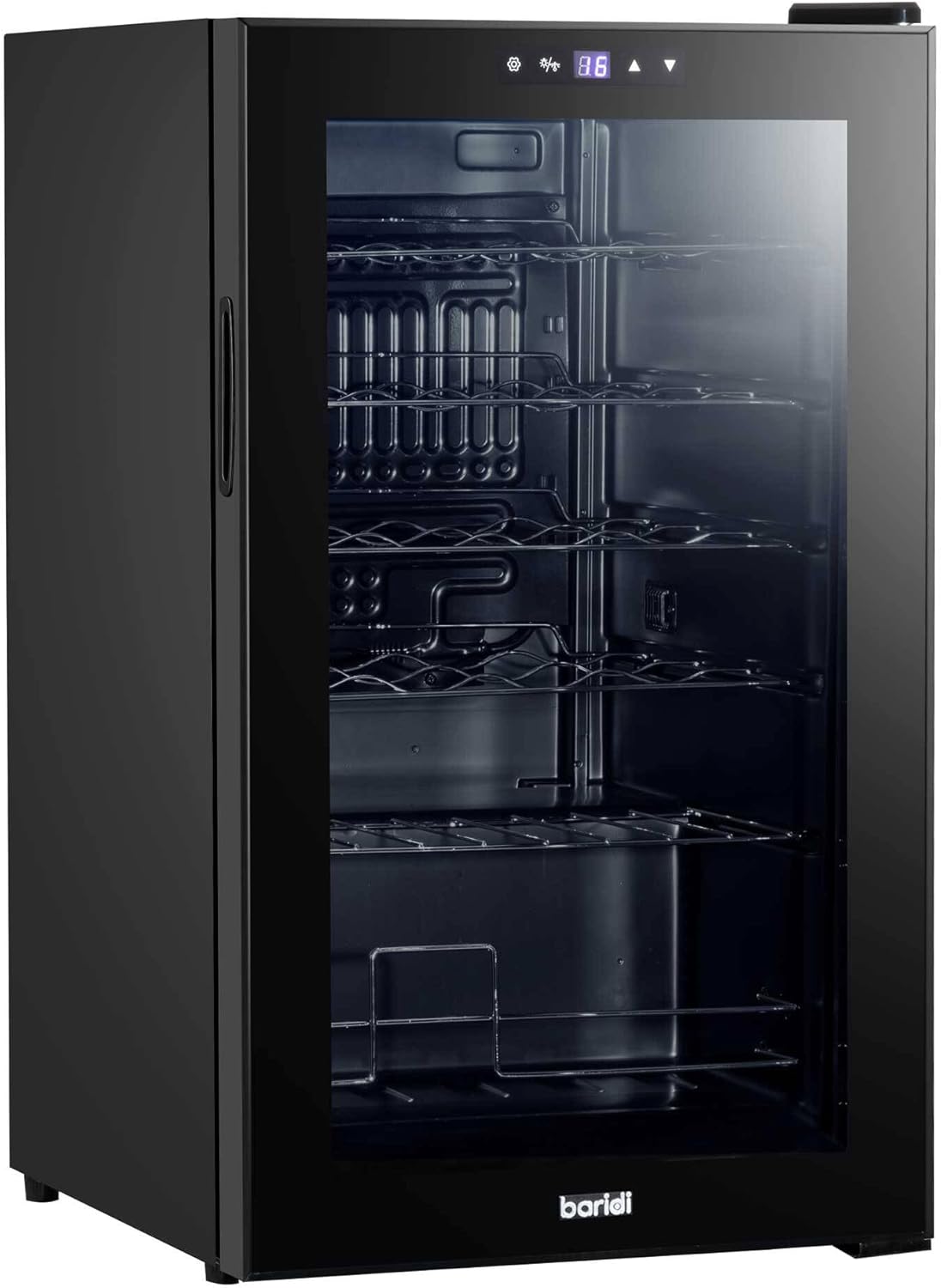
At the 24 bottle capacity, buyers often hesitate between a single zone wine fridge and a compact dual zone wine fridge. A single zone model keeps every bottle at one consistent temperature, which suits collectors who mainly drink red wine or mainly drink white wine. If you mostly open similar styles, a single zone cooler offers simple control and usually a lower regular price compared with more complex dual systems.
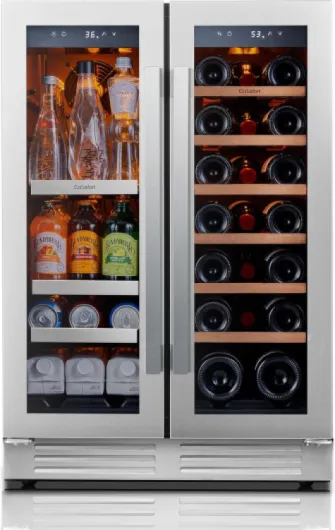
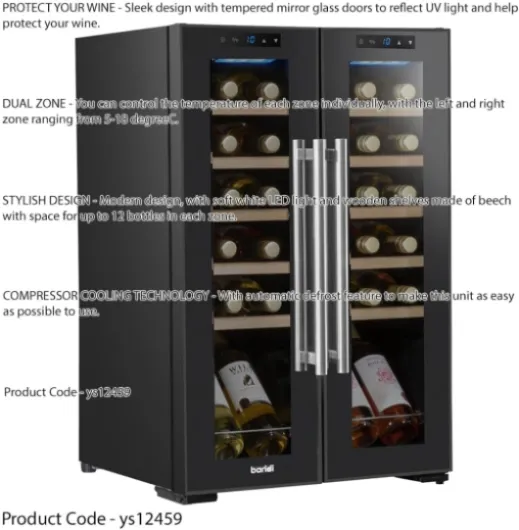
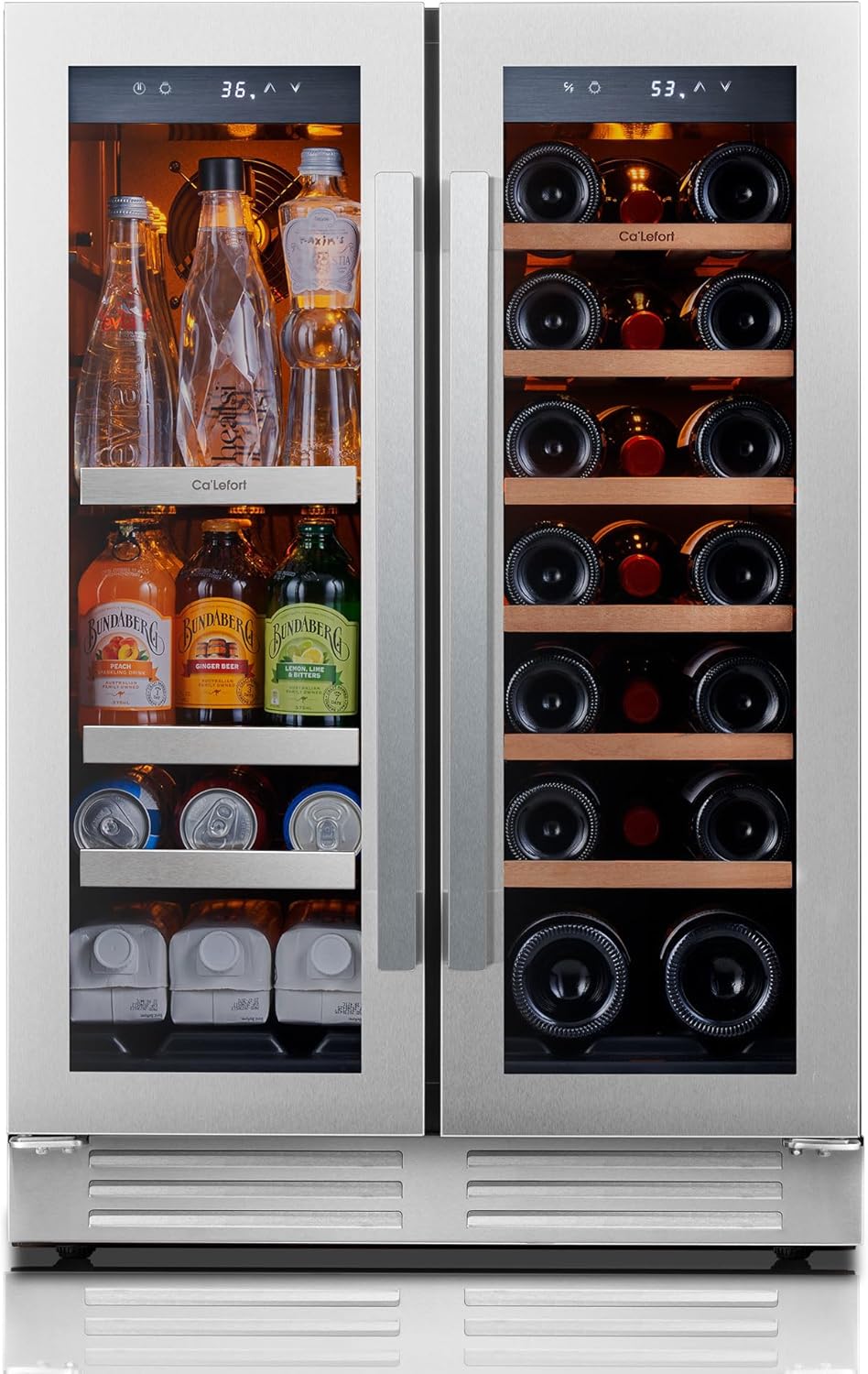
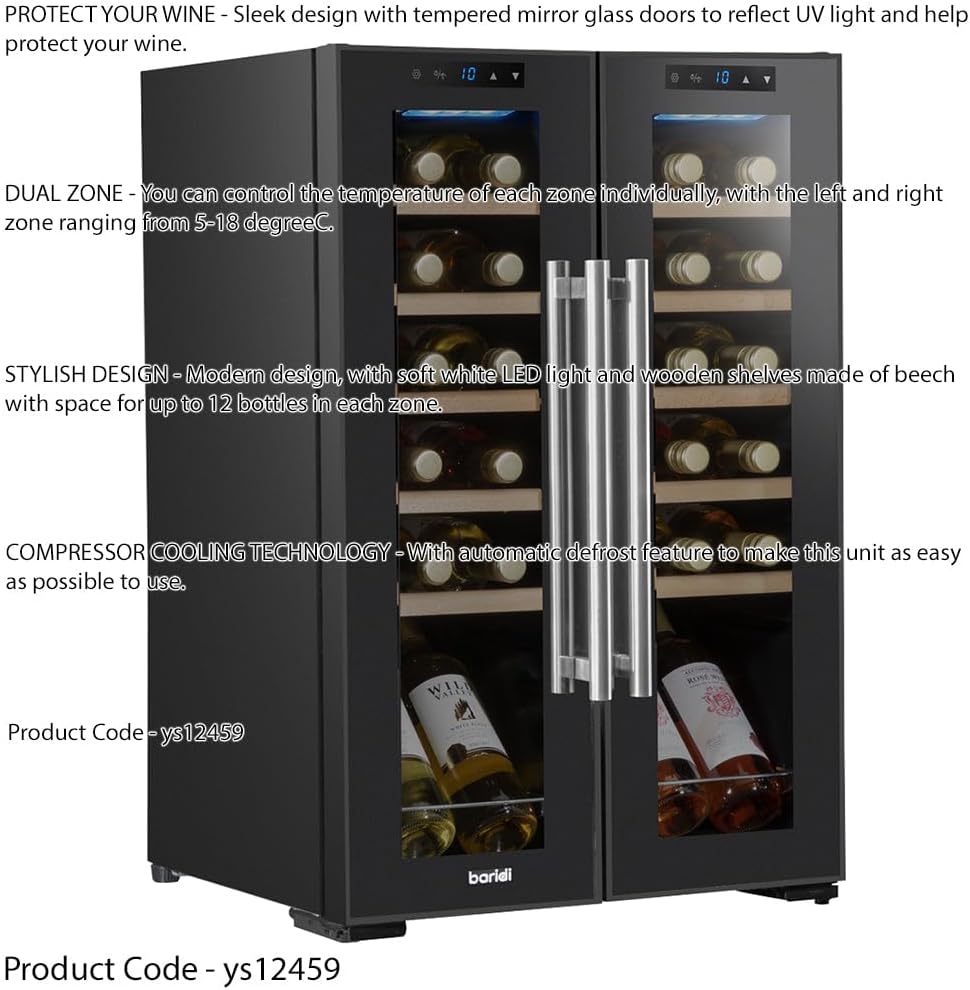
A dual zone configuration divides the interior into two independently controlled compartments, creating a red zone and a white zone within the same wine cooler. This dual zone layout allows you to chill champagne and crisp whites at around 7–10 °C while keeping structured reds closer to 12–14 °C, which many sommeliers and guides from Wine Spectator and Decanter consider an ideal range. For households where preferences differ, the best dual zone models provide a diplomatic solution that will keep everyone satisfied without needing two separate fridges.
When comparing single zone and dual zone wine fridges, pay attention to how the manufacturer describes temperature control accuracy. Some budget dual zone designs share a single compressor and rely on internal airflow, which can blur the boundary between the two zones and create a few degrees of overlap. Higher quality dual zone wine coolers use more precise digital temperature sensors, better insulation, and separate fans, so each compartment maintains its own stable climate for all bottles. Independent tests from consumer organisations often highlight whether a given model actually holds its advertised temperature range, so consulting those reports can help you avoid disappointing performance.
Build quality, design, and everyday usability
Design details influence how often you actually use your 24 bottle wine fridge and how long it lasts. A sturdy glass door with double or triple glazing reduces temperature swings and protects wine from light, while also giving the cooler a refined appearance in a dining room. Soft interior lighting helps you read labels without heating the bottles, and a recessed handle keeps the profile clean for tight spaces or under-counter placements.
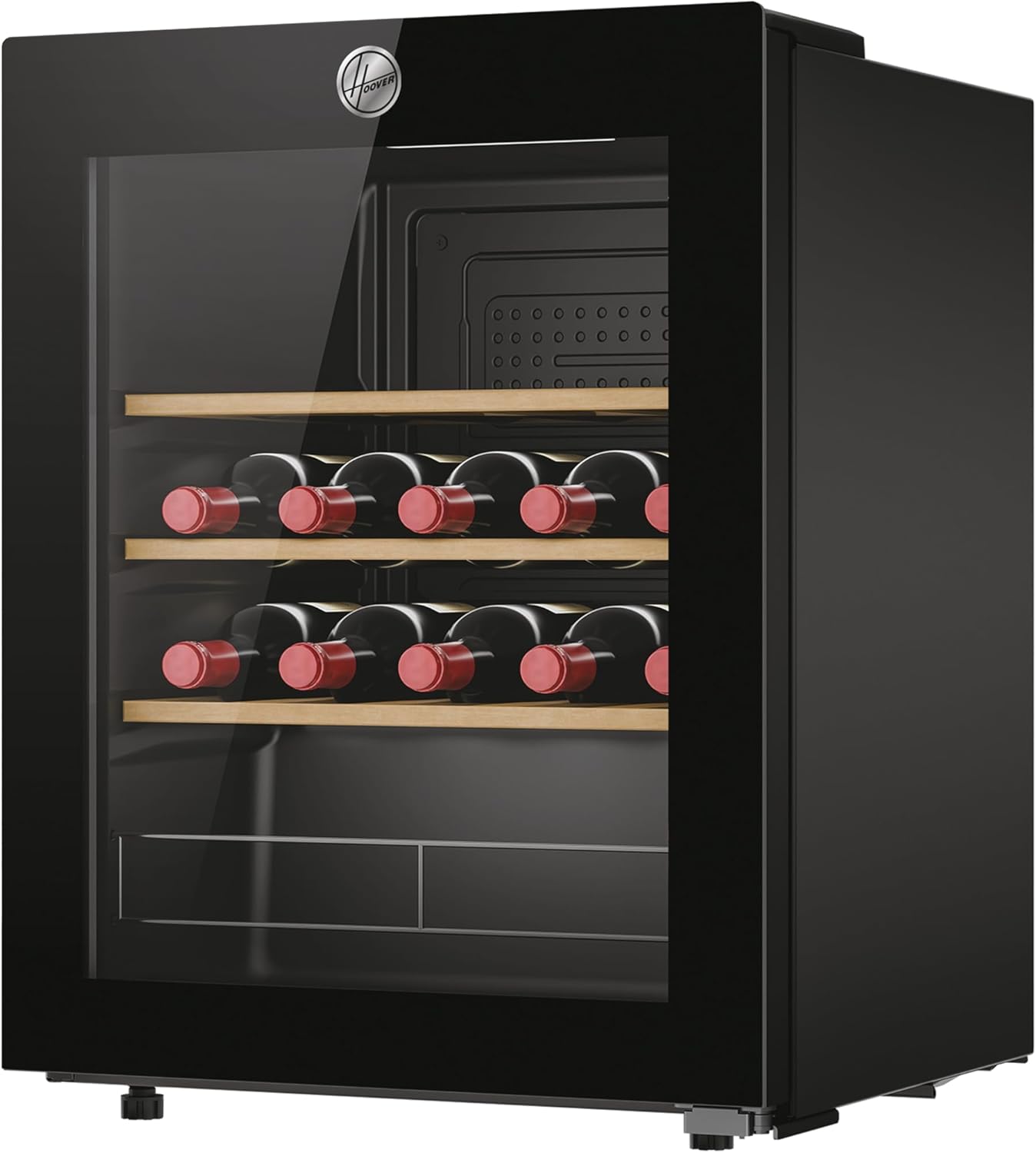
Inside the wine cooler, shelf construction determines whether you can comfortably slide bottles in and out without scraping labels. Wooden shelves absorb small vibrations from the compressor, whereas metal shelves maximise storage density for mixed bottles and champagne formats. Look for smooth runners and a layout that allows you to access any bottle without unloading half the fridge, because convenience will encourage you to rotate stock and drink wines at their best. Many manufacturer spec sheets list maximum shelf load and recommended bottle orientation, which can be useful if you store heavier sparkling wines.
Usability also includes simple but important elements such as the location of the digital temperature display and the clarity of the control buttons. A front-facing panel means you can adjust temperature control without opening the door, which preserves internal stability. Finally, check whether the unit is truly freestanding or designed for built-in installation, because a freestanding wine fridge needs ventilation space around the compressor and will overheat if pushed flush into cabinetry. Product manuals from brands like Frigidaire, NewAir, and Wine Enthusiast clearly specify minimum clearances; following these guidelines will extend compressor life and keep noise levels low.
Budget, pricing structures, and where to buy
Pricing for the best 24 bottle wine coolers spans a wide range, and understanding the structure helps you judge value. Entry-level models on Amazon or in big-box stores may advertise an attractive sale price, but the regular price often reflects compromises in insulation, compressor quality, or shelf design. Mid-range fridges usually balance a fair price with stronger temperature control, thicker door glass, and a more reassuring one-year warranty or longer coverage from established brands.
When you compare offers, focus less on the headline price and more on long-term ownership costs. A slightly higher regular price for a well-built compressor wine fridge can pay off through lower energy use, fewer repairs, and better protection for bottles that may cost more than the cooler itself. For example, many 24 bottle units list annual energy consumption between 90 and 150 kWh on their energy labels; over several years, that difference adds up on your electricity bill. Check whether the retailer includes curbside delivery, in-home delivery, or only warehouse pickup, because safe transport will reduce the risk of damage to the glass door or internal shelves.
Specialist wine cellar retailers sometimes bundle a 24 bottle wine cooler with accessories such as thermometers, bottle tags, or extended warranty coverage. Online marketplaces like Amazon provide a broad view of competing fridges, but you should read detailed reviews from other wine enthusiast buyers who use the same model in similar conditions. Whether you buy from a local store or an online platform, confirm the return policy, the availability of spare parts, and the responsiveness of customer support before committing. Checking independent ratings from sources such as Consumer Reports or major appliance review sites can also highlight models with strong reliability records.
Placement, installation, and caring for your 24 bottle wine fridge
Where you place your 24 bottle wine fridge will strongly influence performance and lifespan. Keep the cooler away from ovens, radiators, dishwashers, and direct sunlight, because excess heat forces the compressor to work harder and destabilises the internal temperature. A level floor ensures that the compressor operates smoothly and that bottles rest securely on their shelves without rattling.
Freestanding wine fridges require adequate ventilation space around the sides and rear, so always follow the manufacturer’s clearance guidelines. Blocking the vents will trap hot air, shorten compressor life, and undermine the best temperature control features that you paid for. If you plan to store champagne or age red wine for several years, stable conditions matter more than any decorative element on the exterior, a point echoed in many home cellaring guides from Decanter and similar publications.
Routine care includes wiping the glass door with a non-abrasive cleaner, vacuuming dust from the rear coils, and occasionally checking the digital temperature reading with an independent thermometer. Rotate bottles so that older selections move toward the front, and avoid overfilling the storage area, because cramped bottles restrict airflow inside the cabinet. With thoughtful placement and simple maintenance, a quality 24 bottle wine cooler will serve as a compact, reliable wine cellar that supports your tasting journey for many seasons.
Key figures about 24 bottle wine coolers and home wine storage
- Many manufacturers specify an ideal ambient room temperature range of roughly 10–32 °C for compressor-based wine fridges, which ensures that the cooler can maintain internal temperatures around 7–18 °C without excessive energy use.
- Independent appliance tests and reviews (for example, from Consumer Reports and major European energy-label databases) often show that well-insulated glass door wine coolers can limit internal temperature fluctuations to about ±1–2 °C, which is significantly better than standard kitchen fridges used for wine storage.
- Consumer surveys from major retailers indicate that compact wine fridges between 18 and 32 bottles represent one of the most popular capacities for urban households, because they balance storage volume with limited floor space.
- Warranty terms for reputable 24 bottle wine cooler brands frequently include at least a one-year warranty on parts and labour, with some offering longer coverage on the compressor component specifically (often three to five years).
- Energy efficiency labels in many regions show that modern compressor wine coolers in the 24 bottle range typically consume between about 90 and 150 kWh per year, which is substantially less electricity than older models and reduces long-term operating costs for home wine cellars.
Trusted references for further reading
- Wine Spectator – Cellaring and serving temperature guidelines for different wine styles (see the “Wine Storage and Serving” section on winespectator.com).
- Decanter – Expert advice on choosing and using home wine fridges, including ideal serving temperatures and storage tips (available in the “Wine Storage” guides on decanter.com).
- Consumer Reports – Independent testing and reliability data for wine coolers and fridges, with model comparisons and noise/temperature performance (accessible to subscribers on consumerreports.org).