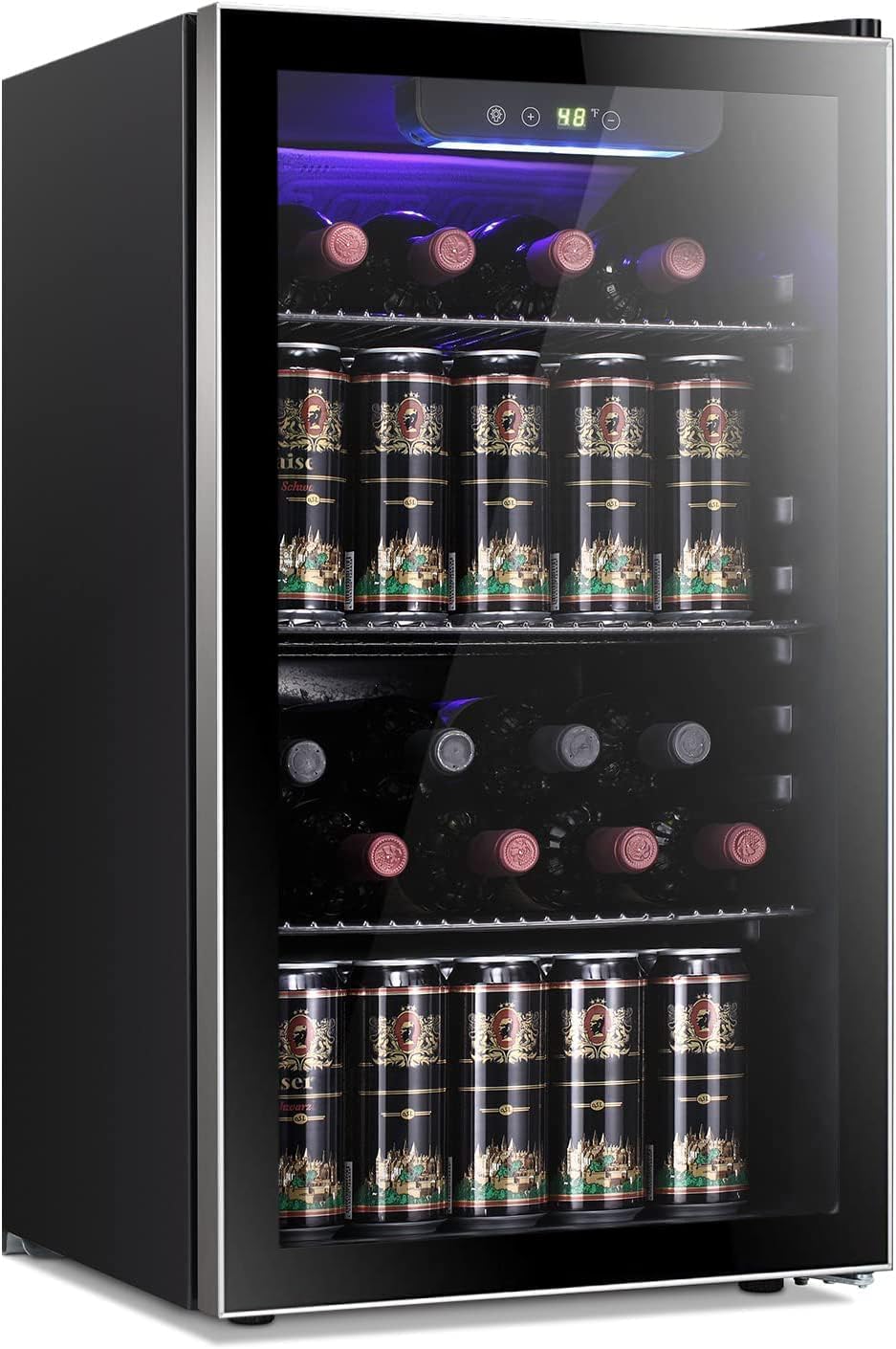
Understanding temperature, zones, and layout in compressor coolers
Temperature control sits at the heart of every serious wine cooler. The best compressor wine coolers offer either a single zone or a dual zone layout, and the choice depends on how you drink and serve wine. A single zone wine fridge keeps all bottles at one temperature range, while a dual zone wine fridge separates reds and whites into distinct compartments.
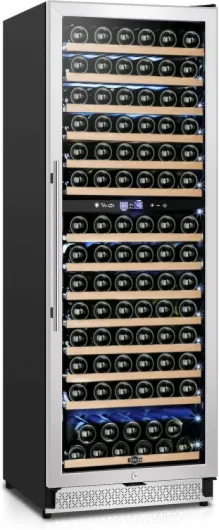
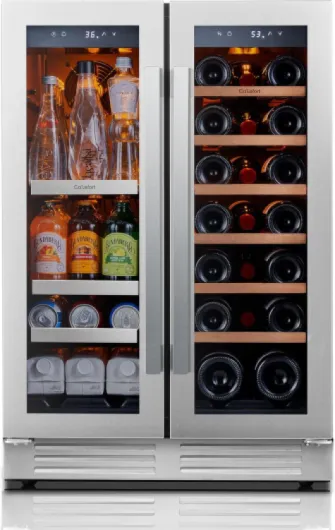
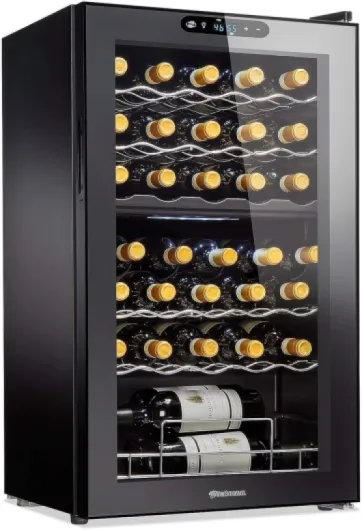
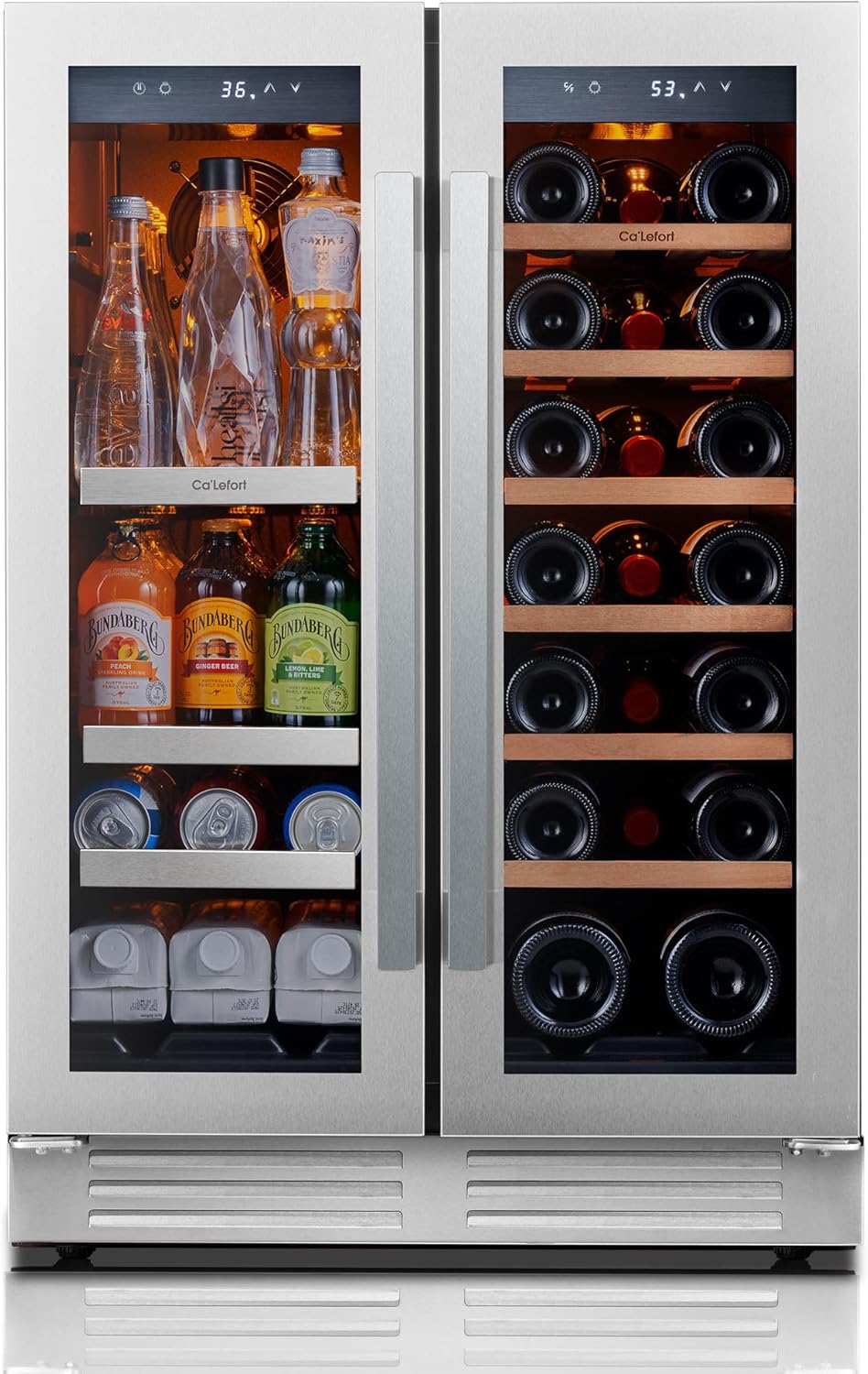
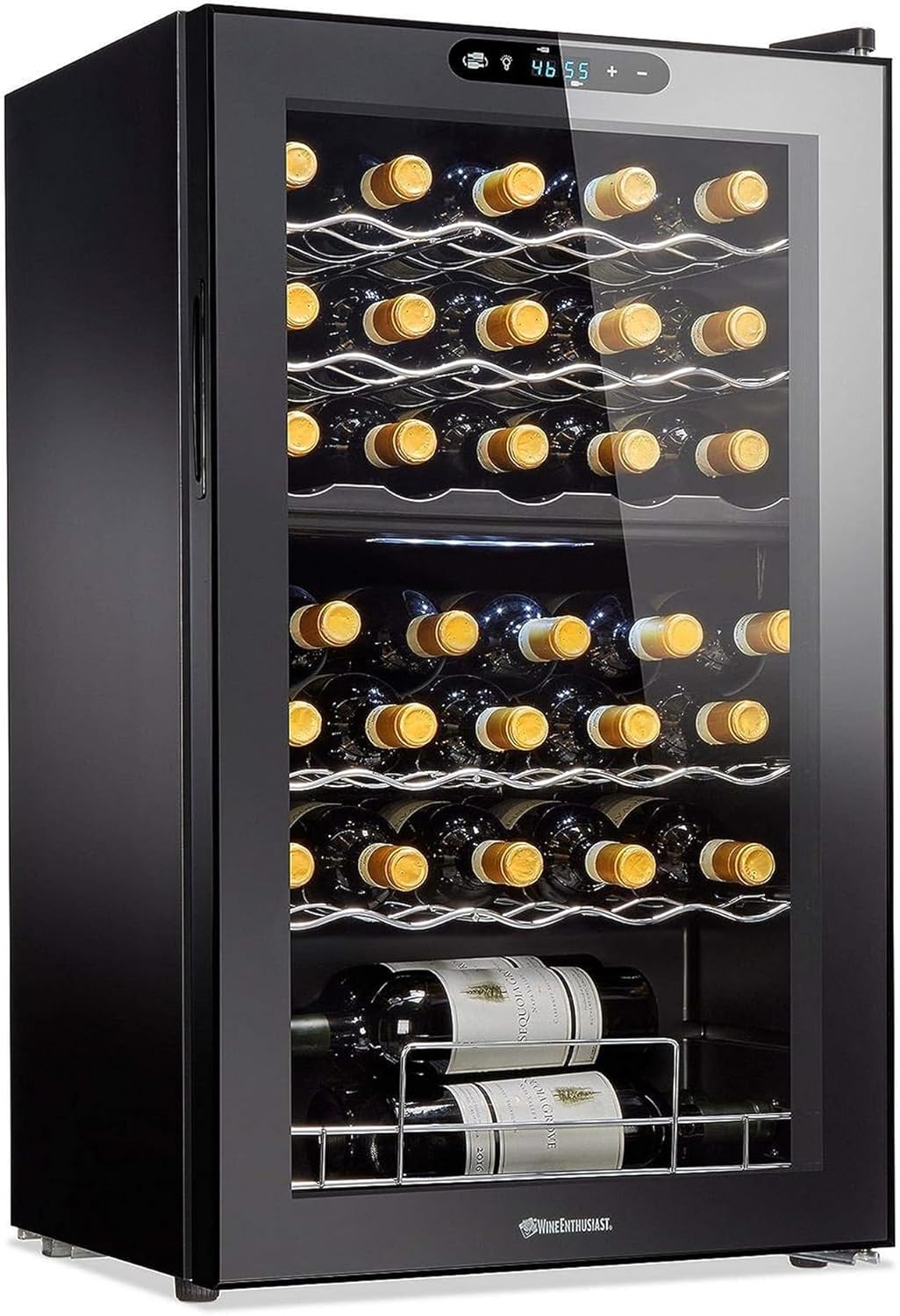
For many households, a dual zone compressor wine cabinet provides the most flexibility. One zone wine compartment can be set around 12 °C for cellaring reds, while the second zone holds whites and sparkling bottles closer to serving temperature. This dual arrangement allows you to keep a working selection ready for food wine pairings without sacrificing long term storage conditions.
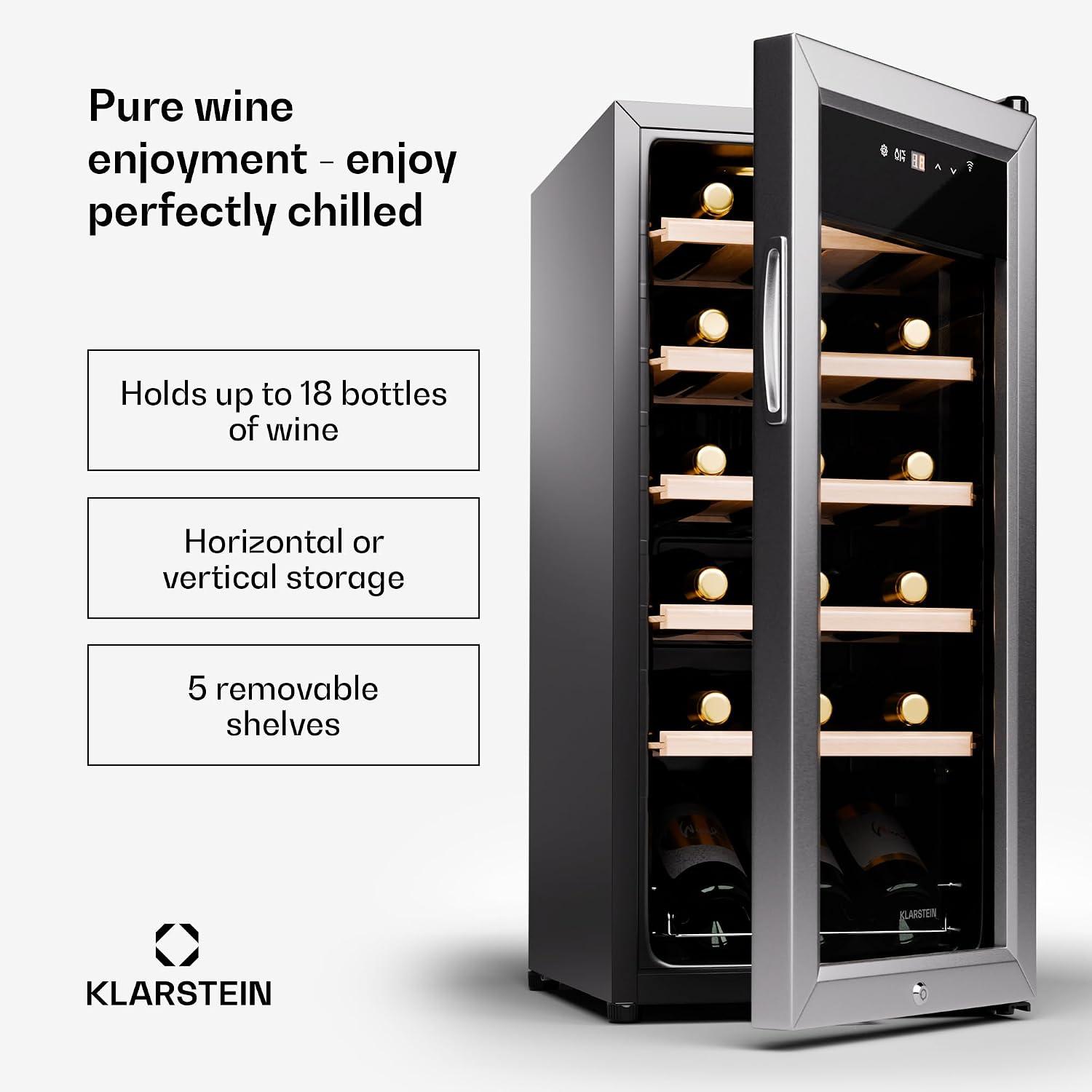
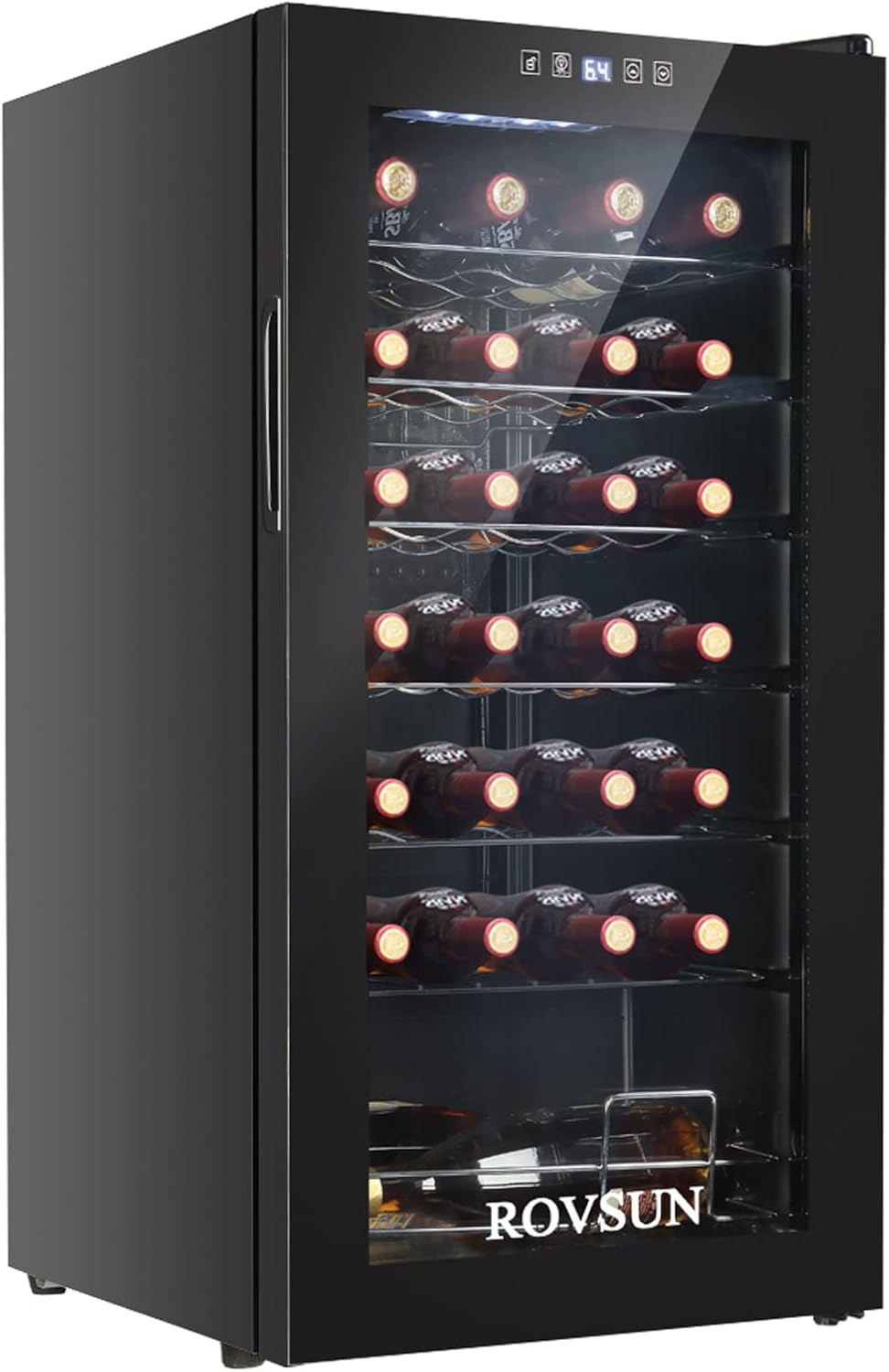
Inside the cooler, shelves and airflow design are as important as the compressor itself. Adjustable shelves help accommodate larger bottle formats, while full extension rails reduce vibration when you access bottles. When reading any jump review or tested report, pay attention to how many bottles the manufacturer counts per shelf and whether those bottles are standard Bordeaux shapes or mixed sizes.
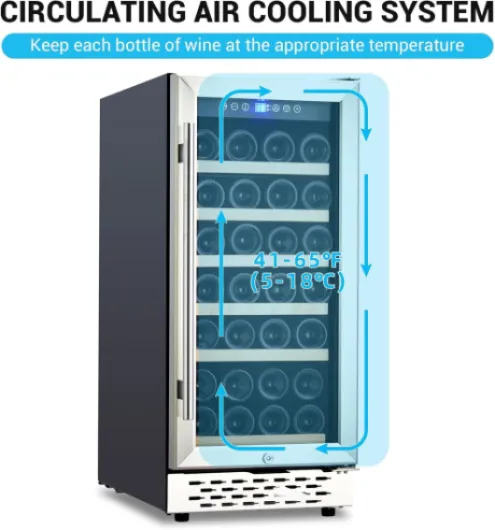
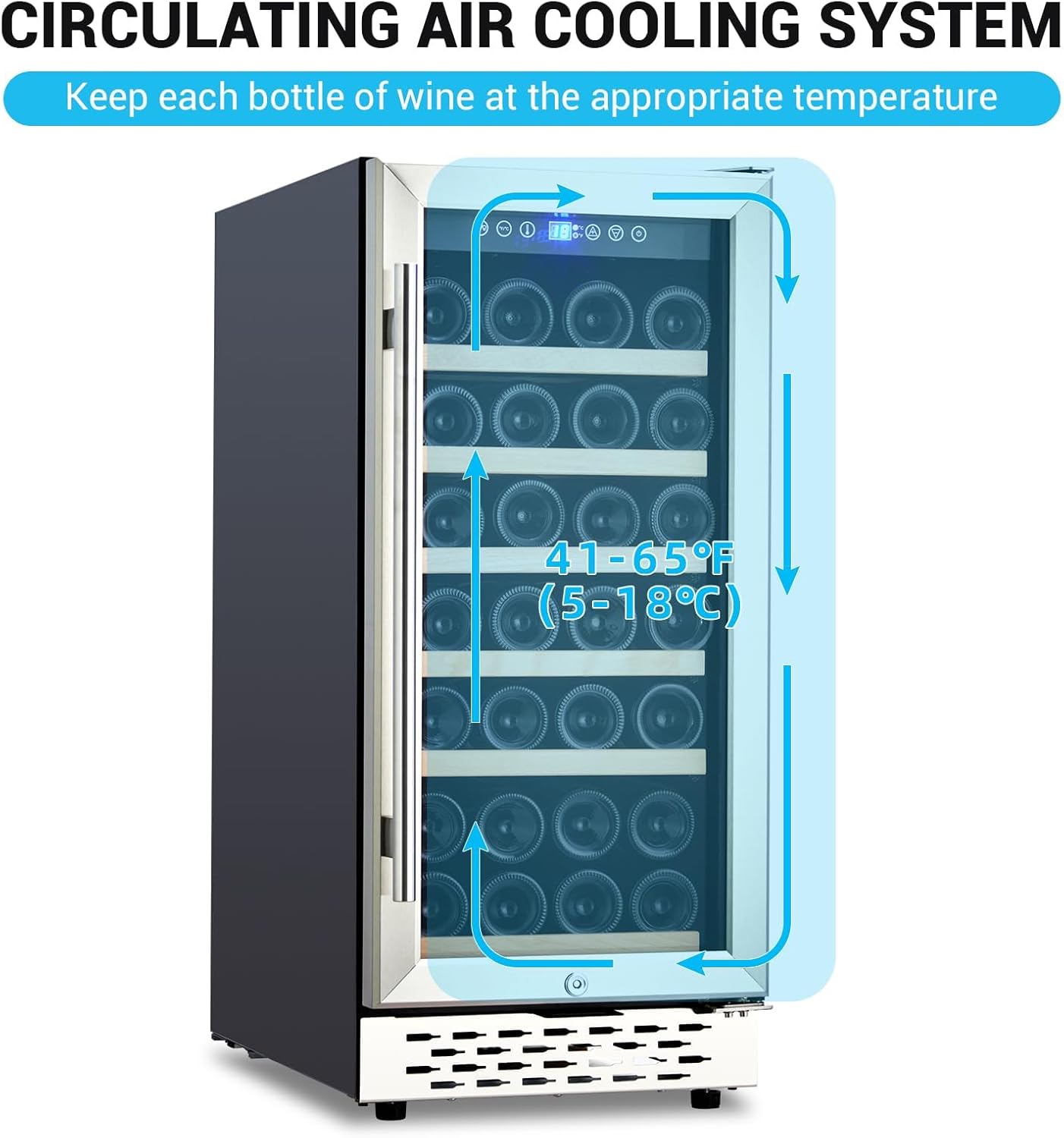
Compressor wine fridges also differ in how they manage humidity and internal circulation. Some built in models integrate fans that distribute cool air evenly across every zone, reducing hot spots that can damage corks. If you live in a dry climate, consider pairing your wine cellar or cooler with a dedicated humidity solution such as an evaporative humidifier for large spaces.
Capacity, dimensions, and installation for home wine cellars
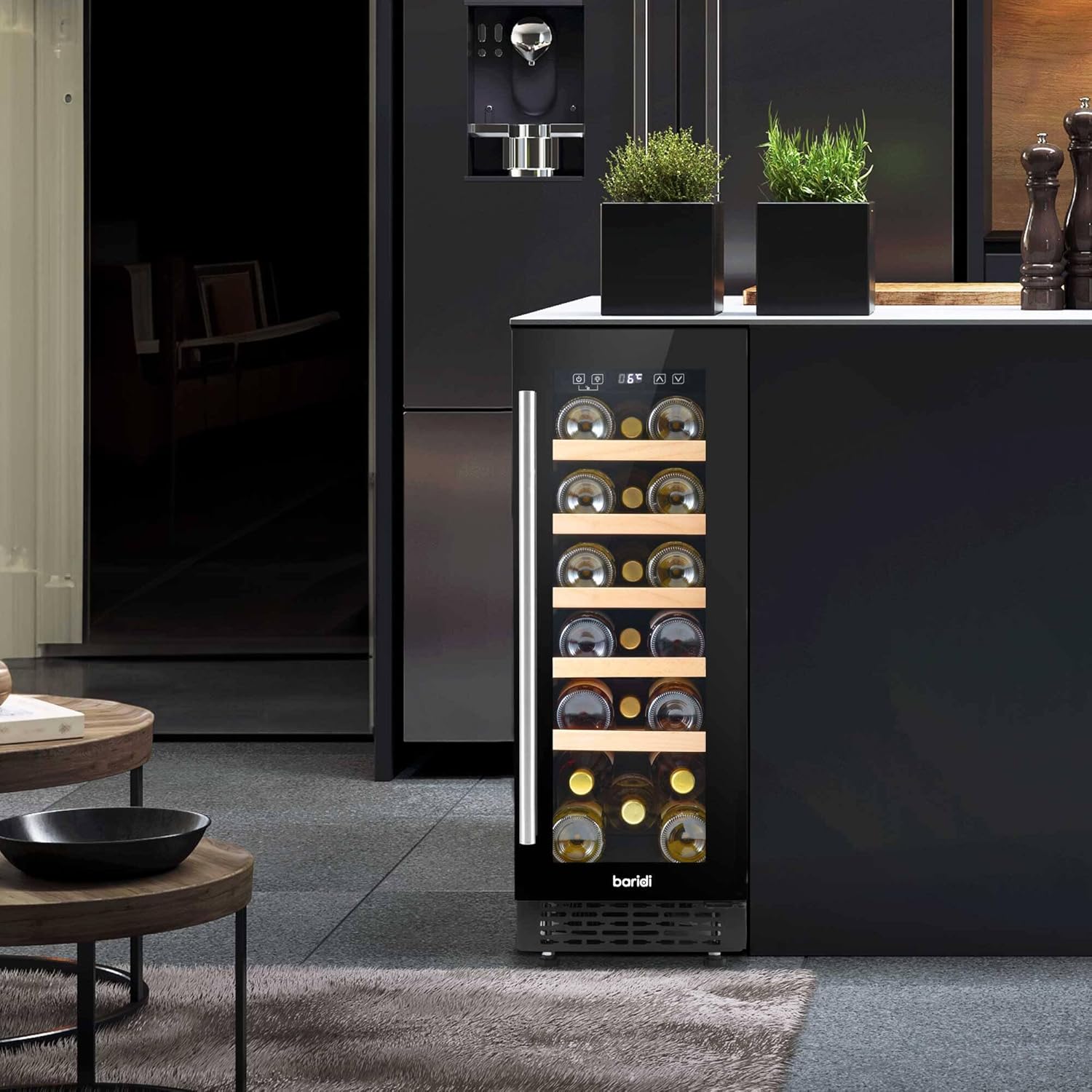
Choosing the best compressor wine coolers means balancing capacity, dimensions inches, and installation style. A freestanding wine cooler offers flexibility for renters and can move with you, while a built in wine fridge slides under counters with front ventilation. Measure width, depth, and height carefully, especially if the cooler will sit near other fridges or cabinets that restrict airflow.
Many wine fridges list capacity in bottles, but that number often assumes tightly packed standard bottles. If you collect Champagne, Burgundy, or large format bottle wine, expect the real capacity of your wine cooler to be lower. Look for clear diagrams of shelves and interior range measurements, and compare those with your current bottles before committing.
Installation also affects noise and energy use for any compressor wine appliance. Built in coolers usually vent from the front and can be integrated into a smart fridge style kitchen layout, while freestanding coolers need several centimeters of clearance around the back and sides. Placing a wine fridge away from ovens or direct sunlight helps the compressor maintain a stable temperature range with less effort.
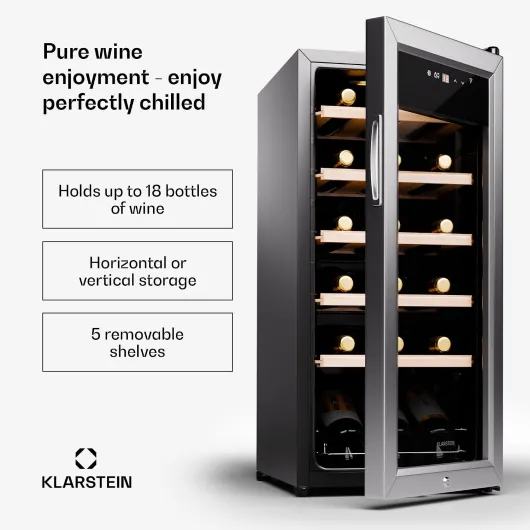
Think about how your wine cellar ambitions may grow over time. A small 18 bottle cooler might suit a beginner, but a serious wine enthusiast often outgrows that capacity quickly. For larger collections, some households combine multiple wine coolers or pair a primary cellar cabinet with additional storage such as free standing wine racks for overflow bottles.
Comparing features, performance, and value beyond regular price
Price alone rarely identifies the best compressor wine coolers for demanding collectors. Performance, build quality, and thoughtful design details often matter more than a small difference in regular price between similar wine fridges. When reading a jump review or tested comparison, focus on temperature stability, noise levels, and how the cooler handles mixed bottle sizes.
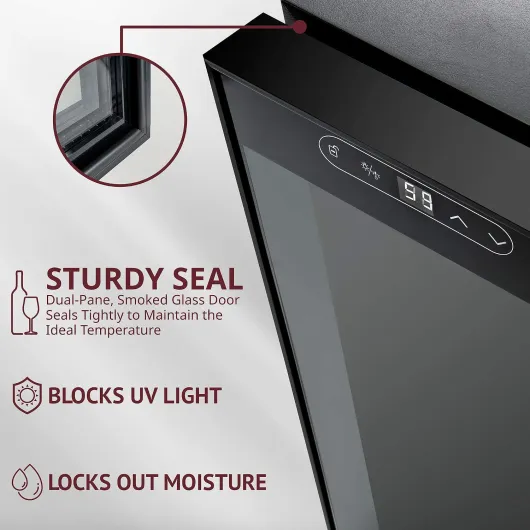
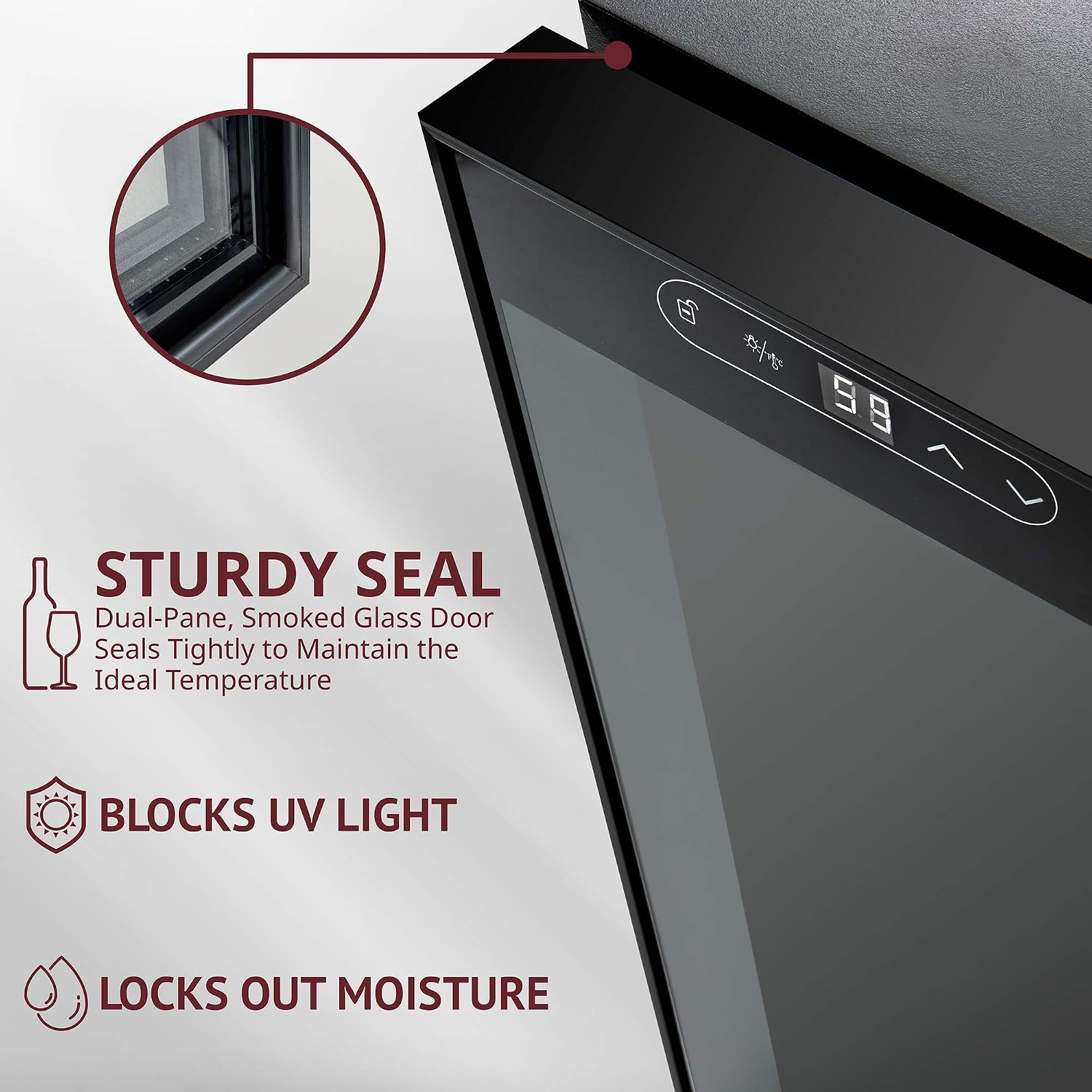
Look closely at shelves, door construction, and interior lighting in each wine cooler. Sturdy metal shelves with smooth rails protect labels and reduce vibration, while double or triple pane glass doors help maintain each zone wine temperature. Soft LED lighting showcases bottles without adding unnecessary heat, which is essential for long term wine cellar style storage.
Some compressor wine models now integrate smart fridge style features such as app monitoring. These super smart systems can alert you if the temperature range drifts or if the door is left open, which protects both wine and any food stored temporarily inside. While not essential, such features can be valuable for a busy wine enthusiast who travels frequently.
Value also depends on warranty coverage and service support for your wine cooler. A slightly higher regular price may be justified if the manufacturer offers strong after sales assistance and readily available parts. For buyers using credit to finance a larger wine cellar project, that long term reliability can be more important than saving a small amount upfront.
How compressor wine coolers fit into everyday kitchens and lifestyles
Modern homes increasingly blend wine storage with everyday cooking and entertaining. The best compressor wine coolers make it easy to keep bottle wine ready for guests while also supporting efficient food storage in nearby fridges. A compact wine fridge under the counter can free space in the main fridge for fresh food and ingredients.
For households that cook frequently, a dual zone wine cooler offers particular advantages. One zone wine compartment can hold ready to drink whites and rosés near serving temperature, while the second zone protects aging reds at a slightly warmer setting. This arrangement simplifies food wine pairing decisions on busy evenings, because you always have a curated selection at the correct temperature.
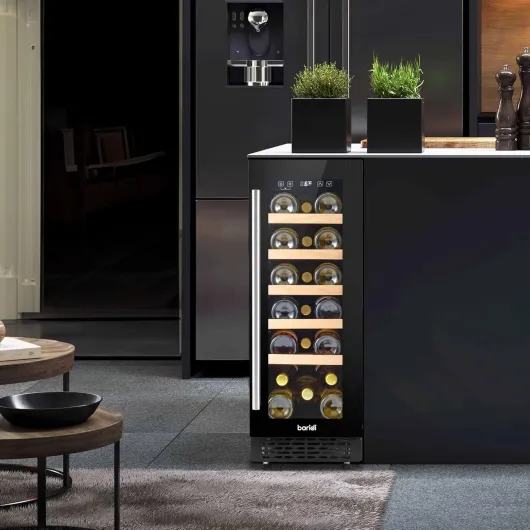
Design also plays a role in how wine fridges integrate into living spaces. Built in models with clean lines and reversible doors can align with existing fridges and cabinets, creating a cohesive look. Some compressor wine units feature wooden shelves and subtle lighting that echo a traditional wine cellar aesthetic while still fitting into a contemporary kitchen.
Energy efficiency and noise levels matter when a wine cooler sits near living areas. Look for tested data on decibel ratings and annual energy consumption, especially if the cooler will run close to bedrooms or open plan lounges. A quiet, efficient compressor wine cabinet can protect your best wine collection without disrupting conversation or sleep.
Buying strategies, financing, and long term care for wine coolers
Thoughtful planning helps ensure that investment in the best compressor wine coolers delivers lasting value. Start by listing your current bottles, expected growth, and how often you entertain, then match those needs to specific wine fridges and coolers. This approach prevents overbuying a massive wine cellar cabinet or underestimating capacity for a growing wine enthusiast household.
Many buyers compare options on platforms such as Amazon, where tested user feedback and professional jump review content can highlight strengths and weaknesses. Pay attention to comments about temperature stability, shelves durability, and real world dimensions inches, not just star ratings. When comparing regular price, consider total cost including delivery, extended warranty, and any cabinetry work for built in installation.
Financing a premium wine cooler with credit can be reasonable if you view it as part of a broader food and wine lifestyle. Protecting valuable bottle wine collections from heat damage preserves both enjoyment and financial value over time. Treat the cooler like a long term appliance rather than a disposable gadget, and prioritize models with proven compressor wine reliability.
Ongoing care remains straightforward but essential for any wine fridge or smart fridge style cooler. Keep vents clear, clean door seals, and periodically verify each zone wine temperature with an independent thermometer. With this routine maintenance, well built wine coolers and fridges can safeguard your best wine and everyday bottles for many years of shared meals and celebrations.
Key statistics about compressor wine coolers and home cellars
- Average recommended serving temperature range for most white wine styles in compressor wine coolers is approximately 7–12 °C, while many red wines benefit from storage between 12–18 °C.
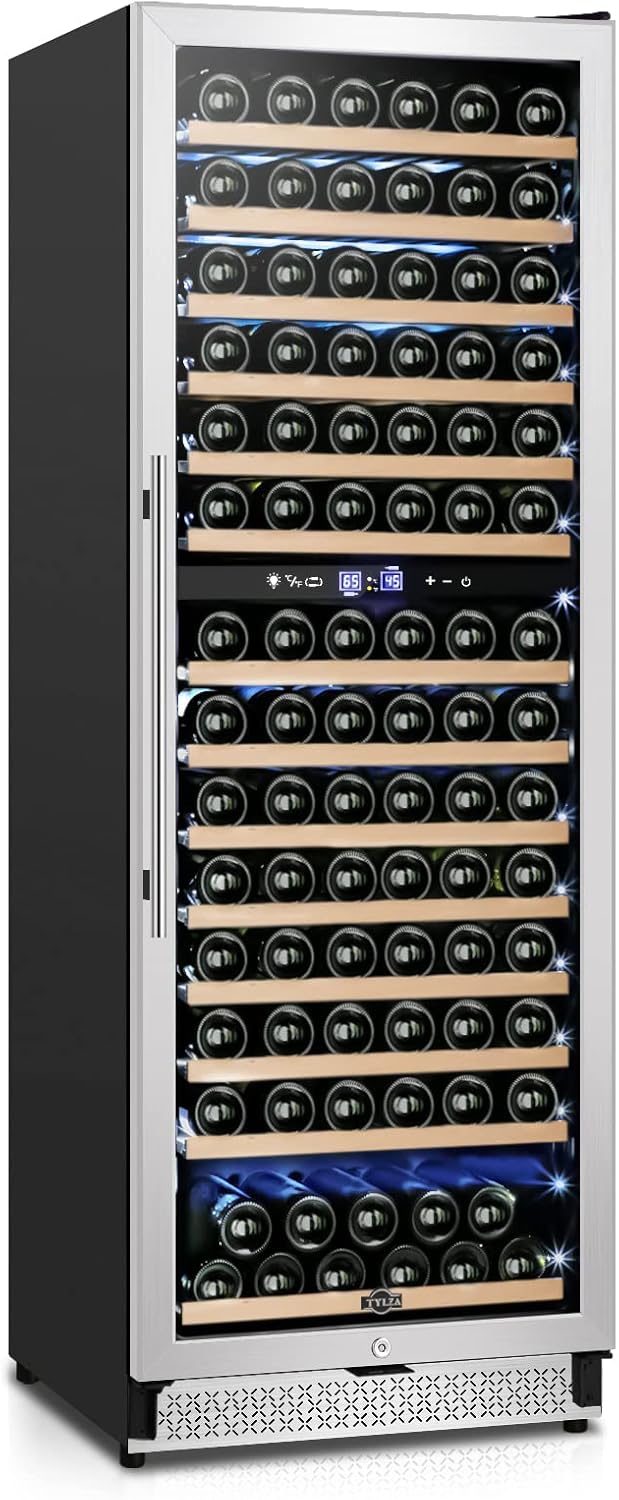
- Typical household wine fridges for enthusiasts hold between 24 and 72 bottles, whereas larger dedicated wine cellar cabinets can exceed 150 bottles in capacity.
- Well insulated compressor wine coolers with double or triple pane glass doors can reduce energy consumption by up to 15–20 % compared with older, poorly insulated models of similar dimensions inches.
- Noise levels for quality compressor wine fridges usually fall in the 35–42 dB range, which is comparable to a quiet library or a low hum in a modern kitchen.
- Dual zone wine coolers now represent a significant share of premium home wine fridge sales, reflecting growing demand for separate storage temperatures for reds and whites.
Common questions about the best compressor wine coolers
Are compressor wine coolers better than thermoelectric models for serious collectors ?
Compressor wine coolers generally offer stronger cooling power and more stable temperature control than thermoelectric units, especially in warmer rooms. For a serious wine enthusiast with valuable bottle wine collections, that stability across each zone wine compartment is crucial. Thermoelectric coolers can suit small, well insulated spaces, but compressor wine fridges remain the best choice for most home cellars.
How many bottles should my first wine fridge hold ?
New collectors often underestimate how quickly a few bottles become several cases. A practical starting point for a first wine cooler is usually between 24 and 48 bottles, depending on your budget and kitchen dimensions inches. If you already buy wine by the case or plan a dedicated wine cellar, consider a larger compressor wine cabinet or modular combination of coolers and racks.
Do I really need a dual zone wine cooler at home ?
A dual zone wine fridge is not mandatory, but it adds flexibility for mixed collections. If you regularly serve chilled whites and rosés alongside cellared reds, separate temperature range settings in each zone simplify daily use. Households that mainly drink one style may be satisfied with a single zone wine cooler, provided it maintains stable conditions.
Can I store food in my wine cooler alongside bottles ?
Short term storage of certain food items is possible, but it requires care. Wine coolers are optimized for bottle wine, so humidity and temperature may not suit all types of food, particularly raw meat or highly perishable products. If you occasionally chill cheese or desserts for food wine pairings, keep them well wrapped and avoid overloading shelves that support your best wine.
What maintenance does a compressor wine fridge require over time ?
Routine maintenance for compressor wine fridges is relatively simple but important. Clean exterior grills, check door seals, and verify that each zone wine temperature matches the display using a separate thermometer. With this basic care, most quality wine coolers, whether freestanding or built in, will protect your collection reliably for many years.