Key features that define the best under counter wine coolers
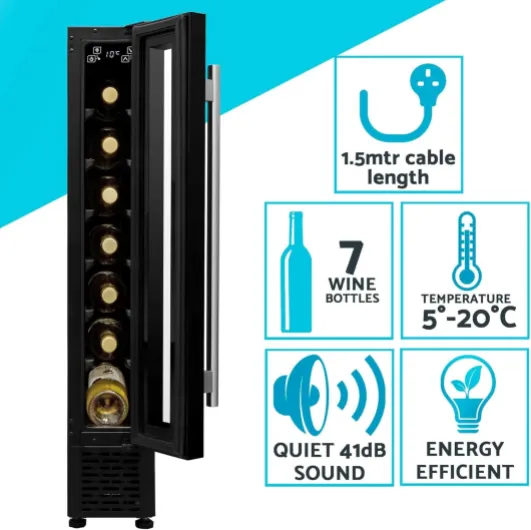
Evaluating the best under counter wine coolers starts with understanding core technical features rather than focusing only on aesthetics. The most important specification is the temperature range, which should typically span from about 5 °C to 20 °C for flexibility. This allows a single wine cooler to handle both crisp white wine and richer red wine without compromising either style.
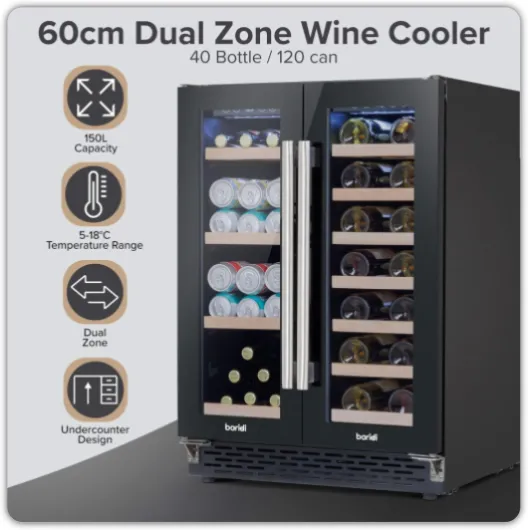
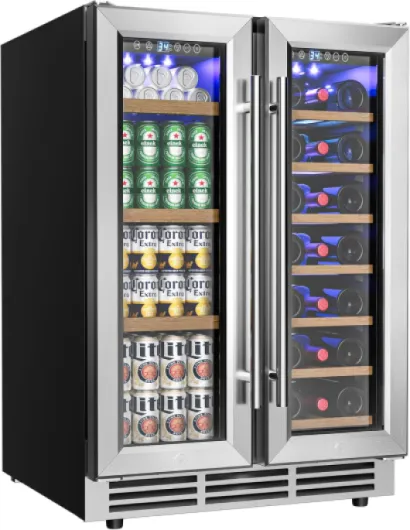
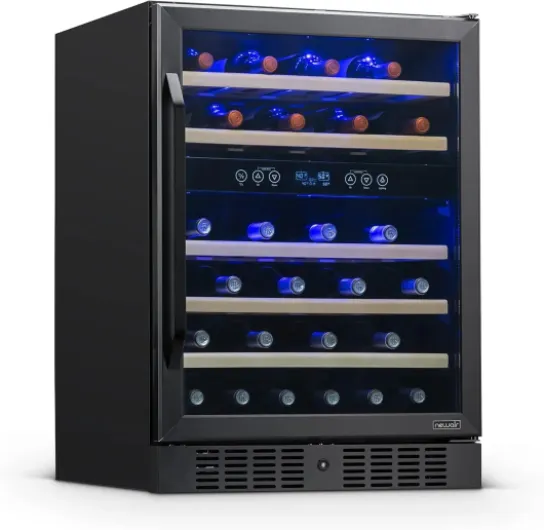
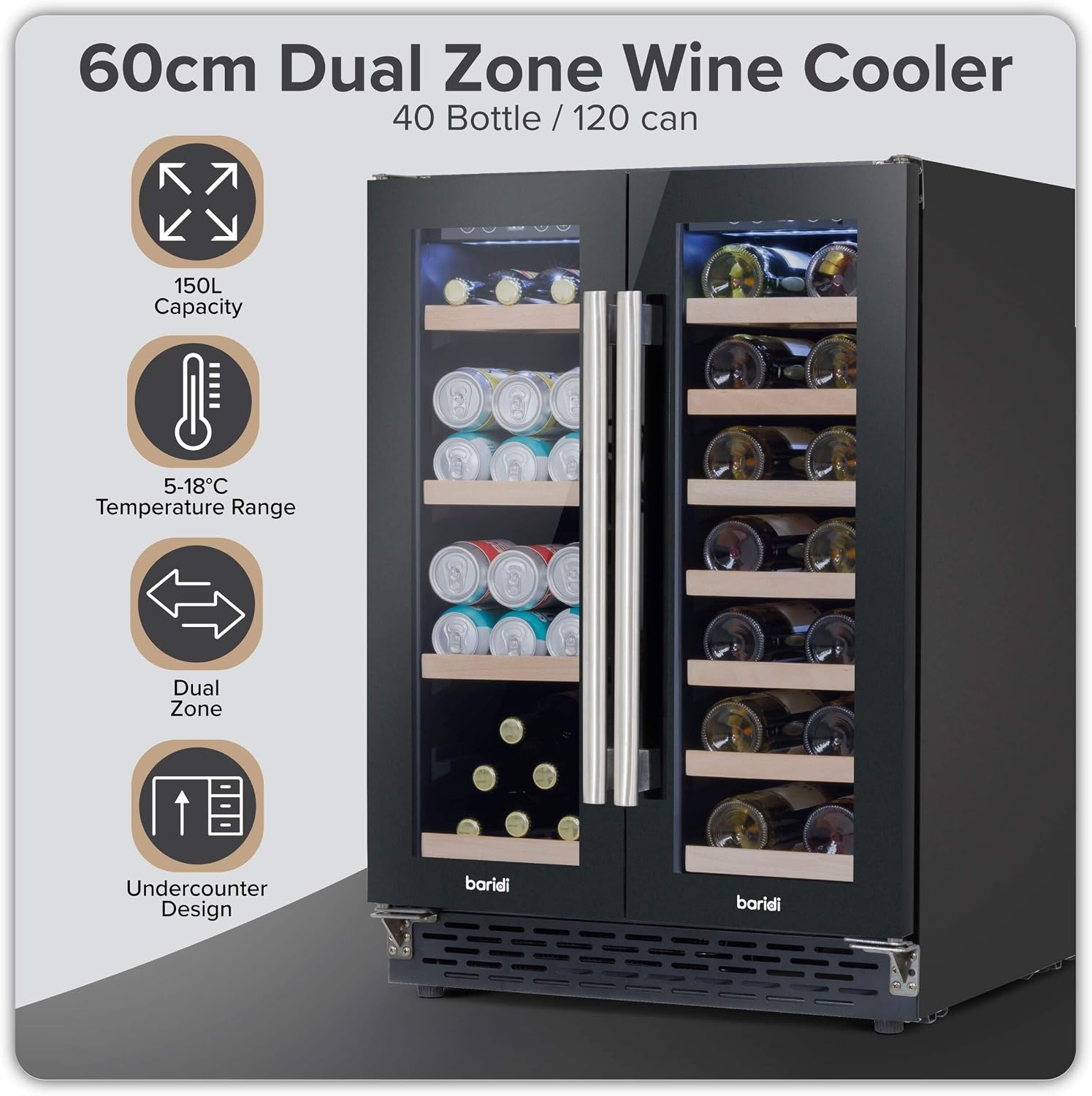
Many premium wine coolers offer a dual zone configuration, which effectively creates two independent climate pockets within one cabinet. In a dual zone wine fridge, you can dedicate one zone wine compartment to whites and rosés while reserving the second zone for reds that prefer slightly warmer conditions. This dual zone layout is especially valuable for a wine enthusiast who entertains frequently and needs several bottles ready for service at any moment.
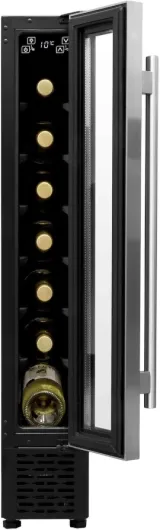
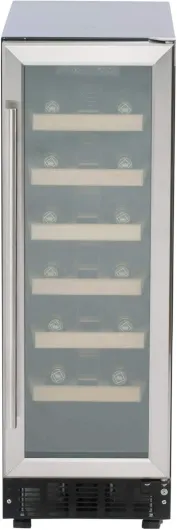
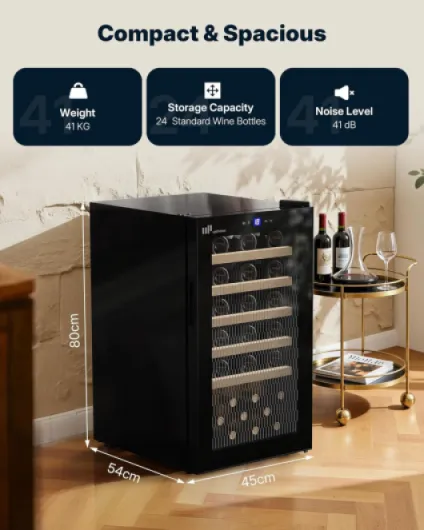
Capacity is another critical metric, and manufacturers usually express it in standard 750 millilitre bottles. However, real world capacity often differs from the stated bottle count because wider bottle wine formats and sparkling wine shapes reduce how many bottles fit on each shelf. When comparing coolers, pay attention to both the headline capacity and the internal layout, including shelf spacing, sliding mechanisms, and how the dimensions inches interact with your cabinetry.
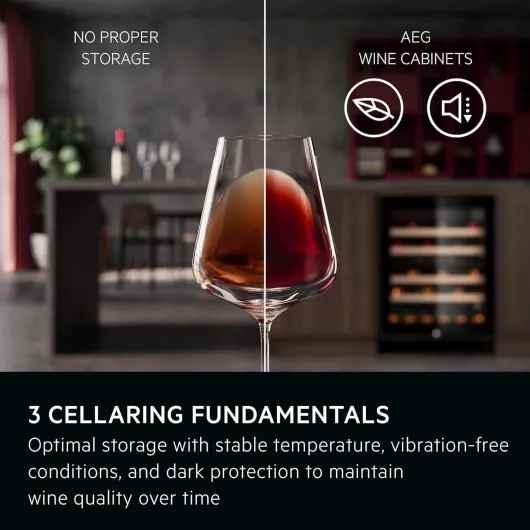
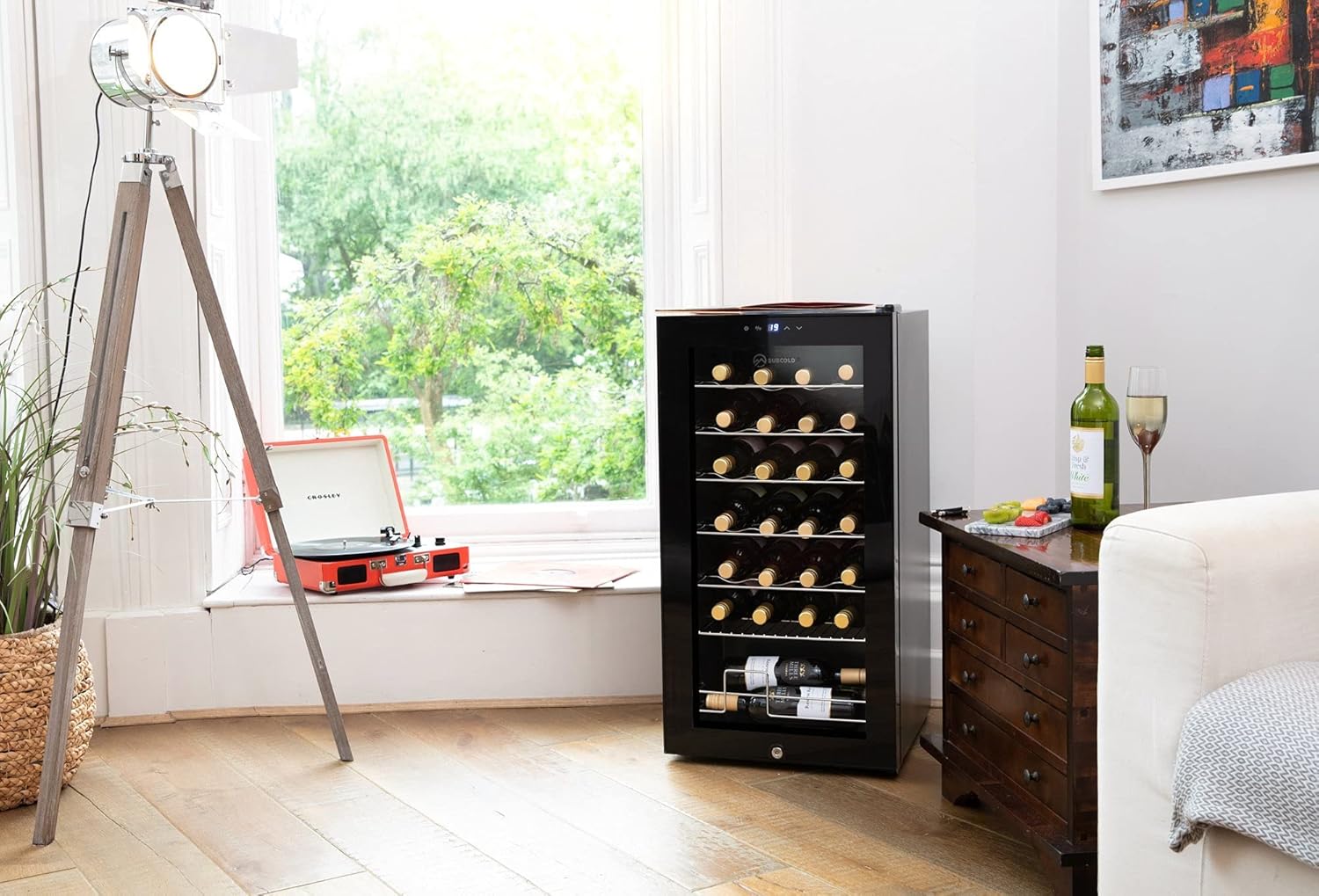
Other features that separate the best wine fridges from basic fridges include UV protected glass doors, low vibration compressors, and interior LED lighting that enhances the view of your collection. A clear view into the cabinet helps you monitor bottles without repeatedly opening the door and disturbing the cooling cycle. Soft lighting also turns the under counter installation into a subtle design feature rather than just another appliance.
Built in design, dimensions inches, and planning your kitchen space
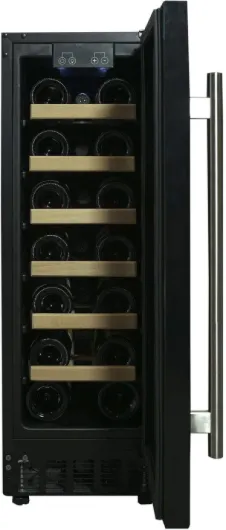
Under counter wine coolers must be treated as part of the kitchen architecture, not as afterthought appliances. A true built in wine fridge is designed for front ventilation, meaning the cooling system expels warm air through a grille at the base rather than from the rear. This built configuration allows the cooler to slide between cabinets without overheating or compromising cooling performance.
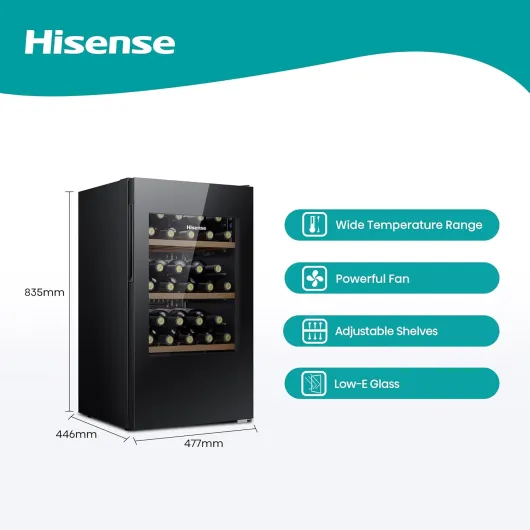
Before purchasing, measure the available space carefully and compare it with the stated dimensions inches for height, width, and depth. Remember that the door swing and handle projection also affect how the fridge interacts with adjacent cabinetry and traffic flow. Leaving a small tolerance around the built wine cabinet helps accommodate minor construction variances and ensures the cooler can be installed without forcing the frame.
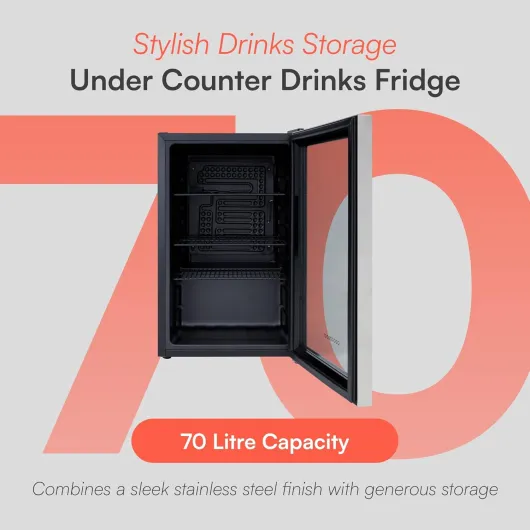
Homeowners often debate whether to allocate under counter space to a wine cooler, a beverage fridge, or additional storage drawers. The decision usually hinges on how frequently you serve wine versus other drinks and how much capacity you need for bottles. If you regularly host dinners with thoughtful food wine pairings, a dedicated wine fridge under the counter wine surface can streamline service and free the main fridge for ingredients.
Designers also consider visual balance, ensuring that fridges and coolers align with oven and dishwasher fronts. Matching handle styles and door finishes helps the wine cooler blend into a cohesive appliance suite. When done well, the best under counter wine coolers look like an intentional part of the kitchen rather than a retrofit.
Balancing capacity, price, and long term value
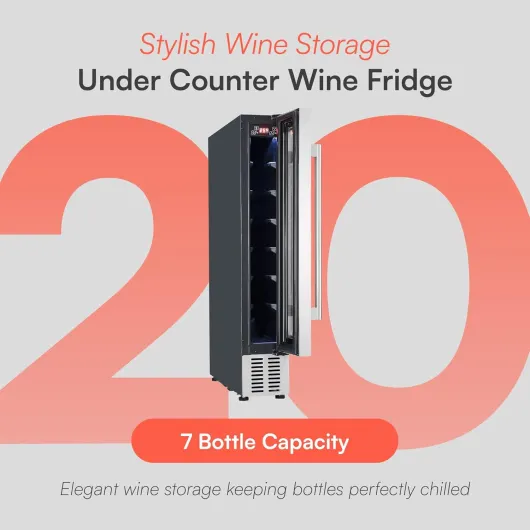
Choosing between different under counter wine coolers often comes down to a trade off between capacity and price. A compact wine fridge with room for 18 to 24 bottles may suit a small apartment, while a larger model holding 40 or more bottles better serves a growing collection. The key is to assess how many bottles you typically keep on hand and whether your wine enthusiasm is likely to expand.
Retailers usually list both a regular price and a sale price, which can make comparisons confusing. Instead of focusing solely on the lowest price regular, calculate the cost per bottle of protected storage and consider the quality of the cooling system. A slightly higher sale price may still represent the best value if the cooler maintains a stable temperature range and reduces the risk of spoilage.
Financing options and credit terms can also influence the decision, particularly for high end wine fridges that approach the cost of a small wine cellar. Some buyers prefer to pay cash, while others use credit strategically to spread the investment over time. Regardless of payment method, the central question remains whether the cooler’s features, capacity, and reliability justify the outlay.
For those balancing multiple purchases, it can help to read a detailed jump review that breaks down performance, noise levels, and build quality. Expert reviewers often compare several coolers side by side, highlighting which models truly merit the label of best wine cooler in their class. Combining these insights with your own space constraints and design goals leads to a more confident choice.
Performance, temperature control, and everyday user experience
Once installed, the real test of the best under counter wine coolers is how they perform in daily use. A high quality wine fridge should reach the target temperature range quickly and maintain it consistently, even when the door is opened during meal preparation. Compressors and fans must work together to circulate cool air evenly so that bottles on the top shelf age at the same pace as those below.
Dual zone models add another layer of complexity, because each zone must hold its set point without drifting when the other compartment cycles. In practice, this means a dual zone wine cooler should allow you to keep whites at around 8 °C while maintaining reds closer to 14 °C. Clear digital controls and a readable display make it easier to monitor both zones at a glance.
Noise is another factor that separates premium wine coolers from basic fridges, especially in open plan living spaces. A quiet cooling system ensures that the gentle hum of the fridge does not intrude on conversation or relaxation. Interior lighting, shelf design, and door ergonomics also shape the user experience, influencing how easily you can select a bottle wine for a quick glass or a full dinner.
For readers who are also considering storage outside the kitchen, it can be helpful to explore guidance on how to choose the best free standing wine racks for your collection. Combining a compact under counter wine fridge with a larger rack system or small wine cellar offers flexibility as your bottles accumulate. In this way, the under counter unit becomes the service station, while the additional storage handles long term aging.
How to read specifications and compare under counter models
Product sheets for under counter wine coolers can feel dense, but learning to interpret them empowers smarter choices. Start with the stated capacity in bottles, then look for any notes about mixed bottle sizes or reduced counts for sparkling wine. If the manufacturer provides a diagram of shelf spacing and dimensions inches, compare it with your typical bottle shapes to estimate realistic capacity.
Next, examine the temperature range and whether it supports both serving and short term storage for your preferred styles. A narrower range may be acceptable for a dedicated red wine fridge, while a broader span suits mixed collections and food wine entertaining. Pay attention to whether the controls allow fine adjustments in one degree increments, which can be important for sensitive wines.
Energy consumption, noise ratings, and warranty terms also deserve scrutiny, because they influence long term satisfaction and operating costs. A slightly higher regular price may be justified if the cooler runs more efficiently and carries a stronger warranty. When comparing sale price offers, verify that the discounted model still includes the same features and protections as the full price version.
Finally, consider how the fridge will integrate with your existing fridges and appliances, both visually and functionally. Matching handle styles, door swing direction, and built in trim kits can make the wine cooler feel like part of a unified design. For many buyers, the best under counter wine coolers are those that quietly support daily rituals while preserving every bottle with care.
Key statistics about under counter wine storage
- Up to 70 % of domestic wine purchases are consumed within a few days, yet dedicated storage like an under counter wine fridge significantly improves the stability of remaining bottles.
- Typical under counter wine coolers offer a capacity between 18 and 50 bottles, with real world storage often 10 to 20 % lower due to varied bottle shapes.
- Energy efficient wine fridges can reduce electricity consumption by approximately 15 to 25 % compared with older cooling appliances of similar size.
- Dual zone wine cooler models now account for a substantial share of premium under counter sales, reflecting growing interest in serving different styles at optimal temperatures.
- In many modern kitchens, built in fridges and coolers occupy less than 10 % of floor space while supporting the majority of beverage and wine service.