

Understanding argon and its role in wine preservation
What Makes Argon Unique for Wine Preservation?
Argon is an inert gas, commonly used in welding applications like TIG and MIG welding, but it has found a valuable place in wine preservation. Unlike oxygen, argon does not react with wine. This property is crucial because exposure to oxygen can quickly degrade the flavor and aroma of wine. When you introduce argon gas into an opened wine bottle, it forms a protective layer above the wine, preventing oxidation and helping to maintain the wine’s original character.
How Argon Compares to Other Gases
Many wine lovers may wonder why argon is preferred over other gases such as nitrogen or carbon dioxide. Argon is heavier than air, so it settles directly on top of the wine, creating an effective barrier. In contrast, nitrogen is lighter and may not provide the same level of protection. Argon’s inert nature also means it won’t alter the taste or bouquet of your wine, making it a top choice for both casual drinkers and collectors.
Industrial Roots and Wine Applications
Argon cylinders, tanks, and regulators are familiar sights in welding shops, where the gas is used for its stability in processes like TIG welding. These same industrial-grade argon products are now being adapted for wine preservation. You might see terms like "argon cylinder," "gas hose," or "flowmeter regulator"—all components that ensure the safe and precise delivery of argon into your wine bottle. Brands like Primeweld and various options on Amazon offer full bottles and ready-to-use packs, making it easier for wine enthusiasts to access high-quality argon gas for home use.
Understanding the Practical Aspects
- Price and Delivery: Argon is available in different cylinder sizes, measured in cubic feet (cuft). Prices vary depending on the size and brand, but many shops offer convenient delivery options for home users.
- Compatibility: Make sure your argon cylinder uses the correct CGA fitting and is compatible with your gas hose and regulator. This ensures a safe and effective application for both welding and wine preservation.
- Product Quality: Look for industrial-grade or food-grade argon to guarantee purity and safety when using it with wine.
For a deeper dive into how wine preserver gas like argon maintains wine quality, check out this comprehensive guide on wine preserver gas.
Why wine lovers choose argon over other preservation methods
Why argon stands out among wine preservation options
Wine lovers have several choices when it comes to keeping their opened bottles fresh. Among these, argon gas is gaining popularity for its unique properties and effectiveness. Unlike vacuum pumps or inert gas blends, pure argon is heavier than air and forms a protective layer over the wine, minimizing oxidation and preserving flavor. This makes it a preferred product for those who want to enjoy their wine over several days without compromising quality.
- Inert nature: Argon is an inert gas, which means it does not react with wine or its compounds. This is a key advantage over other gases sometimes used in wine preservation, like carbon dioxide or nitrogen.
- Industrial grade reliability: The same argon used in welding applications (such as TIG and MIG welding) is available in food-safe, industrial grade cylinders for wine preservation. Brands like Primeweld offer full bottles and ready-to-use packs, ensuring consistent quality.
- Ease of use: With a proper gas hose, flowmeter regulator, and compatible argon cylinder, applying argon to your wine bottle is straightforward. Many wine preservation kits use the same technology found in welding gas tanks, making them reliable and efficient.
- Cost considerations: While the price of argon can be higher than some alternatives, the investment pays off for wine enthusiasts who value flavor. Argon cylinders come in various sizes (from small cuft bottles to larger tanks), and can be found at specialty shops, welding supply stores, and even on Amazon.
Some common mistakes, such as using the wrong regulator or not sealing the bottle properly after applying argon, can reduce its effectiveness. For more on keeping your wine fresh after opening, check out these simple ways to reseal a wine bottle.
Ultimately, wine lovers choose argon for its proven ability to preserve wine’s aroma and taste, making it a trusted solution in both home and professional settings.
How to use a bottle of argon with your wine cooler
Step-by-step guide to using argon in your wine cooler
Using argon gas to preserve your wine’s flavor in a wine cooler is straightforward, but a few key steps ensure you get the best results. Argon, an inert gas, forms a protective layer over your wine, minimizing oxidation and keeping your wine fresh for longer. Here’s how to use a bottle of argon effectively with your wine cooler:
- Choose the right argon product: Select a food-grade argon cylinder or canister. Industrial grade argon, often used in welding (like TIG or MIG welding), is not recommended for wine preservation due to potential impurities. Look for brands that specify their product is safe for food and beverage use. Many shops and online retailers, including Amazon, offer argon gas bottles suitable for wine storage. Check the price, delivery options, and whether the cylinder is full ready for use.
- Gather your equipment: You’ll need the argon cylinder, a gas hose, and a flowmeter regulator. Some argon packs come with a built-in regulator and hose, while others require you to purchase these separately. Make sure your regulator fits the CGA (Compressed Gas Association) fitting on your cylinder. For most wine preservation needs, a small cuft (cubic foot) tank is sufficient.
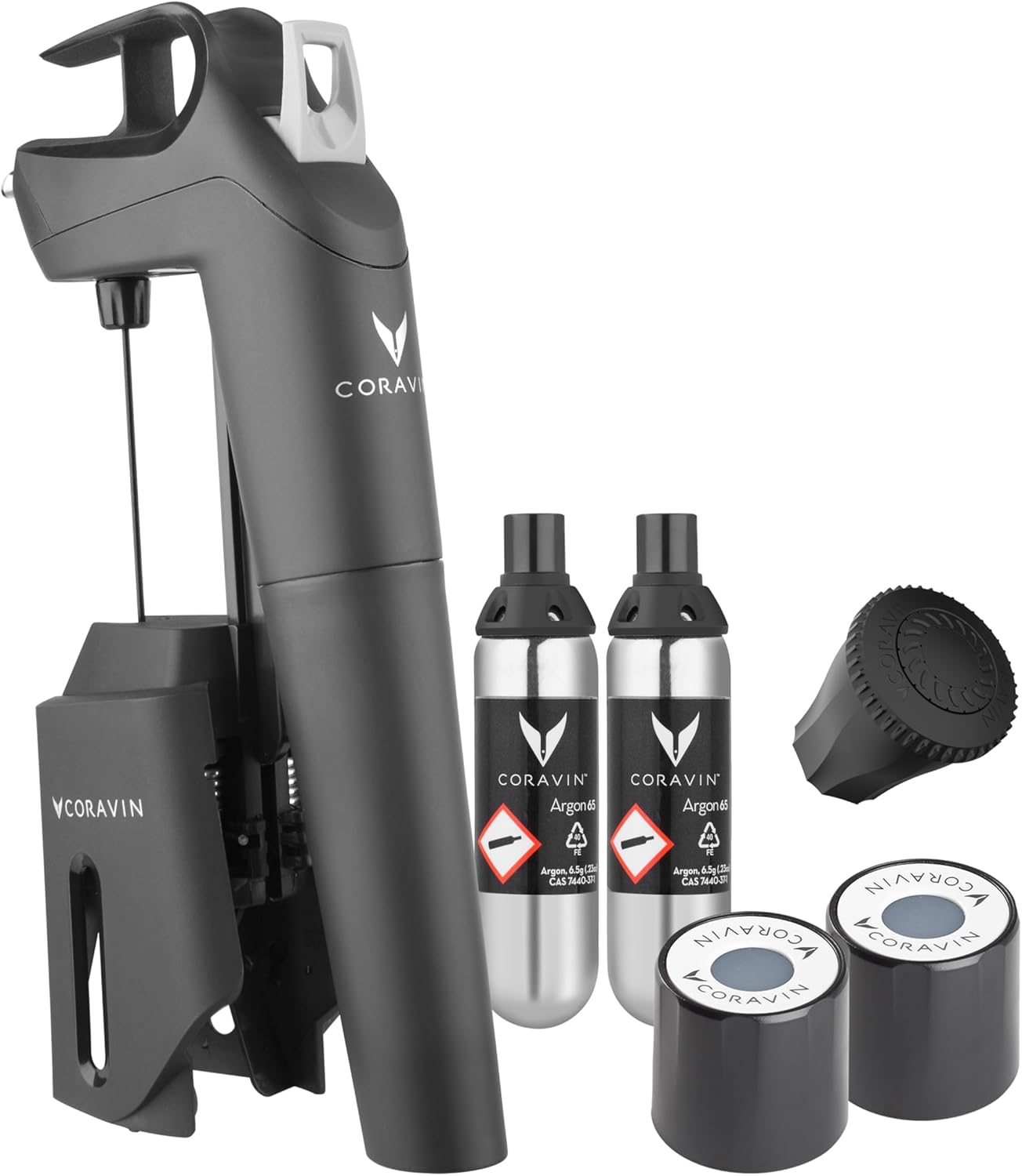
- Prepare your wine bottle: Open your wine bottle and pour your desired amount. Before resealing, insert the argon hose just above the wine’s surface. A gentle press on the regulator or valve will release a short burst of argon gas into the bottle. The inert gas will settle over the wine, displacing oxygen.
- Seal and store: After dosing with argon, reseal the bottle tightly. Place the bottle back in your wine cooler. The combination of a controlled environment and the protective argon layer helps maintain your wine’s flavor and aroma.
- Monitor your supplies: Keep an eye on your argon cylinder’s pressure gauge. When the tank is low, it’s time to shop for a refill or a new cylinder. Many brands offer convenient delivery and exchange services for empty gas tanks.
For wine enthusiasts interested in elevating their experience, pairing proper wine preservation with the right glassware can make a difference. Discover more about choosing the right decanter and wine glasses to complement your wine cooler setup.
| Argon Equipment | Purpose | Notes |
|---|---|---|
| Argon cylinder (food-grade) | Source of inert gas | Check for full bottle and food safety |
| Gas hose | Directs gas into bottle | Ensure compatibility with regulator |
| Flowmeter regulator | Controls gas flow | Match CGA fitting to cylinder |
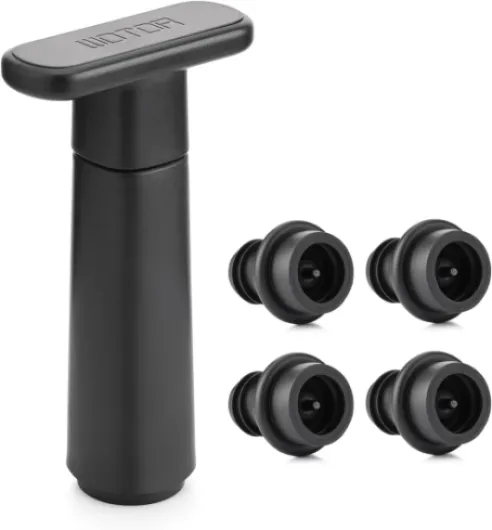
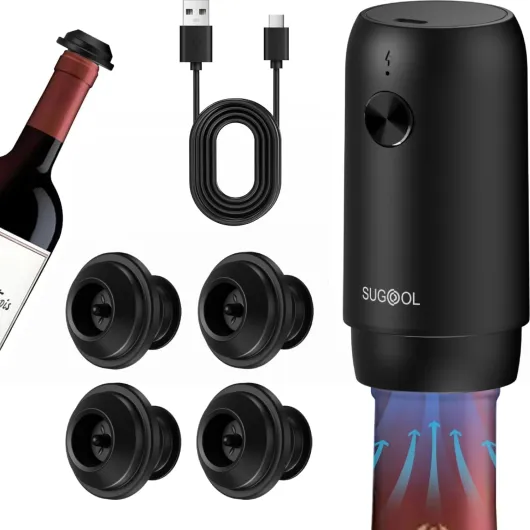
| Wine bottle stopper | Seals bottle after dosing | Use airtight for best results |
By following these steps, you can confidently use argon to protect your wine’s quality, whether you’re storing a single bottle or managing a collection in your wine cooler.
Common mistakes to avoid when using argon for wine storage
Typical pitfalls when handling argon for wine storage
Using argon to preserve wine is effective, but there are several mistakes that can reduce its benefits or even compromise your wine. Here are some of the most common issues to watch out for:
- Improper sealing after dosing: After introducing argon gas into the bottle, failing to reseal the wine properly can allow oxygen to seep in. Always use a high-quality stopper or closure designed for wine preservation.
- Incorrect dosage of argon: Using too little argon gas may not create a sufficient barrier, while using too much can be wasteful. Most brands recommend a short, controlled burst—refer to your product’s instructions for the right amount.
- Using non-food grade argon: Industrial grade argon, such as that used for welding (TIG, MIG), may contain impurities not suitable for food and beverage use. Always check that your argon cylinder or bottle is certified food grade before use.
- Confusing welding equipment with wine preservation tools: While argon is common in welding tanks, the regulators, hoses, and flowmeters for welding gas are not designed for wine bottles. Avoid using a TIG welder regulator or industrial gas hose for wine preservation.
- Ignoring storage conditions: Even with argon, wine should be stored at the right temperature and humidity. A wine cooler helps maintain optimal conditions, but don’t rely on argon alone to protect your wine.
- Not checking cylinder or bottle readiness: Make sure your argon cylinder or bottle is full and the regulator is functioning. A partially empty tank or faulty flowmeter regulator can lead to inconsistent results.
How to avoid wasting argon and money
- Monitor price and delivery options: When shopping for argon gas, compare prices and delivery terms from reputable shops or online retailers like Amazon. Look for brands that offer reliable shipping and clear information on cylinder size (cuft), pack options, and compatibility with your wine preservation system.
- Choose the right cylinder size: For home wine use, a small argon bottle or cylinder is usually sufficient. Industrial-sized tanks are more suited for welding or commercial applications and may be overkill for personal wine storage.
- Check for compatibility: Ensure your argon product fits your wine preservation device. Some systems require a specific CGA fitting or hose connection. Using the wrong type can lead to leaks or wasted gas.
Safety and maintenance reminders
- Store argon cylinders upright and away from heat sources.
- Inspect the gas tank, hose, and regulator regularly for leaks or damage.
- Never attempt to refill a disposable argon bottle; always follow manufacturer guidelines for replacement.
By avoiding these mistakes, you can ensure your argon gas works efficiently to preserve your wine’s flavor and aroma, making the most of your investment in both your wine and your preservation system.
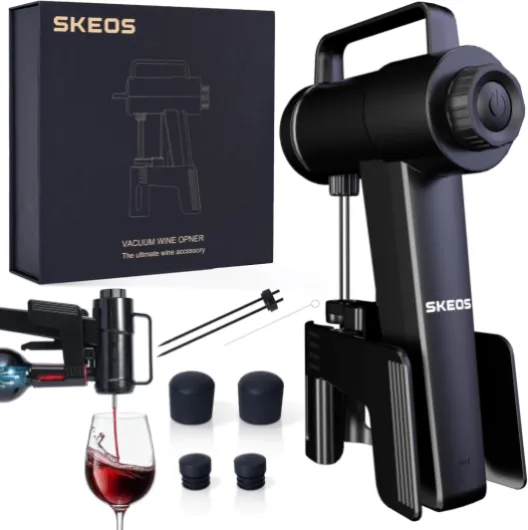
- + Easy extraction
- + No cork damage
- + Vacuum seal for freshness
- + Great for wine lovers
- + Stylish black design

Expert tips for maximizing the benefits of argon in wine coolers
Get the Most Out of Your Argon Bottle
- Check the regulator and hose connections: Before each use, inspect your gas hose, flowmeter regulator, and all fittings. A secure connection between your argon cylinder and wine bottle prevents leaks and ensures the inert gas fully protects your wine’s flavor.
- Use industrial grade argon: Opt for a product labeled as industrial grade or food safe. Brands that supply argon for welding, such as Primeweld, often offer high-purity gas suitable for wine preservation. Always verify the specifications before purchase.
- Monitor your gas tank pressure: A full bottle of argon will last longer and provide consistent results. Keep an eye on the pressure gauge of your gas tank or cylinder, especially if you use it for both wine and tig welding or mig welding applications.
- Store your argon cylinder properly: Keep your gas cylinder upright and away from direct sunlight or heat sources. Steel tanks and cylinders should be stored in a cool, dry place to prevent corrosion and maintain gas quality.
- Buy from reputable shops: Whether you shop online at Amazon or a local welding gas supplier, compare price, delivery options, and pack sizes. Look for brands with positive reviews and clear information about cuft capacity, cga fittings, and compatibility with your wine cooler or welding tank setup.
Pro Tips for Wine Lovers and DIY Enthusiasts
- Use short bursts: When applying argon to your wine bottle, a quick, controlled burst is enough. Overfilling can waste gas and may not improve preservation.
- Label your tanks: If you use argon for both wine and welding (mig tig or gas tig), clearly label each tank to avoid cross-contamination. A dedicated bottle for wine ensures purity.
- Track your usage: Keep a log of how often you use your argon bottle with your wine cooler. This helps you anticipate when you’ll need a refill or a new cylinder, avoiding interruptions in wine storage.
- Consider cylinder size: For frequent use, a larger tank (higher cuft) offers better value. For occasional use, a smaller, portable bottle tig or mig tank may be more practical.
By following these expert tips, you can maximize the benefits of argon gas in your wine cooler and enjoy every bottle at its best. Always prioritize safety and quality when handling any gas cylinder or welding tank product.
Frequently asked questions about argon and wine preservation
Is argon safe for preserving wine?
Argon is an inert gas, which means it does not react with wine or its components. This makes it a safe choice for wine preservation. Industrial grade argon is commonly used in welding, such as TIG and MIG welding, and is considered food safe when sourced from reputable brands. Always ensure your argon cylinder is clean and intended for food or beverage use.Can I use welding argon for wine preservation?
While the gas itself is the same, not all welding gas tanks or bottles are suitable for wine. Welding tanks may contain residues or contaminants from previous industrial use. If you choose to use a welding tank, make sure it is a full ready, new, or thoroughly cleaned cylinder. Look for argon gas labeled as food grade or beverage grade for best results.How long does a bottle of argon last?
The lifespan of an argon cylinder depends on its size (measured in cuft) and how often you use it. A small bottle can last several months for home use, while larger tanks are more common in commercial settings. The price of argon and delivery options can vary by shop and region. Always check the product details and compare brands before buying.What equipment do I need to use argon with my wine cooler?
You will need:- An argon cylinder or tank (food or beverage grade)
- A gas hose and flowmeter regulator (with the correct CGA fitting for your cylinder)
- Optional: a pack of replacement gas hoses or a steel regulator for long-term use
Can I buy argon for wine preservation on Amazon?
Yes, several brands offer argon gas cylinders and related products on Amazon. Always check product reviews, the type of gas (inert gas, industrial grade, or beverage grade), and whether the cylinder is full. Compare price, delivery options, and pack sizes to find the best fit for your needs.What are the most common mistakes when using argon?
- Using a contaminated or industrial-only gas tank
- Not using a proper flowmeter regulator or gas hose
- Overusing or underusing the gas, which can affect wine preservation
- Improper storage of the argon cylinder