Understanding why open wine spoils
Why Wine Changes After Opening
Once you open a bottle of wine, it starts to interact with oxygen in the air. This process, called oxidation, is the main reason why opened wine loses its freshness and flavor. Oxygen can help a wine open up and release its aromas, but too much exposure will quickly lead to spoilage. The delicate balance between enjoying a wine at its best and keeping it fresh for later is at the heart of wine preservation.
The Role of Oxygen and Other Factors
Oxygen isn’t the only factor that affects how long your wine stays fresh after opening. Temperature, light, and even the type of wine—red wine, white wine, or sparkling wine—play a role in how quickly a wine will spoil. For example, sparkling wines lose their bubbles rapidly, while red wines may oxidize more slowly than whites. The preservation system you use, such as a simple cork or a more advanced system like Coravin Timeless, can also make a big difference in keeping your wine fresh longer.
Understanding Wine Preservation Systems
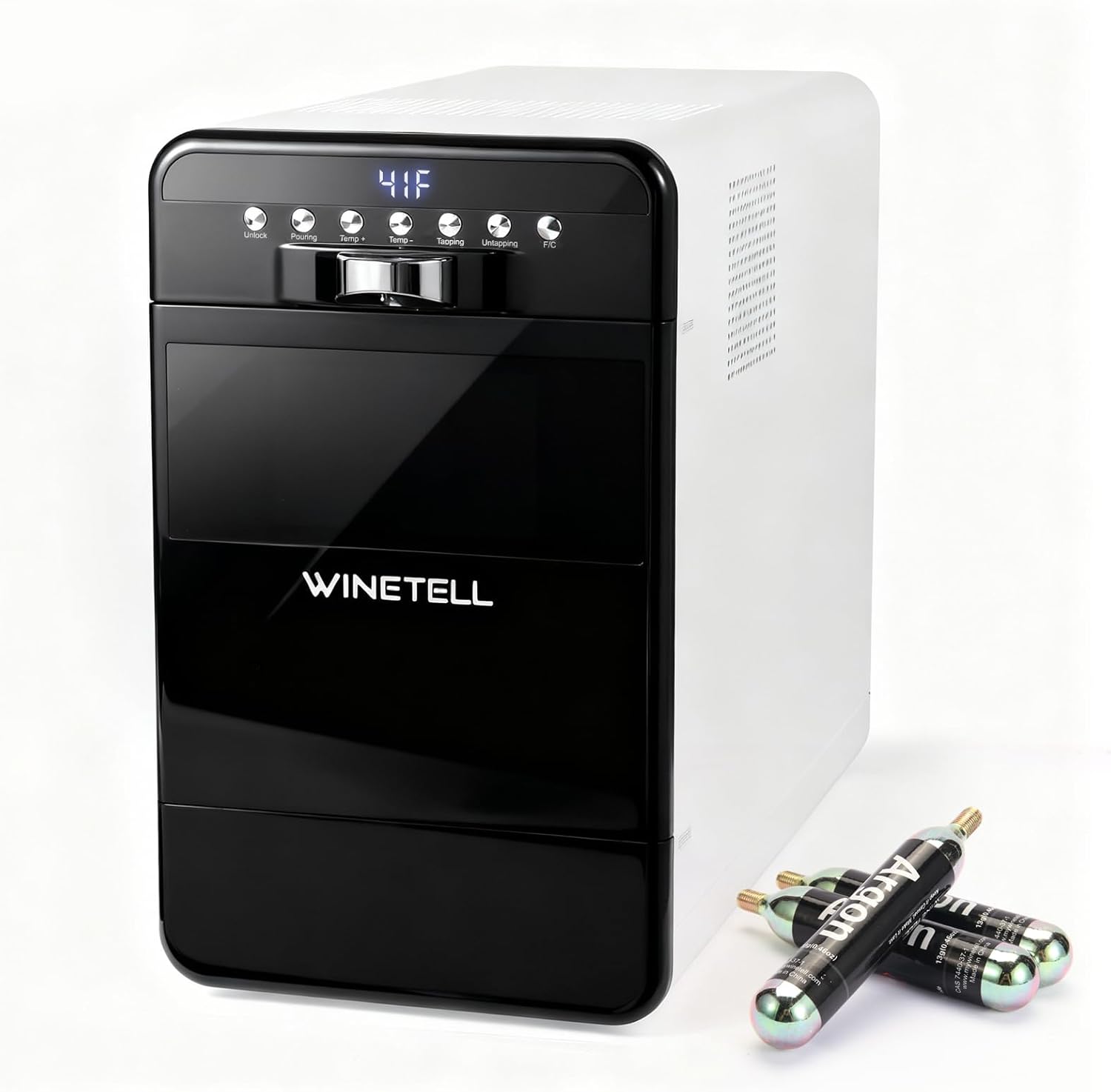
Many wine lovers turn to wine preservation systems to help keep opened bottles tasting their best. Some systems use inert gas to protect the wine from oxygen, while others create a physical barrier. The best method depends on your needs and how long you plan to keep the wine after opening. If you’re interested in learning more about how humidity and storage conditions impact wine preservation, check out this guide on choosing the right humidifier for your wine cellar.
- Oxygen exposure is the main reason wine spoils after opening
- Temperature, light, and wine type also affect preservation
- Using the right preservation system can help keep wine fresh longer

Choosing the right storage conditions
Ideal Environment for Opened Wine
After opening a bottle, the way you store wine plays a huge role in how long it will stay fresh. The main enemies of wine preservation are oxygen, light, heat, and humidity. Each of these factors can speed up the spoilage process, affecting both the taste and aroma of your wine.
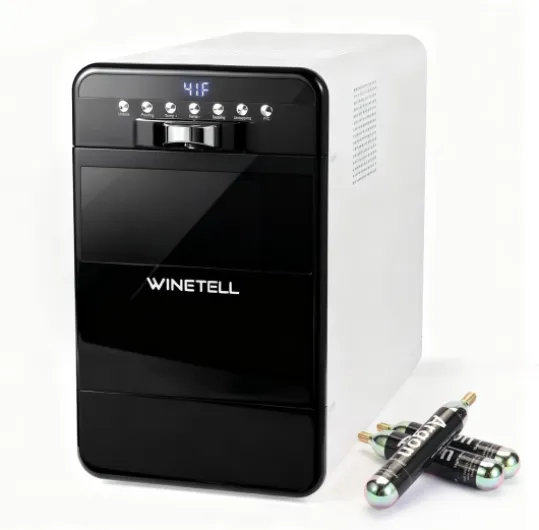
- Temperature: Keep opened bottles in a cool environment. A wine fridge is ideal, as it maintains a steady temperature between 45°F and 65°F. Regular refrigerators work for short-term storage, but avoid storing wine at room temperature, as heat accelerates oxidation.
- Light: Store your opened bottle in a dark place. Light, especially sunlight, can break down compounds in wine, leading to unpleasant flavors. A cupboard or wine fridge with UV protection is best.
- Humidity: While humidity is more crucial for long-term storage of corked bottles, it still matters for opened wine. Too little humidity can dry out corks, allowing more oxygen in. For those storing multiple bottles, consider using a humidifier for your wine cellar to maintain optimal conditions.
For sparkling wines, keeping them cold is especially important to preserve the bubbles. Red wine can be stored at slightly warmer temperatures than white wine, but both benefit from being kept cool and away from light. Using the right preservation system and storing your bottles properly will help keep wine fresh for several days after opening.
Effective sealing methods for open bottles
Sealing Techniques to Limit Oxygen Exposure
Once a bottle of wine is opened, oxygen becomes its biggest enemy. Oxygen can quickly alter the flavors and aromas, making it essential to use effective sealing methods. The goal is to keep wine fresh by limiting oxygen contact, whether you’re storing red wine, white wine, or even sparkling wines.
- Re-corking: The simplest way is to push the original cork back into the opened bottle. If the cork is damaged, use a reusable stopper designed for wine preservation. Always insert the cork with the clean side facing the wine to avoid contamination.
- Vacuum Pumps: These systems remove air from the bottle, creating a partial vacuum. This slows oxidation and helps preserve wine for a few extra days. Vacuum pumps are widely available and easy to use, making them a popular choice for many wine lovers.
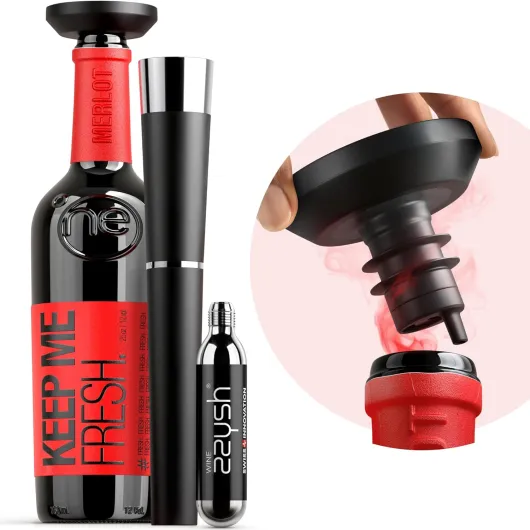
- Inert Gas Systems: Spraying inert gas (like argon or a blend of gases) into the bottle displaces oxygen, forming a protective layer over the wine. This method is especially effective for both red and white wine. For a deeper dive into how these systems work, check out this article on the role of wine preserver gas.
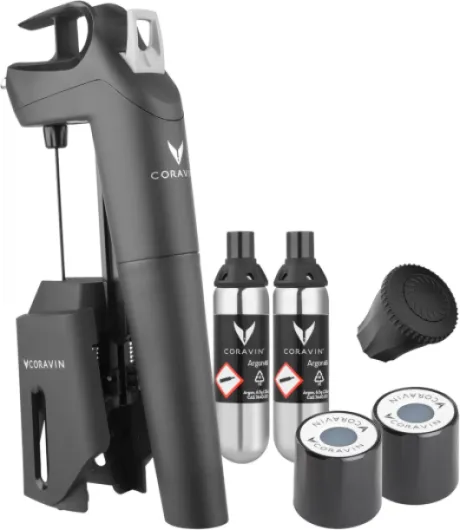
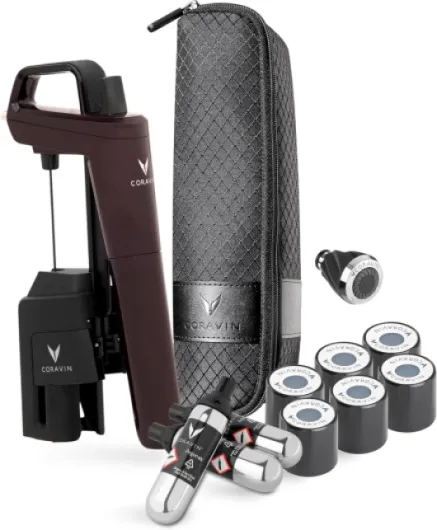
- Wine Preservation Systems: Advanced devices like the Coravin Timeless system allow you to pour wine without removing the cork. A thin needle pierces the cork, and inert gas is injected to keep the remaining wine fresh longer. This is ideal for preserving high-quality bottles or when you only want a single glass at a time.
- Special Stoppers for Sparkling Wine: Sparkling wines require airtight stoppers that can withstand pressure. These stoppers help maintain the bubbles and keep sparkling wine lively for a few days after opening.
Choosing the best sealing method depends on the type of wine, how long you plan to store the opened bottle, and your budget. For those who enjoy a glass at a time, investing in a quality wine preservation system can make a noticeable difference in keeping opened wine fresh. For more tips on how to store wine after opening, including the impact of temperature and light, you might find this guide for wine enthusiasts helpful.
How long can you keep open wine?
How Long Does Opened Wine Stay Fresh?
The length of time you can keep an opened bottle of wine fresh depends on several factors, including the type of wine, how you store it, and the preservation system you use. Oxygen is the main culprit behind wine spoilage after opening, so minimizing its contact with the wine is crucial for preservation.
- Red wine: Typically stays fresh for 3 to 5 days after opening if you re-cork the bottle and store it in a cool, dark place. Using a wine fridge can help extend freshness by keeping the temperature stable.
- White wine and rosé: These wines are more sensitive to oxygen and should be kept in the fridge after opening. They usually last 3 to 5 days, but some lighter styles may start to lose their character after just 2 days.
- Sparkling wine: Sparkling wines lose their bubbles quickly once opened. With a proper sparkling wine stopper, you can keep them fresh for 1 to 3 days. Without a stopper, the fizz may disappear within hours.
- Fortified wines: Wines like Port or Sherry have higher alcohol content, which helps them last longer—sometimes up to a month after opening, especially if stored in a cool, dark place and sealed tightly.
Wine preservation systems, such as vacuum pumps or inert gas sprays, can help keep wine fresh longer by reducing oxygen exposure. Advanced systems like Coravin Timeless allow you to pour wine without removing the cork, preserving the remaining wine for weeks or even months.
Remember, even with the best preservation methods, opened wine will eventually lose its freshness. Always check for changes in aroma, taste, or appearance before enjoying another glass from an opened bottle.
Tools and gadgets to help preserve open wine
Essential gadgets for keeping wine fresh longer
After opening a bottle, the right tools can make a big difference in how long your wine stays fresh. Oxygen is the main enemy of wine preservation, so using gadgets that limit its contact with your wine is key. Here are some of the best systems and devices to help you keep opened bottles tasting their best for days, or even weeks:
- Vacuum pumps: These simple devices remove air from the opened bottle, slowing down oxidation. They are affordable and easy to use, making them a popular choice for everyday wine drinkers. However, they are not ideal for sparkling wines, as they can strip away bubbles.
- Inert gas sprays: These sprays use food-safe gases like argon or nitrogen to create a protective layer over the wine. This method is effective for both red and white wine, and helps preserve wine flavor and aroma. Just a quick spray before sealing the bottle can keep wine fresh longer.
- Wine preservation systems: Advanced systems like the Coravin Timeless allow you to pour wine without removing the cork. They use a thin needle and inert gas to extract wine, keeping the rest of the bottle untouched by oxygen. This is ideal for collectors or anyone who wants to enjoy a glass without committing to the whole bottle.
- Specialty stoppers and corks: There are stoppers designed specifically for sparkling wine and sparkling wines. These create a tight seal to maintain carbonation and keep the wine from going flat. For still wines, silicone or vacuum stoppers work well to keep air out.
- Wine fridges: Storing opened bottles in a wine fridge at the right temperature and humidity helps slow down spoilage. This is especially important for white wine and sparkling wines, which are more sensitive to temperature changes.
Choosing the best preservation system depends on your wine habits. If you open bottles frequently but don’t finish them in one sitting, investing in a quality system or fridge will help you keep wine fresh and enjoy every glass. Remember, even with the best gadgets, storing your opened bottle in a cool, dark place is essential for maximum freshness.
Common mistakes to avoid when storing open wine
Frequent Errors That Shorten Wine Freshness
- Leaving the bottle open too long: After wine opening, oxygen quickly starts to impact the flavor and aroma. Even a short time exposed can reduce how long your wine stays fresh. Always reseal the bottle wine as soon as possible.
- Improper sealing: Simply pushing the original cork back in is not always effective. Air can still seep in, especially if the cork is damaged. Using a dedicated wine preservation system or a vacuum pump helps keep wine fresh longer.
- Storing at room temperature: Opened wine bottles left out on the counter will spoil faster. The best way to preserve wine is to store opened bottles in a wine fridge or at least in a cool, dark place. This slows down oxidation and helps maintain the wine’s character.
- Mixing up storage for different wines: Red wine, white wine, and sparkling wines all have different preservation needs. Sparkling wine, for example, loses bubbles quickly if not sealed with a proper stopper. Red wine can be kept slightly warmer than white, but both benefit from cooler storage.
- Ignoring preservation systems: There are many tools designed to keep opened wine fresh, from inert gas sprays to advanced systems like Coravin Timeless. Not using these can mean your wine spoils in just a few days, especially if you don’t finish the bottle quickly.
- Reusing dirty corks or stoppers: A dirty cork or stopper can introduce unwanted flavors or bacteria. Always use clean, food-safe materials when resealing your bottles.
- Forgetting about the bottle: Even with the best preservation system, opened wine won’t last forever. Most wines are best within a few days of opening, though some systems can extend this. Make a habit of checking the wine’s aroma and taste before pouring a glass from an opened bottle.
| Mistake | Impact on Wine | Better Practice |
|---|---|---|
| Leaving bottle open | Accelerates oxidation | Seal immediately after pouring |
| Improper sealing | Allows oxygen in | Use vacuum or inert gas system |
| Room temperature storage | Speeds up spoilage | Store in wine fridge or dark place |
| Wrong stopper for sparkling wine | Loses carbonation | Use a dedicated sparkling wine stopper |
| Dirty corks/stoppers | Off flavors, contamination | Always use clean, food-safe closures |
By avoiding these common mistakes, you can keep your opened wine bottles tasting their best for as long as possible. The right preservation systems, storage conditions, and sealing methods all play a role in extending the life of your wine after opening.