
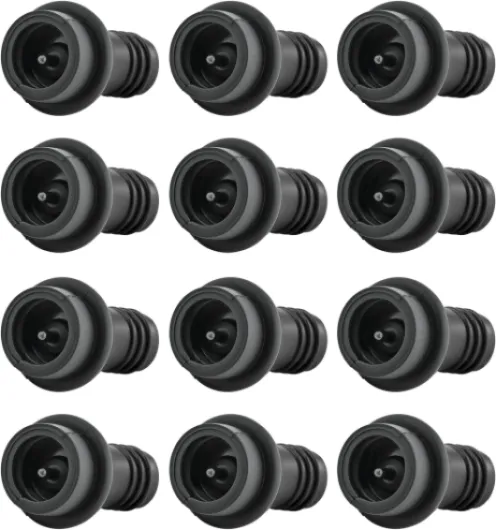

Understanding why recorking matters
Why Properly Sealing Your Wine Matters
After opening a bottle of wine, exposure to air starts a process called oxidation. This can quickly change the flavors and aromas, sometimes within just a day or two. Whether you’re enjoying a glass of red, white, or sparkling wine, recorking is essential for wine preservation. The right approach can help keep your wine fresh, so you can enjoy the rest of the bottle later without losing quality.
When you pour wine into a glass, oxygen gets inside the bottle. While a little air can help open up the flavors, too much will spoil the wine. That’s why customers who want to enjoy wine over several days need to recork wine bottles properly. Using a cork, wine stopper, or even plastic wrap and a paper towel can help reseal wine and slow down oxidation. Each method has its pros and cons, which we’ll discuss further.
For sparkling wine, the stakes are even higher. Once you open the bottle, bubbles start to escape, and the wine can go flat fast. Recorking sparkling wine with the right closure is crucial to keep the fizz and flavor intact.
It’s also important to consider the type of wine and how you plan to store it. Some wines are more delicate and need extra care. If you’re looking for advanced ways to reseal a bottle, a power sealer for wine bottles can make a big difference in maintaining freshness and quality.
Understanding why recorking matters is the first step. Next, you’ll want to choose the right cork or closure, learn the best way to recork, and avoid common mistakes. With the right knowledge, you can make the most of every bottle wine you open.

Choosing the right cork or closure
Picking the Best Closure for Your Wine
After opening a wine bottle, choosing the right closure is key for wine preservation. The type of cork or closure you use will impact how long your wine stays fresh and how well it maintains its flavors. Not all wines or bottles are the same, so your approach to recorking should match the wine and your needs.
- Original cork: If the cork is in good shape, you can reuse it. Wipe it with a paper towel to remove any wine residue before you push the cork back in. Insert the stained side into the bottle to avoid contaminating the wine.
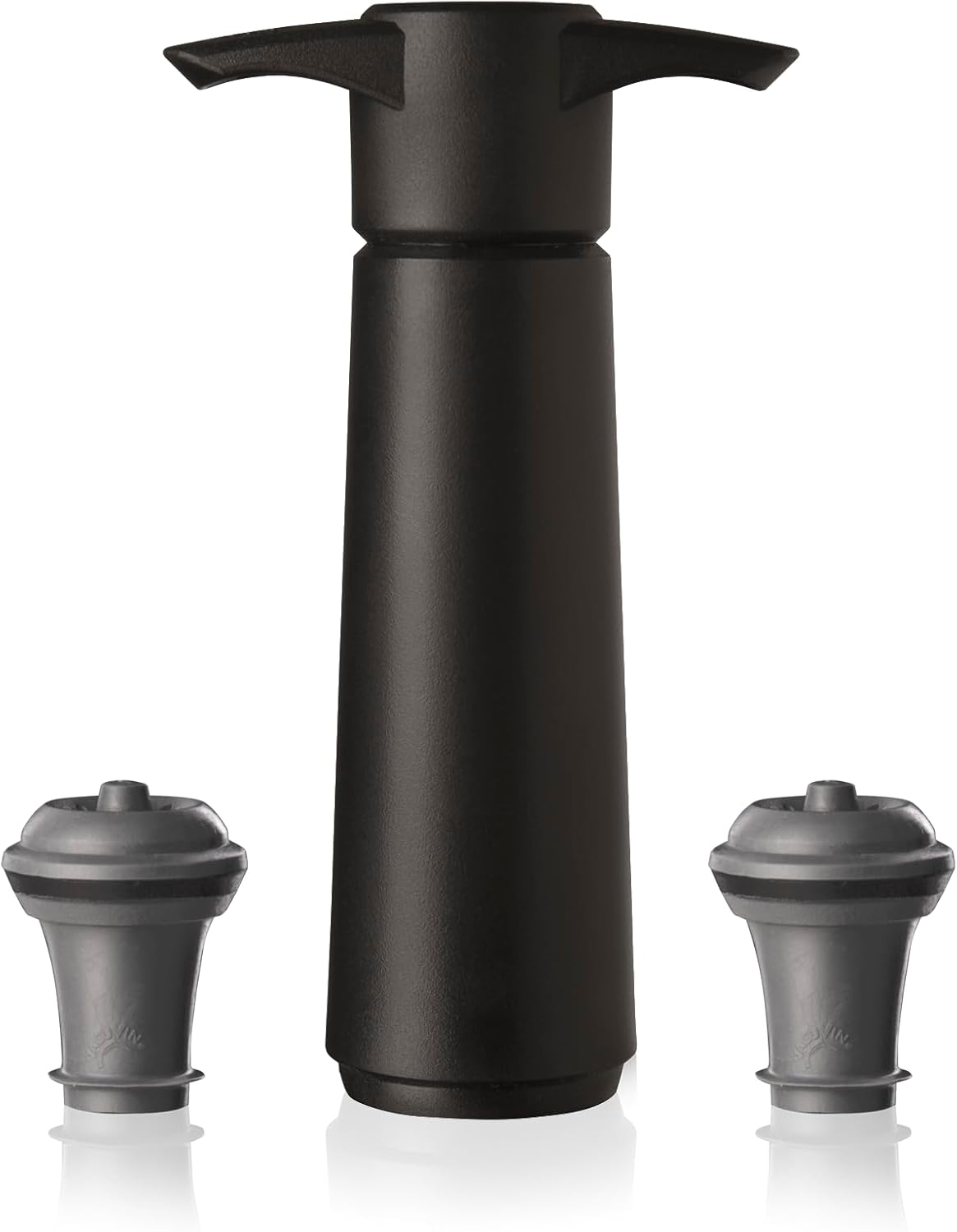
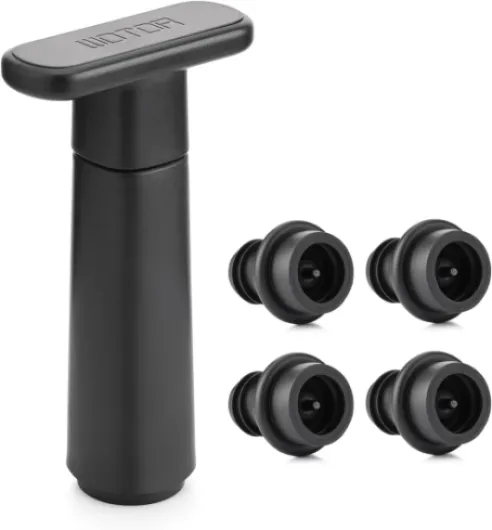
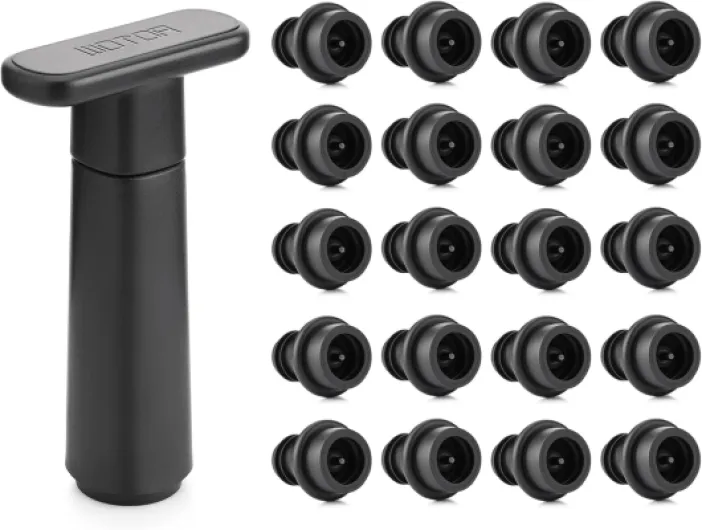
- Wine stopper: For a quick and reliable seal, a wine stopper is a popular choice. These are designed to fit most wine bottles and are especially useful for sparkling wine, as they help maintain the bubbles.
- Plastic wrap and paper: In a pinch, you can use plastic wrap or wax paper over the top of the bottle, secured with a rubber band. This is not ideal for long-term storage, but it can help reseal wine for a short period.
- Screw caps: Some bottles come with screw caps, making resealing simple. Just twist the cap back on tightly after pouring your wine glass.
For sparkling wines, always use a closure designed for pressure, like a sparkling wine stopper. Regular corks or stoppers may not hold the carbonation and could pop off unexpectedly.
Remember, the goal is to minimize air exposure. The less air that gets into your bottle, the longer your wine will stay enjoyable. If you want more ways to reseal and keep your wine fresh, check out these best practices for keeping wine fresh after opening.
Step-by-step guide to recorking wine
How to properly reseal your wine bottle
Recorking a wine bottle is a simple process, but doing it right can make a big difference in wine preservation. Whether you’re dealing with still wines or sparkling varieties, following the right steps helps keep your wine fresh for longer. Here’s a clear guide to help you recork wine after opening.
- Clean the bottle neck: Before you recork, wipe the bottle opening with a paper towel or clean cloth. This removes any wine residue or debris that could affect the seal.
- Choose your closure: If you still have the original cork and it’s in good shape, use it. Otherwise, a wine stopper or even a piece of wax paper wrapped around the cork can help create a tighter fit. For sparkling wine, use a stopper designed for sparkling bottles to handle the pressure.
- Insert the cork or stopper: Place the cork’s clean end (the one that was inside the bottle) back into the bottle. Gently push cork in with a twisting motion. If it’s too tight, use a piece of wax paper or plastic wrap to help it slide in smoothly. Avoid forcing the cork, as this can break the glass or crumble the cork.
- Seal tightly: Make sure the cork or stopper is flush with the top of the bottle. This helps prevent air from entering and keeps your wine fresher. For wines with screw caps, simply screw the cap back on tightly.
- Store upright: Once recorked, keep the bottle upright in your wine cooler. This reduces the wine’s contact with air and helps maintain its quality.
For those who enjoy collecting or serving larger bottles, there are smart reasons to choose magnum bottles as they often preserve wine better after opening. Remember, using the right method to recork wine can extend its life and let you enjoy every glass at its best.
Common mistakes to avoid when recorking
What Often Goes Wrong When Recorking Wine
Recorking a wine bottle might seem simple, but there are a few common mistakes that can impact the freshness and quality of your wine. Avoiding these pitfalls will help you get the most out of every bottle, whether it’s a delicate white, robust red, or sparkling wine.
- Using the wrong cork or closure: Not all corks fit every bottle. Forcing a dry or oversized cork can damage the bottle neck or let air in, which speeds up oxidation. Make sure the cork or wine stopper matches the bottle’s opening and is clean.
- Pushing the cork in upside down: The stained end of the cork has already been in contact with the wine and may have absorbed flavors or bacteria. Always reinsert the clean end into the bottle to avoid contamination.
- Skipping a clean surface: If you drop the cork or touch it with dirty hands, you risk introducing unwanted flavors or bacteria. Wipe the cork with a paper towel or wax paper before recorking.
- Not sealing sparkling wine properly: Sparkling wines need a special stopper to maintain pressure. Using a regular cork or plastic wrap won’t keep the bubbles in. For these bottles, always use a dedicated sparkling wine stopper.
- Leaving too much air in the bottle: After pouring a glass, the remaining air in the bottle can cause the wine to oxidize faster. If possible, pour the wine into a smaller bottle or use a wine preservation system to minimize air exposure.
- Forgetting to store recorked wine upright: Once you recork wine, keep the bottle upright in your wine cooler. This prevents leaks and limits the wine’s contact with air.
By paying attention to these details, you can extend the life of your opened wines and enjoy every glass at its best. Customers who take care with recorking and storage often find their bottles stay fresher, even after multiple openings.
Storing recorked wine in your wine cooler
Optimal storage conditions for recorked bottles
Once you have managed to recork wine after opening, the way you store the bottle will make a big difference in how long the wine stays fresh. A wine cooler is one of the best tools for wine preservation, especially for those who enjoy savoring a bottle over several days. Unlike a regular fridge, a wine cooler maintains a stable temperature and humidity, which helps prevent the cork from drying out and keeps the flavors of your wine intact.
Positioning and handling recorked wine
After you reseal wine with the original cork, a wine stopper, or even a piece of wax paper or plastic wrap, make sure the bottle is stored upright in your wine cooler. This reduces the risk of leaks, especially if you used a paper towel or wax paper to help push cork back into the bottle. For sparkling wine, keeping the bottle upright also helps maintain the bubbles for a bit longer.
- Always check that the cork or closure is secure before placing the bottle in your wine cooler.
- If you recorked with a paper towel or plastic wrap, avoid laying the bottle on its side to prevent spills.
- Keep recorked bottles away from strong-smelling foods, even in a wine cooler, as wine can absorb odors through the cork.
How long will recorked wine last?
Most recorked wines will stay fresh for 2 to 5 days in a wine cooler, depending on the type of wine and how well you reseal bottle. Lighter wines and sparkling wines are more sensitive and should be enjoyed sooner. If you notice any off smells or flavors when you pour a glass, it is best to finish the bottle rather than risk disappointment.
Tips for customers using wine coolers
Wine coolers are designed to help you get the most out of every bottle wine. Whether you are storing a single open bottle or several wine bottles, keeping them at the right temperature and humidity will slow down oxidation and preserve the wine’s character. For those who share their wine experiences on Facebook or Instagram, a wine cooler also keeps your bottles looking organized and ready for your next pour.
When to finish the bottle instead of recorking
Recognizing When to Skip Recorking
Sometimes, recorking a wine bottle isn’t the best option. While resealing with a cork, wine stopper, or even plastic wrap can help preserve many wines, there are situations where finishing the bottle is the smarter move for both taste and safety.
- Sparkling wines: Once you open a bottle of sparkling wine, the bubbles start to escape quickly. Even with a specialized sparkling wine stopper, the fizz will fade within a day or two. If you want to enjoy the full experience, pour the remaining glasses soon after opening.
- Older wines: Mature wines can be delicate. After bottle opening, exposure to air can rapidly change their flavors. Recorking might not prevent oxidation, so it’s often best to finish these bottles the same day.
- Small amounts left: If there’s only a glass or less remaining, the wine will oxidize faster in the bottle. In this case, pouring the rest into your wine glass and enjoying it is usually better than trying to recork wine.
- Signs of spoilage: If the wine smells off, tastes sour, or you see floating particles, resealing won’t help. It’s time to discard the bottle.
Practical Tips for Wine Preservation
For customers who want to maximize wine preservation, using a clean cork, wax paper, or a wine stopper can help. However, these methods work best when there’s enough wine left in the bottle and the wine is still fresh. If you’re unsure, a quick sniff and taste will guide your decision. Remember, not all wines benefit from being recorked, especially if they’re already losing their character.
Sharing your bottle wine moments on Facebook or Instagram can be a fun way to connect with other wine lovers, but when it comes to wine quality, trust your senses and don’t hesitate to finish the bottle when needed.