
Understanding pinot noir’s unique characteristics
What Makes Pinot Noir Stand Out Among Red Wines?
Pinot noir is often celebrated for its elegance and complexity. Unlike many other red wines, pinot noir grapes have thin skins, which means the resulting wine is lighter in color and body. This grape variety is sensitive to its environment, so the region and climate where it’s grown play a big role in shaping the final flavor profile. You’ll often find notes of cherry, raspberry, and earthy undertones in a glass of pinot noir.
The delicate nature of pinot noir means it reacts differently to temperature changes compared to fuller-bodied reds. While some red wines can handle a bit of warmth, pinot noir is best served slightly chilled to highlight its bright acidity and subtle fruit flavors. This makes proper wine storage and serving temperature especially important for pinot noir lovers.
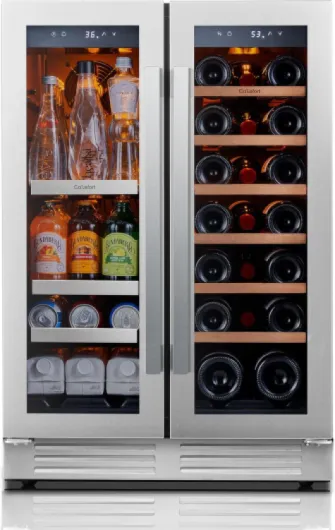
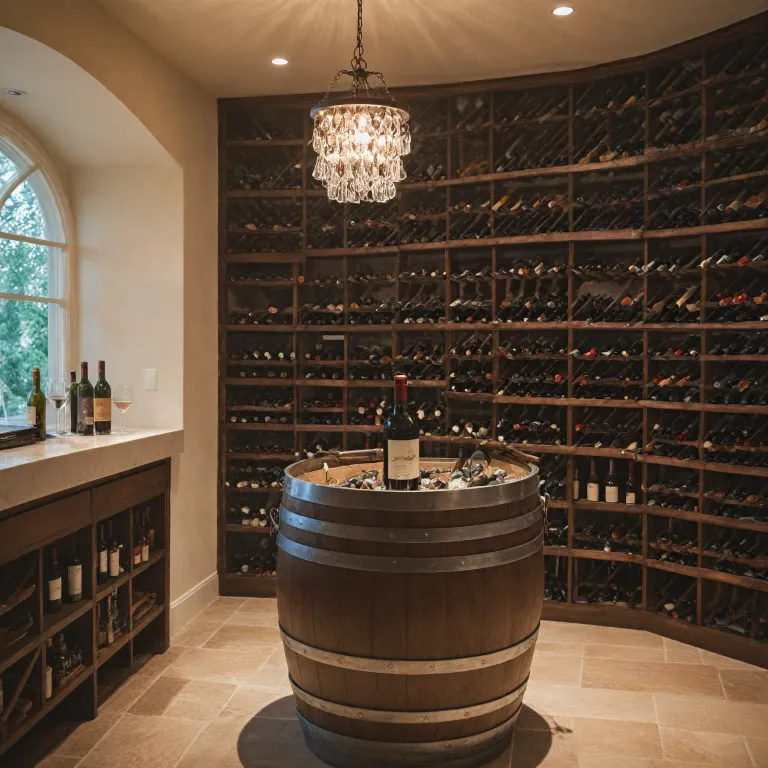
When considering how to store and serve pinot noir, it’s important to think about the wine’s structure. The lower tannin content and higher acidity make it more sensitive to heat and light, which can quickly dull its vibrant flavors. That’s why many enthusiasts invest in wine fridges or dedicated wine storage solutions to keep their bottles at the ideal temperature. If you’re curious about how specialized wine storage can enhance your collection, you might find this guide on transforming your wine storage experience helpful.
Understanding these unique characteristics will help you make the best choices for storing, serving, and enjoying pinot noir at its best. As you explore the impact of temperature and storage on your favorite bottle, you’ll discover just how much these details matter for unlocking the full potential of this classic red wine.

How temperature impacts pinot noir flavor
Why temperature matters for pinot noir
Pinot noir is a delicate red wine, known for its subtle aromas and layered flavors. The temperature at which you store and serve pinot noir can make a noticeable difference in how those flavors and aromas are experienced. Unlike some robust red wines, pinot noir is best enjoyed when its freshness and fruit notes are preserved, and temperature plays a key role in this.
- Too cold: If you keep your bottle of pinot noir in a fridge that is too cold, the wine’s flavors can become muted. The fruitiness and complexity may be lost, and the wine can taste flat or overly acidic.
- Too warm: On the other hand, storing or serving pinot noir at room temperature, especially in warmer climates, can make the alcohol stand out and the wine feel unbalanced. The subtlety that makes pinot noir special is easily overwhelmed.
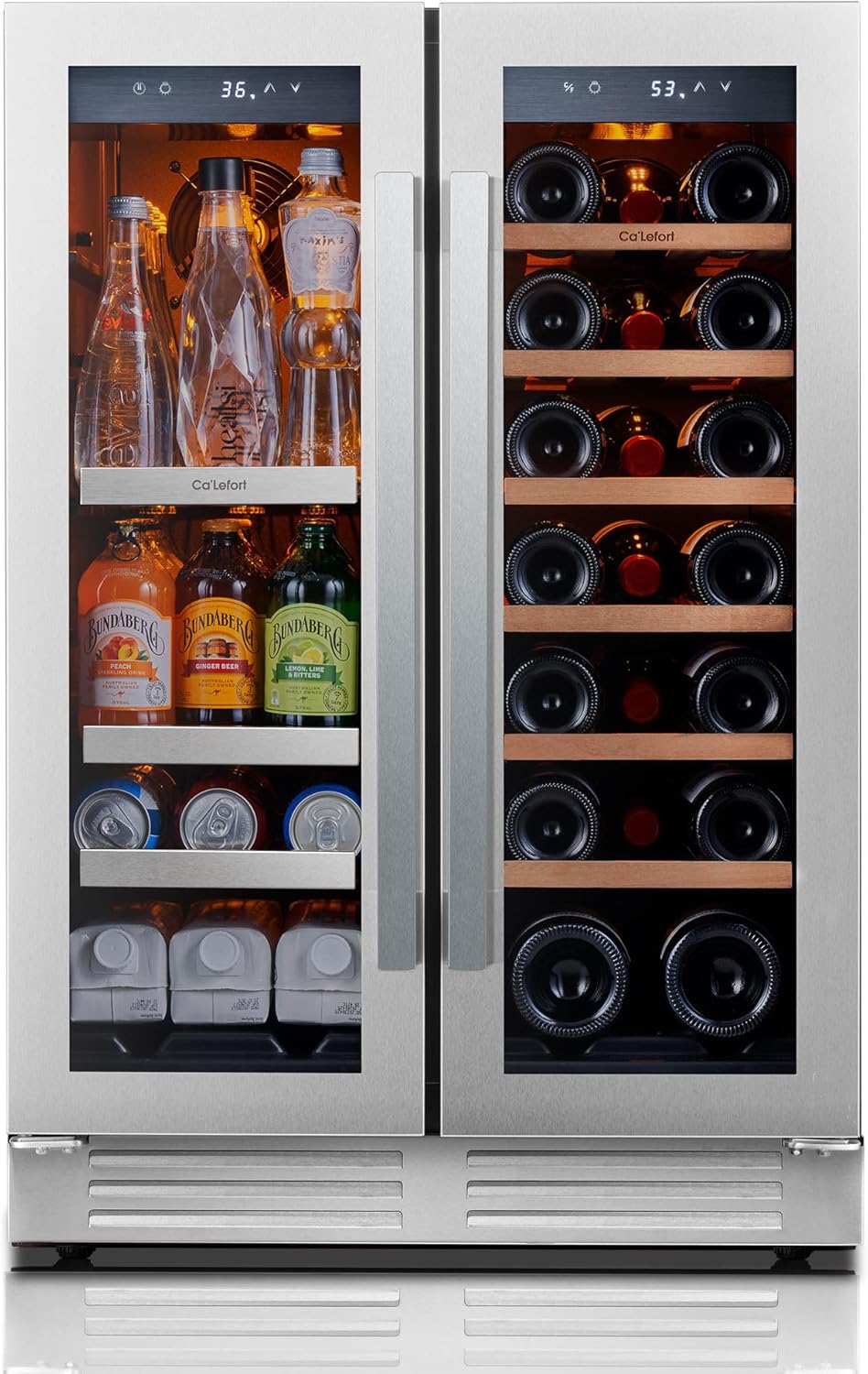
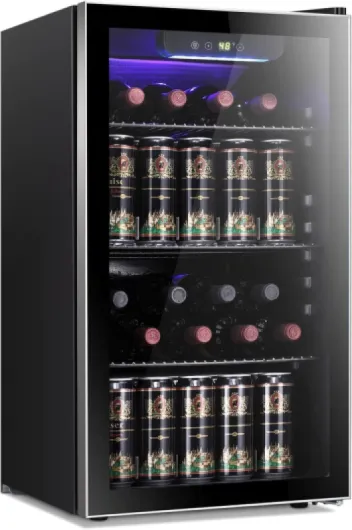
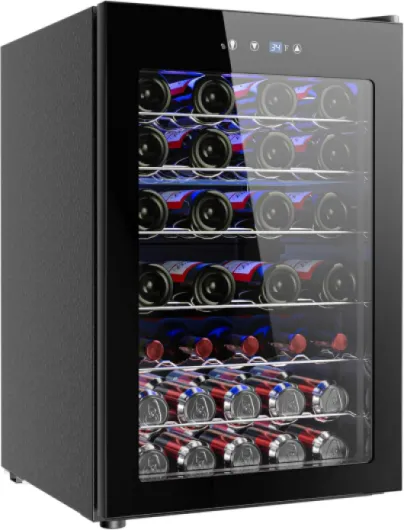
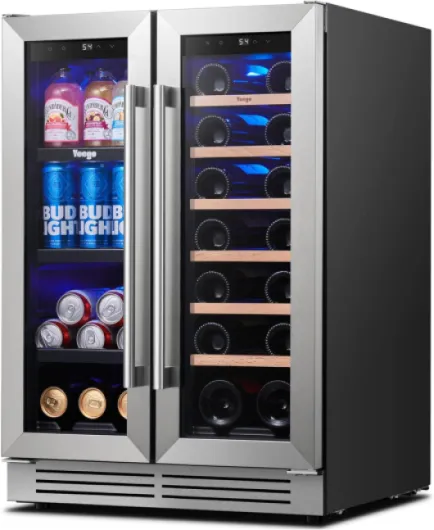
Wine fridges and dedicated wine coolers offer a more controlled environment than regular fridges. They help maintain the best temperature for both storage and serving, which is usually between 50°F and 55°F (10°C to 13°C) for pinot noir. This range keeps the wine fresh and expressive, highlighting its signature red fruit notes and silky texture.
When you pour a glass of pinot noir at the right temperature, you’ll notice how the aromas open up and the flavors become more vibrant. This is why wine experts recommend investing in proper wine storage solutions, especially if you enjoy pinot noirs or other sensitive red wines. For more on how temperature affects different wine styles, you might find this article on why butter chardonnay is a favorite among wine lovers insightful, as it discusses how serving temperature impacts flavor profiles across various wines.
Getting the temperature right is a simple step that can elevate your pinot noir experience, whether you’re storing bottles for the long term or preparing to serve a glass pinot at its best.
Best practices for storing pinot noir in a wine cooler
Setting the Ideal Storage Environment for Pinot Noir
Pinot noir is a delicate red wine, and its flavor can be easily influenced by how it’s stored. Unlike some robust red wines, pinot noir benefits from a stable, cool environment. Wine fridges are designed to maintain the right temperature and humidity, which helps preserve the wine’s nuanced aromas and flavors.
- Temperature matters: The best temperature to store pinot noir is between 50°F and 55°F (10°C to 13°C). This range helps the wine age gracefully and prevents it from spoiling or losing its character.
- Humidity control: Consistent humidity (ideally around 60-70%) keeps the cork from drying out, which is essential for long-term storage. Most wine fridges offer this feature, making them a better choice than regular fridges.
- Vibration and light: Pinot noir is sensitive to both. Choose a wine fridge with minimal vibration and UV-protected glass to keep your bottle wine safe from light exposure.
Unlike a standard fridge, which is colder and less humid, wine fridges are tailored for wine storage. Storing your pinot noir in a regular fridge for extended periods can mute its flavor and dry out the cork. For those who are serious about their wine collection, investing in a dedicated wine fridge ensures that each glass pinot you pour is at its best.
For those looking to optimize their wine storage even further, especially in larger collections or cellars, choosing the right humidifier for your wine cellar can make a significant difference in maintaining ideal conditions for pinot noirs and other wines.
Remember, proper storage isn’t just about keeping your bottle cold. It’s about creating the best environment so that when you serve pinot noir, it’s as vibrant and expressive as intended. This attention to detail will reward you every time you pour a glass of noir red wine.
Serving pinot noir: should you chill it before pouring?
Finding the Right Serving Temperature
When it comes to serving pinot noir, temperature plays a crucial role in how the wine expresses its flavor and aroma. Unlike many bold red wines, pinot noir is best served slightly chilled rather than at room temperature. The ideal serving temperature for pinot noir is typically between 55°F and 60°F (13°C to 16°C). This range helps the wine maintain its delicate balance, allowing the fruit notes and subtle complexities to shine in your glass.
Should You Chill Pinot Noir Before Pouring?
Many wine lovers wonder if they should chill pinot noir before serving. The answer is yes, but with care. If your bottle has been stored at room temperature, placing it in the fridge for about 30 minutes before serving will bring it to the optimal temperature. However, avoid over-chilling, as serving pinot noir too cold can mute its flavors and aromas. If the wine feels too cold when poured, let it sit in the glass for a few minutes to warm up slightly. This simple step can make a noticeable difference in your tasting experience.
Wine Fridges vs. Regular Fridges
For those serious about wine storage, a wine fridge is a valuable investment. Wine fridges are designed to maintain a consistent temperature and humidity level, which is ideal for storing and serving pinot noir. Regular fridges are typically too cold and can dry out the cork, affecting the wine's quality. If you don't have a wine fridge, just be mindful of the time your bottle spends in a standard fridge before serving.
- Pinot noir is best served slightly chilled, not cold.
- Use a wine fridge for precise temperature control.
- If using a regular fridge, limit chilling time to avoid over-cooling.
- Let the wine rest in the glass if it feels too cold.
Serving pinot noir at the right temperature enhances its elegant structure and brings out the best in every bottle. Whether you use a wine fridge or a standard fridge, a little attention to temperature will help you enjoy your glass of pinot noir to the fullest.
Common mistakes when refrigerating pinot noir
Common pitfalls when refrigerating pinot noir
- Over-chilling the bottle: Pinot noir is best served slightly below room temperature, not ice cold. Storing your bottle in fridges or a wine fridge set too low can mute the wine’s delicate flavor and aroma. Aim for a serving temperature around 55°F (13°C) for the best experience.
- Leaving pinot noir in the fridge too long: Extended storage in a regular fridge can dry out the cork, letting air in and spoiling the wine. Wine fridges maintain proper humidity and temperature for wine storage, making them a better choice for pinot noir best served fresh.
- Serving straight from the fridge: Pouring pinot noir directly from a cold fridge into your wine glass can dull its subtle notes. Let the bottle warm up for 10–15 minutes after taking it out of the fridge before serving. This helps the wine open up and show its true character in the glass.
- Storing upright for long periods: Keeping your bottle wine upright in fridges wine or on a shelf can dry out the cork, risking oxidation. Store pinot noir bottles on their side in a wine fridge or proper wine storage area to keep the cork moist and the wine fresh.
- Confusing pinot noir with other red wines: Not all red wines are best served at the same temperature. Pinot noirs are more delicate than many other red wines and benefit from being slightly chilled before serving, unlike fuller-bodied reds that are best at room temperature.
How to avoid these mistakes
To enjoy pinot noir at its best, use a wine fridge set to the ideal serving temperature, avoid over-chilling, and let the bottle rest before pouring into your wine glass. Remember, proper wine storage and serving temperature will help you experience the full flavor and aroma of this classic red.
Tips for enjoying pinot noir at its best
Simple ways to elevate your pinot noir experience
- Choose the right glass: A large, round wine glass lets pinot noir breathe and enhances its delicate aromas. Swirl gently to release the wine’s subtle flavors.
- Mind the serving temperature: Pinot noir is best served slightly chilled, around 55–60°F (13–16°C). Too cold from the fridge can mute its flavor, while room temperature may make it taste flat. Use a wine fridge or let the bottle sit out for 10–15 minutes after refrigeration.
- Decant if needed: Young pinot noirs can benefit from a short decant to open up their bouquet. Older bottles are more fragile, so pour gently into the glass instead.
- Pair thoughtfully: Pinot noir’s acidity and light body make it versatile with food. Try it with roasted poultry, mushroom dishes, or salmon for a balanced pairing.
- Store properly: Keep your bottle of pinot noir in a wine fridge or cool, dark place. Avoid frequent temperature swings and upright storage, which can dry out the cork.
- Don’t rush: After pouring, let the glass of pinot sit for a minute. This helps the wine open up, revealing more complexity in each sip.
Extra tips for red wine lovers
- For leftover wine, reseal the bottle and store it in the fridge. Pinot noir keeps its flavor for up to two days when chilled.
- If your wine fridge is full, a regular fridge works in a pinch—just let the bottle warm up slightly before serving pinot noir.
- Remember, every bottle wine and vintage is unique. Experiment with serving temperature and glassware to find what brings out the noir best in your collection.