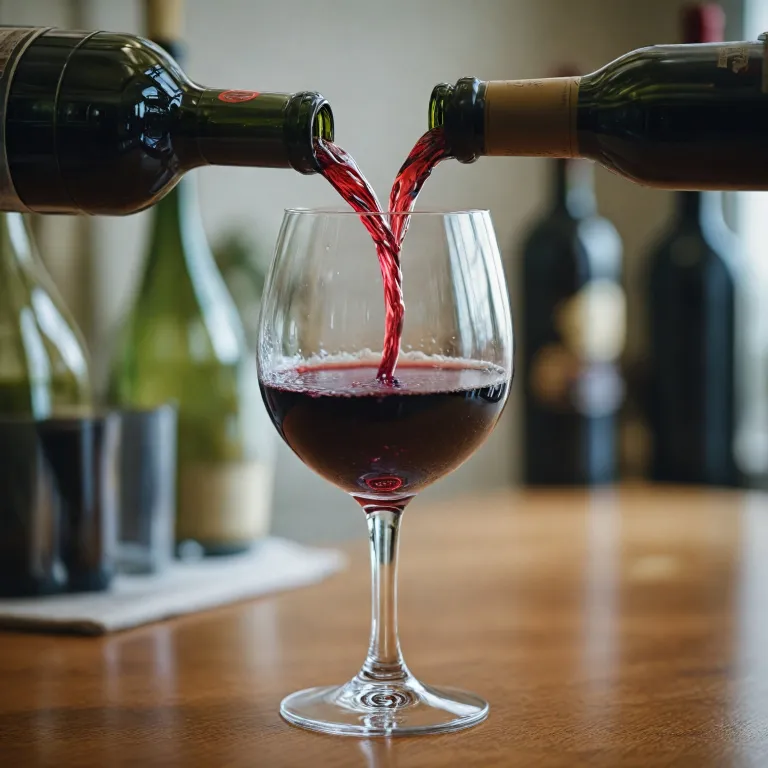
Understanding the purpose of a wine aerator
Why Letting Wine Breathe Matters
When you open a bottle of wine, you might notice the aroma and flavor can change as it sits in your glass. This is because of a process called aeration, which simply means exposing wine to oxygen. The goal is to let the wine "breathe" so that its flavors and aromas can develop fully. Aeration is especially important for red wines, but some white wines can also benefit from it.
As wine interacts with oxygen, two main things happen: oxidation and evaporation. Oxidation helps soften harsh flavors and brings out more complex notes, while evaporation lets unwanted compounds dissipate. This is why pouring wine into a glass or using a decanter can improve your experience. However, not all wines benefit equally from aeration. Young, bold reds often need more time to open up, while delicate or older wines may require less.
Wine aerators are tools designed to speed up this process. Instead of waiting for your wine to breathe in a decanter, an aerator allows you to pour wine directly from the bottle and instantly enhance its flavor profile. This can be especially useful when you want to enjoy a glass without waiting. Aerating wine can make a noticeable difference in how it tastes and smells, making your wine experience more enjoyable.
If you're interested in learning more about how to set up the perfect environment for your bottles, check out this guide on exploring the world of wine cellar kits.
How aeration changes wine flavor and aroma
The science behind letting wine breathe
When you pour wine into a glass or use a wine aerator, you’re not just following tradition—you’re starting a chemical process that can transform your experience. Aeration is all about exposing wine to oxygen. This process, often called letting wine breathe, triggers two main reactions: oxidation and evaporation.
- Oxidation happens when oxygen interacts with the wine, softening harsh tannins and smoothing out flavors. This is especially important for red wines, which often benefit most from aeration.
- Evaporation allows some of the less desirable compounds—like sulfites or volatile acids—to dissipate. This can reduce off-putting aromas and highlight the wine’s true character.
The result? Wines aerated properly reveal more complex aromas and a richer flavor profile. You might notice fruitier notes, subtle spices, or even floral hints that were hidden when the bottle was first opened. Aerating wine can also help balance the flavors, making each sip smoother and more enjoyable.
It’s important to remember that not all wines benefit equally from aeration. While many red wines and some whites improve with a bit of oxygen, delicate wines may lose their nuance if overexposed. Understanding what wine you’re working with is key to maximizing the benefit of aeration.
For a deeper dive into the process and practical tips on how to aerate wine for the best flavor experience, check out this detailed guide on wine aeration.
Types of wine aerators and how they work
Exploring the Different Tools for Aerating Wine
When it comes to letting wine breathe, there are several types of wine aerators, each designed to enhance your wine experience in unique ways. Understanding how these tools work can help you choose the best method for aerating wine, whether you’re pouring wine for a casual evening or a special occasion.
- Handheld Aerators: These are popular for their convenience. You simply hold the aerator over your wine glass and pour wine through it. The process mixes oxygen into the wine as it flows, helping to release flavors and aromas quickly. This method is ideal for those who want to enjoy the benefit of aeration without waiting for traditional decanting.
- In-Bottle Aerators: These fit directly into the neck of the wine bottle. As you pour, the aerator introduces oxygen, allowing the wine to breathe instantly. This is a great option for serving multiple glasses, as it aerates each pour consistently.
- Decanters: While not technically a wine aerator, decanting wine is a classic way to aerate wine. Pouring wine from the bottle into a decanter exposes a larger surface area to oxygen, promoting oxidation and evaporation. This process can take anywhere from 30 minutes to several hours, depending on the wine.
- Electric Aerators: These devices use battery power to push air into the wine as you pour. They offer a quick and efficient way to aerate wine, especially for those who want to control the level of aeration for different wines.
Each type of aerator has its own advantages, and the choice often depends on what wine you’re serving and how much time you have. For red wines, which typically benefit most from aeration, using a decanter or a handheld aerator can significantly enhance the flavor profile. White wines and lighter reds may need less aeration, so a quick pour through an in-bottle aerator might suffice.
It’s also important to consider how long you can enjoy red wine after opening, as proper aeration can extend or enhance the drinking window. For more details on preserving your wine’s quality after opening, check out this guide on how long you can enjoy red wine after opening.
Choosing the right wine aerator is about matching the tool to your wine and your preferences. Whether you’re letting wine breathe in a decanter or using a modern electric aerator, the goal is to unlock the full potential of your bottle wine and elevate your overall experience.
When to use a wine aerator
Choosing the Right Moment for Aeration
Knowing when to use a wine aerator can make a real difference in your wine experience. Not every bottle or glass of wine benefits equally from aeration. The process of letting wine breathe, or exposing it to oxygen, can enhance flavors and aromas, but timing and wine type matter.
- Red wines: Most red wines, especially young and tannic varieties, benefit from aeration. The oxidation and evaporation that occur when you pour wine through an aerator help soften harsh tannins and release complex aromas.
- Older wines: Mature red wines may need less aeration. Too much oxygen can cause delicate flavors to dissipate quickly. In these cases, gently decanting wine or pouring directly into a wine glass may be enough.
- White and sparkling wines: While some whites can benefit from a brief exposure to oxygen, most do not require aeration. Sparkling wines should not be aerated, as the process can strip away carbonation and subtle notes.
Consider the wine’s age, style, and flavor profile before deciding to aerate. If you’re unsure, pour a small amount into a glass, let it breathe for a few minutes, and taste. Compare it to wine poured directly from the bottle. This simple test can help you determine what wines benefit most from aeration and when to use your wine aerator for the best experience.
Remember, the goal is to enhance the wine’s natural flavors, not overpower them. Aerating wine is about finding balance, so trust your palate and enjoy the process.
Tips for using a wine aerator effectively
Simple steps for getting the most from your wine aerator
- Choose the right moment to aerate: Not all wines benefit equally from aeration. Generally, young red wines and some full-bodied whites gain the most from letting wine breathe. Delicate wines or older vintages may lose subtle flavors if overexposed to oxygen.
- Pour wine slowly: When using a wine aerator, pour wine gently from the bottle into the device. This helps control the flow and maximizes the contact between wine and oxygen, enhancing the oxidation and evaporation processes that release aromas and flavors.
- Use a clean wine glass: Always aerate wine into a clean glass. Residues or odors in the glass can interfere with the flavor profile and aroma of the wine, reducing the benefit of aeration.
- Monitor the process: Taste your wine after aerating. Some wines need only a brief exposure to oxygen, while others benefit from a longer process. If you’re unsure, start with a small pour and compare it to wine poured directly from the bottle.
- Don’t over-aerate: While aeration can improve flavor, too much exposure to oxygen can flatten the wine. Avoid letting wine sit in the glass for too long before drinking, especially with lighter wines.
- Consider decanting for larger volumes: If you’re serving a whole bottle wine, decanting wine can be a practical way to aerate larger quantities. For single glasses, a wine aerator is often more convenient.
Extra tips for an enhanced experience
- Experiment with different wines to learn which ones benefit most from aeration.
- Clean your wine aerator thoroughly after each use to prevent residue buildup that could affect future pours.
- Pair aerating wine with proper temperature control. Wines aerated at optimal temperatures reveal more nuanced flavors and aromas.
By following these practical steps, you can unlock the full potential of your wine, making each glass more enjoyable and flavorful. The process of aerating wine is simple, but attention to detail makes a noticeable difference in your overall wine experience.
Wine aerators and wine coolers: a perfect pairing?
Combining Proper Storage and Aeration for the Best Wine Experience
For wine lovers, the journey from bottle to glass is about more than just pouring wine. The process involves careful storage, letting wine breathe, and the right use of a wine aerator. When you pair a wine cooler with a quality aerator, you can truly elevate the flavor profile and aroma of your wines.
- Temperature and Aeration: A wine cooler keeps your wine at the optimal temperature, preserving its integrity until you’re ready to enjoy it. Once you open the bottle, aerating wine allows oxygen to interact with the liquid, unlocking subtle flavors and aromas that were hidden during storage.
- Why Pair Both? Wines benefit from both proper chilling and controlled aeration. Red wines, for example, often need to be slightly cooler than room temperature and benefit from decanting or using an aerator. This combination helps soften tannins and enhances the overall experience.
- From Bottle to Glass: After removing your bottle wine from the cooler, pour wine through an aerator into your wine glass. This step ensures the wine is at the right temperature and has had a chance to breathe, maximizing the benefit aeration brings to the table.
Remember, not all wines aerated the same way. Some delicate whites may not need as much aeration, while bold reds can benefit from a longer process. The key is to experiment and find what works best for your favorite wines. By combining the precision of a wine cooler with the science of aeration, you can enjoy every bottle at its full potential.
