Understanding why aeration matters
Why Letting Wine Breathe Matters
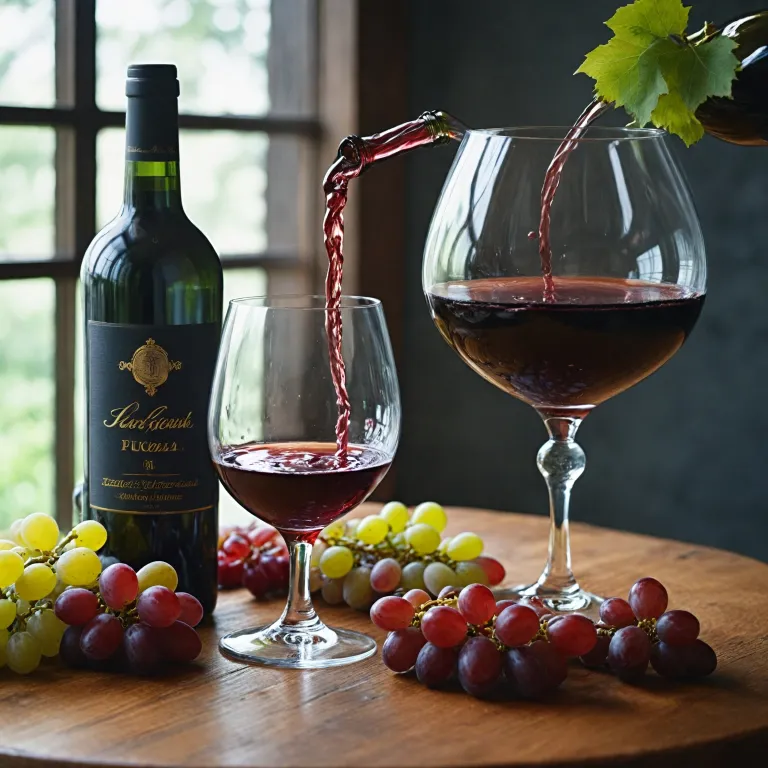
When you pour wine straight from the bottle, you might notice the flavors seem tight or muted. This is because many wines, especially reds, contain tannins and compounds that need exposure to air to fully develop. Aeration, or letting wine breathe, helps soften these tannins and releases aromas, making the wine taste smoother and more expressive. The process of aerating wine can transform your drinking experience, revealing hidden layers of flavor and aroma that are otherwise locked away.
Not all wines benefit equally from aeration. Young reds with firm tannins often improve the most, while delicate whites or older bottles may not need as much air. Understanding which wines to aerate and how long to let them breathe is key to enjoying the best flavor experience. For a deeper dive into the science and purpose behind using a wine decanter, you can read this guide to wine decanters.
- Aeration helps release a wine’s aromas and flavors.
- Letting wine breathe can soften harsh tannins, especially in reds.
- The right aerator or decanter can make this process easy and effective.
- Proper aeration enhances the overall wine experience, whether you’re using a wine glass, decanter, or even an electric wine aerator.
As you explore different methods to aerate wine and learn which bottles benefit most, you’ll discover how simple steps can elevate every glass. The right approach can turn an ordinary bottle into a memorable experience, unlocking the best flavors your wine has to offer.

- + Premium quality
- + Aerates wine instantly
- + Easy to use
- + Elegant design
- + Reduces sediment

Different methods to aerate wine
Simple Ways to Let Your Wine Breathe
There are several methods to aerate wine, each offering a unique approach to enhancing flavors and aromas. Whether you are new to wine or looking to refine your drinking experience, understanding these options can help you get the best out of every bottle.
- Swirling in the Glass: Pour wine into a wine glass and gently swirl it. This easy technique increases the wine’s exposure to air, allowing subtle flavors to emerge. It works well for lighter reds and whites.
- Using a Decanter: Decanting wine involves pouring it from the bottle into a wine decanter. This process exposes a larger surface area to air, which is especially helpful for red wines with firm tannins. Decanting wine for 30 minutes to an hour can soften harsh notes and improve the overall taste.
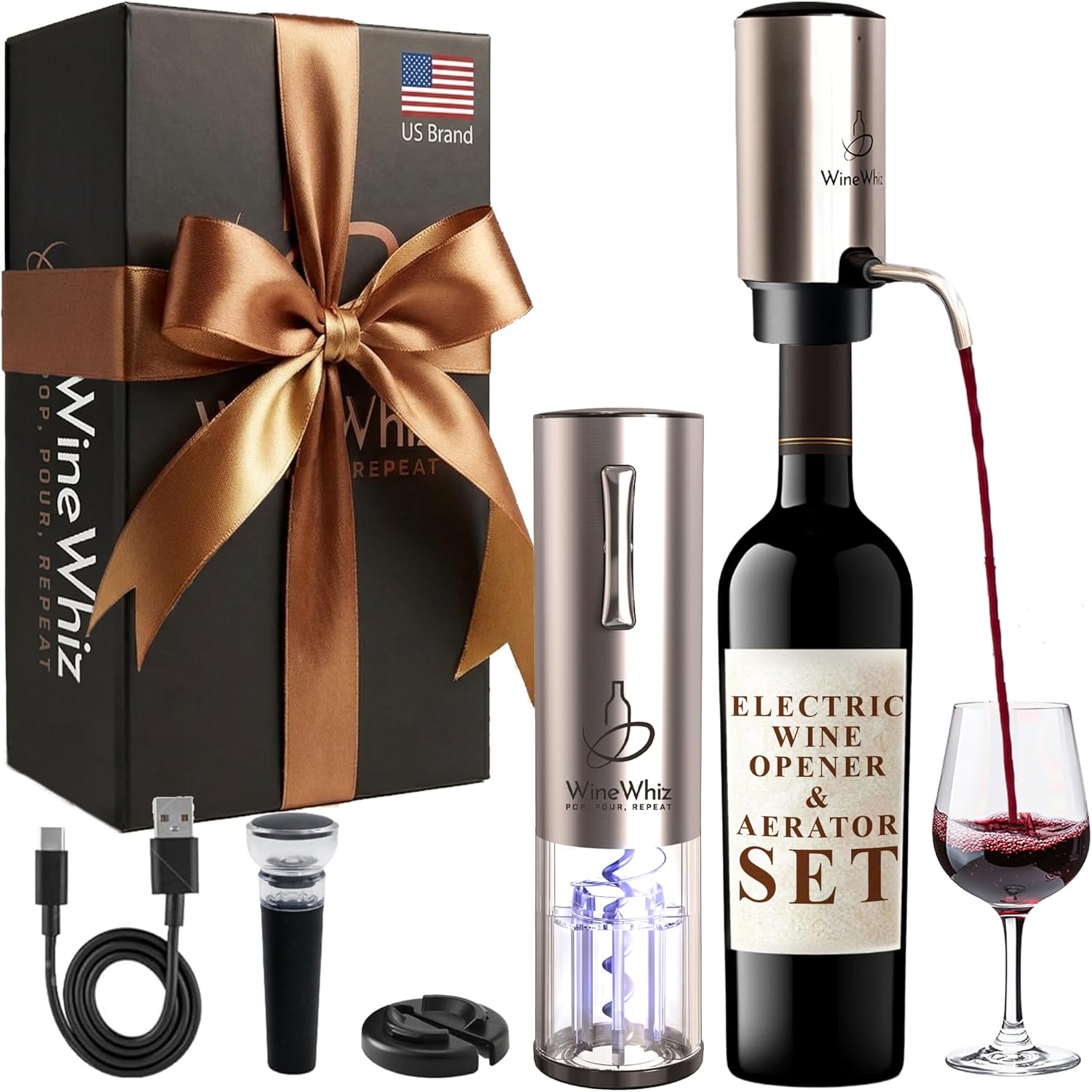
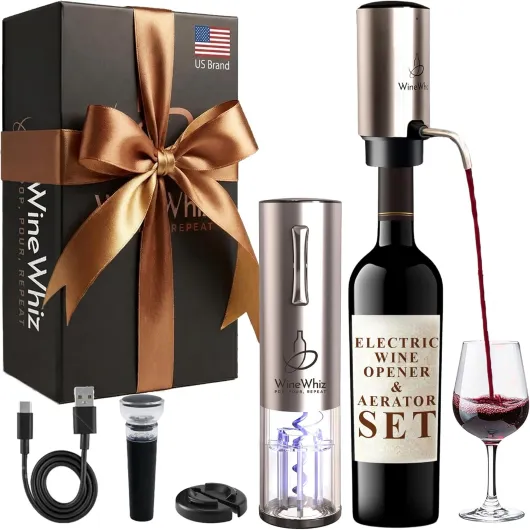
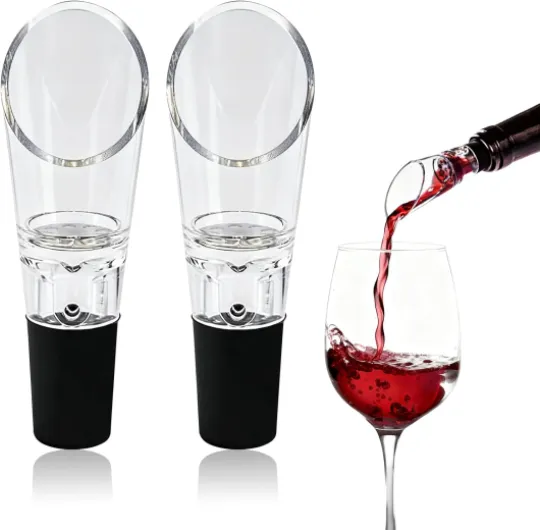
- Wine Aerator Devices: A wine aerator is a handy item that instantly aerates wine as you pour. These devices mix air into the wine, speeding up the aeration process. Some electric wine aerators offer even more convenience, making them a popular gift set for wine lovers.
- Letting Wine Sit in the Bottle: Simply uncorking a bottle and letting it sit for a while allows some aeration, but the effect is limited. The small opening of the bottle restricts airflow, so this method is less effective than others.
Each method has its place depending on the type of wine and the time you have. For more on how temperature impacts your wine experience, check out this guide on the optimal temperature for storing white wine. The right combination of aeration and storage can make a noticeable difference in flavor and enjoyment.
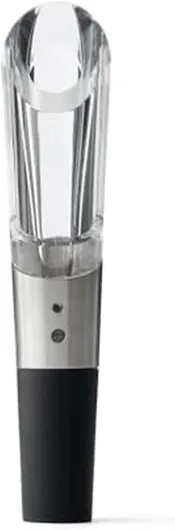
- + Easy to Use
- + Enhances Wine Flavor
- + Smooth Pouring
- + Clear and Stainless Steel Design
- + Large Capacity
Choosing the right wines to aerate
Which Wines Truly Benefit from Aeration?
Not every wine needs to breathe, and knowing which bottles to aerate can make a big difference in your drinking experience. Aeration works by exposing wine to air, allowing flavors and aromas to open up. But the impact varies depending on the type, age, and style of wine.
- Red wines: Most reds, especially young and tannic varieties like Cabernet Sauvignon, Syrah, and Malbec, benefit from aeration. Letting these wines breathe softens tannins and enhances complex flavors. Older reds, however, may need only gentle decanting to avoid losing delicate aromas.
- White wines: While many whites are best enjoyed straight from the bottle, some fuller-bodied whites (like Chardonnay or Viognier) can improve with brief aeration. This helps release subtle aromas and smooth out the taste.
- Sparkling wines: Generally, sparkling wines and Champagne do not benefit from aeration. The process can diminish their bubbles and freshness.
- Rosé and lighter reds: These wines are typically ready to drink and do not require much aeration. However, a quick swirl in the glass can help release their aromas.
When deciding whether to aerate wine, consider the wine's age, grape variety, and structure. Young, bold reds often benefit the most, while delicate or older wines may need a lighter touch. Using a wine aerator, decanter, or simply letting wine breathe in the glass can help you get the best flavor from each bottle.
If you store your bottles in a wine cellar, maintaining the right humidity is also important for preserving wine quality. For more on this, check out choosing the right humidifier for your wine cellar.
Step-by-step guide to aerating wine at home
Simple steps to let your wine breathe at home
Aerating wine at home doesn’t have to be complicated. With a few easy steps, you can enhance the flavors and aromas of your favorite bottle. Here’s how to get the best wine experience every time:- Open the bottle: Start by uncorking your wine and letting it sit for a few minutes. This allows the initial aromas to escape, but for most wines, this alone isn’t enough for proper aeration.
- Choose your aeration method: Depending on the wine and your available items, you can use a wine aerator, decanter, or simply pour wine into a glass. A wine aerator is a handy tool that instantly mixes air into the wine as you pour. Decanting wine into a wine decanter is ideal for reds with strong tannins, while swirling wine in a glass works for lighter reds and whites.
- Pour and swirl: If you don’t have a decanter or aerator, pour wine into a wide wine glass and gently swirl it. This increases the surface area and helps the wine breathe, releasing more flavors and softening tannins.
- Wait the right amount of time: Letting wine breathe can take anywhere from a few minutes to an hour, depending on the type. Young, bold reds benefit from more time, while most whites and lighter reds need less. Taste as you go to find your preferred wine taste.
- Use an electric wine aerator for convenience: For those who want an easy, mess-free option, an electric wine aerator can be a great addition to your wine gift set. It provides consistent aeration with the push of a button.
Tips for getting the best flavor from your wines
- Always use clean glassware and decanters to avoid unwanted flavors.
- Don’t over-aerate delicate wines, as too much exposure can flatten their character.
- Experiment with different aeration times to discover what works best for your favorite bottle wine.
- Consider aerating both red and white wines, as some whites also benefit from a bit of breathing.
Common mistakes to avoid when aerating wine
Overdoing or Underdoing Aeration
One of the most common mistakes when aerating wine is not giving it the right amount of time to breathe. Some wines, especially young reds with firm tannins, need more time in a decanter or with a wine aerator to open up their flavors. On the other hand, older or more delicate wines can lose their best characteristics if left exposed to air for too long. Always consider the type of wine and its age before deciding how long to let it breathe.
Using the Wrong Tools
Not all wines benefit from the same aeration method. Pouring a robust red directly into a wine glass might not be enough, while using a decanter or an electric wine aerator can make a big difference. For lighter reds or whites, a simple swirl in the glass may suffice. Using the wrong item, like a narrow-necked bottle or a glass that’s too small, can limit the wine’s exposure to air and affect the taste experience.
Ignoring Cleanliness
Always ensure your decanter, wine glass, and aerator are clean and free from any odors or residues. Even a hint of soap or dust can alter the wine’s flavor and ruin the drinking experience. Rinse all items with hot water and let them air dry before use.
Pouring Too Much at Once
It might be tempting to decant the entire bottle wine at once, but only pour what you plan to drink soon. Wine left sitting in a decanter for hours can lose its best flavors. For a better wine experience, pour wine into the decanter or glass in smaller amounts, letting each serving breathe just enough.
Not Tasting as You Go
Wine aeration is not a one-size-fits-all process. Taste your wine as it breathes to find the moment when its flavors are at their peak. This is especially important for wines that change quickly after aerating. Letting wine sit too long can flatten its taste, while not enough time can leave it closed and tight.
- Don’t assume all wines benefit equally from aeration. Some reds and whites are best enjoyed straight from the bottle.
- Avoid shaking or aggressively swirling the wine, as this can damage delicate aromas.
- Never use a dirty decanter or glass, as it can spoil the wine taste.
Expert tips for enhancing your wine experience
Simple habits to elevate your wine enjoyment
- Use the right tools: Investing in a quality wine aerator or wine decanter can make a noticeable difference in how your wine tastes. These items help wines breathe, softening tannins and unlocking hidden flavors. For those who want convenience, an electric wine aerator offers an easy way to aerate wine directly into your glass or decanter.
- Let your wine breathe: Don’t rush the process. After opening a bottle, pour wine into a decanter or glass and give it a few minutes to interact with air. This simple step enhances the flavor and aroma, especially for red wines.
- Match the aeration method to the wine: Not all wines benefit equally from aeration. While many reds improve with decanting, some delicate whites or older bottles may lose their best flavors if overexposed to air. Experiment to find what works for your favorite bottle wine.
- Pay attention to serving size: Pouring smaller amounts into your wine glass allows more surface area for aeration, improving the drinking experience. Swirling the wine in your glass can also help release more flavors.
- Keep your tools clean: Residue in your wine aerator or decanter can affect the taste. Rinse thoroughly after each use to ensure every wine you pour tastes its best.
Enhancing the tasting experience
- Temperature matters: Aerating wine at the right temperature brings out the best in both red and white wines. Too cold, and flavors are muted; too warm, and the wine may taste flat. Store your wine bottle properly before aerating.
- Practice patience: Some wines need more time to open up. Taste your wine at intervals after aerating to notice how the flavors evolve. This can be an enjoyable part of the wine experience, especially with complex reds.
- Consider a gift set: For those new to wine aeration, a gift set with a decanter, aerator, and glasses can be a practical way to start exploring the world of aerating wine at home.
Learning from experience
- Keep notes: Jot down which wines benefit most from aeration and which methods work best. Over time, you’ll develop a sense for how to get the best flavor from each bottle.
- Share and compare: Tasting wines with friends or family can help you discover new favorites and learn how different aeration techniques affect the wine taste. Everyone’s palate is unique, so sharing your experience can be both fun and educational.