Understanding the character of pinot noir
What Makes Pinot Noir Unique?
Pinot noir stands out among red wines for its delicate structure and expressive flavors. This grape variety is known for producing light bodied red wines that are both elegant and complex. Unlike heavier reds, pinot noir offers bright acidity, subtle tannins, and a bouquet of aromas ranging from red berries to earthy undertones. The best bottles often reveal layers of cherry, raspberry, and floral notes, making each glass a nuanced experience.
Because of its lighter body and vibrant flavors, pinot noir is often served differently from other red wines. While many assume all reds should be enjoyed at room temperature, pinot noirs benefit from a slightly cooler serving temperature. This helps preserve their fresh fruit character and highlights the wine’s natural acidity. The optimal temperature for serving pinot noir is a topic explored further in this guide, as it can significantly impact your tasting experience.
Pinot noir’s versatility also extends to food pairings. Its lighter profile allows it to complement a range of dishes, from roasted poultry to earthy mushroom recipes. Whether you’re pouring a glass pinot for a special occasion or a casual meal, understanding the unique qualities of this wine will help you serve pinot at its best.
If you’re curious about how pinot noir compares to other wine bottle sizes or want to explore more about wine varieties, you might find this guide to wine bottle sizes helpful as you expand your wine knowledge.
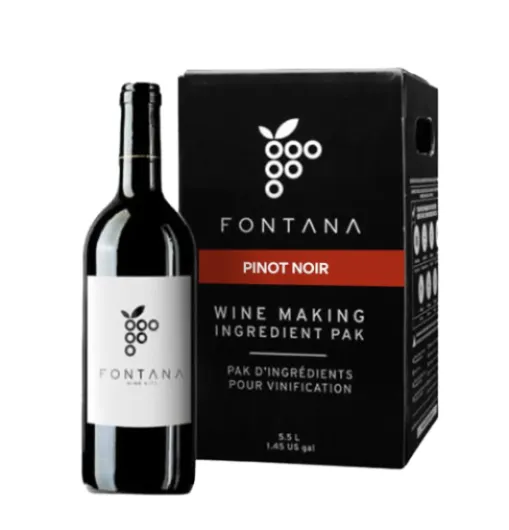
- + DIY 6 Gallon kit
- + Makes 30 bottles
- + Quality ingredients for winemaking

How temperature impacts pinot noir’s taste
Why Temperature Matters for Pinot Noir
Pinot noir is a light bodied red wine, known for its delicate flavors and aromas. The temperature at which you serve pinot noir can make a big difference in how those flavors are experienced. Unlike fuller bodied red wines, pinot noir’s subtle notes can be easily masked or lost if the wine is too warm or too cold.
How Chilling Affects Flavor and Aroma
Serving pinot noir at the right temperature helps highlight its best qualities. When the wine is too warm, alcohol can dominate the nose and palate, making the wine taste flat and heavy. If it’s served too cold, the flavors become muted and the wine can taste overly acidic. The optimal temperature brings out the fruitiness and complexity that make this grape variety so appealing.
- Too warm: Flavors become muddled, and the wine may taste alcoholic.
- Too cold: Aromas and flavors are suppressed, and the wine can seem sharp or thin.
- Just right: The wine’s vibrant red fruit, earthy notes, and silky texture shine in the glass.
Comparing Pinot Noir to Other Red Wines
Many people assume all red wines should be served at room temperature, but this isn’t ideal for pinot noir. Heavier reds like cabernet sauvignon or syrah can handle warmer temperatures, but pinot noir is best enjoyed slightly chilled. This distinction is important for anyone looking to serve pinot noir at its best.
For more on how wine bottle size can influence serving and storage, check out this guide to understanding the 750 ml size of wine bottles.
Recommended serving temperature for pinot noir
Finding the sweet spot for serving pinot noir
When it comes to enjoying pinot noir at its best, serving temperature is crucial. Unlike many bold red wines, this light bodied grape variety reveals its delicate flavors and aromas when served slightly chilled. Serving pinot noir too warm can make the wine taste flat and emphasize alcohol, while serving it too cold can mute its nuanced flavors.
The optimal temperature for serving pinot noir is typically between 55°F and 60°F (13°C to 16°C). This range allows the wine’s bright acidity, red fruit notes, and subtle earthiness to shine. If you store your bottle of pinot noir at room temperature, it’s a good idea to chill pinot in the fridge for about 30 minutes before serving. On the other hand, if your wine has been in a wine fridge, let it sit at room temperature for a few minutes before pouring into a wine glass.
- Too warm: Flavors become muddled, and alcohol dominates.
- Too cold: Aromas and flavors are suppressed, making the wine taste bland.
- Just right: The wine’s vibrant fruit, floral notes, and silky texture are at their peak.
For those who don’t have a wine fridge, a simple way to reach the best serving temperature is to place the bottle pinot in the fridge for 30 to 40 minutes, then pour into a glass pinot and let it breathe for a few minutes. If you need to open a bottle without a corkscrew, check out these creative ways to open a wine bottle without a bottle opener.
Remember, serving temperature can make or break your pinot noir experience. A little attention to detail will help you enjoy the full spectrum of flavors this elegant red wine has to offer.
Chilling pinot noir: practical tips
Simple steps for chilling your pinot noir
Chilling pinot noir is about finding the sweet spot between too cold and too warm. This grape variety is known for its delicate flavors and light bodied style, so serving temperature makes a real difference. Here’s how to get it right:
- Start with the right bottle: Choose a quality pinot noir, ideally stored in a wine fridge or cool, dark place. This helps preserve the wine’s character before serving.
- Fridge timing: Place your bottle of pinot noir in the fridge for about 30 to 45 minutes before you plan to serve it. This brings the wine to the optimal temperature, usually between 55°F and 60°F (13°C to 16°C). If your fridge is very cold, check after 30 minutes to avoid over-chilling.
- Quick chill method: If you’re short on time, wrap the bottle in a damp cloth and put it in the freezer for 10 to 15 minutes. Don’t forget it—leaving it too long can dull the flavors or risk freezing.
- Glass matters: Use a proper wine glass for pinot noir. A larger, rounder bowl lets the wine breathe and enhances its aromas, even when served slightly chilled.
- Monitor the temperature: If you have a wine thermometer, check the serving temperature before pouring. Serving too cold can mute the wine’s flavors, while too warm can make it taste flat or overly alcoholic.
What to avoid when chilling pinot noir
- Don’t serve straight from the fridge: Standard fridges are usually set below the best serving temperature for pinot noir. Let the bottle sit at room temperature for 10 to 15 minutes after taking it out of the fridge.
- Avoid ice buckets for long periods: While an ice bucket can quickly chill a bottle, leaving it submerged too long can make the wine too cold, masking its light bodied flavors.
- Don’t chill glassware: Cold glasses can further lower the temperature of your pinot noir, so use room temperature wine glasses for the best experience.
With these practical tips, you’ll serve pinot noir at its best, letting the grape variety’s subtle flavors shine in every glass.
Common mistakes when chilling pinot noir
What to Avoid When Chilling Pinot Noir
Chilling pinot noir can bring out its best flavors, but there are some common mistakes that can dull its character or even spoil your experience. Here’s what you should watch out for when preparing this delicate grape variety:
- Over-chilling the bottle: Pinot noir is a light bodied red wine, and serving it too cold can mute its subtle aromas and flavors. If you leave the bottle in the fridge for too long, the wine may taste flat and lose its signature fruit notes.
- Serving at room temperature: Many assume red wines should be served at room temperature, but for pinot noir, this often means it’s too warm. High temperatures can make the wine taste overly alcoholic and mask its nuanced flavor profile.
- Using the wrong glass: A narrow glass can concentrate the wine’s aromas too much, while a glass that’s too wide can dissipate them. The best choice is a glass pinot noir style, which allows the wine to breathe and enhances its light, complex flavors.
- Rapid chilling methods: Placing a bottle pinot noir in the freezer to chill quickly may seem convenient, but it can shock the wine and affect its structure. Instead, use a wine fridge or an ice bucket with water for gradual cooling to the optimal temperature.
- Ignoring the serving temperature: Serving temperature is crucial for pinot noirs. Too cold or too warm, and you miss the balance between acidity, fruit, and tannins. Aim for a temperature between 12°C and 16°C (54°F to 61°F) for the best experience.
Remember, the goal is to highlight the unique flavors of this red wine. With a bit of attention to how you chill pinot, you’ll enjoy every glass at its best.
Pairing chilled pinot noir with food
Food Matches That Highlight Pinot Noir’s Character
When you serve pinot noir at its optimal temperature, you unlock a range of flavors that pair beautifully with food. This light bodied red wine is known for its delicate fruit notes and subtle earthiness, making it a versatile companion at the table. Chilled pinot noir, especially when served slightly below room temperature, can enhance both the wine and your meal.
- Poultry and Game Birds: Roast chicken, duck, or turkey are classic partners. The wine’s acidity and light tannins complement the savory flavors without overpowering them.
- Grilled Salmon or Tuna: Pinot noir’s berry notes and freshness make it one of the best reds to serve with richer fish, especially when the wine is slightly chilled.
- Mushroom Dishes: The earthy undertones of noir pinot echo the flavors in mushroom risotto or wild mushroom pasta.
- Soft Cheeses: Try a glass of pinot with brie, camembert, or goat cheese. The wine’s acidity cuts through the creaminess, balancing each bite.
- Charcuterie: Lightly chilled pinot noirs pair well with cured meats and pâtés, as the wine’s freshness lifts the richness of the food.
Serving Tips for a Balanced Experience
To get the best out of your bottle pinot, use a wine glass with a wide bowl. This shape allows the delicate aromas to develop, especially when the wine is served at the right temperature. If you’ve kept your pinot in the wine fridge, let it sit for a few minutes before pouring to reach the optimal serving temperature. Avoid serving too cold, as this can mute the flavors and aromas that make this grape variety unique.
Why Temperature Matters for Pairing
Serving temperature is key for both the wine and the food. A slightly chilled glass pinot will feel refreshing and highlight the wine’s fruit and acidity, making it a great match for lighter dishes. If the wine is too warm, the alcohol can dominate, while too cold can suppress its flavor. For most red wines, and especially light bodied reds like pinot noir, the right temperature ensures the best pairing experience.