
Understanding the wine magnum format
The unique appeal of magnum bottles
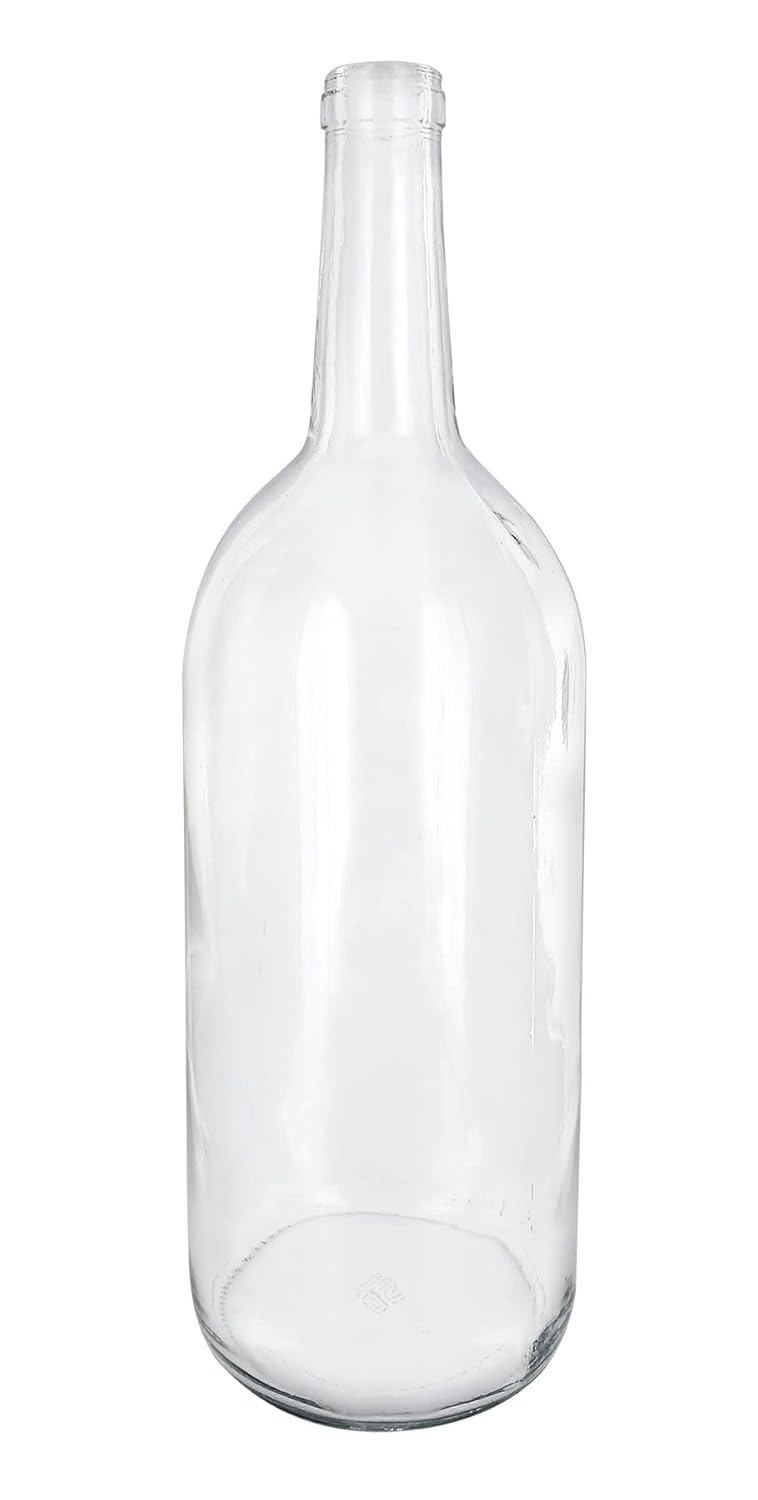
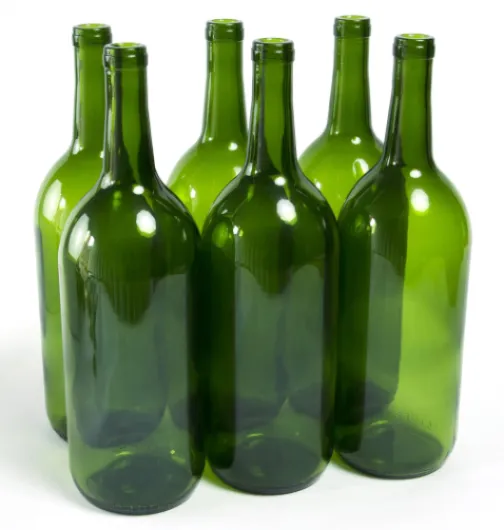
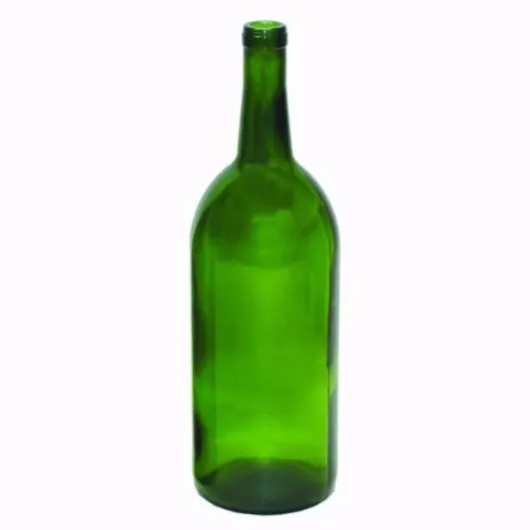
Wine lovers and collectors often encounter a range of bottle sizes, but the magnum format stands out for several reasons. A magnum bottle holds 1.5 liters of wine, which is the equivalent of two standard bottles. This larger size is not just about making a visual statement—there are practical and sensory benefits that make magnums a favorite among enthusiasts.
Comparing bottle sizes and terminology
Understanding the terminology is key. The standard wine bottle contains 750 milliliters. A magnum doubles that volume, while a double magnum (also called a jeroboam in some regions) holds 3 liters, or four standard bottles. Larger formats include the imperial (6 liters) and even grander sizes, but magnums hit a sweet spot for both storage and serving.
| Bottle Size Name | Volume (Liters) | Equivalent Standard Bottles |
|---|---|---|
| Half Bottle | 0.375 | 0.5 |
| Standard Bottle | 0.75 | 1 |
| Magnum | 1.5 | 2 |
| Double Magnum / Jeroboam | 3.0 | 4 |
| Imperial | 6.0 | 8 |
Why format matters for wine
The magnum format is popular for both red and sparkling wines, including Bordeaux, Burgundy, Champagne, and Napa Valley Cabernet Sauvignon. Collectors often seek out magnum bottles of grand cru, red blend, and pinot noir wines because the larger format can influence aging and presentation. The size of the bottle affects how the wine matures over time, which is explored in more detail in the next section.
For those interested in enhancing their wine experience, understanding the impact of using a wine aerator can also be valuable, especially when serving from large format bottles like magnums.

How magnum bottles influence wine aging
Why Larger Bottles Age Wine Differently
Wine magnum bottles, with their 1.5-liter capacity, offer a unique environment for aging compared to standard bottles. The key lies in the ratio of wine volume to the amount of air (oxygen) trapped between the cork and the liquid. In a magnum, this ratio is lower than in a standard bottle, which means the wine is exposed to less oxygen over time. This slower, more controlled aging process can benefit both red and white wines, especially those from regions like Bordeaux, Burgundy, and Napa Valley.
- Red wines such as cabernet sauvignon, red blend, and pinot noir often develop more complex aromas and flavors in magnum bottles.
- Large format bottles like magnum, double magnum, and imperial are favored for aging grand cru and cru wines, as they help preserve freshness and structure.
- Champagne and sparkling wines also benefit from the magnum format, maintaining their effervescence and balance for longer periods.
The magnum bottle size is equivalent to two standard bottles, but the wine inside matures more gracefully. Collectors often seek out magnum bottles for their ability to enhance the longevity and quality of prized vintages, including Bordeaux blends and grand cru Burgundy. The same principle applies to even larger sizes, such as jeroboam and imperial, but magnums strike a practical balance between aging potential and storage convenience.
For those interested in keeping their sparkling wine at its best after opening, consider reading about how to keep your sparkling wine fresh with the right stopper. This is especially relevant when serving from large bottles at gatherings.
Understanding how magnum bottles influence wine aging can help you make informed decisions about which bottle sizes to add to your collection. The next step is to consider how to store these large format bottles in your wine cooler, ensuring optimal conditions for long-term enjoyment.
Storage considerations for magnum bottles in wine coolers
Adapting Your Wine Cooler for Magnum and Large Format Bottles
Storing magnum bottles and other large format wines like double magnum, imperial, or jeroboam requires more planning than standard bottle sizes. These bottles, whether Bordeaux, Burgundy, or Champagne, are not just bigger—they have different shapes and dimensions that can challenge typical wine cooler layouts.
- Space and Shelving: Most wine coolers are designed for standard bottles, so fitting magnum or double magnum bottles may mean removing shelves or adjusting racks. Some coolers offer adjustable shelving, but always check the maximum bottle size your unit can handle before purchasing large format bottles.
- Temperature Consistency: Large bottles like magnum and imperial formats benefit from stable temperatures. A dedicated wine cooler with precise controls is ideal for aging grand cru Bordeaux, Napa Valley cabernet sauvignon, or Burgundy pinot noir in magnum bottle size.
- Humidity and Airflow: Proper humidity helps maintain cork integrity, especially for wines intended for long-term aging. Large bottles need the same careful environment as standard bottles to preserve their quality.
- Organization: Mixing bottle sizes—half bottle, standard, magnum, and larger—can make organization tricky. Grouping similar formats together and labeling shelves can help you manage your collection, whether it’s red blend, grand cru, or champagne magnum bottles.
When storing or moving large format bottles, safe handling is crucial. For collectors shipping or transporting magnum bottles, choosing the right wine bottle shipping box ensures your investment arrives intact.
| Bottle Size | Equivalent Standard Bottles | Common Varietals |
|---|---|---|
| Standard | 1 | Bordeaux, Burgundy, Champagne |
| Magnum | 2 | Cabernet Sauvignon, Pinot Noir, Red Blend |
| Double Magnum | 4 | Grand Cru, Napa Valley, Bordeaux Burgundy |
| Jeroboam/Imperial | 6 (Jeroboam), 8 (Imperial) | Champagne, Bordeaux |
Ultimately, investing in a wine cooler that accommodates various bottle sizes, especially magnum and large format bottles, is a smart move for any serious collector or enthusiast. It ensures your prized bottles—whether a magnum double of cabernet sauvignon or a grand cru Burgundy—are stored in optimal conditions for aging and enjoyment.
Selecting wines best suited for magnum format
Choosing the Right Wines for Magnum Bottles
When selecting wines for magnum bottles, it’s important to consider both the grape variety and the intended aging potential. Magnum bottles, which hold 1.5 liters—double the volume of a standard bottle—are especially valued for their ability to enhance the aging process. This makes them a favorite among collectors and enthusiasts who appreciate the subtle development of flavors over time.
- Red Bordeaux and Cabernet Sauvignon: These wines are classic choices for magnum format. The larger bottle size slows oxidation, allowing complex notes to develop in Bordeaux blends and Napa Valley Cabernet Sauvignon. Grand cru and cru classé wines in magnum bottles are often sought after for their aging potential.
- Burgundy and Pinot Noir: Burgundy wines, especially those made from Pinot Noir, benefit from the magnum’s slower maturation. The magnum bottle size helps preserve delicate aromatics and structure, making it ideal for both red Burgundy and bordeaux burgundy blends.
- Champagne and Sparkling Wines: Large format bottles like magnum and double magnum are popular for Champagne. The magnum format enhances the development of fine bubbles and complexity, making celebrations even more special.
- Red Blends and Grand Cru: Red blends, particularly those from Bordeaux or Napa Valley, age gracefully in magnum bottles. Grand cru wines in large bottles are highly prized for their longevity and investment value.
While magnum bottles are excellent for aging, not every wine style is suited for this format. Lighter whites or rosés, for example, may not benefit as much from the slower evolution. However, for robust reds and sparkling wines, the magnum bottle offers a unique opportunity to experience wine at its best.
| Bottle Size | Volume (liters) | Equivalent Standard Bottles | Best Suited Wines |
|---|---|---|---|
| Half Bottle | 0.375 | 0.5 | Early drinking whites, rosé |
| Standard Bottle | 0.75 | 1 | All types |
| Magnum | 1.5 | 2 | Red Bordeaux, Cabernet Sauvignon, Champagne, Pinot Noir |
| Double Magnum (Jeroboam) | 3.0 | 4 | Grand cru, large format reds |
| Imperial | 6.0 | 8 | Special releases, investment wines |
Ultimately, choosing the right wine for a magnum bottle depends on your goals—whether you’re looking for a wine to age, to share at a celebration, or to add value to your collection. The magnum format, along with other large bottles, offers flexibility and a unique tasting experience that standard bottles can’t always match.
Serving and presentation tips for magnum bottles
Making a Statement at the Table
Serving a magnum bottle is always an occasion. The sheer size of a magnum or double magnum bottle draws attention and adds a sense of celebration to any gathering. Whether you are pouring a grand cru Bordeaux, a Napa Valley cabernet sauvignon, or a classic red blend, the large format bottle becomes a centerpiece. Many collectors and enthusiasts appreciate how a magnum bottle not only preserves wine quality but also elevates the presentation during special dinners or tastings.Practical Tips for Pouring and Handling
Handling a magnum or even larger bottle sizes like imperial or jeroboam requires a bit more care than standard bottles. Here are some practical suggestions:- Use both hands when pouring to maintain control, especially with a full magnum bottle.
- Consider decanting red wines from large bottles, such as Bordeaux or burgundy, to allow the wine to breathe and to make pouring easier.
- Have appropriate glassware ready. Large format bottles can serve the equivalent of two standard bottles or more, so plan accordingly for your guests.
- Chill champagne magnums longer than standard bottles, as the larger size takes more time to reach the ideal serving temperature.
Enhancing the Experience with the Right Accessories
Investing in accessories designed for large bottles can make serving smoother. For example, a sturdy decanter, a wide-base wine cradle, or a magnum-specific corkscrew can help you handle grand bottles with confidence. Some wine enthusiasts even use custom racks or stands for displaying magnum bottles during events, highlighting their impressive format and making them easier to access.Pairing and Presentation Ideas
Magnum bottles are perfect for sharing at celebrations, family gatherings, or wine tastings. They work especially well with red wines like Bordeaux, cabernet sauvignon, or pinot noir, as well as sparkling wines such as champagne. When serving, present the magnum bottle at the table to let guests appreciate the label and size. For a memorable touch, compare the magnum to a standard bottle or even a half bottle, illustrating the range of wine bottle sizes and formats available.Serving Order and Temperature
Remember that large bottles, including magnum and double magnum formats, may require more time to reach optimal serving temperature. Plan ahead, especially for reds and sparkling wines. For burgundy or Bordeaux, allow the wine to open up in the glass or decanter. This extra attention to detail ensures that your guests enjoy the wine at its best, making the magnum bottle a true highlight of your event.The investment value of wine magnums
Why collectors value magnum bottles for investment
Magnum bottles have become a sought-after item among collectors and wine enthusiasts, not just for their impressive size but also for their potential investment value. The magnum format, which holds 1.5 liters—equivalent to two standard bottles—offers unique advantages that can influence both the aging process and the market demand for certain wines. Collectors often focus on large format bottles like magnums, double magnums, and even imperials because these sizes are produced in much smaller quantities compared to standard bottles. Limited production, especially for grand cru Bordeaux, Napa Valley cabernet sauvignon, and top burgundy pinot noir, increases rarity and desirability. This scarcity can drive up auction prices, making magnum bottles a smart choice for those looking to build a valuable collection.Market trends and resale potential
The wine market consistently shows that magnum bottles, particularly from renowned producers and exceptional vintages, command a premium. For example, a magnum of red Bordeaux or a grand cru burgundy often sells for more than double the price of two standard bottles of the same wine. This is partly due to the superior aging potential of the magnum format, as discussed earlier, which helps preserve the wine’s quality over time. Collectors also appreciate the visual impact and prestige associated with large bottles. Whether it’s a magnum, double magnum, or even larger sizes like jeroboam or imperial, these bottles are often reserved for special releases or significant events, further enhancing their collectible status.- Magnum bottles age more gracefully, attracting buyers seeking well-preserved wines
- Large format bottles from iconic regions like Bordeaux, Burgundy, and Napa Valley are especially prized
- Limited availability of magnum and double magnum sizes boosts long-term value