Understanding why wine changes after opening
What Happens to Wine After You Open the Bottle?
Once you open a bottle of wine, it starts to interact with air. This process, called oxidation, is the main reason wine changes after opening. Oxygen can bring out new flavors in your glass, but too much exposure will eventually make the wine lose its freshness and character. The rate at which wine changes depends on the type of wine, how much air is in the bottle, and how you store it after opening.
The Role of Oxygen and Preservation
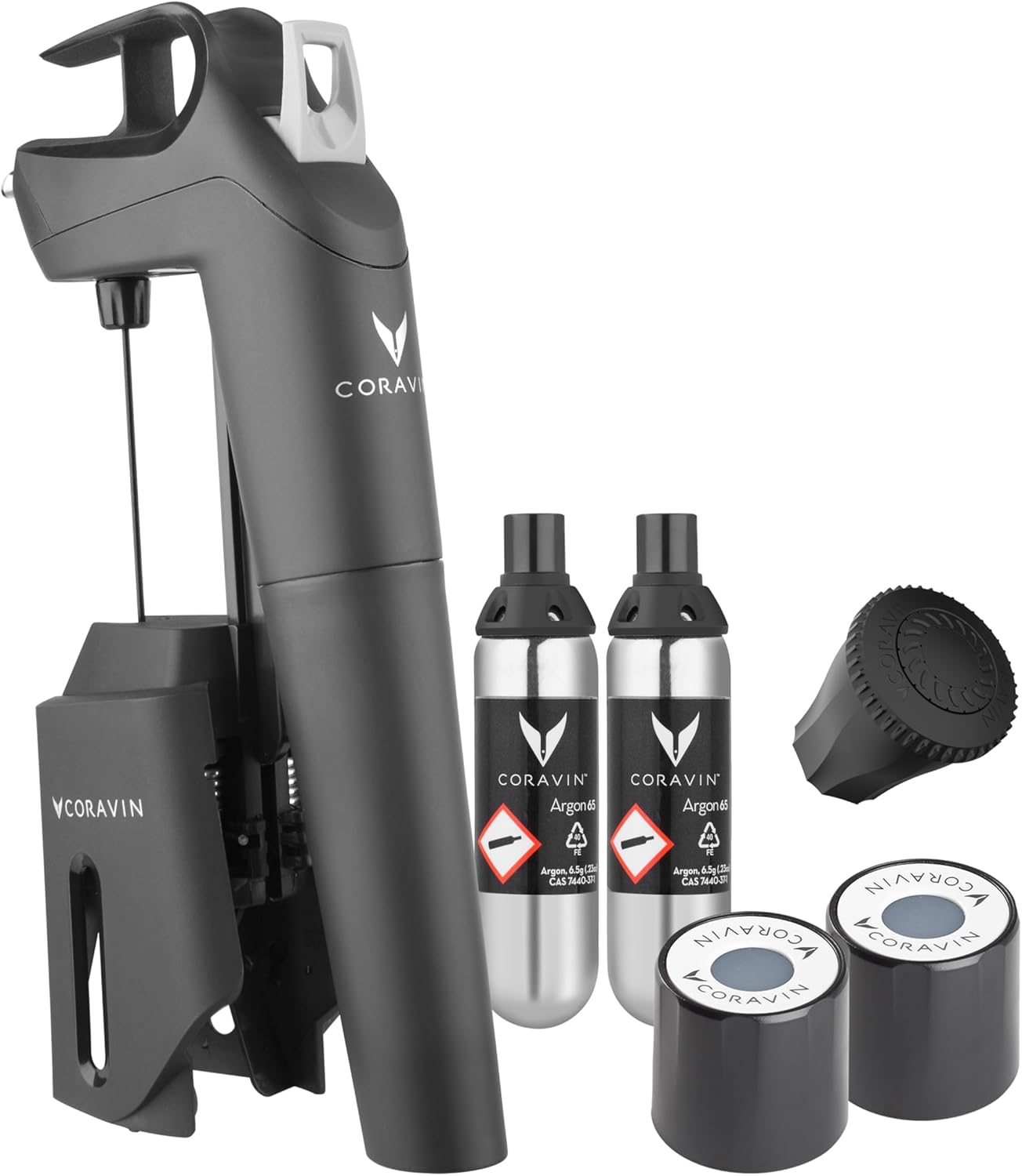
When you pour a glass from an opened bottle, oxygen enters and starts to react with the wine. While a little air can help red wine open up and release aromas, too much will break down the delicate flavors. This is why wine preservation is so important if you want to keep wine tasting its best after opening. Using a cork, wine stoppers, or advanced preservation systems like inert gas sprays or a Coravin Timeless can help slow down this process by limiting the wine’s contact with air.
Why Different Wines React Differently
Not all wines react the same way after opening. Sparkling wines, for example, lose their bubbles quickly once exposed to air, while red wine and white wine can last a few days if stored properly. The structure, acidity, and alcohol content of the wine all play a role in how long it will stay fresh. This is why it’s important to use the best preservation method for each type of wine and to store opened bottles under the right conditions.
How Storage Conditions Affect Freshness
Proper storage is key to preserving the quality of opened wine. Keeping the bottle in a cool, dark place, like a wine fridge, can slow down oxidation and help maintain the wine’s flavors. If you want to learn more about how a humidity-controlled wine fridge can enhance your wine preservation efforts, check out this guide on humidity-controlled wine fridges.
- Oxygen is the main factor that causes wine to change after opening.
- Different wines have different shelf lives once opened.
- Using the right preservation tools and storage conditions will help keep your wine fresh for longer.
Choosing the right wine preservation tools
Essential Tools for Preserving Opened Wine
Once a bottle of wine is opened, exposure to oxygen starts to change its character. To keep wine fresh after opening, using the right preservation tools is key. The best wine preservation systems help slow down oxidation, preserve aromas, and extend the life of your wine, whether it’s red wine, white wine, or sparkling wines.
- Wine Stoppers: Simple stoppers can help seal the bottle and limit air exposure. For sparkling wines, a specialized bubbly wine stopper is essential to maintain carbonation and keep the wine fresh.
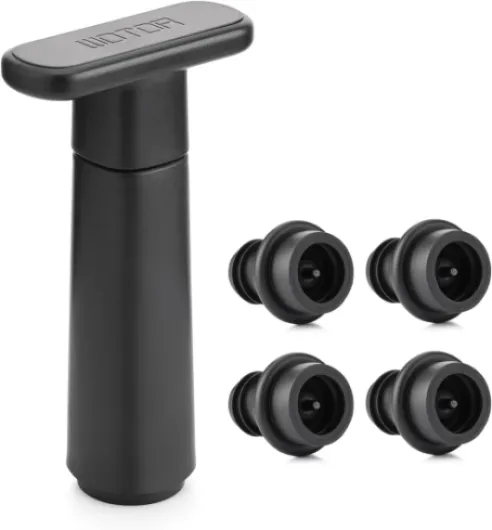
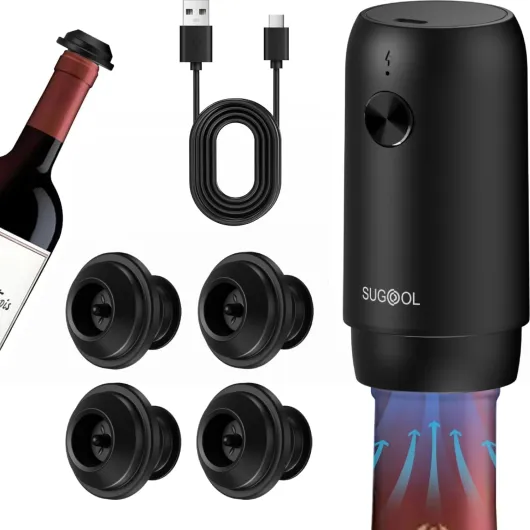
- Vacuum Pumps: These devices remove air from the opened bottle, reducing the amount of oxygen that interacts with the wine. This method is popular for everyday wines and can help preserve wine for a few extra days.
- Inert Gas Systems: Spraying inert gas (like argon) into the bottle forms a protective layer above the wine, displacing oxygen. This is an effective way to keep wine after opening, especially for those who want to enjoy a glass at a time without finishing the bottle.
- Coravin Systems: The Coravin Timeless and similar preservation systems allow you to pour wine without removing the cork. A thin needle pierces the cork, and inert gas is injected, letting you pour a glass while keeping the rest of the bottle wine untouched by air. This is ideal for preserving high-quality wines over weeks or even months.
- Wine Fridge: While not a preservation tool in itself, storing opened wine in a wine fridge at the right temperature slows down oxidation and helps maintain freshness.
Choosing the best preservation system depends on your wine habits. If you often open multiple bottles or want to keep wine fresh for longer, investing in a quality preservation system like Coravin or an inert gas spray is worthwhile. For casual wine drinkers, a good stopper and proper storage can make a noticeable difference in how your wine after opening tastes over the next few days.
Remember, the right tools can help you enjoy every glass and reduce waste, but they work best when combined with proper storage conditions and awareness of how long different wines last after opening.
Proper storage conditions for opened wine
Ideal Environments for Opened Bottles
Once a wine bottle is opened, oxygen begins to interact with the wine, which can quickly affect its flavor and freshness. To keep wine fresh after opening, the way you store the bottle is just as important as the preservation tools you use. Here’s what you need to know about creating the best storage conditions for opened wine:
- Temperature matters: Store opened bottles in a cool, consistent environment. A wine fridge is ideal, as it keeps the temperature lower than a regular refrigerator and avoids rapid temperature changes that can spoil the wine.
- Limit oxygen exposure: Always reseal the bottle with its original cork, a wine stopper, or a specialized wine preservation system. The less air in contact with the wine, the longer it will stay fresh.
- Keep bottles upright: Storing bottles upright reduces the surface area exposed to oxygen, slowing down the oxidation process.
- Avoid light and vibration: Store your opened wine away from direct sunlight and sources of vibration, which can degrade the wine’s quality over time.
Special Considerations for Different Wines
- Red wine: Store in a cool, dark place or in a wine fridge. If you don’t have a wine fridge, the regular fridge works, but let the wine warm up slightly before serving.
- White wine and sparkling wines: Always refrigerate after opening. Sparkling wines need a specialized stopper to maintain their bubbles and prevent oxygen from entering the bottle.
Preservation Systems and Accessories
Using wine preservation systems like vacuum pumps, inert gas sprays, or advanced tools such as the Coravin Timeless can help preserve wine after opening. These systems limit the wine’s contact with oxygen, keeping it fresher for more days. For more detailed advice on how to keep your wine at its best, check out these expert tips for preserving wine.
By following these best practices, you can enjoy your opened bottle wine over several days without sacrificing quality or flavor.
How long different wines last after opening
How Long Can You Keep Opened Wine Fresh?
Once a bottle of wine is opened, its exposure to oxygen starts a countdown on freshness. The type of wine, the preservation system used, and storage conditions all impact how long the wine will stay enjoyable after opening. Here’s what you need to know about the shelf life of different wines after the cork is pulled.
- Sparkling wines: These are the most sensitive to air. Even with a proper sparkling wine stopper, expect them to keep their bubbles and fresh taste for just 1 to 3 days. The pressure in the bottle drops quickly, so enjoy your sparkling wines soon after opening.
- White wine and rosé: When stored in the fridge with a tight stopper or cork, these wines generally stay fresh for 3 to 5 days. Using an inert gas preservation system can help extend this period by limiting oxygen exposure.
- Red wine: Red wines can last 3 to 5 days after opening if you re-cork the bottle and keep it in a cool, dark place or in a wine fridge. Some preservation tools, like a Coravin Timeless system, allow you to pour a glass without removing the cork, which can keep red wine fresh for weeks or even months.
- Fortified wines (like Port or Sherry): Thanks to higher alcohol content, these wines can last up to 4 weeks after opening if stored properly with a stopper and away from heat and light.
Remember, the best way to preserve wine after opening is to minimize its contact with air. Using quality wine preservation tools, such as vacuum stoppers or inert gas sprays, can help keep wine fresh longer. If you enjoy a glass from an open bottle, reseal it quickly and store it under the best conditions possible. Each wine is unique, so always check for changes in aroma or taste before pouring another glass.
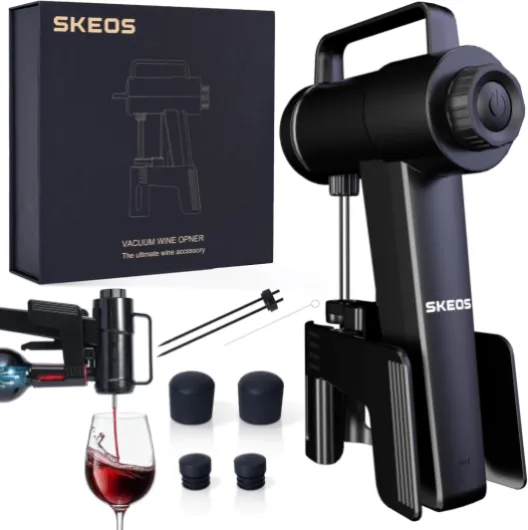
- + Easy extraction
- + No cork damage
- + Vacuum seal for freshness
- + Great for wine lovers
- + Stylish black design

Common mistakes to avoid when storing opened wine
Frequent Storage Errors That Shorten Wine's Freshness
Even with the best intentions, it’s easy to make mistakes that can cause your opened wine to lose its freshness quickly. Here are some of the most common errors people make when trying to preserve wine after opening a bottle:
- Leaving the bottle open or loosely corked: Exposure to air is the main reason wine changes after opening. If you don’t reseal the bottle tightly with a cork or a quality wine stopper, oxygen will quickly degrade the flavors and aromas.
- Storing wine upright for too long: While it’s fine for short-term storage, keeping an opened bottle upright increases the surface area exposed to oxygen. Laying the bottle on its side helps minimize this contact, especially if you plan to keep wine for several days.
- Using the wrong preservation tools: Not all stoppers or preservation systems are created equal. Basic corks may not seal as well as vacuum pumps, inert gas sprays, or advanced systems like Coravin Timeless, which allow you to pour wine without removing the cork and exposing the rest of the bottle to air.
- Storing at room temperature: Opened wine should be kept in a wine fridge or the regular refrigerator. Warmer temperatures speed up oxidation, so keeping wine cool is one of the best ways to preserve wine after opening.
- Forgetting about sparkling wines: Sparkling wines lose their bubbles quickly if not sealed with a proper sparkling wine stopper. Regular wine stoppers or corks won’t keep the carbonation intact, so always use a stopper designed for sparkling wines.
- Ignoring the type of wine: Red wine, white wine, and sparkling wines all have different shelf lives after opening. Don’t assume all wines will last the same number of days—some delicate whites or rosés may fade faster than robust reds.
- Not cleaning wine glasses and stoppers: Residue in your wine glass or on your stoppers can introduce unwanted flavors or bacteria, which may spoil your wine after opening.
By avoiding these common mistakes, you’ll help keep your opened bottle wine tasting fresh for as long as possible. Using the right preservation system, storing in the right conditions, and paying attention to the type of wine will all contribute to a better wine preservation experience.
Expert tips for enjoying leftover wine
Simple actions to maximize wine enjoyment after opening
- Pour wine into a clean wine glass to avoid any lingering flavors from previous pours. This helps you appreciate the wine's true character after opening.
- Use a wine preservation system like Coravin Timeless for high-value bottles. These systems let you pour wine without removing the cork, reducing oxygen exposure and keeping wine fresh for weeks.
- For everyday bottles, inert gas sprays can help preserve wine by creating a protective layer over the liquid, minimizing contact with air. This is especially useful for red wine and white wine alike.
- Always reseal the bottle with its original cork, a tight stopper, or a vacuum pump. This slows down oxidation and helps preserve wine quality for several days.
- Store opened bottles upright in a wine fridge or cool, dark place. This reduces the surface area exposed to oxygen and helps keep wine at a stable temperature.
- If you have sparkling wines, use a dedicated sparkling wine stopper to maintain bubbles and freshness. Regular stoppers won’t hold the pressure needed for these wines.
Making the most of leftover wine
- Plan meals that pair well with the wine you have left. This way, you can enjoy the bottle wine over a few days without feeling rushed.
- Consider using leftover wine in cooking. Red wine can enhance sauces, while white wine adds depth to seafood or poultry dishes.
- Invite friends for a tasting. Sharing opened wine with others is a great way to explore different bottles and avoid waste.
- Keep track of how long each wine has been open. Most wines will stay fresh for 3 to 5 days with proper preservation, but sparkling wines and delicate whites may fade faster.
Expert reminders for wine preservation
- Every wine reacts differently to oxygen. Lighter wines may lose freshness quickly, while some robust reds can open up and improve for a day or two after opening.
- Don’t rely solely on the number of days. Always trust your senses—if the wine smells off or tastes flat, it’s time to let it go.
- Invest in quality wine preservation tools. A good stopper, vacuum pump, or advanced system like Coravin can make a noticeable difference in how long you can keep wine fresh after opening.