
Understanding the purpose of a decanter
Why Decanting Matters for Wine Lovers
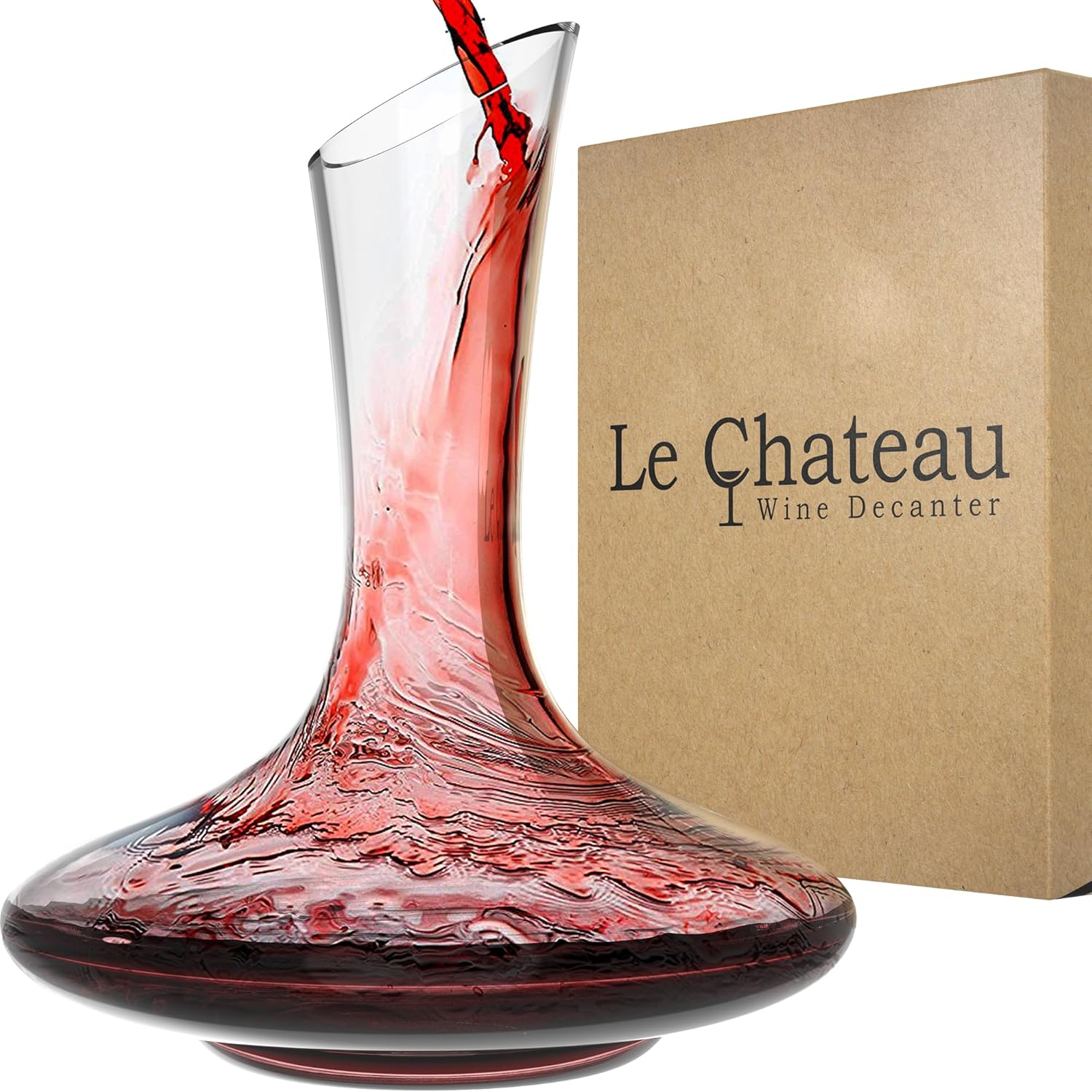
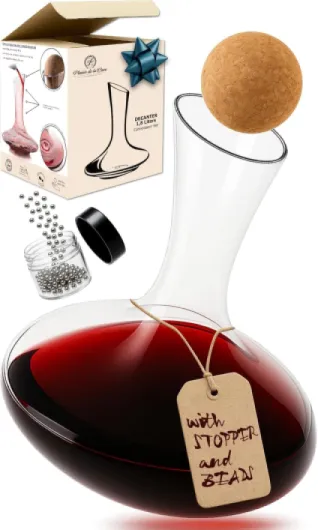
When you pour wine from the bottle into a decanter, you’re not just making it look elegant in a glass vessel. The main purpose of a decanter is to enhance your wine experience by allowing the liquid to interact with air. This process, known as aeration, can significantly improve the flavor and aroma of many wines, especially full-bodied reds like cabernet sauvignon.
Decanting wine also helps separate the wine from sediment that can collect at the bottom of the bottle, particularly in older wines. Sediment isn’t harmful, but it can affect the texture and clarity of your glass. By pouring slowly and leaving the last bit of liquid in the original bottle, you can enjoy a cleaner, smoother pour.
It’s important to note that not all wines need decanting. While bodied reds often benefit the most, some younger wines and even certain whiskies can open up with a bit of time in a decanter. However, sparkling wines are generally best enjoyed straight from the bottle to preserve their bubbles. If you’re curious about keeping your sparkling wine fresh, check out this guide on the right bubbly wine stopper.
Understanding what decanter to use and how long to decant wine depends on the type of wine and your personal taste. In the next sections, you’ll learn how decanters affect wine flavor, which wines should be decanted, and how to avoid common mistakes when using a decanter.

How a decanter affects wine flavor and aroma
Unlocking Flavors and Aromas Through Aeration
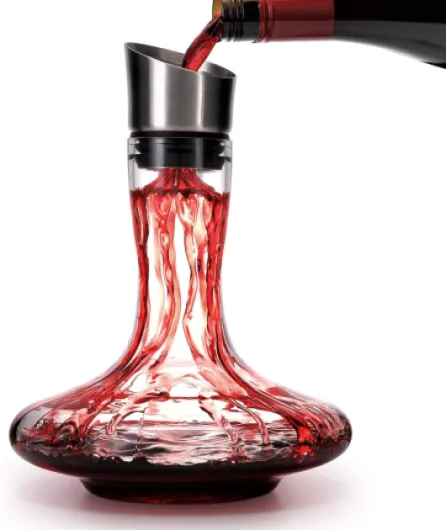
When you decant wine, you do more than just transfer liquid from the bottle to a glass vessel. The main benefit comes from aeration. As wine is poured into a decanter, it meets oxygen, which starts a series of chemical reactions. This process helps release aromas and soften flavors, especially in red wines and bodied reds like cabernet sauvignon.
Many wines, particularly those that have been aging in a bottle for years, can develop strong or muted aromas. Decanting wine allows these scents to open up, making the drinking experience more enjoyable. The exposure to air can also help reduce harsh tannins, making the wine taste smoother and more balanced. For younger red wines, a decanter can help mellow out the bold flavors that sometimes overwhelm the palate.
Another key reason to decant wine is to separate sediment from the liquid. Older wines, especially reds, often develop sediment at the bottom bottle. Pouring the wine slowly into a decanter leaves the sediment in the original bottle, so you get a clear, clean pour in your glass. This is particularly important for those who want the best possible experience from their bottle wine.
While decanting is most commonly associated with wine, some enthusiasts also use decanters for whisky. The principle is similar: allowing the spirit to breathe can enhance its aroma and flavor profile, though the impact is generally more pronounced with wine.
Decanting time varies depending on what wine you are serving. Some wines benefit from just a few minutes decanting, while others, like cabernet sauvignon or older wines, may need more time to fully open up. Double decanting is another technique where wine is poured from the bottle into a decanter and then back into the bottle upright, which can further enhance aeration.
For those interested in exploring larger formats, wine magnum bottles offer unique aging and flavor benefits, and decanting these can be especially rewarding.
Understanding what decanter to use and how long to decant wine will help you get the most from your wines. Whether you are working with red wines, sparkling wines, or even whisky, the right approach to decanting can elevate your tasting experience.
Types of wines that benefit from decanting
Which Wines Gain the Most from Decanting?
Not every wine benefits equally from time in a decanter. Understanding what wine to decant can make a big difference in your tasting experience. Here’s a breakdown of the types of wines that typically see the most improvement from decanting:
- Full-bodied reds: Wines like cabernet sauvignon, syrah, and malbec often have strong tannins and concentrated flavors. Decanting these wines helps soften the tannins and allows the aromas to open up, making the wine smoother and more expressive.
- Older wines: Mature reds may have sediment at the bottom bottle. Decanting separates the liquid from the sediment, ensuring a cleaner glass. However, older wines can be delicate, so limit the time in the decanter to avoid losing subtle aromas.
- Young, bold reds: Young wines, especially those with high tannin, benefit from aeration. Pouring into a decanter exposes the wine to air, which can help mellow harsh edges and bring out hidden flavors.
- Some whites and rosés: While less common, certain white wines with complex structures or those aged in oak barrels can also benefit from a short time in a decanter.
On the other hand, sparkling wines and light-bodied reds usually don’t need decanting. The process can strip away bubbles or delicate aromas. For these, serving straight from the wine bottle is often best.
Double decanting is another technique used for wines with heavy sediment or when you want to aerate wine quickly. This involves pouring the wine from the original bottle into a decanter, then back into the bottle upright, leaving sediment behind. If you’re curious about how to keep your wine fresh after opening, check out this guide on enhancing your wine storage experience.
Ultimately, the best way to know which wines decanted work for your palate is to experiment. Try decanting wine for different minutes decanting and see how the flavors and aromas change in your glass.
Choosing the right decanter for your needs
Key Factors When Picking a Decanter
Choosing the right decanter is about more than just style. The right vessel can help you decant wine efficiently, enhance aeration, and even make serving easier. Here are some important points to consider when selecting a decanter for your wines:
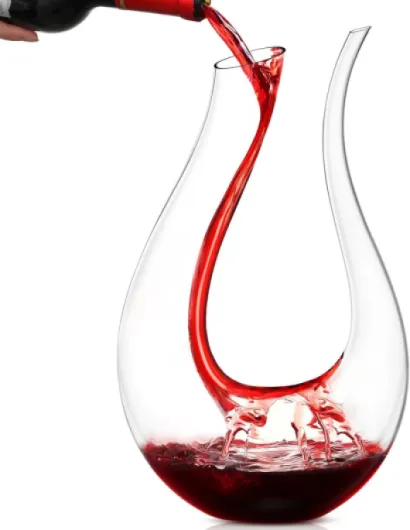
- Shape and Size: Wide-bottom decanters are ideal for full-bodied reds like cabernet sauvignon, as they increase the surface area for aeration. Narrower decanters are better for older wines that need gentle handling to avoid disturbing sediment.
- Material: Most decanters are made from glass or crystal. Both are non-reactive, but crystal is often heavier and can feel more luxurious. Avoid colored glass, as it makes it harder to judge the clarity of the liquid and spot sediment.
- Ease of Pouring: A decanter with a well-designed spout helps you pour wine smoothly and minimizes drips. Some decanters also have handles for better grip, which is useful when pouring from a heavy, filled vessel.
- Capacity: Make sure your decanter can hold a standard wine bottle (750 ml). Some decanters are designed for magnums or smaller pours, so check the volume before buying.
- Cleaning: Decanters with wide necks are easier to clean, especially if you decant red wines that can leave stains. Consider how you will maintain your decanter over time.
Matching Decanters to Wine Styles
Different wines benefit from different decanter shapes. For example, bold reds like cabernet sauvignon or syrah need more aeration, so a wide-bottom decanter is best. For older wines, a smaller, more upright decanter helps keep sediment at the bottom bottle and reduces exposure to air. Sparkling wines and most whites rarely need decanting, but if you do, use a decanter that preserves bubbles and chills easily.
Specialty Decanters and Other Uses
Some decanters are designed for double decanting, which means you pour the wine from the original bottle into the decanter, then back into the bottle upright. This can help with sediment management and presentation. There are also decanters for whisky and spirits, but these are typically more about aesthetics than aeration.
- Wide-bottom decanter: Best for young, tannic reds
- Narrow decanter: Ideal for older wines with sediment
- Standard glass decanter: Good all-purpose choice
Ultimately, the best decanter for you will depend on what wine you drink most often, how much time you have for decanting, and your serving preferences. Take time to consider your needs before you fill your next decanter wine and pour a glass.
Step-by-step guide to decanting wine
Preparing Your Wine and Decanter
- Stand the wine bottle upright for several hours before decanting, especially for older wines. This allows sediment to settle at the bottom bottle, making it easier to separate the liquid from the sediment during pouring.
- Choose a clean, dry decanter. Any leftover water or residue can affect the wine’s aroma and flavor.
- For bodied reds or cabernet sauvignon, select a decanter with a wide base to maximize aeration. For older wines, a smaller decanter may be best to minimize oxygen exposure.
Pouring and Aerating
- Open the wine bottle carefully. If it’s an older wine, use a gentle hand to avoid disturbing the sediment.
- Slowly pour the wine into the decanter. Watch the neck of the bottle and stop pouring when you see sediment reaching the shoulder. This keeps the decanter wine clear and free from unwanted particles.
- For red wines and bodied reds, let the wine sit in the decanter for 30 minutes to an hour. This time allows the wine to breathe and develop its full aroma and flavor profile.
- For younger wines, vigorous swirling in the decanter can help speed up aeration. For older wines, avoid swirling to preserve delicate aromas.
Special Techniques and Tips
- Double decanting can be useful for wines with heavy sediment. Pour the wine from the bottle into the decanter, rinse the original bottle to remove sediment, then pour the wine back into the clean bottle using a funnel.
- Not all wines need decanting. Sparkling wines and most white wines are best served directly from the bottle, as decanting can diminish their freshness.
- Use a glass or candle under the neck of the bottle while pouring to better see the sediment and stop at the right moment.
- Decanters are not just for wine. Whisky enthusiasts sometimes use a decanter to aerate and serve their spirits, though the process and benefits differ from wine decanting.
Timing and Serving
- Check the recommended minutes decanting for your specific wine. Some red wines benefit from longer aeration, while older wines may only need a few minutes.
- Pour the decanted wine into glasses and enjoy. If you’re unsure what decanter or how long to decant wine, start with a short period and taste as you go.
Common mistakes to avoid when using a decanter
Frequent pitfalls when decanting wine
- Rushing the process: One of the most common mistakes is not giving the wine enough time to aerate. While some red wines, like cabernet sauvignon or full-bodied reds, may need 30 minutes or more, lighter wines or older wines can be overwhelmed by too much air. Always consider what wine you are decanting and adjust the minutes accordingly.
- Decanting the wrong wines: Not all wines benefit from decanting. Sparkling wines, for example, can lose their bubbles and freshness. Some older wines may be too delicate and can deteriorate quickly once exposed to air. Understanding which wines should be decanted is key to getting the best results.
- Pouring too quickly: When transferring wine from the bottle to the decanter, pouring too fast can disturb sediment at the bottom bottle, especially in older reds. This can cloud the liquid and affect the flavor and aroma. Pour slowly and steadily, watching for sediment as you reach the end.
- Not standing the bottle upright: Before decanting wine, especially those with sediment, it’s best to let the bottle wine stand upright for several hours. This helps sediment settle at the bottom, making it easier to leave behind during the pour.
- Overfilling the decanter: Filling the decanter to the top reduces the surface area exposed to air, limiting aeration. For best results, fill only enough to allow the wine to spread out and interact with air.
- Using the wrong decanter: The shape and size of the decanter matter. A wine decanter designed for bodied reds may not be ideal for lighter wines or whisky. Choosing the right decanter ensures proper aeration and enhances your wine experience.
- Ignoring double decanting: For some wines, especially those with heavy sediment or in large formats, double decanting—pouring the wine into a decanter and then back into the original bottle—can help separate sediment and aerate wine more effectively.
By being mindful of these common mistakes, you will get the most out of your decanter and enjoy the full potential of your wines, whether you are pouring a young red, an aged bottle, or exploring what decanters can do for your glass.