Understanding the basics of wine preservation
Why Wine Preservation Matters
Keeping your wine at its best is not just about taste—it's about protecting your investment and enjoying every bottle as intended. Wine is sensitive to light, temperature, and oxygen. Even a short time exposed to the wrong conditions can change the flavor and aroma of your favorite wines. Whether you’re storing a single bottle or a collection, understanding the basics of wine preservation helps you keep wine fresh and enjoyable for days, weeks, or even longer.
Key Factors That Affect Wine Freshness
- Oxygen Exposure: Once a bottle wine is opened, oxygen starts to interact with the wine. While a little oxygen can help a wine open up, too much leads to oxidation, which dulls flavors and aromas. Using a wine stopper or wine saver system can slow this process and keep your opened bottle fresh.
- Temperature: Wine is best preserved at a consistent, cool temperature. Fluctuations can cause the wine to age too quickly or develop off-flavors. This is why many wine lovers invest in a dedicated wine cooler or preservation system.
- Light and Humidity: Direct sunlight and dry air can spoil wine. Store bottles away from bright lights and keep humidity moderate to prevent corks from drying out.
Preservation Tools and Techniques
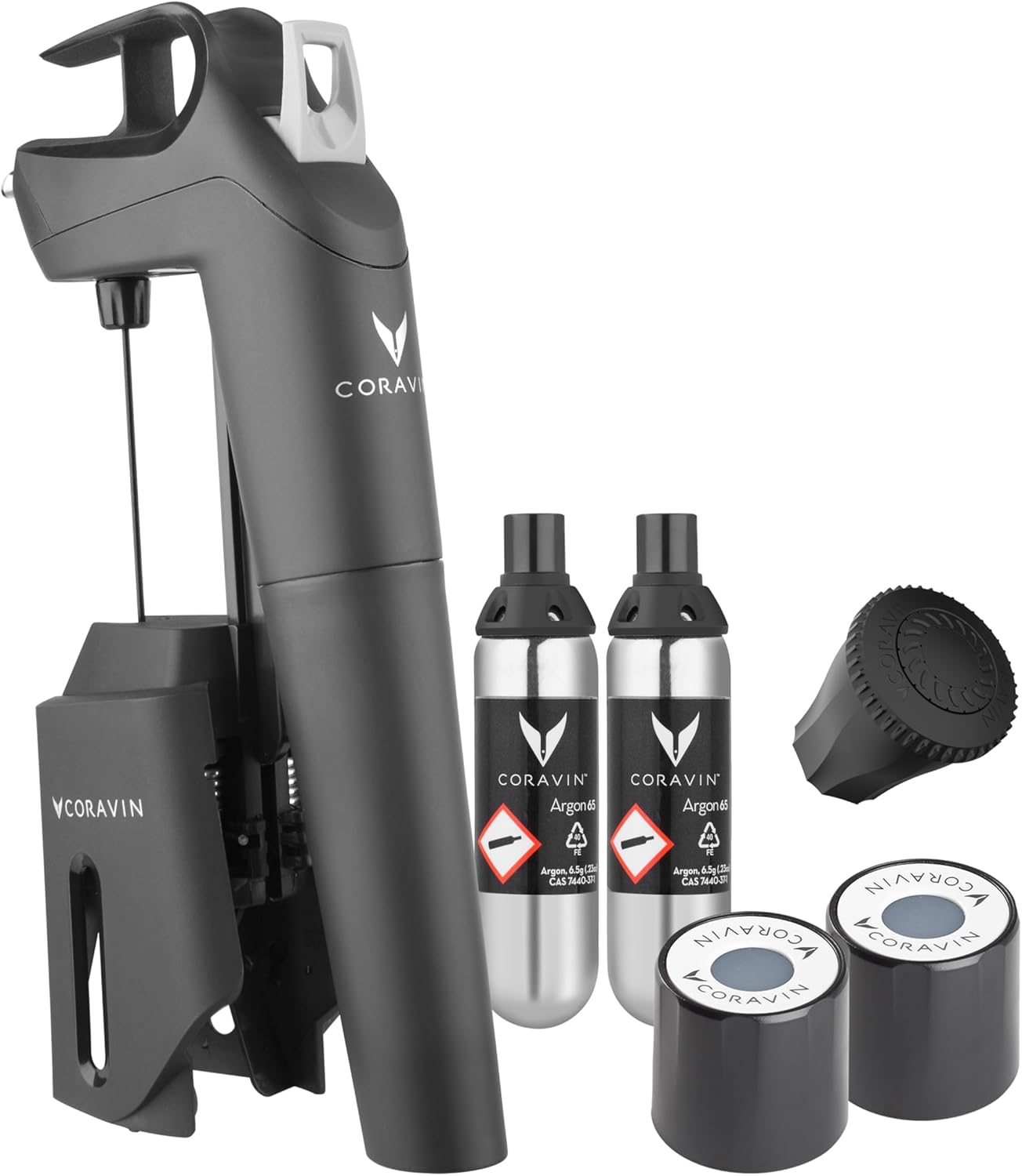
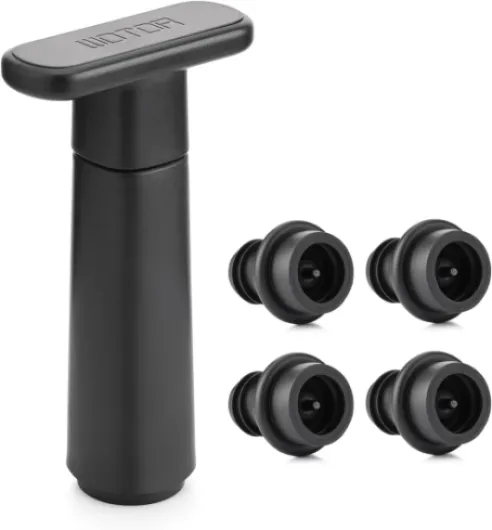
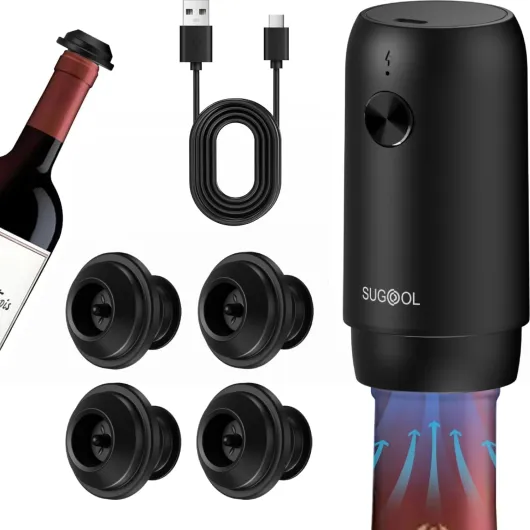
There are several easy-to-use wine preservation systems designed to keep wine fresh after opening. Options include vacuum wine stoppers, inert gas sprays like Private Preserve, and advanced systems such as Coravin, which allow you to pour wine without removing the cork. For sparkling wines, specialized sparkling wine stoppers are essential to maintain bubbles and freshness. Repour wine savers are another option for those who want to preserve wine for several days after opening.
Different Wines, Different Needs
Red, white, and sparkling wines each have unique preservation requirements. Sparkling wines, for example, lose their effervescence quickly without the right stopper. Meanwhile, delicate reds like Pinot Noir benefit from careful temperature control. If you’re curious about the best way to enjoy Pinot Noir at the perfect chilled temperature, check out this guide on enjoying Pinot Noir at the perfect chilled temperature.
How Long Can You Keep an Opened Bottle?
Most opened wine bottles stay fresh for a few days with proper preservation. Sparkling wines are best consumed within a day or two, while still wines can last up to a week if you use a good wine stopper or preservation system. For longer-term storage, investing in a wine cooler and using advanced preservation systems can help you preserve wine quality over time.
Common mistakes to avoid when storing wine
Easy mistakes that can ruin your wine
Many wine lovers unknowingly make simple errors that can spoil a bottle before it’s enjoyed. Understanding these common pitfalls helps you keep wine fresh and preserve its best qualities. Here’s what to watch out for:
- Leaving bottles open too long: Once a wine bottle is opened, oxygen starts to interact with the wine. While a little oxygen can help develop flavors, too much exposure leads to oxidation, making the wine taste flat or sour. Try to finish an opened bottle within a few days, or use a wine preservation system like a wine stopper, Coravin, or Repour to keep wine fresh for longer.
- Improper sealing: Simply pushing the original cork back in isn’t always enough. Air can still get inside. Use a dedicated wine stopper or wine saver system for a tighter seal, especially for sparkling wines and sparkling wine bottles, which lose their fizz quickly.
- Storing wine upright for too long: For long-term preservation, wine bottles should be stored on their sides. This keeps the cork moist and prevents it from drying out, which can let air in and spoil the wine.
- Exposing wine to heat and light: Both can speed up spoilage. Keep your wine bottles away from direct sunlight and heat sources. A wine cooler or dedicated preservation system offers stable conditions for both opened and unopened bottles.
- Forgetting about opened bottles: Even with the best wine preservation systems, opened wine has a limited shelf life. Most wines stay fresh for 3–5 days, while sparkling wines and lighter styles may last only a day or two. Label your opened bottles with the date of fresh opening to track their age.
For more on how oxygen and aeration affect your wine, check out this guide on how to properly aerate wine for the best flavor experience.
By avoiding these mistakes and using the right preservation tools, you can enjoy every bottle wine at its best, whether it’s a special vintage or an everyday pour.
How wine coolers help in preserving wine
Why a dedicated cooler makes a difference
Storing wine in a standard refrigerator or at room temperature can lead to rapid spoilage. Wine coolers are designed to maintain a stable environment, which is essential for keeping your wine fresh and preserving its character. These appliances control temperature and humidity, two key factors in wine preservation. By minimizing temperature fluctuations and preventing excess dryness, wine coolers help slow down oxidation and keep your bottles in optimal condition for longer periods.
How wine coolers protect your bottles
- Consistent temperature: Wine coolers keep your wine at a steady temperature, usually between 45°F and 65°F. This range is ideal for both red and white wines, preventing the wine from aging too quickly or losing its freshness.
- Humidity control: Proper humidity levels (around 60-70%) help prevent corks from drying out, which can let oxygen into the bottle and spoil the wine. Wine coolers maintain this balance, unlike regular fridges.
- Protection from light: Many wine coolers have UV-resistant glass doors to shield your bottles from harmful light, which can degrade wine over time.
- Vibration reduction: Excessive movement can disturb the sediment in wine bottles and affect flavor. Wine coolers are built to minimize vibration, keeping your wines stable.
Preserving opened bottles and sparkling wines
Once a bottle wine is opened, oxygen exposure becomes a major concern. Wine preservation systems like vacuum pumps, wine stoppers, and advanced systems such as Coravin or Repour wine savers can help keep wine fresh for several days. For sparkling wine, specialized sparkling wine stoppers are essential to maintain the bubbles and prevent flatness. Storing opened wine bottles in a wine cooler further extends their freshness by keeping them at the right temperature and slowing down oxidation.
Easy-to-use preservation systems
There are many easy solutions for wine lovers who want to preserve wine after a fresh opening. Wine stoppers, vacuum pumps, and inert gas sprays like Private Preserve are popular options. These systems help limit oxygen contact and keep your wine tasting its best for more days. For those who enjoy sparkling wines, using a dedicated sparkling wine stopper is key to maintaining effervescence.
For more insights on proper storage and how corks play a role in wine preservation, explore our guide on the art of wine and cork storage.
Choosing the right wine cooler for your needs
Finding the Perfect Wine Cooler for Your Collection
Choosing the right wine cooler is essential for keeping your wine bottles at their best. Not all wines need the same storage conditions, so it’s important to match your wine preservation system to your collection and habits. Here are some key points to consider when selecting a wine cooler:
- Capacity: Think about how many bottles you want to store. If you often have opened bottles or like to keep a variety of wines, a larger unit may be best. For occasional use, a compact wine cooler can be more practical.
- Temperature Zones: Dual-zone coolers allow you to store red and white wines at their ideal temperatures. This is especially useful if you enjoy both sparkling wine and still wines, as each type benefits from different storage conditions.
- Humidity Control: Proper humidity helps preserve wine by keeping corks from drying out. Look for a wine cooler with humidity regulation to maintain the freshness of your wine bottles over time.
- Vibration and Light: Excess vibration and light can spoil wine. Choose a cooler with UV-protected glass and low-vibration technology to keep your wine fresh and protected from spoilage.
- Ease of Use: Features like digital controls, adjustable shelves, and easy access make it simpler to organize and retrieve your bottles, especially when you want to repour wine or store an opened bottle for a few more days.
Matching Your Preservation Needs
If you regularly open bottles but don’t finish them right away, consider a wine preservation system that works with your cooler. Systems like Coravin or wine stoppers help keep opened wine fresh by limiting oxygen exposure. For sparkling wines, specialized sparkling wine stoppers can maintain the bubbles and flavor for several days after opening. Some coolers even have dedicated sections for opened bottles, making it easy to keep wine fresh between pours.
Long-Term vs. Short-Term Storage
Think about how long you plan to store your wines. For long-term preservation, a stable environment is crucial. For short-term enjoyment, focus on convenience and easy access. The best wine coolers offer flexibility, allowing you to store both unopened and opened bottles, and to use wine saver tools or preservation systems as needed. This way, you can enjoy a fresh opening every time, whether it’s a bottle of sparkling or a rare vintage.
| Feature | Why It Matters |
|---|---|
| Dual Temperature Zones | Ideal for storing both red and white wines at their best temperatures |
| Humidity Control | Keeps corks moist, preventing spoilage and preserving wine quality |
| Low Vibration | Protects wine from agitation, which can affect flavor over time |
| UV Protection | Shields wine bottles from light that can degrade wine |
| Adjustable Shelves | Allows storage of various bottle sizes, including sparkling wines |
By considering these factors, you can select a wine cooler that supports your wine preservation goals, keeps your bottles safe, and ensures every open bottle wine experience is as fresh as possible.
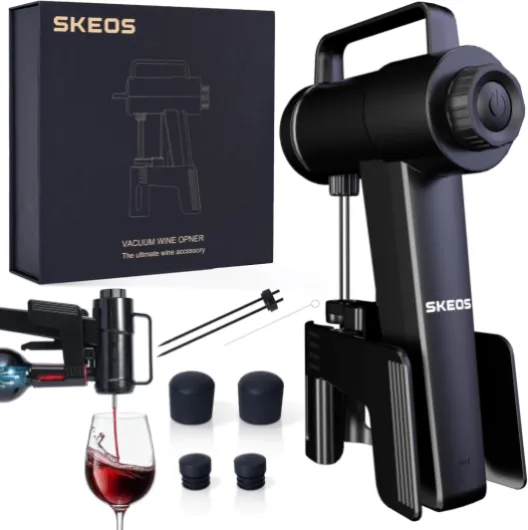
- + Easy extraction
- + No cork damage
- + Vacuum seal for freshness
- + Great for wine lovers
- + Stylish black design

Tips for long-term wine storage
Smart strategies for keeping wine fresh over time
Long-term wine storage is about more than just finding a cool, dark place. To keep wine at its best, you need to consider how oxygen, temperature, and light can impact the preservation of both red and white wines. Here are some practical tips to help you preserve wine and enjoy every bottle at its peak.
- Control temperature and humidity: Store wine bottles at a steady temperature, ideally between 45°F and 65°F. Fluctuations can cause the wine to age too quickly or spoil. Humidity should be around 60% to keep corks from drying out and letting oxygen in.
- Store bottles horizontally: Keeping bottles on their sides ensures the wine stays in contact with the cork, preventing it from drying and shrinking. This is especially important for long-term preservation.
- Limit exposure to light and vibration: Light, especially sunlight, can damage wine and cause it to age prematurely. Store bottles in a dark place and avoid frequent movement or vibration, which can disturb the sediment and affect the wine's flavor.
- Use wine preservation systems: For opened bottles, tools like a wine stopper, wine saver, or advanced systems such as Coravin or Repour can help keep wine fresh for days or even weeks. These systems limit the wine's contact with oxygen, which is key to maintaining its quality after opening.
- Special care for sparkling wines: Sparkling wine and sparkling wines need airtight stoppers designed for carbonation. Regular wine stoppers may not keep the bubbles intact, so invest in a dedicated sparkling wine preservation system to keep your sparkling wine lively after a fresh opening.
- Monitor your collection: Check your wine bottles regularly for signs of spoilage, such as seepage, mold, or off smells. Early detection can help you address issues before they affect more bottles.
- Preserve unfinished bottles: If you open a bottle wine and don't finish it, reseal it as soon as possible. Use a wine stopper or preservation system to minimize oxygen exposure and keep the wine fresh for your next pour.
With these easy-to-follow tips, you can keep wine at its best, whether you’re storing a single opened bottle or managing a collection of wines. Proper preservation systems and attention to storage conditions make all the difference in enjoying your wine over time.
What to do if your wine shows signs of spoilage
Recognizing and Responding to Spoilage
Even with the best preservation systems and careful storage, sometimes a wine bottle can show signs of spoilage. Knowing what to look for and how to react can help you avoid disappointment and protect your collection.
- Unpleasant Odors: If an opened bottle gives off a smell of vinegar, wet cardboard, or rotten eggs, it’s likely spoiled. These aromas often signal that oxygen has affected the wine or bacteria have taken hold.
- Strange Appearance: Cloudiness, unexpected bubbles in still wines, or a brownish tint can indicate the wine is past its best. Sparkling wine should have lively bubbles, but if it’s flat or has off-putting foam, it may be compromised.
- Odd Taste: A sour, sharp, or musty flavor is a clear sign the wine is no longer fresh. Trust your palate—if the wine tastes off, it’s best not to drink it.
What to Do Next
- Don’t Panic: One spoiled bottle doesn’t mean your entire collection is at risk. Check your storage conditions and review your wine preservation methods to prevent future issues.
- Improve Preservation: Use a reliable wine stopper, vacuum wine saver, or advanced systems like Coravin or Private Preserve to keep wine fresh after opening. For sparkling wines, specialized stoppers help maintain bubbles for several days.
- Limit Oxygen Exposure: After opening, reseal the bottle promptly. Systems that remove or replace oxygen, such as repour wine stoppers or inert gas sprays, can extend the life of your opened wine.
- Monitor Opened Bottles: Try to finish an opened bottle within a few days. For long-term storage, always keep bottles in a cool, stable environment, ideally in a wine cooler.
When to Discard
If a wine bottle shows clear signs of spoilage, it’s safest to discard it. Drinking spoiled wine won’t harm you, but it won’t be enjoyable. Use this as a learning experience to refine your wine preservation techniques and keep your wines at their best for next time.