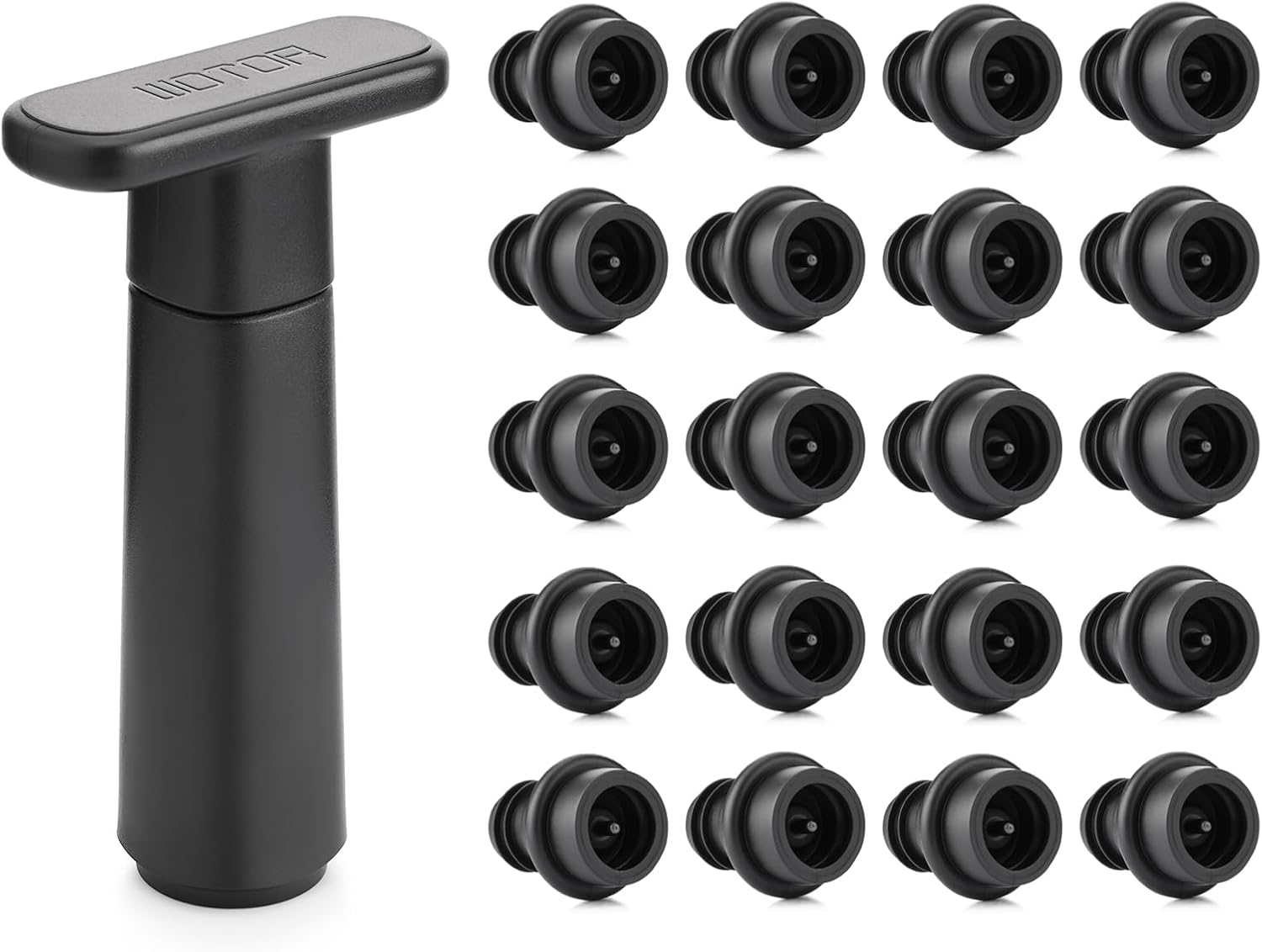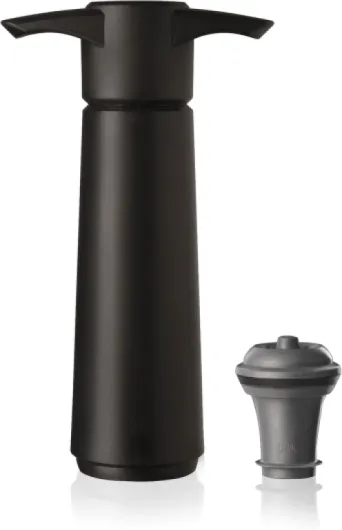
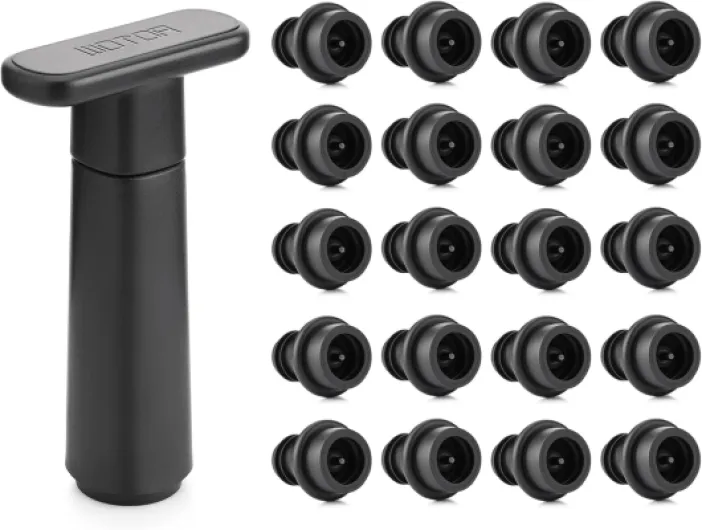
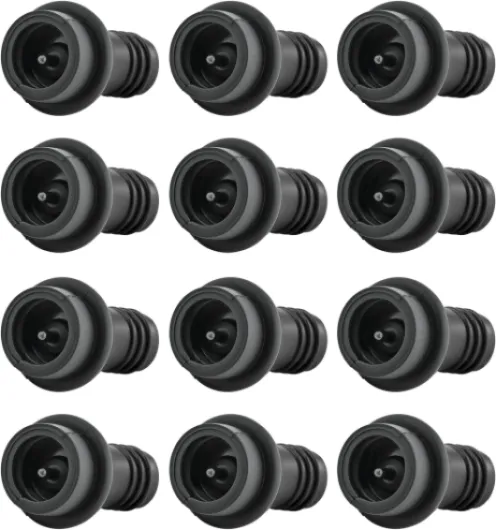
![[2 PACK]Wine Bottle Stoppers, Reusable Wine Stoppers, Vacuum Wine Preserver with Time Scale Record, Wine Savers Vacuum Pump Corks Keep Wine Really Fresh, Best Gift Accessories.](https://www.wine-cooler-guru.com/storage/674352/conversions/6153W19c2TL._AC_SL1500_-medium.webp)
Why resealing your wine bottle matters
Why keeping your opened wine fresh is essential
Once you open a bottle of wine, the clock starts ticking. Oxygen begins to interact with the wine inside the bottle, which can quickly change its flavor, aroma, and overall quality. If you want to enjoy your wine over several days, learning how to reseal wine bottles and store wine properly is key. Even a top-rated wine can lose its charm if not preserved correctly.
Wine lovers often find that a good cork or wine stopper can make a big difference in how long their wine will stay fresh. Whether you use the original cork, a rubber stopper, or even a piece of wax paper, the goal is to create a tight seal to keep air out. This helps preserve wine and maintain its taste, so you can enjoy every glass.
Not all wines are the same. Some bottles, like sparkling wines or champagne, need special attention to keep their bubbles and flavor intact. The way you reseal bottle wine can also depend on the type of wine stopper or wine saver you use. Reading reviews and finding the right product for your needs can help you make a great choice.
Proper storage is just as important as resealing. Where and how you store wine after opening will impact how long it stays good. If you want to learn more about maintaining the right environment for your wine, you can read about choosing the right humidifier for your wine cellar to help keep your collection in top condition.
In the next sections, you'll find easy methods to reseal wine, tips for using household items like paper towel or wax paper, and advice on choosing the best wine stoppers. These steps will help you keep wine fresh, avoid spoilage, and get the most out of every bottle you open.

Common household methods to reseal a wine bottle
Easy and Practical Ways to Reseal Your Wine Bottle at Home
Once you’ve opened a bottle of wine, keeping it fresh is all about creating a good seal. Many people don’t have a dedicated wine stopper on hand, but there are several common household methods you can use to reseal wine and preserve its flavor. Here are some easy solutions you can try with items you likely already have at home:
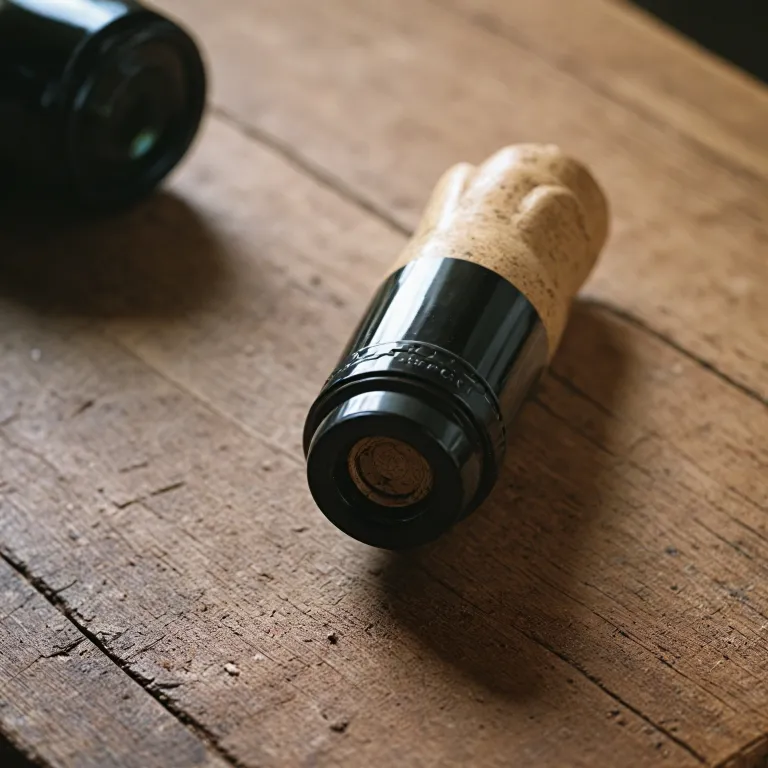
- Reusing the Original Cork: If you still have the cork, try to insert it back into the bottle. Wipe the cork and the inside bottle neck to remove any wine residue. Insert the cork with the clean side facing the wine for a better seal. Sometimes, the cork may be swollen or damaged, making it tricky to fit. In that case, consider trimming the cork slightly or wrapping it in wax paper to help it slide in smoothly.
- Paper Towel and Plastic Wrap: If the cork is lost or unusable, you can use a piece of paper towel. Fold it to fit the bottle neck, then wrap it in plastic wrap to create a makeshift stopper. This method isn’t perfect, but it will help keep wine fresh for a short period. Make sure the seal is tight to minimize air exposure.
- Rubber Stopper or Wine Saver: Many households have a rubber stopper or a wine saver device. These are designed to fit most wine bottles and create a strong seal. Some wine savers even remove air from the bottle, which helps preserve wine longer. If you enjoy wine regularly, investing in a good wine stopper is a great idea based on many positive reviews.
- Aluminum Foil: In a pinch, wrap a small piece of aluminum foil around the bottle neck and press it down to form a seal. This method is quick and easy, though it’s not as effective as a real wine stopper.
Whichever method you choose, always store wine bottles upright to reduce the surface area exposed to air. If you want more detailed advice on how to keep your wine fresh after opening, read our guide on best practices for keeping your wine fresh after opening. These simple tricks will help you preserve wine and enjoy every drop, even days after you first open the bottle.
Choosing the right wine stopper for your needs
How to Select the Best Stopper for Your Opened Wine
Once you’ve opened a bottle of wine, keeping it fresh is all about choosing the right wine stopper. The right seal will help preserve wine flavor, prevent oxidation, and make it easy to store wine bottles upright or on their side. There are several types of wine stoppers and each has its own strengths, depending on your needs and the type of wine you want to keep fresh.
- Natural Cork: Classic and traditional, corks are still a good option for resealing bottle wine if you have saved the original. However, they can be tricky to get back inside bottle necks and may not always provide a perfect seal, especially if the cork has expanded or crumbled.
- Rubber Stopper: Rubber wine stoppers are easy to use and create a tight seal. They’re reusable and fit most standard wine bottles. Many people find wine stays fresher for longer with a rubber stopper, making them a popular choice for everyday wines.
- Vacuum Wine Saver: These stoppers come with a pump that removes air from the bottle before sealing. This method is great for those who want to preserve wine for several days, as it slows down oxidation. Reviews often highlight how effective these are for keeping wine fresh.
- Silicone Wine Stoppers: Flexible and colorful, silicone stoppers are easy to insert and remove. They provide a good seal for most bottles and are dishwasher safe. They’re a great option if you want something simple and reusable.
- Specialty Stoppers for Sparkling Wines: Sparkling wine and champagne require a stopper designed to handle pressure. Look for a stopper with a locking mechanism to keep the seal tight and prevent bubbles from escaping.
For those who don’t have a stopper on hand, a piece of wax paper or a folded paper towel can work as a temporary fix. Just wrap it around the cork or use it to cover the opening before gently pushing it back inside bottle. This won’t preserve wine as long as a dedicated wine stopper, but it’s better than leaving the bottle open.
When you’re ready to find wine stoppers that suit your needs, consider your storage habits and the types of wines you usually drink. Some stoppers are better for short-term storage, while others are designed to keep wine fresh for longer periods. If you’re interested in enhancing your overall wine experience, including the right decanter and glasses, you can read more about choosing the right accessories for your wine.
Remember, a good stopper is just one part of keeping your wine fresh. How you store wine bottles and the temperature at which you keep them will also make a big difference in how long your resealed wine will last.
Tips for resealing sparkling wine and champagne
Keeping the Bubbles: Special Care for Sparkling Wines
Resealing sparkling wine and champagne is a bit more challenging than still wines. The pressure inside the bottle can easily force out a regular cork or stopper, making it tough to keep your wine fresh and fizzy. If you want to preserve wine with bubbles, you need to use the right method and tools.
- Use a dedicated sparkling wine stopper: These stoppers are designed to clamp securely onto the neck of the bottle, creating a tight seal that withstands the pressure. A good wine stopper for sparkling bottles will help keep the carbonation inside the bottle, so your wine will stay lively for a couple of days.
- Avoid reusing the original cork: The original cork wine stopper often expands after opening, making it hard to fit back inside the bottle. Even if you manage to reseal the bottle, the seal may not be tight enough to keep the bubbles from escaping.
- Don’t use paper towel or wax paper: While these methods can help with still wines, they are not effective for sparkling wines. The pressure will push the makeshift seal out, and you’ll lose both carbonation and freshness.
- Store wine upright: After you reseal wine bottles, always store wine upright in the fridge. This reduces the surface area exposed to air and helps maintain the seal.
When you read reviews for wine stoppers, look for those specifically rated for sparkling wines. Some top-rated products use a rubber stopper mechanism with a locking arm for a great seal. Shipping for these items is usually easy, and you can find wine accessories online or at specialty stores.
Remember, even with the best wine saver, sparkling wines are best enjoyed soon after opening. If you notice the wine has lost its fizz or smells off, it’s a sign the wine may have spoiled. For more tips on how to keep your opened bottles fresh, check out other sections of this guide, including advice on temperature and storage.
How temperature and storage affect resealed wine
How storage conditions impact your resealed wine
Once you reseal a wine bottle, how you store it plays a huge role in keeping your wine fresh. Even the best wine stoppers or a carefully inserted cork wine can only do so much if the bottle is left in poor conditions. Temperature, light, and bottle position all affect how long your wine will stay good after opening.
- Temperature: Wine is sensitive to heat and cold. After you reseal wine, store wine bottles in a cool, dark place. Ideally, keep the temperature steady—around 50-59°F (10-15°C) for most wines. Fluctuations can cause the wine inside bottle to expand and contract, which may break the seal or let air in, speeding up spoilage.
- Light: Direct sunlight or strong artificial light can damage wine, even after you reseal bottle wine. UV rays can break down compounds in the wine, leading to off flavors. Always store your resealed bottles away from windows or bright lights.
- Humidity: While less critical for short-term storage, moderate humidity helps keep corks from drying out. If you use a cork or paper towel as a stopper, dry air can shrink the seal, letting air in and making it harder to preserve wine.
- Position: For bottles resealed with a cork, storing them on their side helps keep the cork moist and maintains a better seal. With rubber stoppers or wine savers, upright storage is usually fine and can prevent leaks.
Using a good wine stopper or even a simple wax paper wrap can help, but the way you store wine after opening is just as important. Reviews often mention that even the top wine stoppers can't fully preserve wine if the bottle is left in a warm kitchen or exposed to sunlight. If you want to keep wine fresh for as long as possible, pay attention to where and how you store your resealed wine bottles.
For sparkling wines, keeping the bottle cold is especially important. The pressure inside bottle wine can drop quickly if the wine warms up, causing the bubbles to disappear and the wine to go flat. Always reseal sparkling bottles with a dedicated sparkling wine stopper and return them to the fridge right away.
In summary, a good seal is only part of the solution. To truly preserve wine, combine the right stopper with smart storage habits. This will help you enjoy your opened wines for several days with minimal loss of flavor or freshness.
Signs your resealed wine may have spoiled
How to Tell if Your Resealed Wine Has Gone Bad
Even with the best wine stopper or a carefully reused cork, not every bottle will stay fresh after being opened. Recognizing the signs of spoiled wine is important to avoid disappointment and to keep your wine experience enjoyable. Here are some easy ways to check if your resealed wine is still good to drink:
- Unusual Smell: If you notice a strong vinegar, musty, or rotten egg odor when you open the bottle, it’s a clear sign the wine has turned. A good wine should have a pleasant aroma, even after resealing.
- Cloudy Appearance: Pour a little wine into a glass and look at it in the light. If the wine looks cloudy or has floating particles that weren’t there before, it may have spoiled inside the bottle.
- Change in Taste: A sour, sharp, or flat taste means the wine is no longer fresh. Wines that have lost their original flavor profile, even after using a wine saver or rubber stopper, are best avoided.
- Fizz in Still Wines: If a non-sparkling wine suddenly has bubbles, it’s a sign of unwanted fermentation. This can happen if the seal wasn’t tight or if the wine was stored at the wrong temperature.
- Leaking or Bulging Cork: If you reseal bottle wine with a cork and it starts to bulge or leak, air may have gotten inside, causing spoilage. Wax paper or a paper towel can help with resealing, but always check the cork’s condition before storing.
To preserve wine and keep wine fresh, always store wine bottles upright in a cool, dark place. Using a top-rated wine stopper or a simple paper towel can help, but remember that even the best methods have limits. If you read reviews about wine stoppers, you’ll find that most wines should be consumed within a few days of opening, especially if you want to enjoy the best flavor.
Shipping and storage also play a role in how long your wine will last after opening. If you find wine that tastes off, it’s better to discard it than risk an unpleasant experience. Keeping an eye on these signs will help you seal wine properly and enjoy every bottle to the fullest.