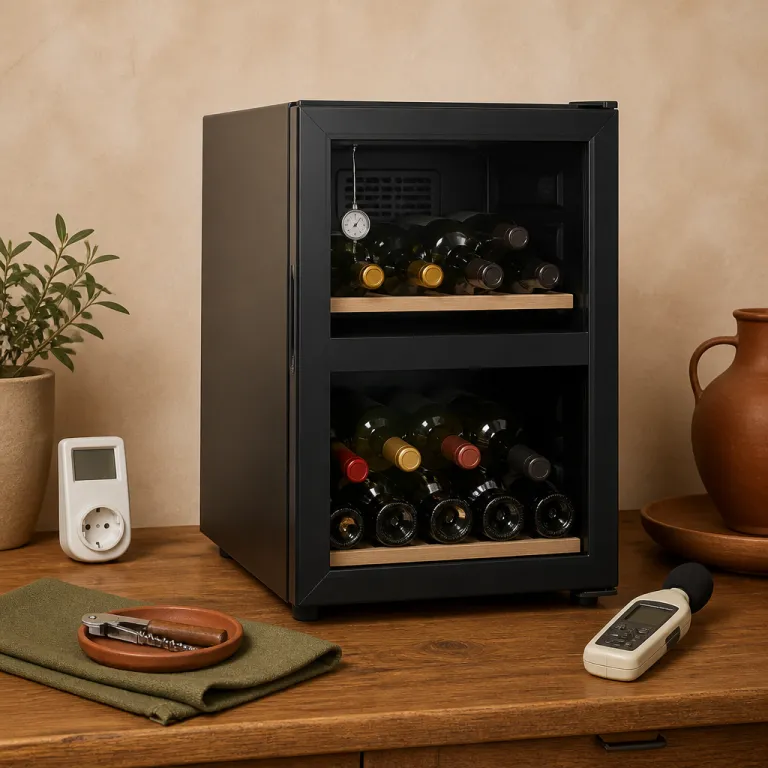
Section 1 – Why wine cooler specs explained rarely match real life
Most first time buyers meet a wall of numbers when they start reading wine cooler specs explained on retailer pages. Those figures about capacity, temperature ranges, and noise look precise, yet they often hide how the cooler will behave once it is built into a real kitchen cabinet or left freestanding in a small apartment. To make a confident refrigerator buying decision, you need to translate each specification into what it means for your bottles, your space, and your daily routine.
Manufacturers design compact wine fridges to look impressive on paper, so a 46 bottle wine refrigerator might only reach that capacity with slim Bordeaux bottles stacked tightly. Once you add wider Champagne wine bottles or irregular shapes, the same wine fridge can lose a third of its stated storage capacity, especially if the shelves ride on thick stainless steel rails. This is why wine cooler specs explained properly always start with how many bottles you actually drink and how much storage space you can realistically give up in your kitchen or living room.
Noise ratings, kWh numbers, and dual zone labels also need decoding, because they interact with where the wine cooler sits and how you use it. A cooler that sounds quiet in a showroom can hum distractingly in a bedroom, while the same model disappears under normal kitchen noise near other refrigerators and fridges. When you read wine cooler specs explained by specialists rather than marketing copy, you start to see how cabinet design, glass doors, and compressor type all shape the real experience of living with a wine refrigerator or beverage center.
Section 2 – Decibel ratings, compressors, and where the cooler actually lives
Noise is the first spec that separates a pleasant wine cooler from a constant irritation, especially for a compact wine refrigerator in a small home. A rating of 35 dB usually feels like a quiet library, while 45 dB is closer to a running dishwasher in the next room, and that difference matters when the cooler is built under a counter near your sofa. When you see wine cooler specs explained honestly, they always connect decibel numbers to real rooms, not just lab conditions.
Placement changes everything, because an undercounter wine refrigerator hard mounted into a kitchen cabinet will transmit vibration differently from a freestanding wine fridge on rubber feet. In a bedroom, you want a cooler with a stable inverter compressor, which ramps up and down smoothly instead of cycling on and off with a sharp click, and that is where paying more for a premium brand can make sense. In a garage or utility room, you can tolerate a louder wine refrigerator or beverage center, so you might prioritize capacity and temperature stability over the quietest possible design.
Inverter compressors are reshaping the conversation about energy and sound, since they keep wine refrigerators closer to the target temperature with fewer spikes. That means less audible cycling and often lower kWh use over time, especially when the cooler has a well insulated cabinet and double pane glass doors. If you care about a calm holiday countdown with minimal background hum, pairing a quiet wine fridge with a refined seasonal accessory such as an elegant Advent wine calendar can turn your kitchen or dining room into a genuinely relaxing wine corner.
Section 3 – Capacity numbers, bottle shapes, and choosing the right size
Capacity is where wine cooler specs explained most often clash with reality, because the industry still measures with a narrow Bordeaux bottle that many people rarely buy. A so called 18 bottle compact wine fridge might hold 18 standard reds, yet only 12 mixed bottles once you add sparkling wine, rosé, and a few large format favorites. For a first time buyer with a small collection, that gap between stated capacity and real storage space can mean outgrowing the wine cooler within a single enthusiastic year of tasting.
To estimate real capacity, start by counting how many bottles you usually keep at home, then add at least 30 percent for growth and gifts. If you buy wine by the case, remember that a standard case holds 12 bottles, so a modest wine cellar plan of just three cases already needs room for 36 bottles, which is more than many entry level wine fridges offer. A detailed guide on how many bottles are in a case of wine can help you match your buying habits to the right wine refrigerator capacity.
Shelf design also matters, because tightly spaced wooden racks may look elegant in a wine cabinet but force you to remove a shelf to fit Champagne, cutting usable capacity. Sliding shelves with thinner stainless steel frames usually give more flexible storage, especially in undercounter wine refrigerators where every centimeter of height counts. When you see wine cooler specs explained with photos that show mixed bottle layouts instead of perfect rows, you get a much clearer view of how that cooler or beverage center will handle your actual collection.
Section 4 – Temperature ranges, dual zones, and what “independent” really means
Temperature control is the heart of any wine cooler, yet the way manufacturers present ranges and zones can be confusing. A single zone wine refrigerator keeps all bottles at one temperature, usually between 5 °C and 18 °C, while a dual zone wine fridge offers two compartments for reds and whites at different settings. The nuance comes when wine cooler specs explained by engineers reveal whether those zones are truly independent or just share one cooling system with redirected airflow.
Shared evaporator designs use a single cold source and split the air between upper and lower sections, which can cause temperature drift when you open one door more often. Fully independent dual zone wine refrigerators have separate evaporators and fans, so changing the temperature in one zone barely affects the other, which is ideal if you keep delicate white wine beside robust reds. For a first time buyer who mostly drinks one style, a well tuned single zone wine cooler can be simpler, while a serious mixed collection benefits from a more advanced dual zone cabinet.
Ambient conditions also shape how those temperature specs behave, because a cooler in a hot garage works harder than one in a shaded kitchen. When you read wine cooler specs explained carefully, look for operating ambient ranges and ask whether the brand tests its wine fridges in warm rooms that resemble your home. If you plan a small wine cellar corner with both wine and beer, a beverage center or hybrid wine refrigerator with a slightly wider temperature range might suit better than a narrow focus wine cabinet designed only for long term cellaring.
Section 5 – Energy use, kWh ratings, and what they add to your bill
Energy labels often feel abstract, but they matter once your wine cooler runs all day beside other refrigerators and fridges. The kWh figure on a wine refrigerator tells you how many kilowatt hours it should use in a standardized test, which you can multiply by your local electricity rate to estimate annual cost. For example, a compact wine fridge rated at 140 kWh per year will cost roughly 20 to 30 dollars annually in many parts of the United States, depending on local tariffs and how warm your kitchen stays.
Real world use can differ from the label, because a built in undercounter wine refrigerator with poor ventilation may run hotter and draw more power. A well designed panel ready cabinet that allows air to flow around the compressor usually keeps energy use closer to the tested kWh number, especially when paired with insulated glass doors and tight door seals. Inverter compressors help here too, since they avoid the energy spikes of older on off systems and maintain a steadier temperature with fewer noisy bursts of cooling.
Ambient temperature is the hidden variable, because a wine cooler in a cool basement uses less energy than the same model in a sunny kitchen. When you see wine cooler specs explained by independent testers, they often compare energy use at different room temperatures to show how much a hot climate can add to your bill. If you are planning a small wine cellar wall with multiple wine refrigerators or beverage centers, those differences in kWh ratings can add up over time, making efficiency as important as capacity or design.
Section 6 – Built in versus freestanding, doors, and matching the cooler to your room
Where you place the wine cooler shapes which specs matter most, because a bedroom unit, a kitchen undercounter wine fridge, and a garage beverage center all face different demands. Built in models slide into a cabinet opening and vent from the front, while freestanding wine coolers need space around the sides and back for airflow. If you ignore those requirements, even a premium brand wine refrigerator can overheat, grow noisy, and fail to hold the promised temperature range.
Door style is another practical choice, since clear glass doors give a beautiful view of your bottles but let in more ambient light and heat than solid panels. A panel ready wine cabinet that accepts a matching kitchen door can blend seamlessly with other refrigerators, yet you lose the quick visual check that a transparent glass front provides. For many first time buyers, a compromise with tinted double pane glass offers both a pleasant view and reasonable insulation, especially when the cabinet includes LED lighting that stays cool.
If you plan a larger wine cellar or a wall of wine fridges and beverage centers, think about how the handles, hinges, and swing direction of each door will work together. A compact wine refrigerator near a corner might need a reversible door to avoid hitting adjacent cabinets, while a central beverage center can anchor the design with a wider stainless steel frame. For more nuanced guidance on humidity, racking, and long term storage, a specialized resource on top wine coolers with humidity control can complement the core wine cooler specs explained here and help you refine a full storage plan.
Key figures that put wine cooler specs in perspective
- Many compact wine refrigerators rated for 18 bottles realistically hold 12 to 14 mixed bottles, which means real capacity often runs 20 to 30 percent below the stated number when you include Champagne and larger formats (based on comparative tests by independent appliance reviewers in North America).
- Noise measurements show that a 10 dB increase, such as moving from 35 dB to 45 dB, represents roughly a perceived doubling of loudness to the human ear, which explains why bedroom users are far more sensitive to small decibel changes than kitchen users (according to acoustic engineering guidelines from major appliance testing laboratories).
- Energy labels for popular 30 to 50 bottle wine fridges typically range between 130 and 200 kWh per year, translating to about 18 to 40 dollars in annual electricity cost for most U.S. households, assuming average residential rates reported by the U.S. Energy Information Administration.
- Independent testing of dual zone wine refrigerators has found that shared evaporator designs can show temperature differences of 2 to 4 °C between stated and actual readings during frequent door openings, while fully independent dual zone systems usually stay within 1 °C of the set point under similar conditions.
- Field surveys of kitchen layouts indicate that undercounter and built in beverage centers account for a growing share of installations in urban apartments, where floor space is limited and buyers prioritize integrated design over maximum capacity, especially in the 24 inch width category.
FAQ
How loud is a wine cooler in a quiet apartment?
A wine cooler rated around 35 dB will usually blend into background noise in a typical living room, sounding similar to a quiet fan at low speed. Once you reach 42 to 45 dB, the hum and compressor cycling become noticeable in a silent studio or bedroom, especially at night. If you are sensitive to sound, prioritize models with inverter compressors and verified low decibel ratings, and avoid placing the wine refrigerator directly beside your bed or main reading chair.
Why does my wine fridge hold fewer bottles than the spec sheet claims?
Capacity ratings are based on slim Bordeaux bottles packed tightly, which do not reflect most mixed collections. Wider Champagne, Burgundy, and specialty bottles take more space, forcing you to skip slots or remove a shelf, which cuts real capacity by 20 to 40 percent in many compact wine fridges. When planning, assume you will fit fewer bottles than the label suggests and size up if you regularly buy sparkling wine or large formats.
Is a dual zone wine refrigerator worth it for a small collection?
A dual zone wine fridge makes sense if you routinely keep both reds and whites ready to pour, since you can store whites cooler and reds slightly warmer in separate compartments. For a very small collection under 20 bottles, a well set single zone wine cooler at around 12 to 13 °C can serve as a compromise, especially if you chill a bottle of white briefly in the kitchen refrigerator before serving. The extra cost of dual zone models pays off most when you entertain often or keep higher value bottles that benefit from precise serving temperatures.
What is the difference between built in and freestanding wine coolers?
Built in wine coolers vent from the front and are designed to slide into a cabinet opening, making them suitable for undercounter installations in a kitchen or bar. Freestanding wine refrigerators need open space around the sides and back for airflow, so enclosing them tightly can cause overheating, noise, and poor temperature control. Always match the cooler type to your planned location, and follow the manufacturer’s clearance guidelines to protect both performance and warranty coverage.
How much will a wine cooler add to my electricity bill?
Most compact wine refrigerators in the 18 to 50 bottle range use between 130 and 200 kWh per year under standardized test conditions. At typical U.S. residential electricity rates, that usually means an additional 18 to 40 dollars annually, with higher costs in hotter climates or poorly ventilated installations. Choosing an efficient model with good insulation, LED lighting, and an inverter compressor can keep both energy use and operating noise under better control.