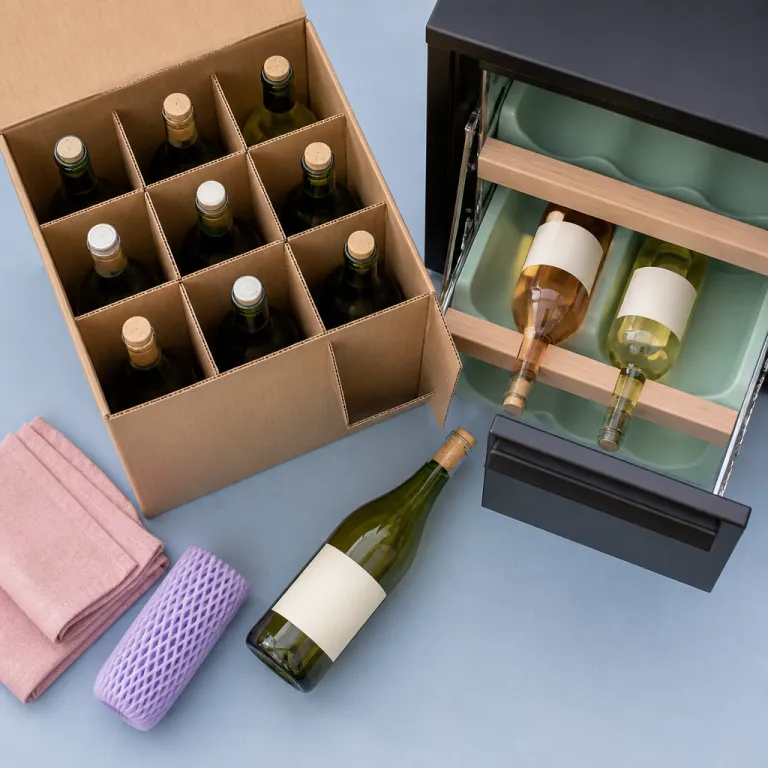
Understanding how many bottles are in a case of wine
Most buyers first want to know how many bottles are in a case of wine before they plan storage. In the United States and in most major wine regions, a traditional case usually holds twelve bottles of wine in the standard 750 millilitre format. That means one full case of wine equals twelve units of 750 millilitres, which is the globally accepted reference bottle for everyday table wines.
This twelve-bottle configuration is used for red wine, white wine and many sparkling wines, so retailers and wineries can price and ship cases consistently. When you see a case offer, the price almost always assumes twelve bottles unless the producer clearly labels it as six bottles or another configuration. For anyone planning a home collection or a new wine cooler, understanding how many bottles per case you are dealing with is essential because capacity labels on coolers and racks often translate directly from these commercial wine cases.
Not every carton follows the classic pattern, and that is where confusion starts for people comparing cases from different regions. Premium producers sometimes sell six-bottle cases for heavy reds or large-format bottles that would be too weighty in a twelve-bottle carton. Some sparkling wine houses also use six-bottle cartons for fragile glass, so always check the exact case size on the box or product page instead of assuming the twelve-bottle standard.
Standard bottle sizes, mixed cases and how they affect capacity
Once you know how many bottles are in a case of wine in theory, you still need to look at the actual bottle shapes and sizes. The standard bottle of 750 millilitres is the reference point for almost all capacity charts, but real-world wines rarely line up perfectly. Burgundy-shaped Pinot Noir bottles, tall Sauvignon Blanc bottles and thick sparkling wine bottles all occupy different volumes inside a cabinet or fridge.
A mixed case that combines red wines, white wines and sparkling wines will therefore behave differently in storage than a uniform case of slim Bordeaux reds. Retailers often promote mixed selections to help you explore new regions and grape varieties, yet those same assortments with diverse shapes can reduce the effective capacity of your wine cooler by several bottles. When you buy cases that include heavy glass for premium red–white blends or vintage sparkling wines, allow extra space beyond the nominal number of bottles listed on the carton.
Collectors who enjoy large formats should also think beyond the standard bottle and consider magnums or even larger sizes. A single magnum (1.5 litres) replaces two standard bottles in a wine case, which changes how many cases you really need for a special event or wedding celebration. For a deeper look at why large formats matter for ageing and service, you can read this detailed guide on why magnum bottles are a smart choice for collectors.
| Bottle format | Typical volume | Approx. height & diameter | Rough rack impact* |
|---|---|---|---|
| Standard still wine | 750 ml | 30 cm high, 7–7.5 cm wide | Baseline for most 12-bottle case and cooler ratings |
| Burgundy / Pinot Noir | 750 ml | 29–31 cm high, 8–8.5 cm wide | Often reduces shelf capacity by 1–2 bottles per row |
| Sparkling wine / Champagne | 750 ml | 31–32 cm high, 8.5–9 cm wide | Can cut stated capacity by around 10–20% in compact coolers |
| Magnum | 1.5 L | 34–36 cm high, 9–10 cm wide | Usually occupies the space of two standard bottles or an entire shelf slot |
*Dimensions and capacity effects are typical ranges drawn from manufacturer specification sheets and independent cooler loading tests; always check the exact measurements for your own bottles and appliance.
From cases to coolers: translating bottle counts into real storage needs
Knowing how many bottles are in a case of wine only becomes useful when you translate those numbers into real storage capacity. A typical twelve-bottle case sounds modest, yet several cases quickly overwhelm a kitchen cabinet or a small countertop rack. Many people underestimate how many cases they will accumulate once they start buying wines they love, especially when they join a valley winery club or subscribe to mixed shipments from online merchants.
Wine cooler manufacturers usually rate their appliances in terms of how many bottles fit when every shelf holds a standard 750 millilitre bottle. In practice, once you add Pinot Noir bottles with broad shoulders, sparkling bottles with thick glass and a few tall Sauvignon Blanc bottles, the real capacity often drops by ten to twenty percent. This range appears repeatedly in comparative loading tests by consumer product reviewers, who measure how many mixed bottles fit versus the stated capacity in manufacturer brochures.
Before you buy, map your current and future wine cases against realistic storage scenarios rather than marketing numbers. If you expect to keep several mixed cases of red wines and white wines for a wedding or long-term ageing, choose a cooler that comfortably exceeds that total by at least one extra case. For a practical framework on avoiding undersized appliances, study this analysis on why most buyers pick the wrong wine cooler capacity and compare its guidance with your own bottle-buying habits.
Choosing the right capacity for red, white and sparkling collections
Capacity planning starts with your drinking habits and the balance between red, white and sparkling styles in your home. Someone who mainly buys red wine for slow ageing will usually need deeper shelves and more space for sturdy bottles, while a fan of white wine and light Pinot Noir might prioritise flexible racking for slimmer shapes. Mixed cases that combine red wines, white wines and sparkling wines demand the most adaptable layout, because each bottle type has a different diameter and height.
Think about how many bottles you want ready to drink versus how many you plan to age for several years. A casual drinker in the United States who opens three bottles of wine per week might only need storage for two or three cases at a time, while a serious collector building a long-term collection of valley Pinot Noir and structured reds could require space for dozens of cases. The more you rely on mixed cases and assortments from different merchants, the more generous your capacity buffer should be to avoid cramped shelves and poor airflow.
Event planning adds another layer, especially for a wedding or milestone celebration where you may order many cases at once. A typical wedding reception can easily require one case per ten to twelve guests when you combine red, white and sparkling options, so a dedicated cooler or secondary storage zone becomes essential. In that scenario, a countertop unit for everyday drinking plus a larger cabinet for event wines often works better than forcing every bottle into a single overloaded appliance.
Practical examples: from one case to a growing home collection
Consider a new enthusiast who buys their first case of wine after a tasting trip through a valley region known for Pinot Noir and Sauvignon Blanc. They return home with one mixed case that includes six bottles of red wines, four bottles of white wine and two bottles of sparkling wines, all in standard 750 millilitre formats. On paper, a small twelve-bottle cooler seems perfect, because it matches exactly how many bottles are in a case of wine in that shipment.
Reality changes quickly once that person starts exploring more wines and accepting gifts. Within a few months, they may add another case of everyday red–white blends from a supermarket promotion, plus several single bottles from local shops that do not fit neatly into any carton. At that point, the original cooler is full, and many bottles end up stored upright in warm cupboards, which undermines both the quality of the wines and the original storage plan.
A more sustainable approach is to assume that your first case purchase will not be your last and to size your storage accordingly. If you already enjoy mixed cases and plan to host dinners or a future wedding celebration, aim for a cooler that can hold at least three to four times the capacity of your current collection. For compact yet flexible options that handle both single-bottle purchases and full cases from different regions, review this selection of top countertop wine coolers and compare their layouts with the shapes of your favourite bottles.
How many cases of wine your cooler really needs to handle
When you stand in front of a new appliance, the key question is not only how many bottles are in a case of wine but how many cases your lifestyle will generate each year. A household that buys one case every few months will have very different needs from a serious enthusiast who orders many cases during seasonal sales. The more you rely on mixed cases from different merchants, the more variation you will see in bottle shapes, which directly affects how many bottles fit per shelf.
Start by counting the number of bottles of wine you currently own, then translate that into equivalent cases using the twelve-bottle standard. If you have thirty-six bottles, that equals three standard cases, but if several are sparkling or broad-shouldered reds, you should treat them as occupying the space of four cases inside a cooler. This simple adjustment helps you avoid underestimating how many bottles and how many mixed cases your future collection will require as it grows.
Long-term planners often find it helpful to separate everyday drinking wines from a more serious ageing collection. You might keep one or two cases of ready-to-drink red–white blends in a smaller unit near the kitchen, while reserving a larger cabinet for valley Pinot Noir, structured red wines and age-worthy Sauvignon Blanc. By thinking in terms of both bottle counts and case equivalents, you align your storage with real consumption patterns instead of abstract capacity labels.
Key figures about wine cases, bottle sizes and storage
- In most major markets, a standard case of wine contains twelve bottles of 750 millilitres, which equals nine litres of liquid in total according to trade definitions used by the Wine and Spirit Trade Association; see the WSTA’s published guidance on case volumes and duty calculations for the underlying figures.
- Six-bottle cases are increasingly common for premium red wines and sparkling wines, because heavier glass and denser packaging reduce breakage during shipping, as reported by large logistics providers and importers in their handling guidelines and packaging recommendations.
- Many domestic wine coolers lose around ten to twenty percent of their stated capacity when storing a mixed assortment of red, white and sparkling bottles; this range appears consistently in comparative tests by consumer product review organisations that load appliances with varied bottle shapes instead of identical 750 millilitre standards.
- Event planners often estimate one standard bottle per guest for a full evening reception, which translates to roughly one case for every ten to twelve attendees when offering both red, white and sparkling options.
- In the United States, per capita wine consumption has risen steadily over the past decades, which means more households now store multiple cases at home rather than buying single bottles only at the point of sale, as shown in industry reports from trade bodies and market analysts that track long-term consumption trends.
FAQ about wine cases and storage capacity
How many bottles are usually in a case of wine ?
The most common configuration is twelve bottles of 750 millilitres in a single case of wine. This applies to many red wines, white wines and sparkling wines sold through retailers and wineries. Always check the label, because some premium producers use six-bottle cases instead.
Why do some wine cases hold six bottles instead of twelve ?
Six-bottle wine cases are often used for heavy glass or high-value wines. Premium red wine, vintage sparkling and some large-format bottles benefit from tighter, more protective packaging. The smaller case size also makes lifting and shipping safer for staff and customers.
How many cases of wine should I buy for a wedding ?
A practical rule is to plan roughly one standard bottle per guest for a full evening event. That usually means one case for every ten to twelve people when you offer a mix of red, white and sparkling wines. Adjust up or down depending on whether other drinks are served and how long the reception will last.
How does a mixed case affect my wine cooler capacity ?
A mixed case that combines red wines, white wines and sparkling wines includes bottles with different shapes and diameters. Those variations reduce how many bottles fit neatly on each shelf compared with uniform cases of slim bottles. Expect to lose around ten to twenty percent of the stated capacity when storing many mixed cases in one cooler.
What is the best way to plan storage for a growing collection ?
Start by converting your current bottle count into equivalent wine cases using the twelve-bottle standard. Then add a buffer of at least fifty percent to account for future purchases, mixed cases and special event orders. Choose a cooler or combination of coolers that can handle both everyday drinking wines and a longer-term collection without overcrowding.