Comparing single zone and dual zone wine fridges with UV safe doors
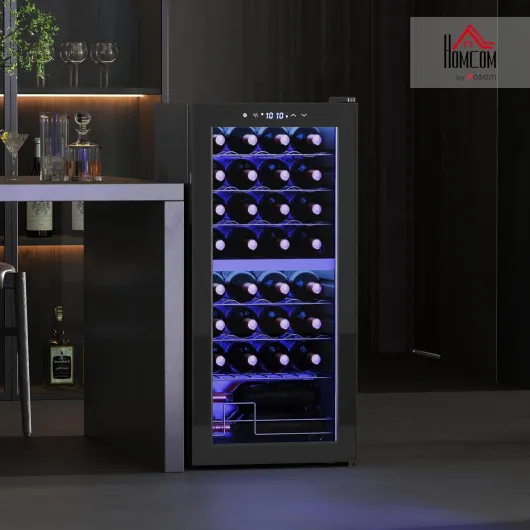
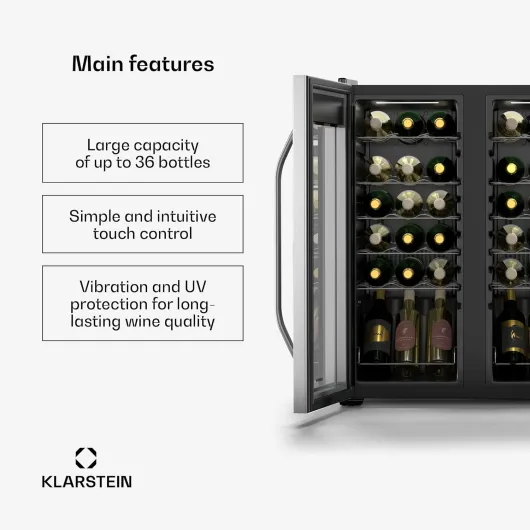
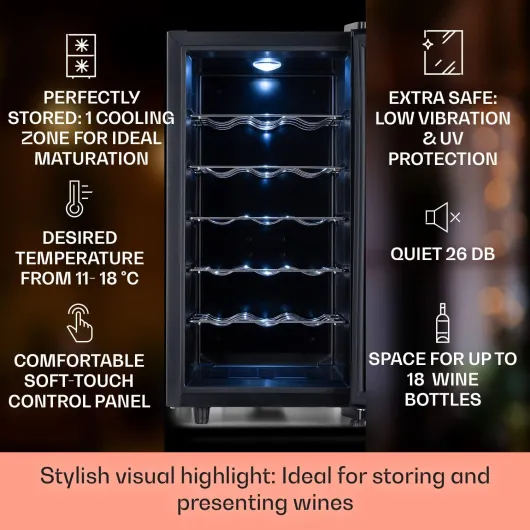
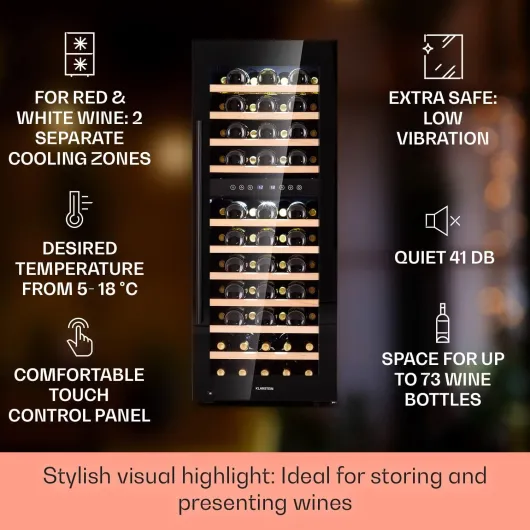
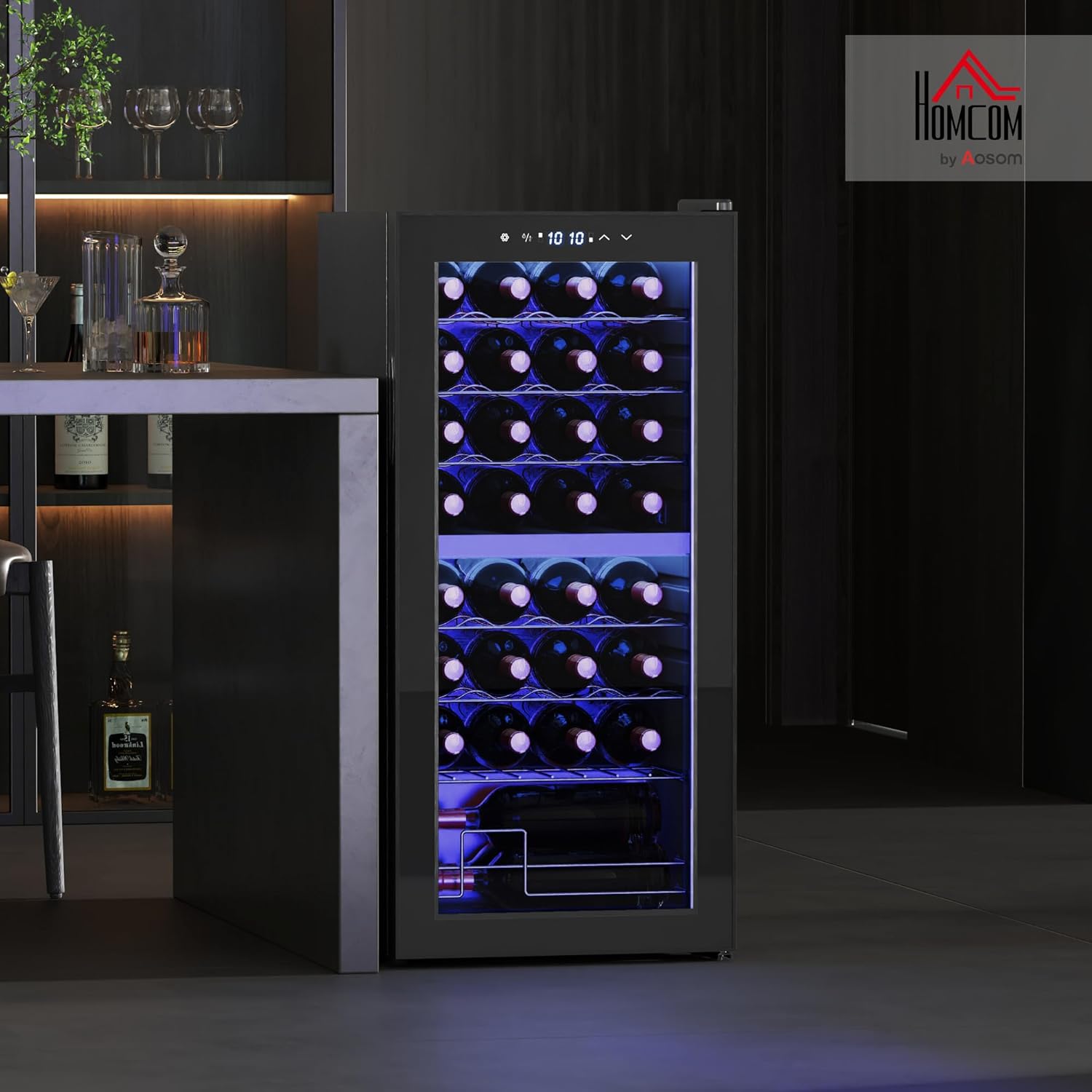
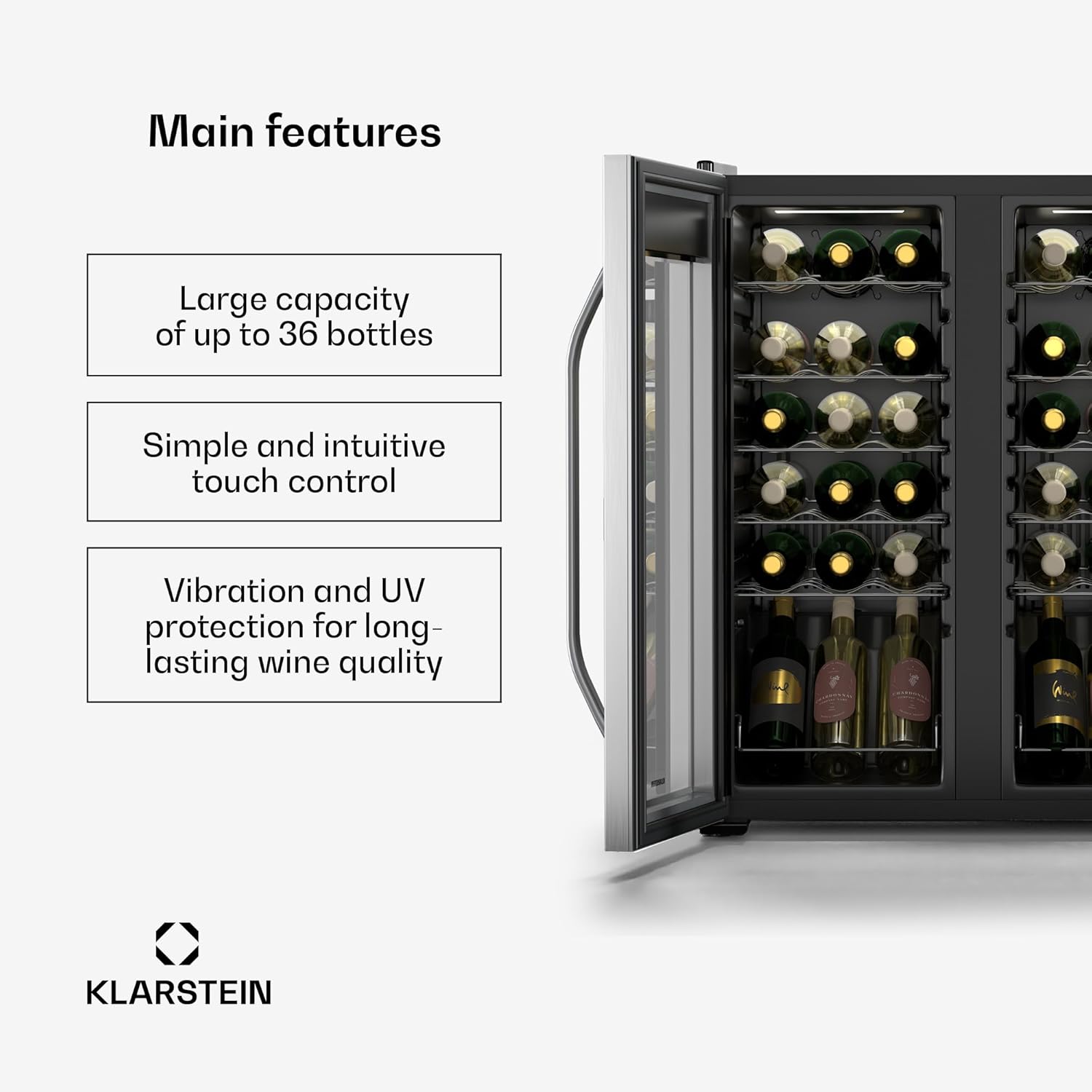
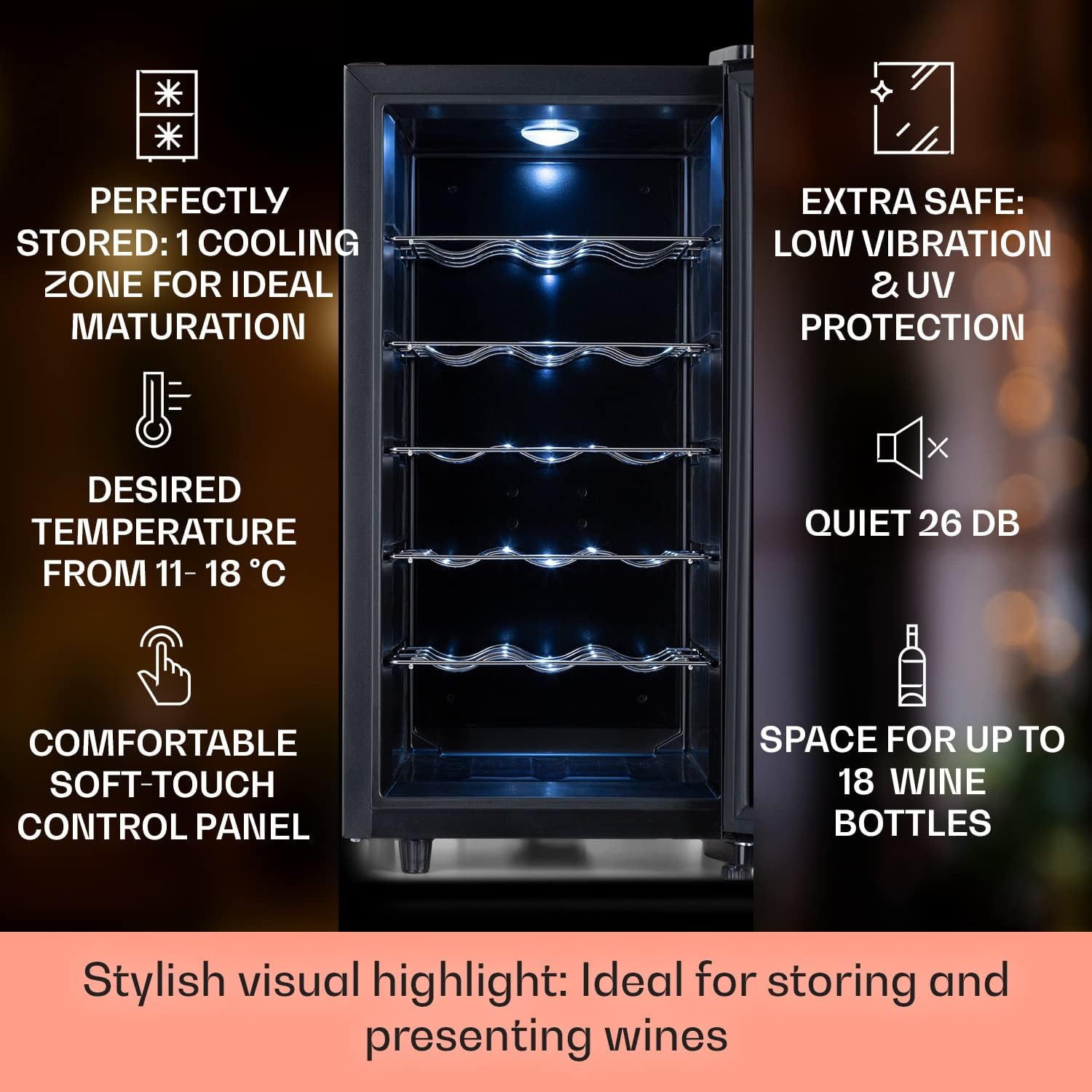
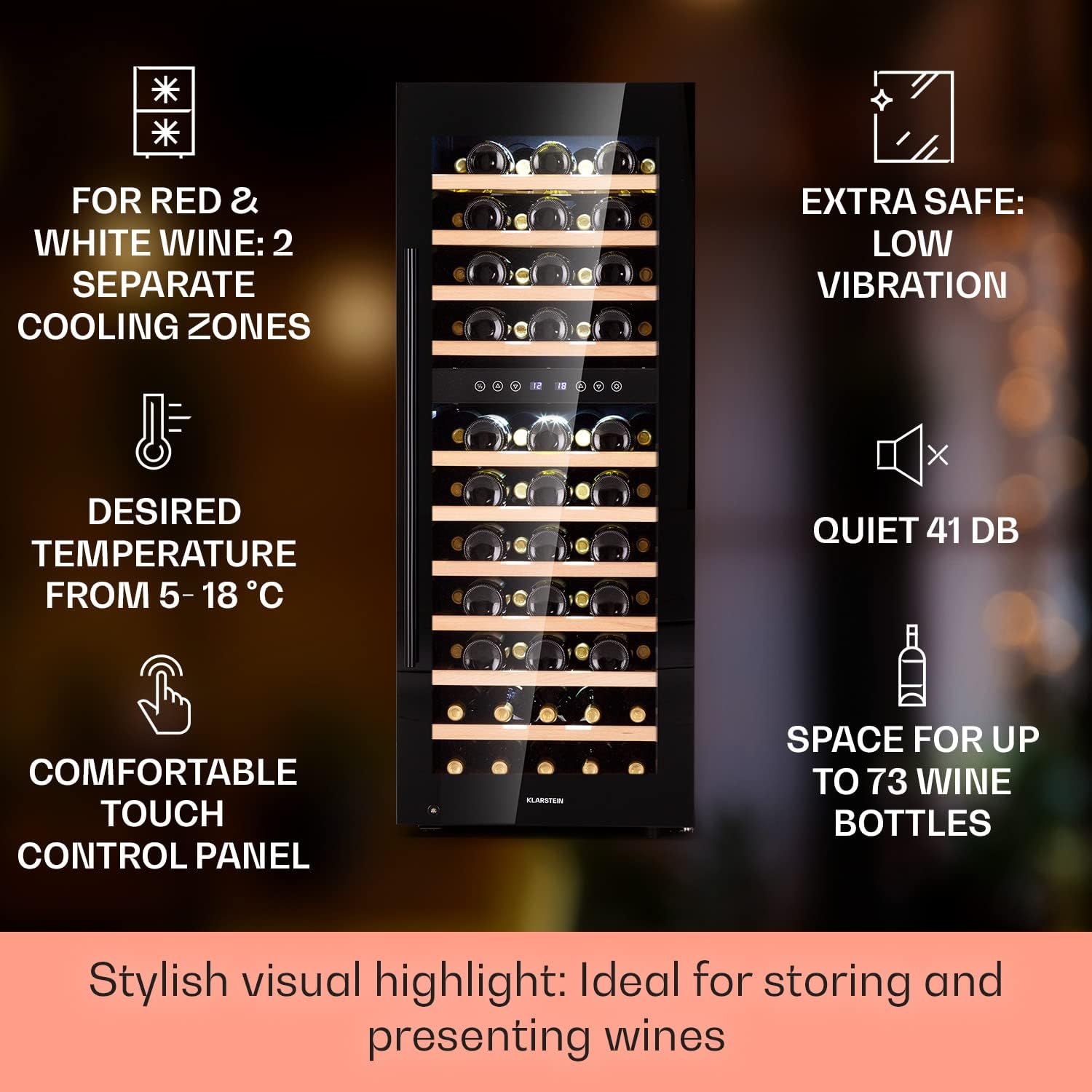
Choosing between a single zone and a dual zone wine fridge depends on how you drink and store wine. A single zone wine cooler keeps all bottles at one temperature, which suits a focused collection of reds or whites stored for the long term. By contrast, a dual zone appliance lets you hold serving ready bottle wine in one compartment while ageing bottles rest slightly cooler in the second zone.
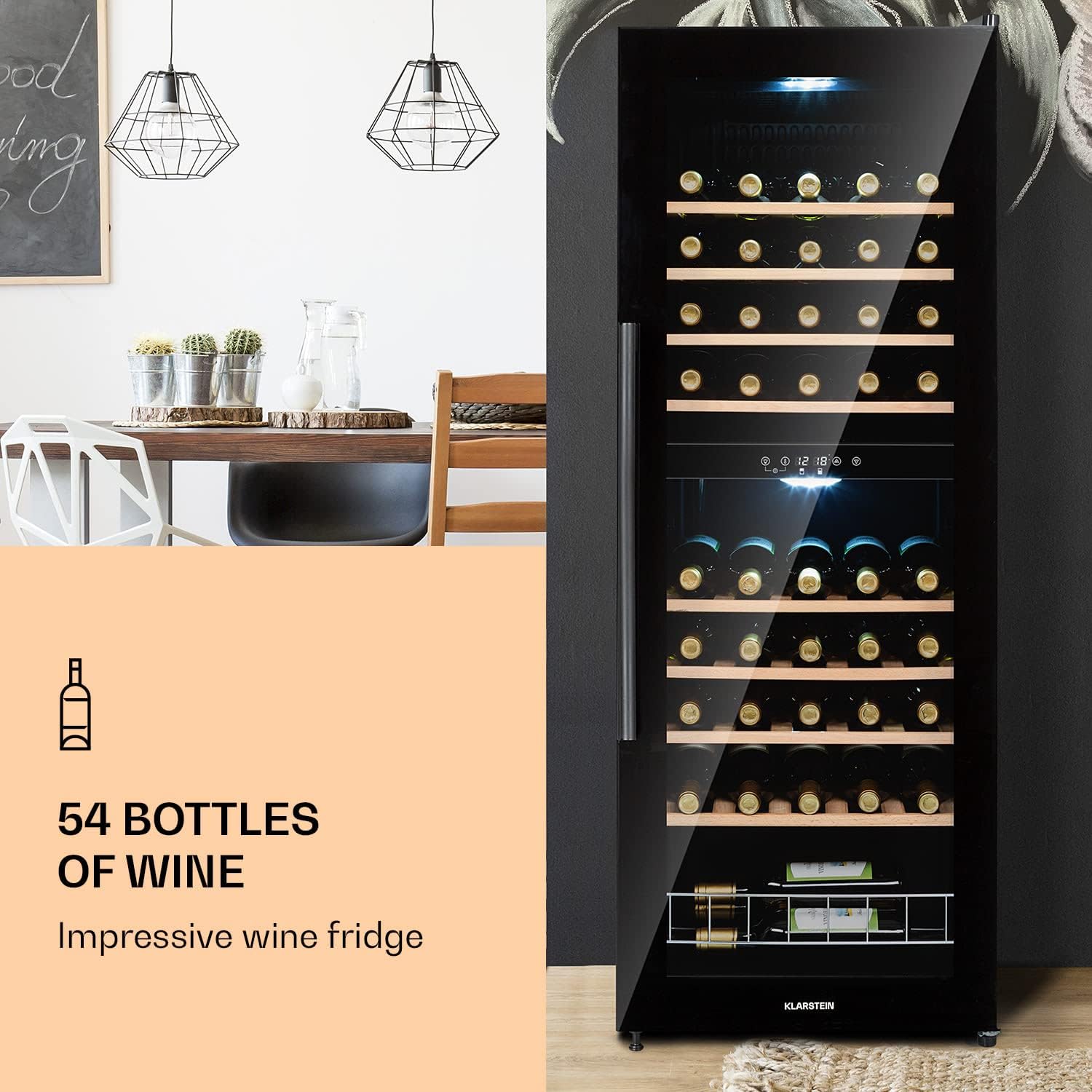
For mixed collections, many wine enthusiasts consider dual zone wine coolers the best compromise between flexibility and control. The upper zone in these wine fridges often runs at around 10–12 °C for white wine, while the lower zone stays near 12–14 °C for red wine storage. Industry sales data from market analysts such as Euromonitor and Grand View Research indicate that dual zone models now represent a large share of premium cabinet purchases, reflecting demand for this kind of temperature flexibility. When both compartments sit behind the same UV protected glass, you gain serving convenience without sacrificing cellar style protection.
High end brands such as EuroCave Première and Summit offer both single zone and dual zone models with UV resistant doors. A EuroCave Première cabinet focuses on precise temperature and humidity for a dedicated wine cellar space, while a compact Summit cooler with UV glass suits a kitchen installation. For instance, the EuroCave Première L model typically runs at 37–43 dB and uses around 120–140 kWh per year, while a Summit 50 bottle undercounter unit such as the SWC530BLBISTCSS often lists noise levels near 39–42 dB and annual consumption around 230–260 kWh. If you collect premium bottles, explore specialist rankings of top wine coolers for collectors to compare how different fridges balance bottle capacity, UV protection and price.
Capacity, bottle formats and space planning for UV protected coolers
Capacity figures on a wine fridge label rarely tell the full story. A cabinet advertised with a 50 bottle capacity usually assumes standard Bordeaux bottle shapes, not wider Burgundy or Champagne bottles. When you load a mixed collection into many wine coolers, the real bottle capacity can drop noticeably compared with the headline number.
To avoid frustration, match the stated bottle capacity of each wine cooler with your actual buying habits. If you favour Champagne or large format bottle wine, look for adjustable wine racks and shelves that slide easily without scratching labels. Some Summit bottle layouts and enthusiast classic style racks allow you to alternate bottle neck directions, which increases storage density while keeping labels visible through the UV safe glass.
Space planning matters as much as raw capacity when you select the best wine coolers with UV protection. Built in fridges must respect ventilation clearances, while freestanding coolers need airflow around the appliance body and behind the stainless steel door frame. Typical built in models require at least a few centimetres of space at the rear and base for front venting, while taller freestanding cabinets may need 5–10 cm at the sides and back. Before you commit to any wine fridge, use a detailed sizing guide such as the one on specialised 50 bottle wine coolers pages to align your available space, desired bottle capacity and long term collection goals.
Key features that define the best wine coolers with UV protection
Several technical details separate an average wine fridge from the best wine coolers with UV protection. First, examine the door construction and confirm that the glass is engineered to block a high percentage of UV radiation while still allowing a clear view of the bottles. Darker tint usually means stronger protection, but triple glazing can achieve similar results with a more neutral appearance.
Next, evaluate how the appliance manages temperature stability and vibration control. A quality wine cooler uses a compressor system with gentle cycling, combined with internal fans that distribute cool air evenly across every zone wine shelf. Look for models where the temperature range covers both serving and cellaring needs, typically from about 5 °C up to around 20 °C, and where the interior lighting does not generate unnecessary heat near the front bottles.
Materials and layout also influence performance and aesthetics in wine coolers. Stainless steel trims, solid beech or metal wine racks, and carefully sealed door gaskets all contribute to a stable wine storage environment. When you compare price points, remember that a slightly higher initial price for a robust appliance often protects a far more valuable wine collection over the long term.
- Example EuroCave-style cabinet: UV treated triple glazed door, 5–20 °C range, energy efficient compressor, approximately 180 standard bottles or fewer mixed formats.
- Example Summit-style undercounter unit: Tinted double glazed UV safe glass, 6–18 °C range, compact footprint, around 40–50 Bordeaux bottles with reduced capacity for Champagne.
Built in versus freestanding UV protected wine cellar appliances
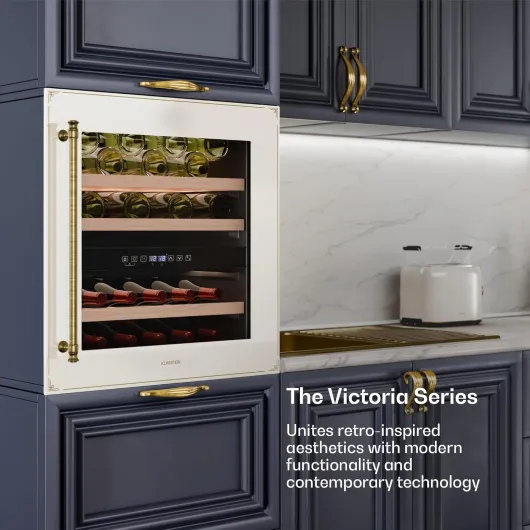
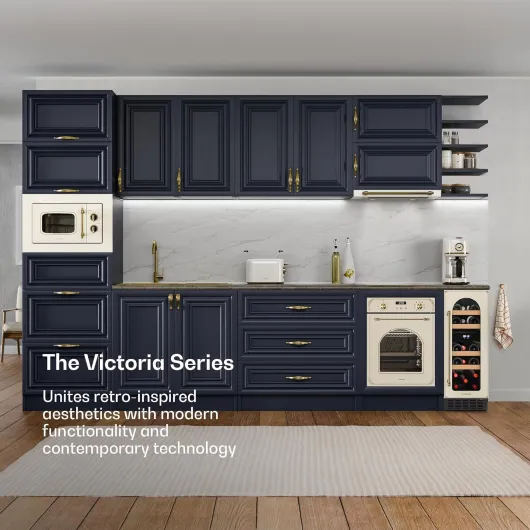
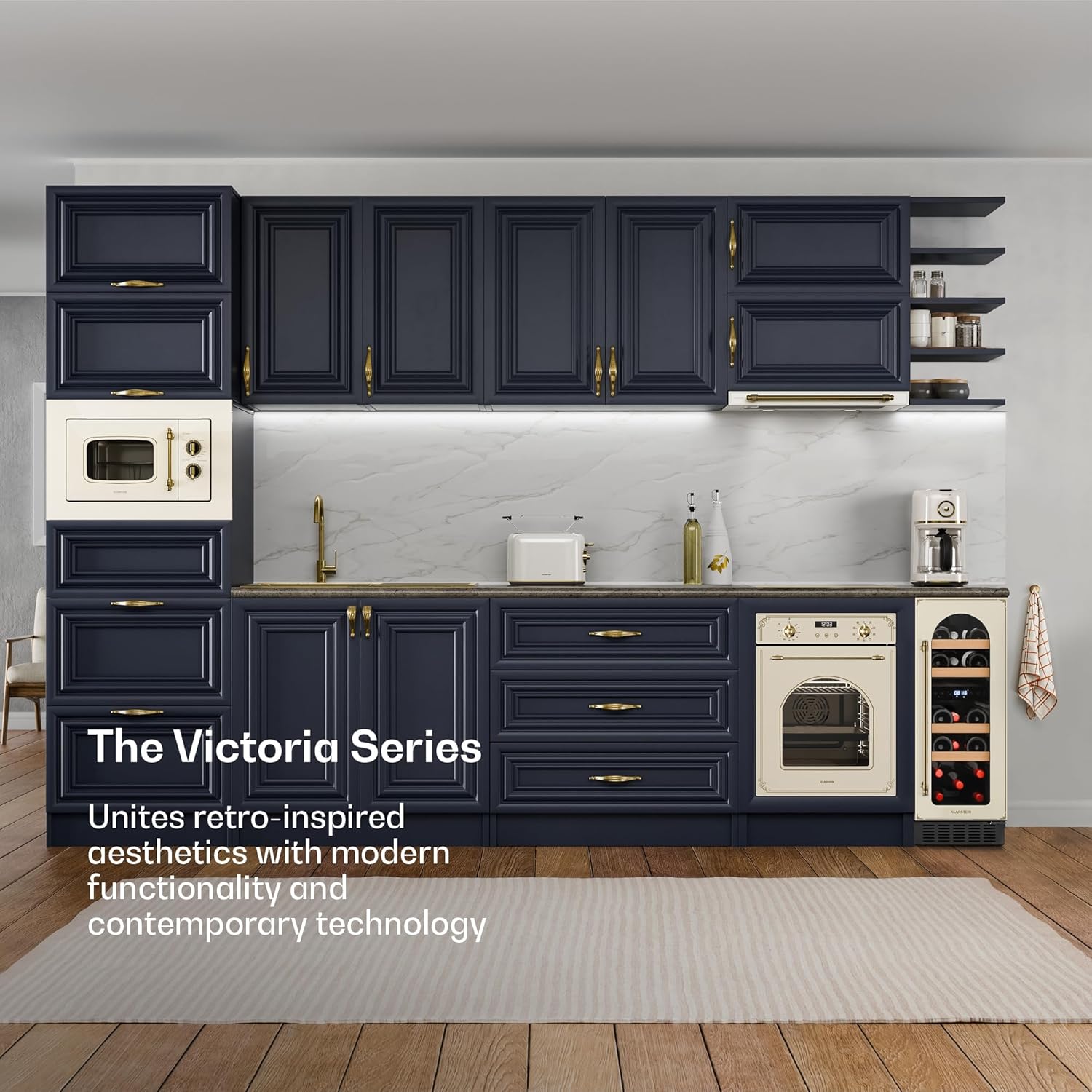
Homeowners often hesitate between a built in wine cellar cabinet and a freestanding wine cooler with UV glass. Built in fridges integrate seamlessly under counters or within tall kitchen columns, saving floor space and aligning with other stainless steel appliances. These units usually vent from the front, which allows tight installation but can limit maximum bottle capacity compared with deeper freestanding models.
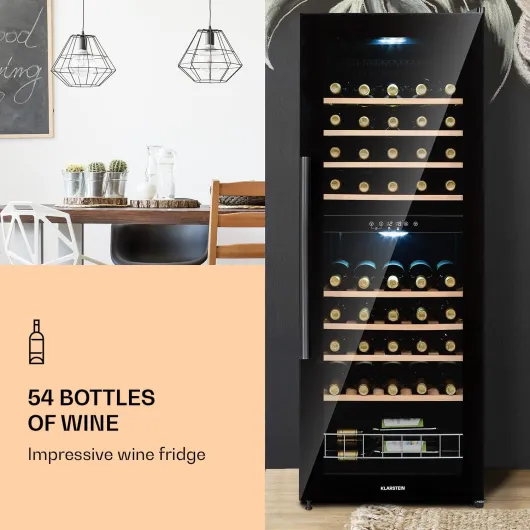
Freestanding wine fridges offer more flexibility for positioning and future moves. You can place a tall wine fridge in a dining room, living room or dedicated wine cellar space, provided you leave enough clearance for ventilation and door swing. Many freestanding coolers with UV protected glass also provide larger storage volumes, making them attractive for a growing wine enthusiast collection.
When you weigh built in against freestanding options, consider noise, heat output and access. A quiet appliance suits open plan rooms where people gather, while a slightly louder but higher capacity cabinet might fit better in a separate cellar or hallway. Typical premium cabinets operate in the 37–43 dB range, similar to a quiet conversation, while energy consumption for a 50–100 bottle unit often falls between 120 and 260 kWh per year depending on insulation and compressor efficiency. For help matching format, bottle capacity and room constraints, detailed advice on sizing a wine cooler correctly can prevent costly missteps.
Balancing budget, performance and aesthetics in UV safe wine fridges
Price differences between wine coolers can be striking, even when capacity and dimensions look similar. Entry level wine fridges often use thinner glass, simpler door seals and basic shelving, which may reduce both UV protection and long term durability. Premium cabinets such as EuroCave Première or high specification Summit models justify their higher price with thicker insulation, quieter compressors and more refined wine racks.
When you evaluate the best wine coolers with UV protection, calculate the value of the wine you plan to store. A modest appliance might seem attractive today, but if your collection grows into a serious wine cellar, inadequate UV shielding or unstable temperature could compromise dozens of bottles. In many cases, investing once in the best wine fridge you can reasonably afford protects both your wine and your peace of mind.
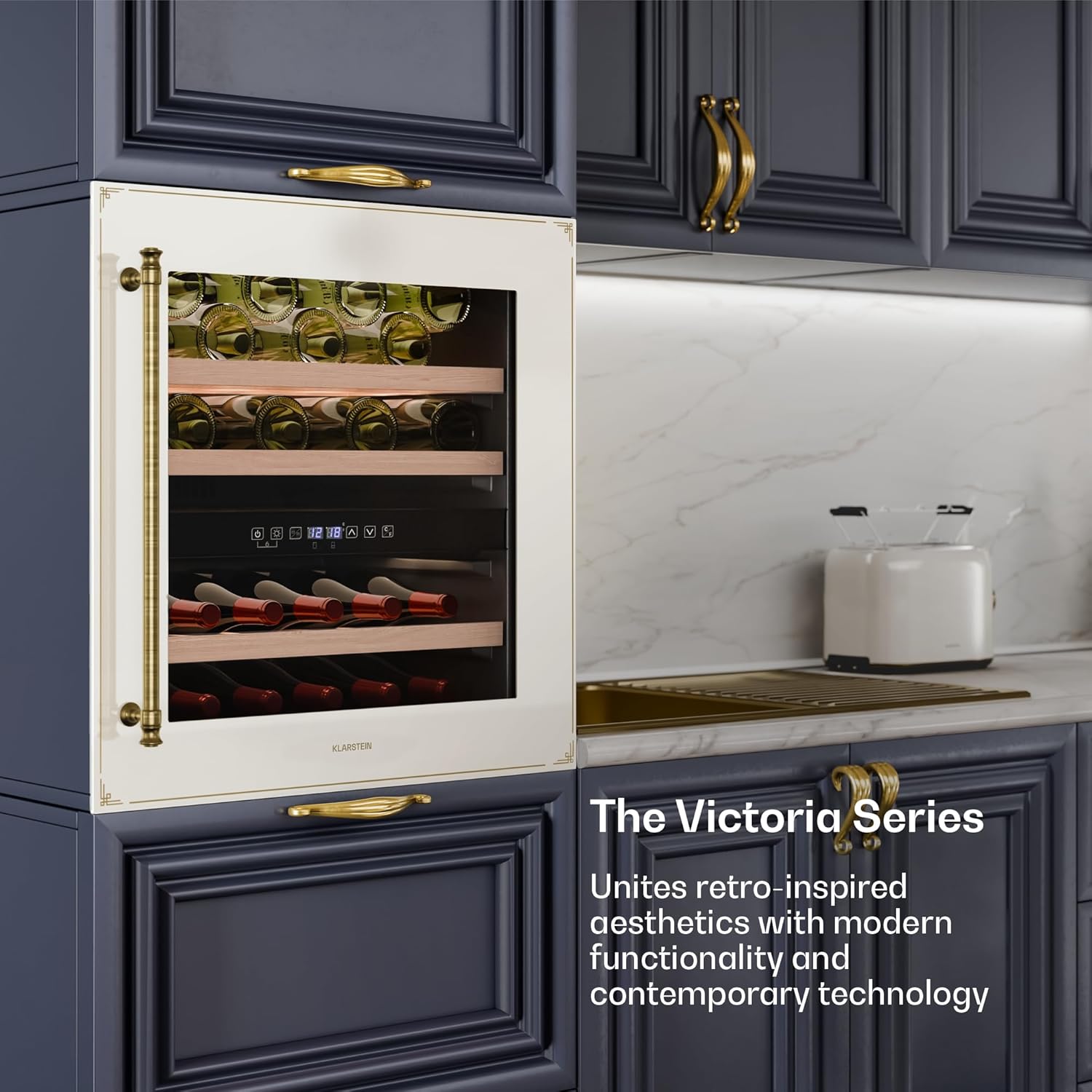
Aesthetics also influence satisfaction with any wine cooler purchase. Stainless steel doors, flush handles and carefully aligned bottle rows create a professional look that complements modern kitchens and dining spaces. For some wine enthusiasts, a slightly higher price for a visually elegant cooler with strong UV protection feels justified every time they walk past their illuminated collection.
Practical tips for daily use of UV protected wine coolers
Owning one of the best wine coolers with UV protection is only the first step. Daily habits determine whether your wine storage actually preserves flavours and structure over the long term. Aim to keep the door closed as much as possible, because every opening introduces warm air and small temperature swings.
Organise your wine racks so that frequently opened bottles sit near the front and at a comfortable height. Reserve the most stable central shelves for long term ageing of fine bottle wine, especially in a single zone cabinet that functions as a true wine cellar. In dual zone models, use the colder upper zone for ready to drink whites and sparkling wines, while the slightly warmer lower zone protects reds intended for gradual development.
Maintenance also matters for any wine fridge or wine cooler appliance. Clean door seals gently, check that the UV protected glass remains free of scratches, and vacuum ventilation grilles to keep airflow unobstructed. These small tasks help your cooler with UV protection maintain consistent performance, ensuring that your best wine remains safe from both light and heat.
Key figures on UV protection and wine storage
- Laboratory tests reported by wine research institutes generally show that clear glass allows a very high proportion of UV light to reach the liquid, while tinted or treated glass in quality wine coolers can reduce this transmission dramatically, slowing flavour degradation.
- Studies on light strike in wine indicate that noticeable aroma defects can appear after relatively short periods of direct sunlight exposure for delicate white wines, which underlines the importance of UV safe doors in any wine fridge placed near windows.
- Market analyses of the global wine cooler appliance segment suggest that dual zone models account for a substantial share of premium cabinet sales, reflecting consumer demand for flexible serving and storage temperatures in a single unit.
- Energy efficiency ratings for modern wine fridges show that well insulated cabinets with UV treated multi glazed doors often consume significantly less electricity than older single pane designs of similar bottle capacity.
- Surveys among wine enthusiasts consistently indicate that owners who invest in higher quality wine storage, including UV protection and stable temperature control, are more likely to keep bottles for longer than five years before opening.