Capacity, layout, and the reality of home spaces
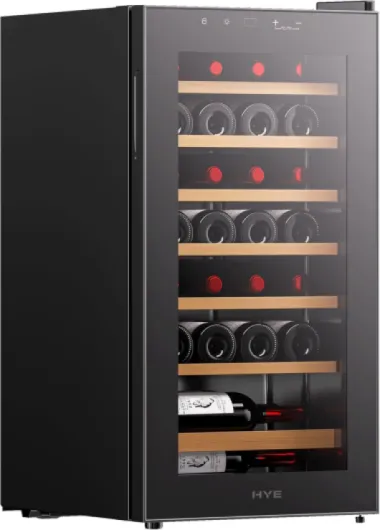
Choosing between small wine coolers and large wine refrigerators starts with an honest audit of your current collection and buying habits. If you routinely purchase cases of wine and plan to keep them for ageing, a tall freestanding wine fridge with 150 bottles of capacity will serve you better than several small coolers scattered around the kitchen. Collectors who mainly buy ready to drink red and white wines for short term wine storage can often rely on a compact 40 bottle wine cooler in the kitchen or dining area.
Internal layout determines how many bottles a wine fridge can hold in real life, not just on the specification sheet. Look for adjustable wine racks that slide smoothly, because tight shelf spacing can make it impossible to store larger bottle formats without removing racks and losing capacity. Before you commit to a built in wine cooler for kitchen wine spaces, study practical installation details such as reversible doors and shelf depth, as explained in this guide on wine cooler specs that seem minor until installation day.
Home architecture also shapes the best wine coolers for collectors, because not every room can host a full wine cellar or large wine fridge. Apartment dwellers often rely on a slim freestanding wine cooler that tucks into small spaces beside standard kitchen cabinets. Owners of larger homes may combine a climate controlled cellar for deep wine storage with one or two smaller wine fridges near the kitchen for ready to drink bottles, balancing convenience and long term wine preservation. A simple planning rule is to keep roughly two thirds of your bottle capacity in a quieter room for ageing and one third in accessible spaces for everyday drinking.
Single zone versus dual zone for a growing collection
The debate between single zone and dual zone wine coolers matters more for collectors than casual drinkers. A single zone wine fridge maintains one uniform temperature, which suits long term wine storage when you keep mostly red wines and do not need separate serving temperatures. Dual zone wine refrigerators divide the cabinet into two independent compartments, allowing one zone setting for cooler wine service and another zone for cellar style wine cooling.
For a mixed collection of red and white wines, dual zone models often rank among the best wine coolers for collectors who entertain frequently. You can keep Champagne and white wine bottles at 7–9 °C in the lower zone while storing red bottles at 12–14 °C above, ready for dinner without last minute ice buckets. Collectors focused on investment grade wine sometimes prefer a large single zone wine cellar fridge, because a uniform temperature across all racks simplifies long term wine preservation and reduces mechanical complexity. In comparative tests by magazines such as Decanter and Wine Spectator, single zone cabinets from brands like EuroCave and Liebherr consistently show tighter temperature stability than many budget dual zone units, which supports this preference for long horizon ageing.
Energy efficiency has become another deciding factor when comparing single and dual zone wine fridges. Modern compressor based coolers with thick insulation and LED lighting can cut electricity use significantly, especially when you choose models listed among the most efficient wine fridges in this overview of top energy efficient wine coolers. For many collectors, the ideal setup combines one large, efficient single zone wine cooler for deep storage with a smaller dual zone wine fridge in the kitchen for everyday drinking bottles. A quick decision shortcut is to choose single zone if more than 70 % of your collection is for ageing, and dual zone if you regularly open several different styles each week.
Built in versus freestanding wine fridges in real homes
Collectors often hesitate between a sleek built in wine cooler and a more flexible freestanding wine fridge. Built in wine refrigerators integrate under counters or within tall kitchen cabinets, using front ventilation to keep the compressor cool without extra clearance at the back. Freestanding wine coolers require space around the cabinet for airflow, but they offer easier relocation when your collection or home layout changes.
For a modern kitchen wine design, a built in wine fridge can create a seamless line with other appliances while keeping everyday bottles within reach. These coolers usually hold between 18 and 60 bottles, which suits small to medium collections or the ready to drink portion of a larger cellar. Serious collectors often pair a built in kitchen wine cooler with a separate freestanding wine cabinet in a utility room, using the second fridge as a mini wine cellar for long term wine storage. Typical examples include a 30 bottle undercounter unit from brands like Bosch or Neff in the kitchen, backed up by a 150 bottle freestanding cabinet from Climadiff, Liebherr, or EuroCave in a cooler part of the house.
Installation details influence performance and noise more than many buyers expect. A freestanding wine cooler placed in a tight alcove may overheat, forcing the compressor to run longer and causing wider temperature swings across the cooling zone. When you plan a built in wine fridge, ensure proper ventilation grills, stable flooring for the racks, and enough clearance for the door swing, because these small decisions help keep your wine collection safe and your cooler system quiet. As a rule of thumb, leave at least a few centimetres of space around freestanding cabinets and avoid placing any unit directly next to ovens or radiators.
Key technical features that protect a valuable collection
Beyond capacity and layout, the best wine coolers for collectors share several technical traits that directly affect wine preservation. A reliable compressor or thermoelectric system must maintain a narrow temperature band, while internal fans circulate air evenly across every zone compartment. High quality wine refrigerators also use UV resistant glass doors and vibration dampening mounts to shield each bottle from light and movement.
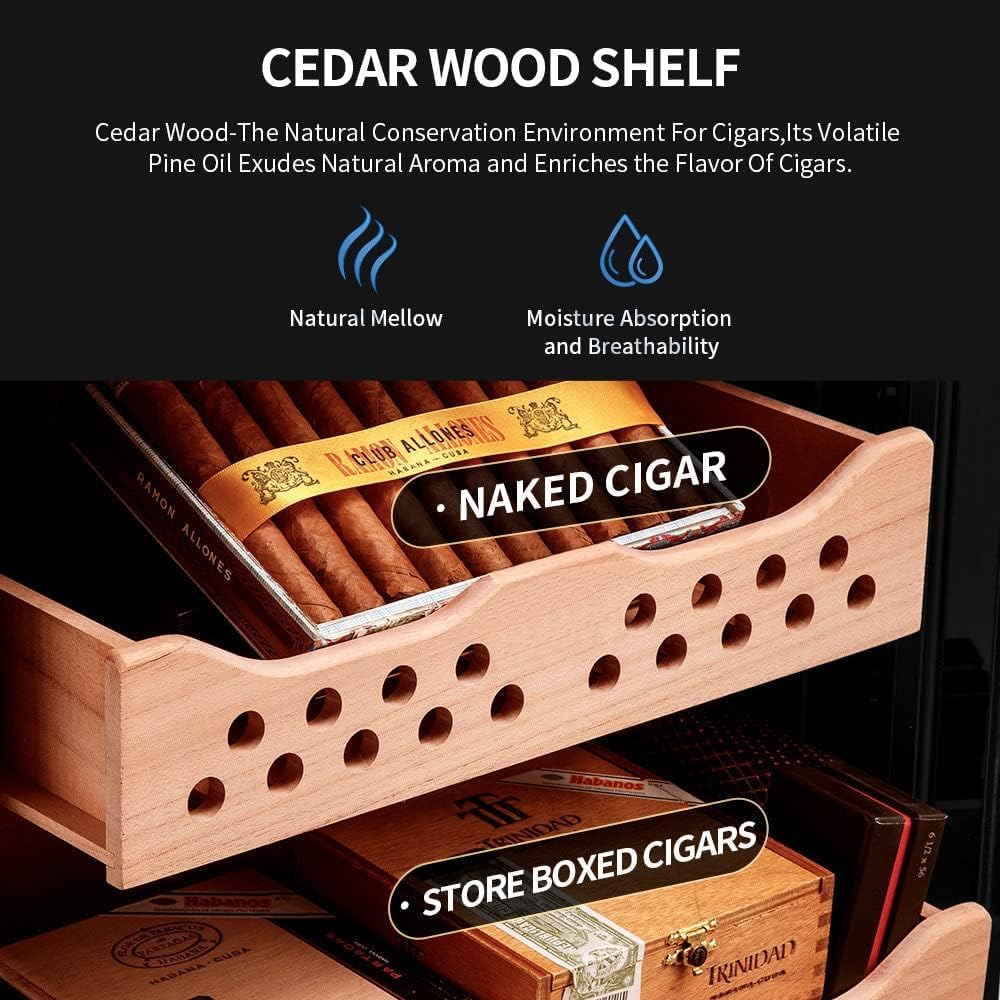
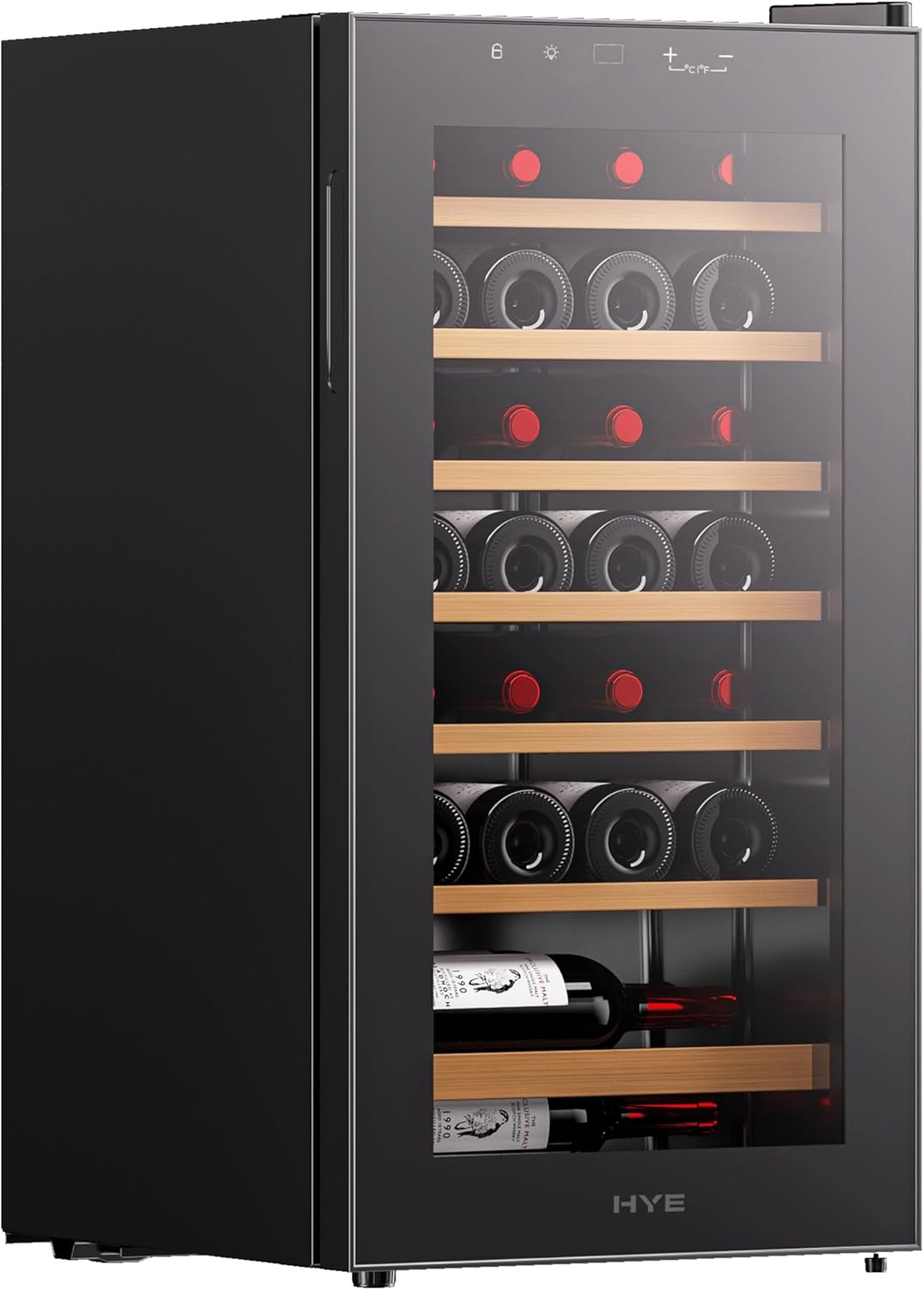
Racks deserve careful attention, because they are the interface between your collection and the cooler cabinet. Wooden wine racks absorb small vibrations better than bare metal, and full extension rails let you inspect labels without disturbing neighbouring bottles. For mixed collections, look for modular wine racks that can be reconfigured to hold magnums, small half bottles, and wider Champagne shapes without sacrificing too much storage density. Independent vibration measurements published by manufacturers such as EuroCave and Liebherr show that well designed wooden shelves with rubber dampers can cut transmitted vibration by more than half compared with basic wire racks, which is why many collector grade cabinets use this style of support.
Humidity management completes the technical picture for any serious wine cellar or large wine fridge. Ideal wine storage keeps relative humidity between 50 % and 70 %, which prevents corks from drying while avoiding mould on labels and racks. Some premium coolers include active humidity control, while others rely on passive systems and tight door seals, so collectors should match these features to their climate and the value of the wines they keep. In drier regions, a cabinet with active humidity regulation or a built in water tray is often worth the extra cost, whereas in naturally humid basements, a simpler unit with good seals may be sufficient.
Planning a long term strategy for wine storage at home
Building a coherent plan for wine storage helps collectors avoid mismatched coolers and wasted space. Start by separating your collection into three groups, with one for ready to drink bottles, another for medium term ageing, and a final group for long term cellaring. The best wine coolers for collectors assign each group to an appropriate fridge or cellar zone, balancing convenience in the kitchen with stable conditions in quieter spaces.
Many enthusiasts now treat a dedicated wine fridge as an entry level wine cellar, especially in urban homes without basements. A tall freestanding wine cooler in a spare room can hold 100 to 200 bottles, while a smaller built in kitchen wine unit keeps 30 to 50 bottles ready for guests. When deciding between single zone and dual zone configurations, this analysis of why dual zone became the default and when single zone still wins offers a practical framework for collectors. As a simple buying checklist, define your target capacity, decide what share of bottles you want at serving temperature, choose between built in or freestanding based on your room layout, and then compare models on temperature stability, noise level, and energy rating.
Collectors should also plan for growth, because wine cooling needs rarely stay static. If you already own 80 bottles, choose a wine fridge or small cellar rated for at least 150 bottles, since real capacity drops once you mix formats and keep some bottles in original cases. By aligning cooler capacity, number of racks, and the layout of your home spaces, you create a resilient system that protects both everyday wines and the rarest bottles in your collection. For higher value cellars, many collectors also keep a simple spreadsheet or cellar management app to track where each bottle sits and how long it should remain in storage.
Top picks: collector friendly wine coolers
- EuroCave Premiere (large cabinet) – around 180 bottle capacity; best for long term ageing of mixed collections. Pros: very stable temperature, low vibration. Cons: premium price, needs floor space. Approximate price: high four figures.
- Liebherr WTes 5872 – roughly 170 bottles; ideal as a primary cellar style wine fridge. Pros: precise digital controls, strong insulation. Cons: heavier than many rivals, installation requires planning. Approximate price: high four figures.
- EuroCave Revelation – about 180 bottles; suited to investment grade wine with varied bottle shapes. Pros: flexible wooden racks, label view shelves. Cons: expensive accessories, not for very tight spaces. Approximate price: high four figures.
- Liebherr Vinidor series (mid size) – typically 80–100 bottles; good for collectors wanting dual zone flexibility. Pros: independent zones, attractive glass door. Cons: capacity drops with large formats. Approximate price: mid to high four figures.
- Climadiff large freestanding cabinet – around 150 bottles; practical choice for value focused collectors. Pros: solid capacity, reliable compressor. Cons: plainer interior, slightly higher noise than top luxury brands. Approximate price: mid three to low four figures.
- 30 bottle undercounter built in (Bosch or Neff) – roughly 30–40 bottles; best as a kitchen serving fridge. Pros: seamless integration, convenient access. Cons: limited ageing capacity, relies on a second cabinet for serious cellaring. Approximate price: low to mid four figures.
Key statistics for serious wine collectors
- Global wine consumption has remained above 230 million hectolitres per year according to the International Organisation of Vine and Wine (OIV 2023 report), which sustains strong demand for reliable wine storage at home.
- Industry surveys from Wine Intelligence indicate that regular wine drinkers who own a dedicated wine fridge purchase on average about 20 % more bottles annually than those without specialised wine cooling equipment, reflecting greater confidence in long term storage.
- Energy Star data show that modern compressor based wine refrigerators can use up to roughly 40 % less electricity than older models of similar bottle capacity, reducing long term operating costs for large collections.
- Market research from Grand View Research reports that dual zone wine coolers represent a growing share of premium wine fridge sales, reflecting collector preference for separate red and white serving temperatures and more flexible home wine storage.
FAQ about top wine coolers for collectors
How many bottles should a collector grade wine fridge hold ?
Most collectors benefit from a primary wine fridge that holds at least 100 bottles, even if their current collection is smaller. Real capacity often runs 15 to 25 % below the stated number once you mix bottle shapes and keep some wines in original cases. A second, smaller wine cooler in the kitchen can then handle 30 to 50 ready to drink bottles for everyday use.
Is a dual zone wine cooler always better than a single zone model ?
A dual zone wine fridge is better when you regularly serve both red and white wines at different temperatures and still want some bottles stored for ageing. Collectors who focus on long term cellaring of mostly red wines may prefer a large single zone wine cellar cabinet, because one stable temperature simplifies management. The best choice depends on how much of your collection is for drinking now versus long term storage.
Can a wine cooler replace a traditional underground wine cellar ?
A high quality wine refrigerator with stable temperature, good humidity retention, and vibration control can replicate many conditions of a traditional wine cellar. For apartments and homes without basements, a tall freestanding wine cooler often becomes the main storage solution for valuable bottles. However, very large collections or extremely long ageing horizons may still benefit from a purpose built cellar with thicker insulation and passive climate stability.
Where should I place a wine fridge in my home ?
The best location for a wine fridge is a cool, shaded area away from direct sunlight and heat sources such as ovens or radiators. Many collectors use a built in wine cooler in the kitchen for convenience and a second freestanding unit in a hallway, pantry, or utility room for quieter long term storage. Always respect the manufacturer’s ventilation requirements, because restricted airflow can cause higher temperature swings and shorten the life of the cooler.
What temperature should I set for mixed collections of red and white wines ?
For a single zone wine fridge holding both red and white wines, a compromise temperature around 12 °C works well for medium term storage. If you own a dual zone wine cooler, set the lower zone around 7–9 °C for whites and sparkling wines and the upper zone around 12–14 °C for reds. This approach keeps wines safe for ageing while ensuring that at least some bottles are always close to ideal serving temperature.