How thermoelectric cooling differs from compressor systems
Compressor systems in a regular wine refrigerator work like a standard kitchen fridge, cycling refrigerant to remove heat quickly. By contrast, a thermoelectric wine cooler relies on the Peltier effect, where an electric current across two materials moves heat from one side of the unit to the other. This difference explains why compressor wine fridges handle wider temperature ranges, while thermoelectric coolers excel at gentle, consistent wine storage in moderate climates.
When you compare compressor versus thermoelectric wine coolers, think about both performance and running noise. A compressor wine fridge can usually maintain a lower temperature even when the surrounding room is warm, which suits a larger wine cellar or a built wine cabinet installed near cooking appliances. A thermoelectric wine unit, on the other hand, offers smoother temperature control without vibration, which many collectors prefer for a small freestanding wine cooler placed in a quiet tasting room.
Energy use also differs between these two cooling technologies, especially when you look beyond the sale price or regular price on the label. In a cool room, a thermoelectric wine fridge can be efficient because it only needs to move a modest amount of heat away from the bottles. For readers who want to go deeper into the physics of wine room cooling units and how they manage heat loads, a detailed technical guide is available on understanding the essentials of wine room cooling units.
Choosing capacity, zones, and layout for thermoelectric units
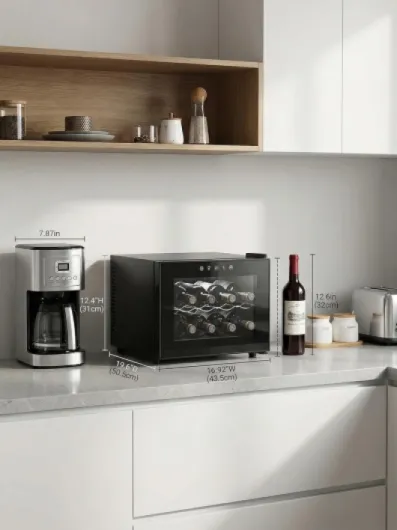
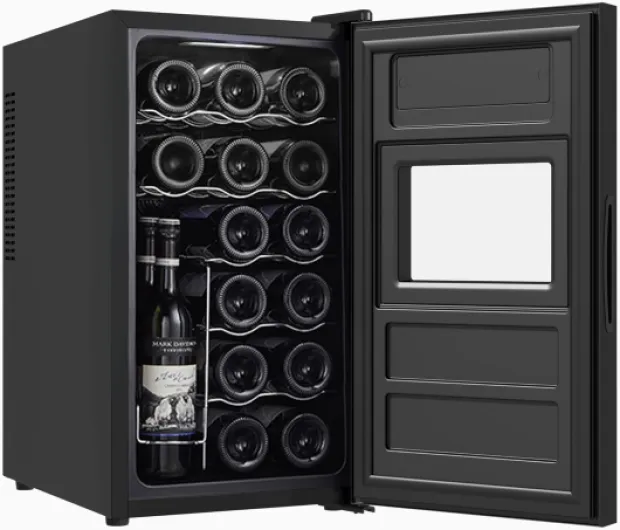
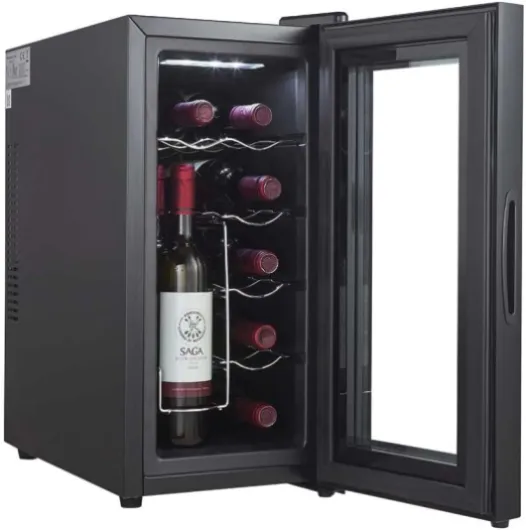
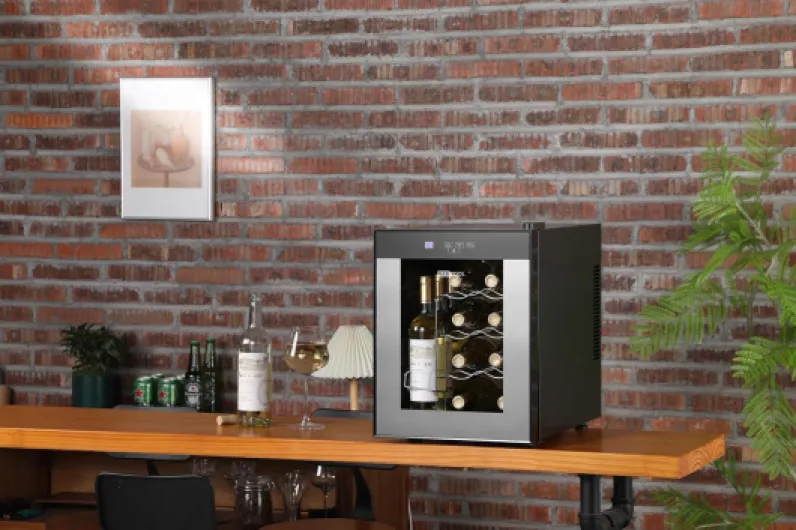
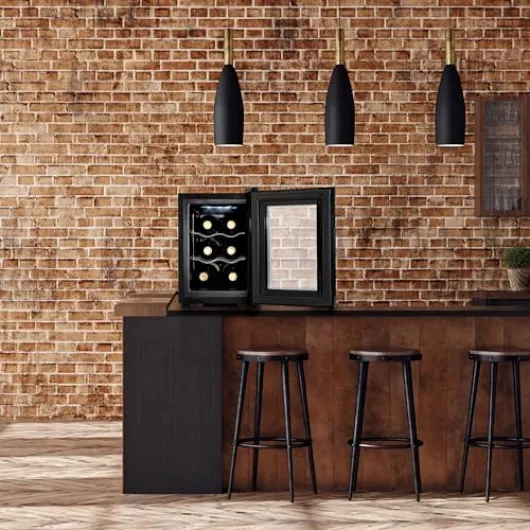
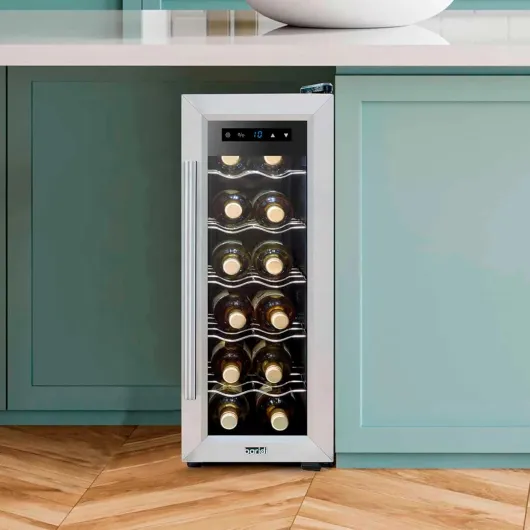
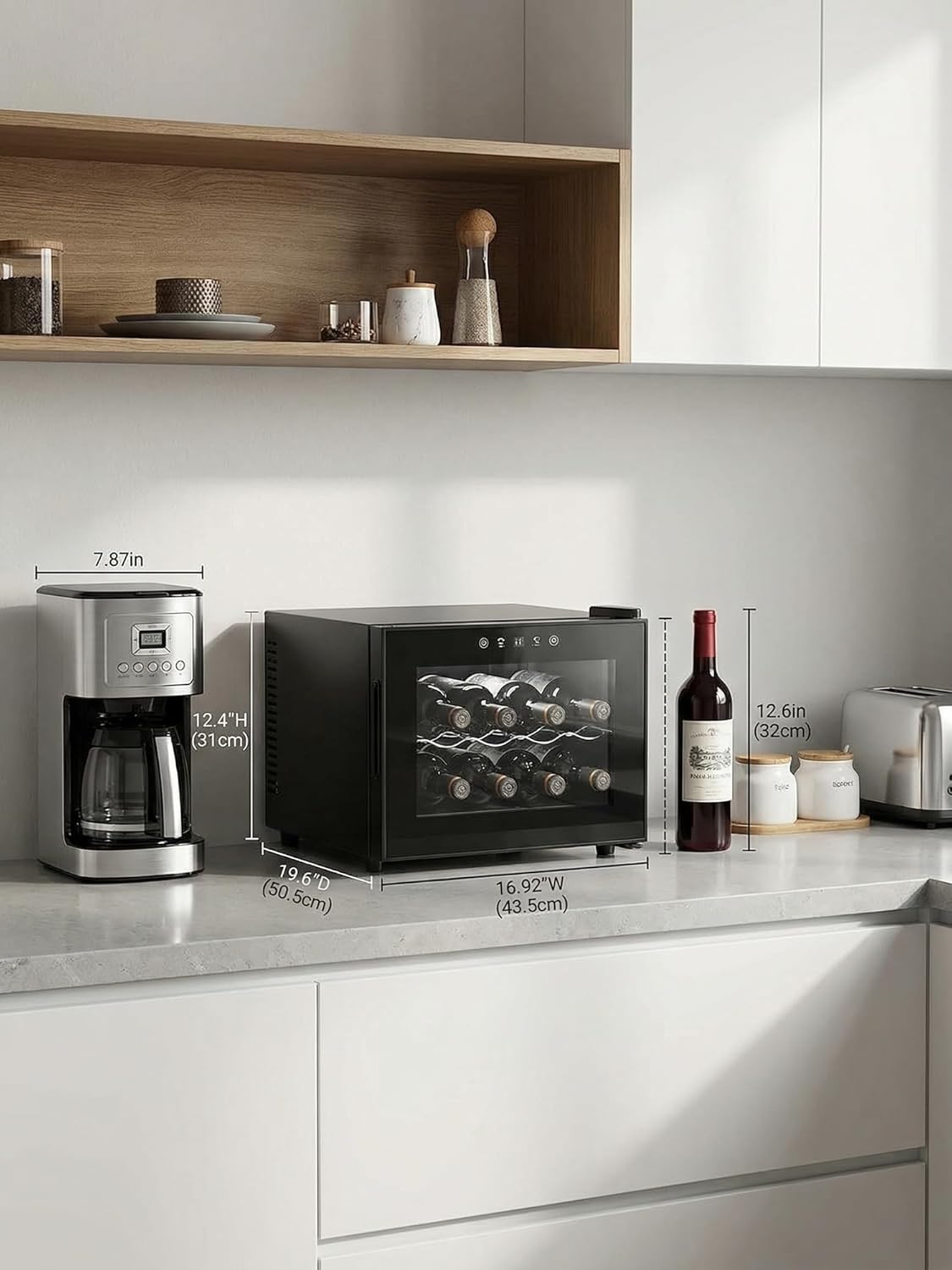
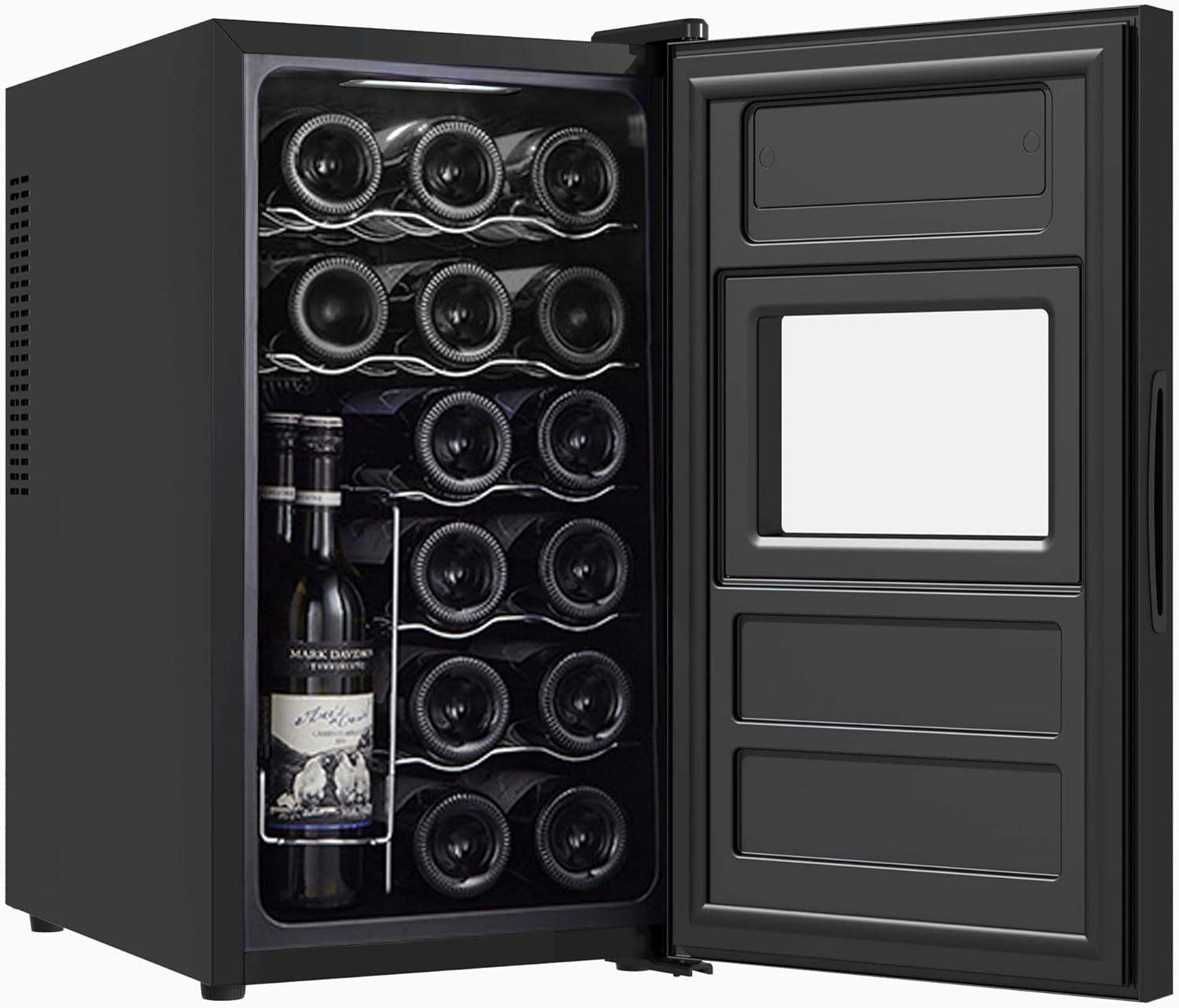
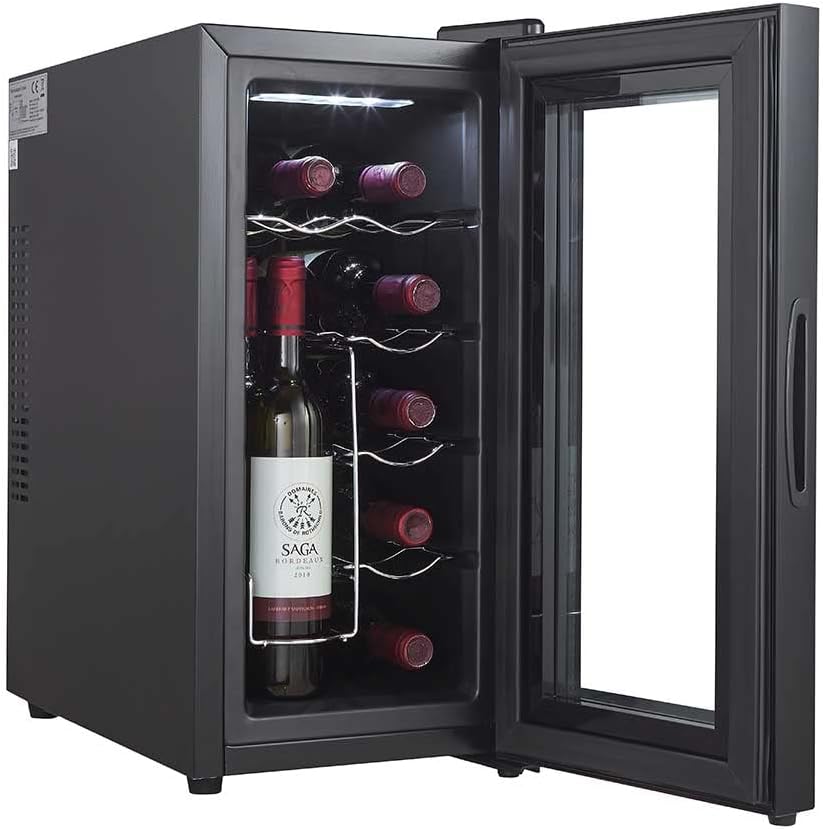
Capacity is the first practical decision when comparing the best thermoelectric wine coolers for home use. A compact thermoelectric wine cooler might hold 8 to 12 bottles, while a larger freestanding unit can store 24 bottles or more in a slim cabinet. Always remember that stated bottle counts assume standard 750 ml bottle wine shapes, so wider sparkling wine or large format red white bottles reduce the real capacity of your wine fridge.
Many thermoelectric wine coolers offer a single temperature zone, which suits either all red wine or all white wine collections kept at one stable setting. If you enjoy both red white styles and want serving ready temperatures, a dual zone thermoelectric wine fridge lets you keep one zone at 12 to 14 °C for reds and another zone at 6 to 10 °C for whites. This dual zone layout is especially helpful when you lack space for two separate wine fridges but still want precise temperature control for different bottles.
Shelving design also affects how you use a thermoelectric wine refrigerator in a small apartment or office. Sliding shelves make it easier to access bottles at the back of the cooler, but they can slightly reduce total wine storage capacity compared with fixed racks. If you are planning a larger wine cellar with both thermoelectric coolers and compressor wine units, you can explore more advanced cellar cooling strategies in a specialist guide on choosing the right wine cellar cooling units for your collection.
Where thermoelectric wine coolers fit best in your home
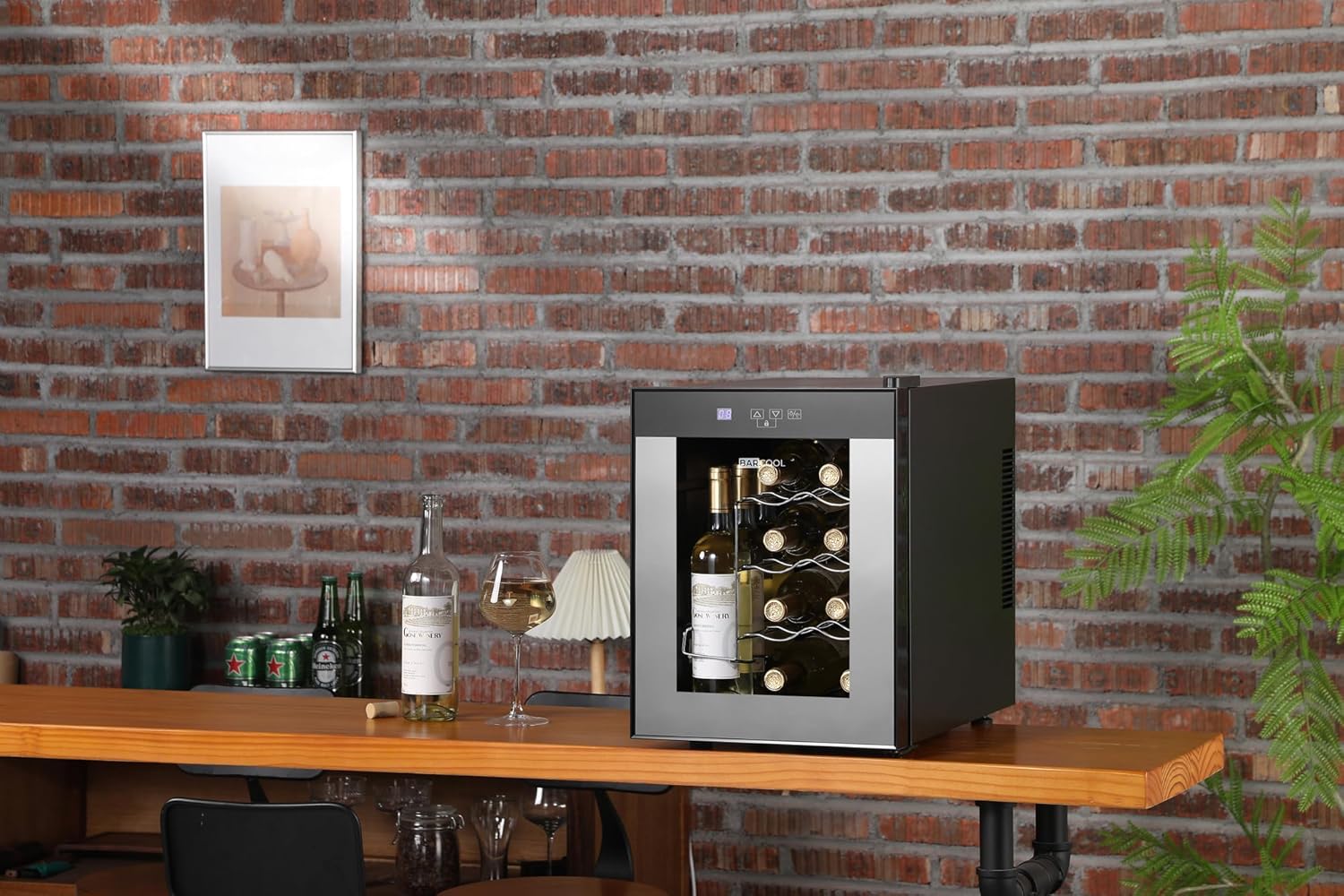
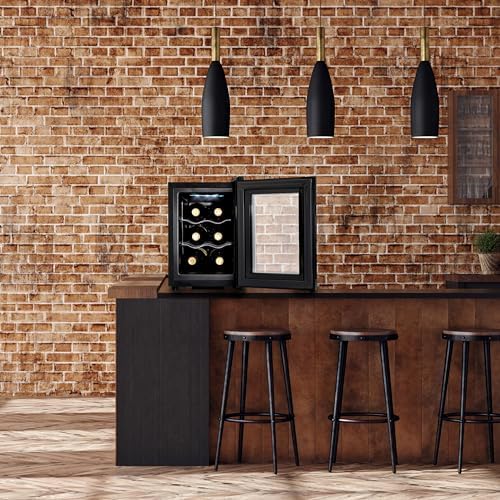
Placement is critical when you want the best thermoelectric wine coolers to perform as promised. Because a thermoelectric unit depends on a temperature difference between the interior and the room, it should sit in a space where ambient heat stays relatively low. A shaded dining room corner or a cool hallway often works better than a sunlit kitchen counter for a freestanding wine cooler.
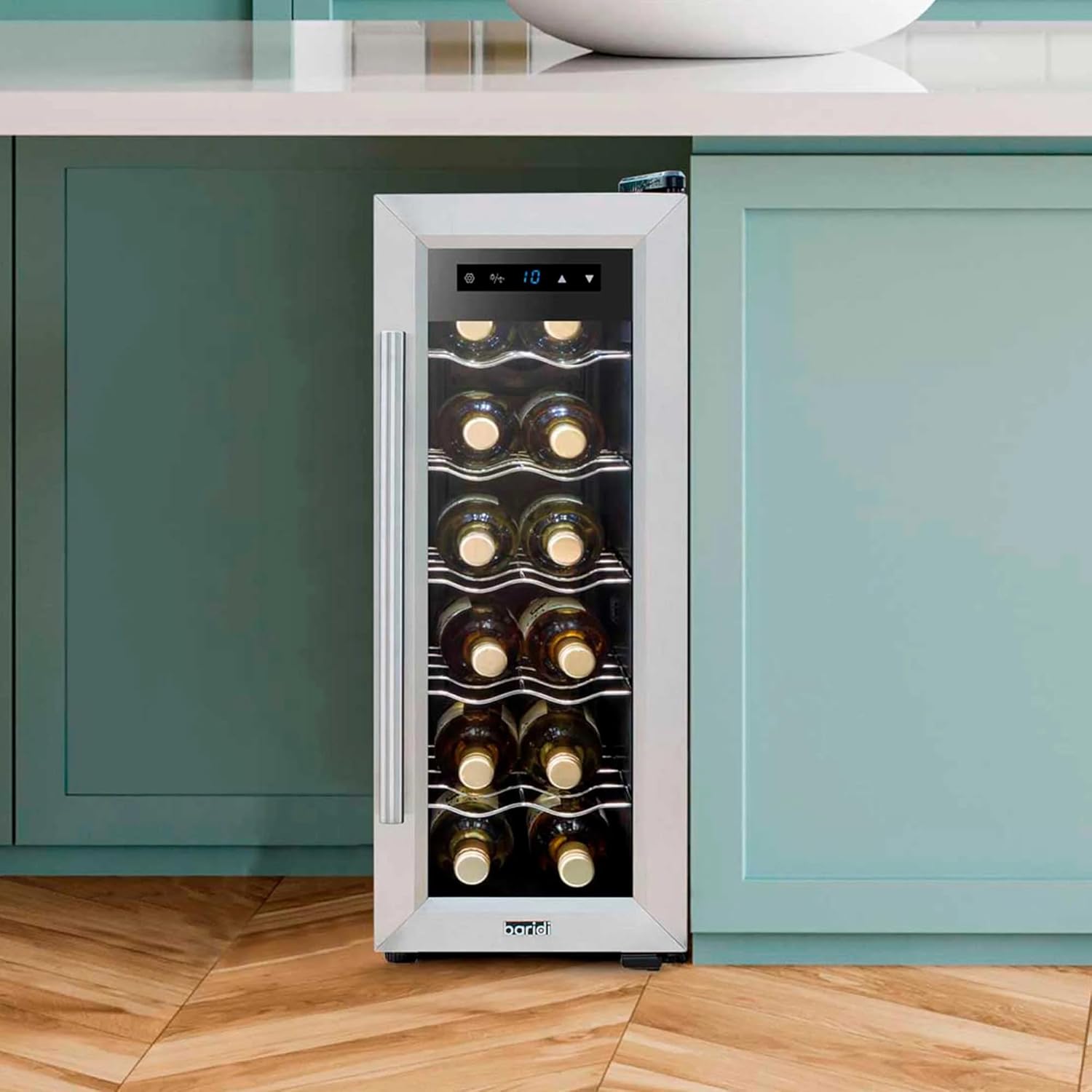
Thermoelectric coolers need airflow around the rear and sides to disperse heat efficiently. Avoid pushing a wine cooler flush against a wall or into a tight cabinet cutout, because that traps warm air and forces the unit to work harder to maintain the set temperature. If you want a built wine look under a counter, choose a model specifically rated for built in installation rather than adapting a regular freestanding wine fridge.
Noise sensitive spaces highlight one of the strongest advantages of thermoelectric wine technology. A bedroom, home office, or media room benefits from the near silent operation of a thermoelectric wine refrigerator, especially when you are relaxing or working nearby. For readers who prioritise low noise above all else, a curated list of quiet wine coolers is available at this guide to top quiet wine coolers, which includes both thermoelectric coolers and carefully selected compressor wine models.
Price, value, and what unit price really means
Shoppers often focus on the sale price or regular price of a wine cooler without considering long term value. A thermoelectric wine fridge usually costs less upfront than a large compressor wine refrigerator, especially in the small 8 to 18 bottle segment. When you compare the unit price of different wine coolers, think about capacity, temperature stability, and expected lifespan rather than only the initial price tag.
Energy consumption plays a quiet but important role in the real price unit of ownership. In a moderate climate, a thermoelectric wine unit can be efficient because it does not cycle a compressor on and off, which reduces both noise and power spikes. However, if your home stays warm for much of the year, a compressor wine fridge might maintain the target temperature with less strain, which can offset its higher price regular over time.
Warranty coverage and build quality also influence the value of the best thermoelectric wine coolers. Look for solid door seals, reliable electronic control panels, and clear temperature displays that help you manage wine storage with confidence. When comparing models side by side, consider how many bottles each unit holds at its stated sale price, and calculate a simple cost per bottle wine to see which cooler offers the strongest long term value for your collection.
Matching thermoelectric and compressor cooling to your collection
Choosing between thermoelectric coolers and compressor wine fridges depends on the size and style of your collection. A small selection of everyday red white bottles for weeknight dinners fits perfectly in a compact thermoelectric wine cooler on a countertop. Larger or more valuable collections, especially those destined for a dedicated wine cellar, often benefit from a robust compressor wine refrigerator or a full cellar cooling system.
Some collectors use both technologies in different zones of their home to balance performance and comfort. A quiet thermoelectric wine fridge in the living room keeps white wine and lighter reds at serving temperature, while a larger compressor wine unit in a utility room handles bulk wine storage at a steady cellar temperature. This mixed approach lets you enjoy the best thermoelectric wine coolers for everyday access while relying on compressor units for long term ageing and higher capacity.
Think carefully about how often you entertain, how many bottles you buy at once, and whether you plan to expand your wine cellar in the future. If you expect your collection to grow quickly, starting with a slightly larger thermoelectric wine refrigerator or pairing it with a modest compressor wine fridge can prevent overcrowded shelves. In every case, prioritise stable temperature control, adequate ventilation, and realistic capacity over chasing the lowest sale price on a visually impressive but undersized cooler.
Key figures on thermoelectric and compressor wine cooling
- Most thermoelectric wine coolers can maintain an interior temperature roughly 10 to 14 °C below ambient room temperature, which means they perform best in rooms kept below about 24 °C according to typical manufacturer specifications.
- Noise levels for thermoelectric wine fridges often fall in the 30 to 40 dB range, comparable to a quiet library, while many small compressor wine refrigerators operate between 40 and 50 dB based on common product datasheets.
- Entry level thermoelectric wine coolers for 8 to 12 bottles frequently retail between 100 and 250 euros, whereas similarly sized compressor wine fridges usually start closer to 250 euros and can rise significantly with premium finishes.
- Energy labels for compact thermoelectric units often show annual consumption around 100 to 150 kWh, while larger compressor based wine fridges can range from 150 to more than 250 kWh per year depending on capacity and insulation quality.