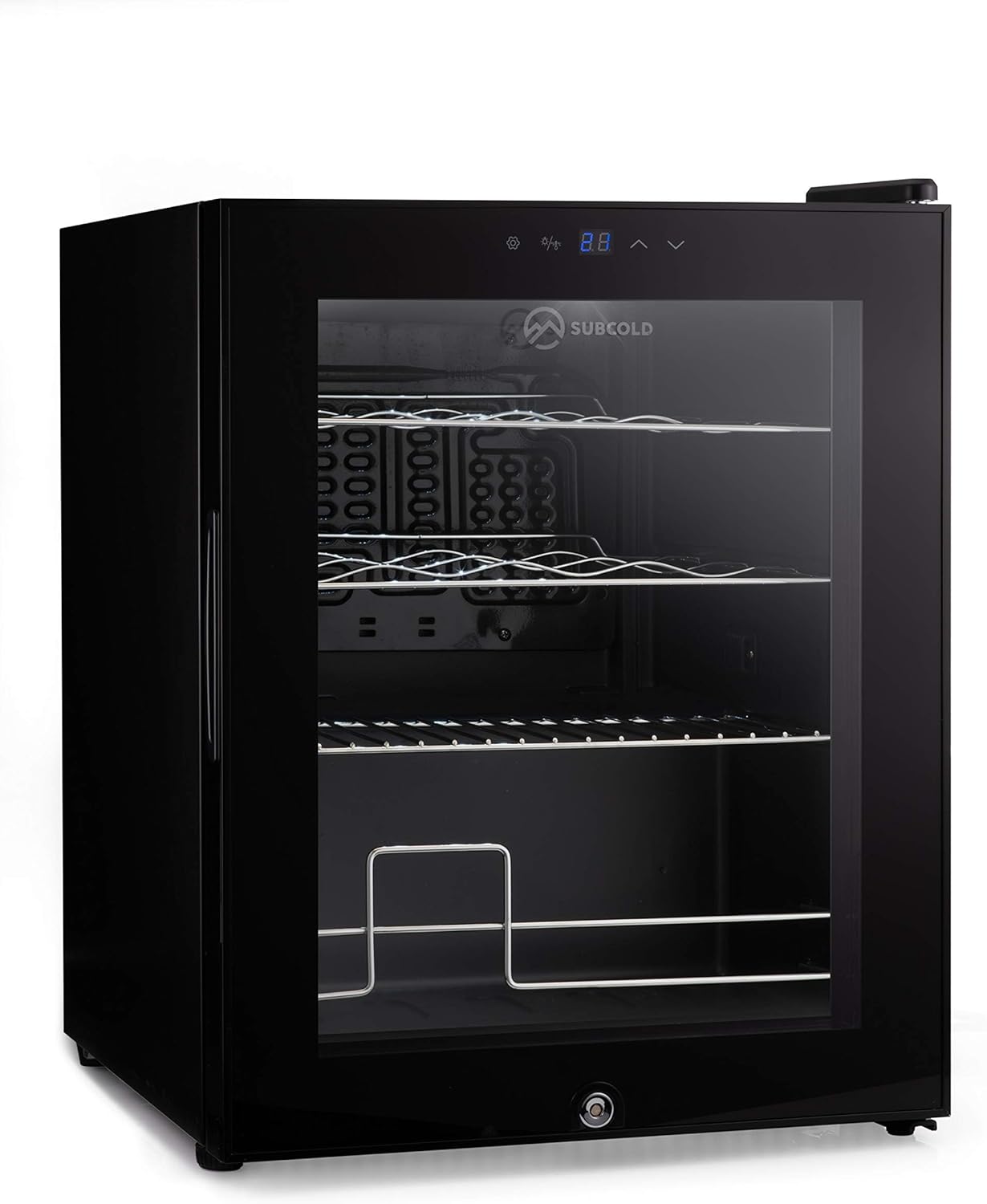
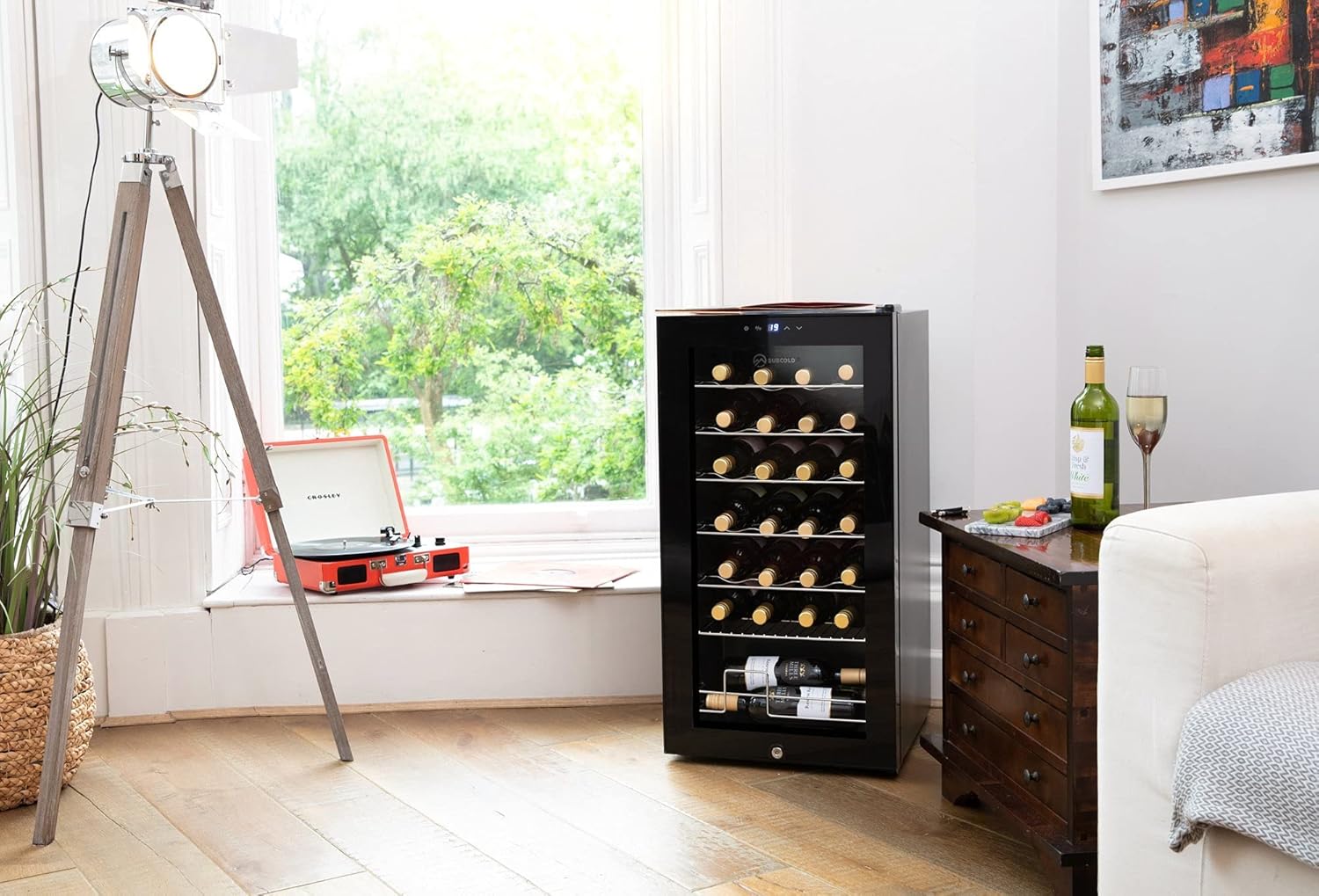
How to judge quality, price and long term value
Choosing among the best single zone wine coolers means balancing build quality, capacity and price over the full life of the appliance. A cheaper wine fridge with a tempting sale price can look attractive, yet a higher regular price on a sturdier stainless steel cabinet often reflects thicker insulation, better compressors and more stable temperature control. When you compare the price regular to the expected lifespan, the long term cost per bottle usually matters more than the initial invoice.
Pay close attention to how the cooler is built, especially the door, hinges and shelving. Solid stainless steel trims, smooth telescopic rails and well finished racks protect both the bottle and the label, while flimsy wire shelves can scrape glass and reduce practical bottle capacity compared with the brochure figure. If you are considering a mid range wine refrigerator, it is worth reading detailed analyses such as the guide on the common problems with mid priced wine coolers to understand where manufacturers often cut corners.
Noise, vibration and energy use also influence the real value of a single zone wine fridge. Compressors that cycle too frequently can disturb sediment in older bottles and raise running costs, while a well engineered wine refrigerator maintains a steady temperature with minimal humming in a living room or open kitchen. When you evaluate the best single zone wine coolers, ask how the fridge will perform after thousands of hours of continuous wine storage, not just how it looks on the day of delivery.
Built in versus freestanding single zone fridges
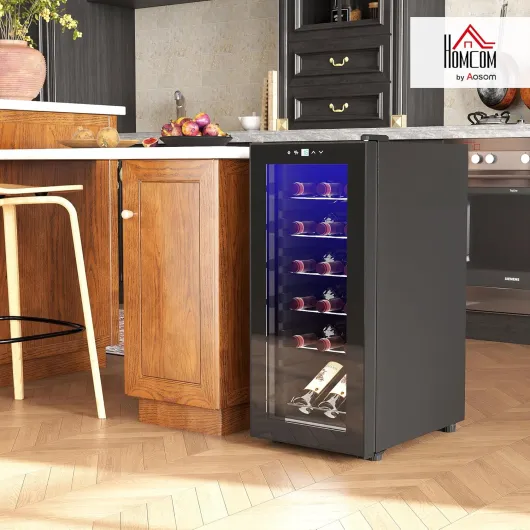
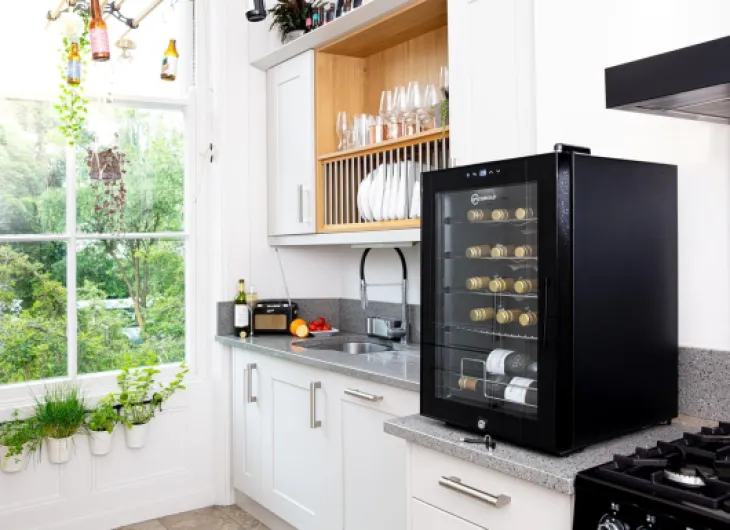
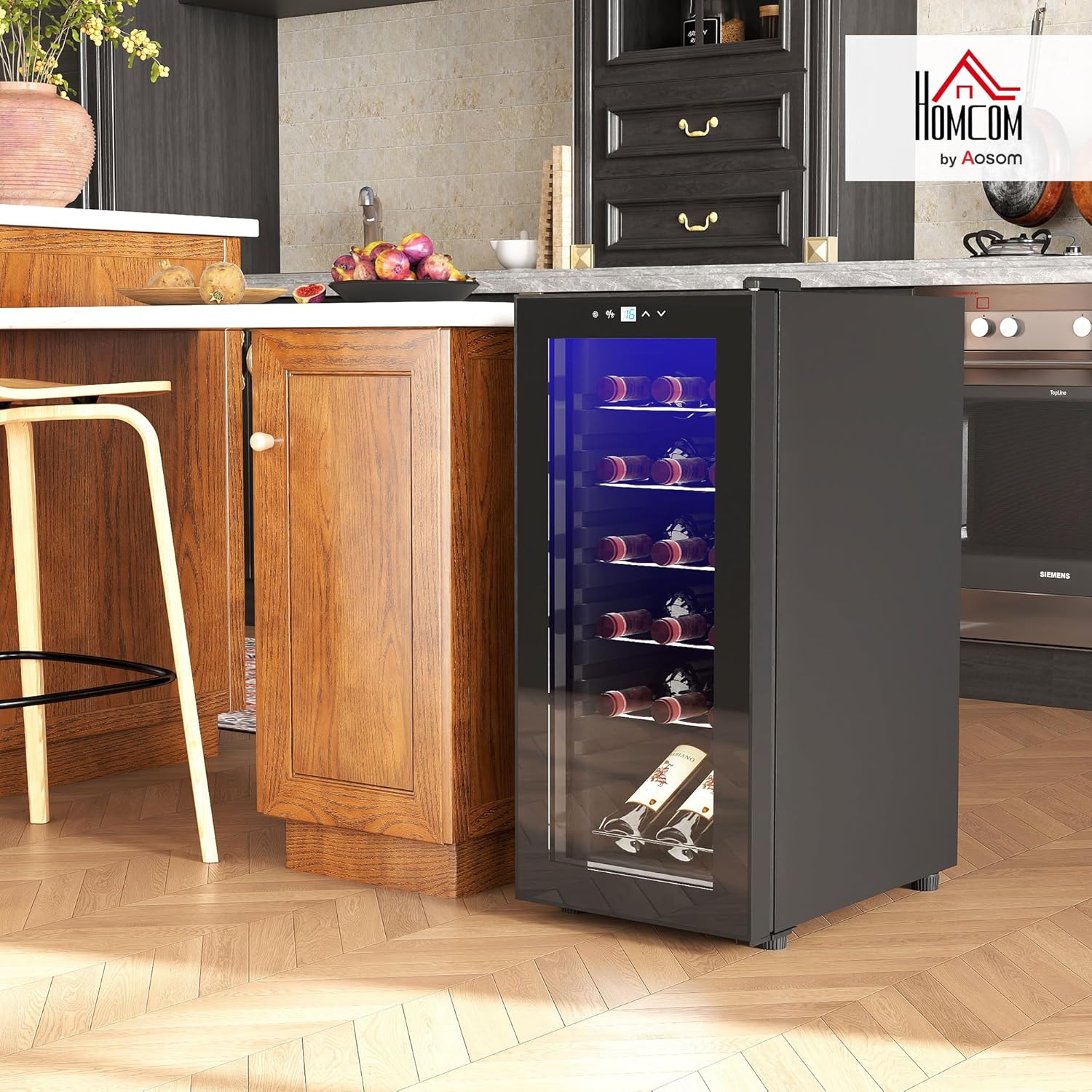
One of the biggest decisions is whether you need a built in single zone wine fridge or a freestanding cooler that can move with you. A built under wine refrigerator is designed with front ventilation, allowing the warm air to escape through the plinth while the cabinet slides neatly between kitchen units. Freestanding wine fridges usually vent from the rear or sides, which means they require extra space around the cooler for safe airflow and stable temperature.
If you are planning a new kitchen, a built wine cabinet in stainless steel can visually align with your other fridges and appliances. Many of the best single zone wine coolers in this category come in standard widths such as a 15 inch wine model or a 30 inch wine model, making it easier for designers to integrate them into a run of cabinets. In contrast, a freestanding wine cooler offers more flexibility for renters or those who expect to move their wine storage between rooms over time.
Noise expectations differ between these formats as well. A freestanding beverage refrigerator in an open plan living area must be especially quiet, so consulting resources such as the overview of top quiet wine coolers can help you shortlist suitable models. Built in coolers are often tucked under counters, yet they still share space with social areas, so low vibration and gentle fans remain crucial for both your comfort and the long term health of your wines.
Capacity, bottle formats and realistic storage planning
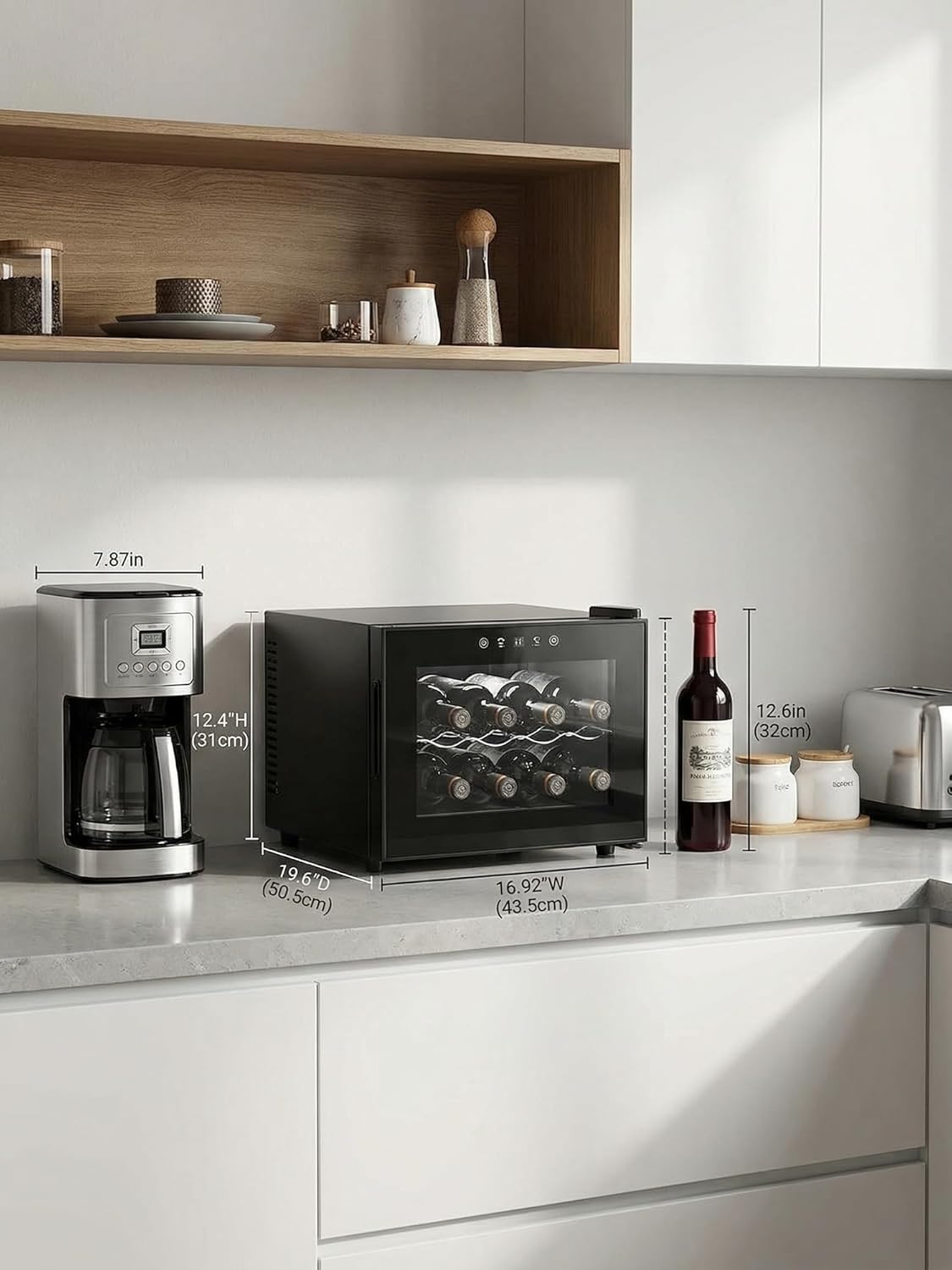
Manufacturers often quote an impressive bottle capacity for each single zone wine cooler, but those figures usually assume only standard 750 ml Bordeaux bottles. Once you introduce wider Burgundy shapes, Champagne or unusual bottle wine formats, the real storage drops, sometimes by a third. When you evaluate the best single zone wine coolers, always compare the stated capacity with your actual mix of wines and how many bottles you plan to keep ready to drink.
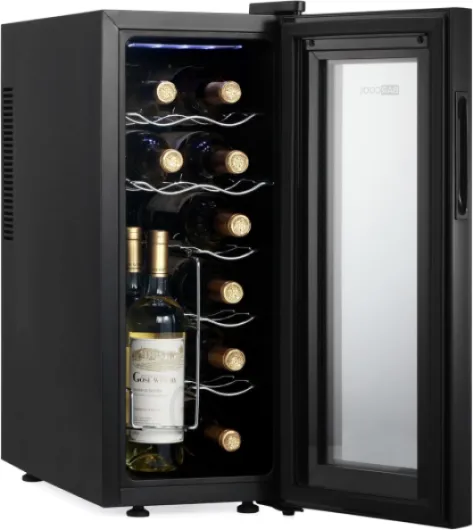
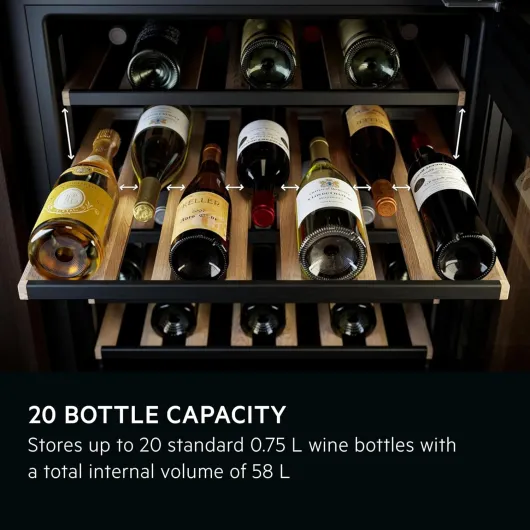
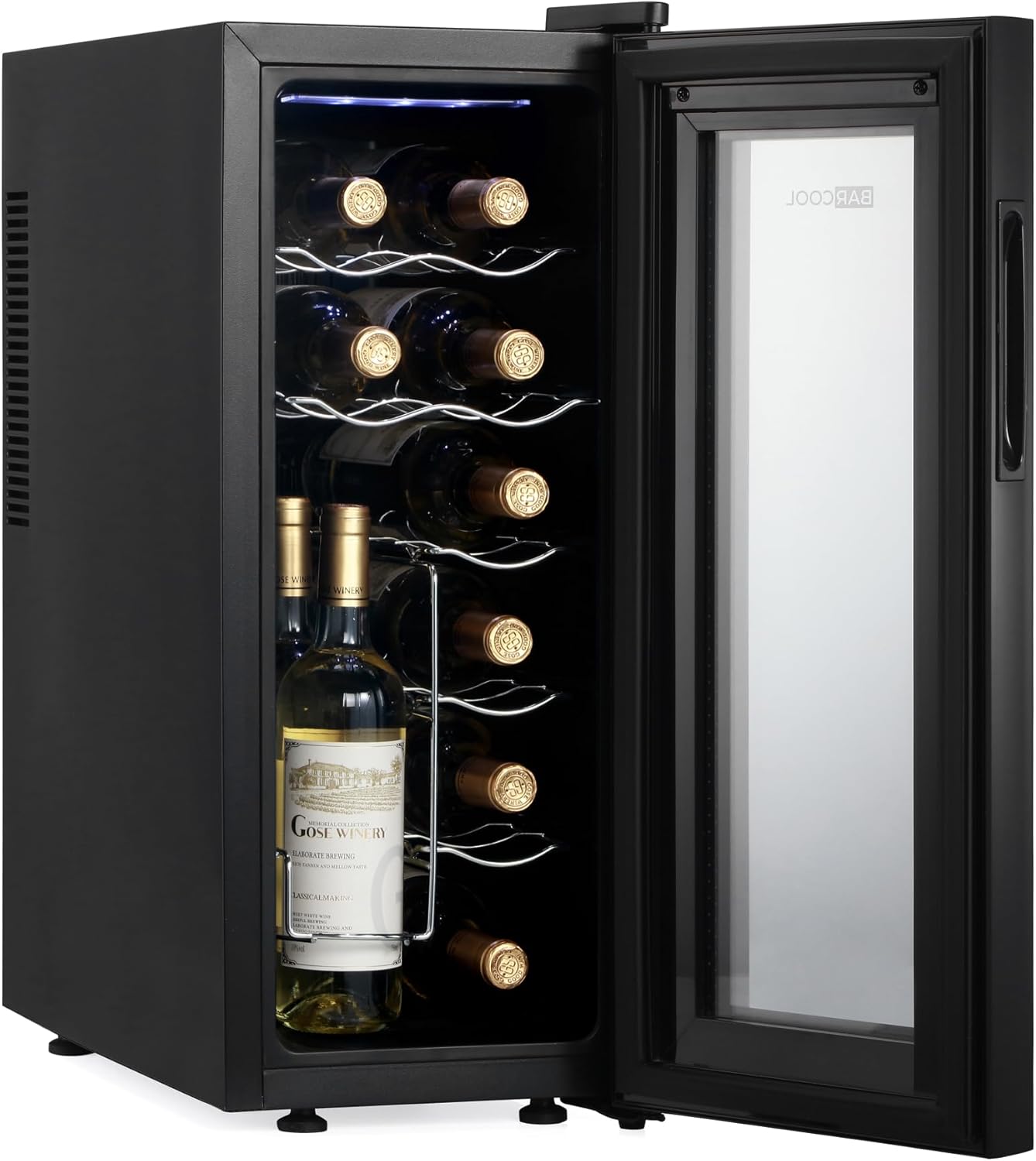
Look closely at the shelving layout, because this determines how efficiently the refrigerator uses its internal volume. Adjustable shelves, split racks and carefully spaced rails allow you to alternate bottles neck to neck, which increases wine storage without crushing labels or forcing you to stack bottles on top of each other. A well designed 30 inch wine fridge with thoughtful racks can outperform a larger but poorly arranged beverage refrigerator in terms of usable bottle single positions.
Think about growth as well as current needs. If you already own 40 bottles, a 50 bottle capacity cooler leaves little room for new wines, so stepping up to a 75 bottle refrigerator can prevent an overflow into regular fridges or cupboards. Many enthusiasts eventually add a second single zone wine fridge for everyday wines while reserving the first wine cooler for longer term cellaring, which keeps your collection organised and reduces the temptation to open special bottles too early.
Temperature management, wine styles and when dual zone matters
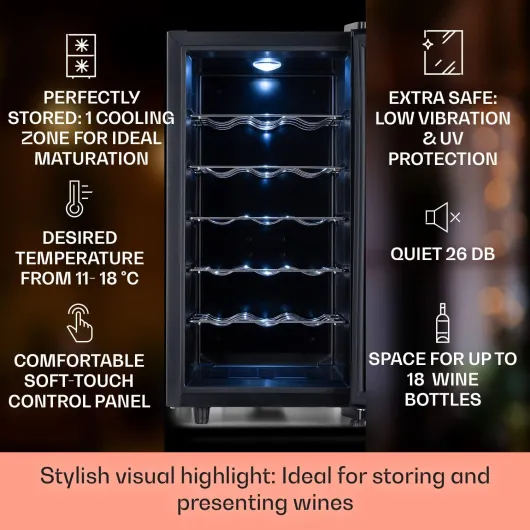
Precise temperature control is the core function of any wine cooler, and single zone models excel when you focus on one serving range. Most red wines age comfortably around 12 to 14 °C, while many whites and rosés prefer 8 to 10 °C, so you must decide whether you are optimising for storage or immediate drinking. The best single zone wine coolers hold that chosen temperature within a narrow band, often within one degree, which protects both structure and aroma.
For mixed collections, a dual zone wine refrigerator can seem attractive, yet it is not always essential. You can store all wines together in a single zone at a moderate 11 to 12 °C, then move a bottle to a regular refrigerator for a short chill before serving, which works well for sparkling wines and lighter whites. This strategy lets you enjoy the simplicity and often lower price of a single zone wine fridge while still respecting the needs of different wine styles.
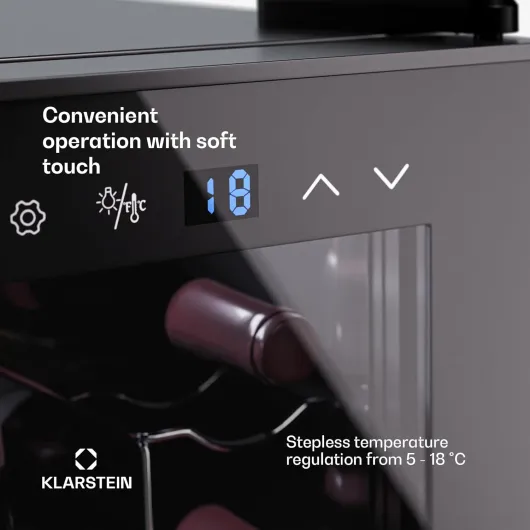
Pay attention to how the cooler measures and displays temperature. Some fridges use a single sensor near the top, which can hide warmer pockets near the door, while better wine coolers distribute sensors and fans to keep the entire zone wine interior even. Whether you choose a compact beverage fridge or a larger wine refrigerator, stable temperature matters more than chasing a specific number, because constant fluctuations stress the liquid inside every bottle.
Design details, placement and integrating a wine fridge into your home
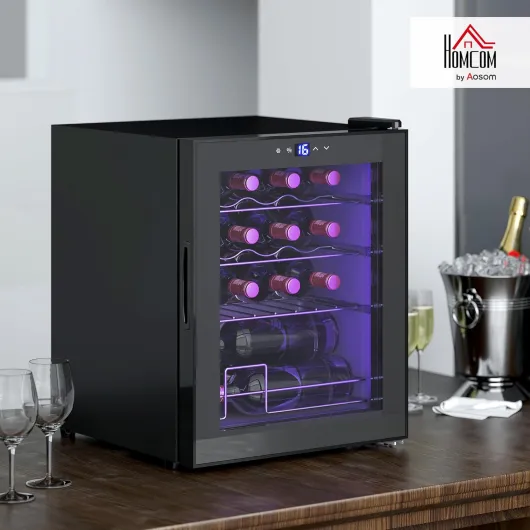
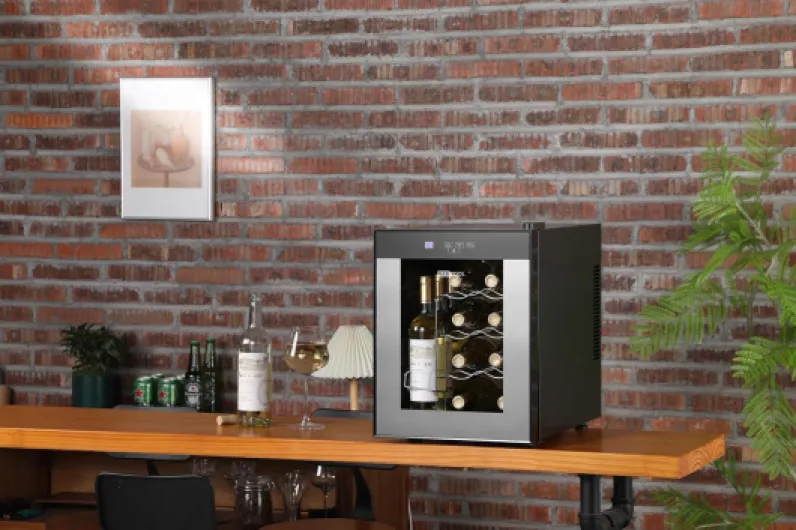
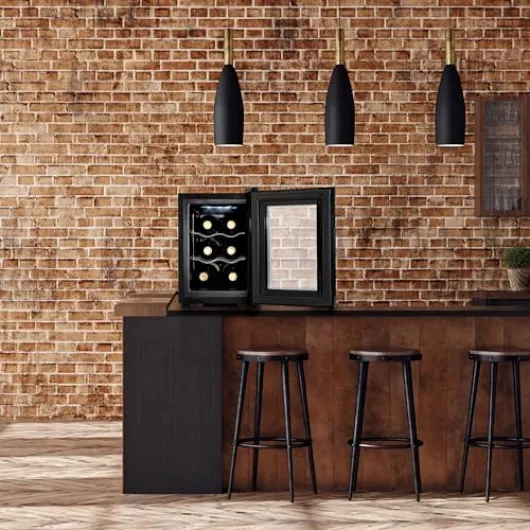
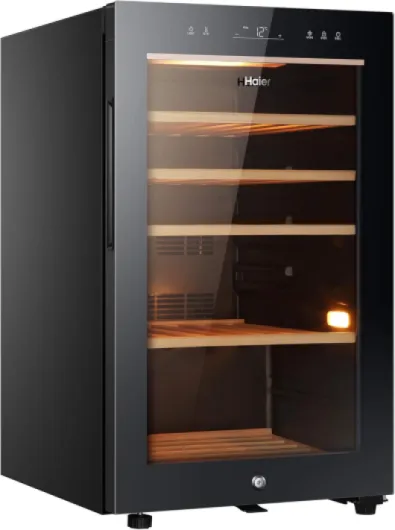
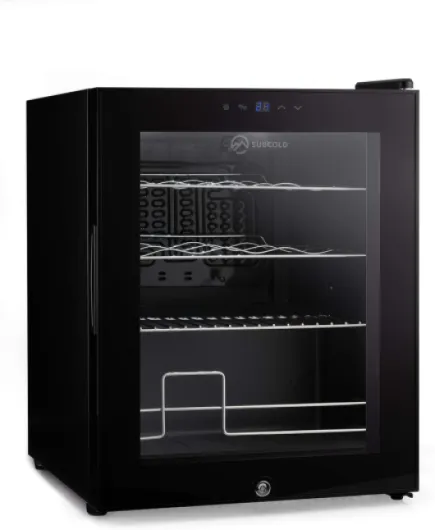
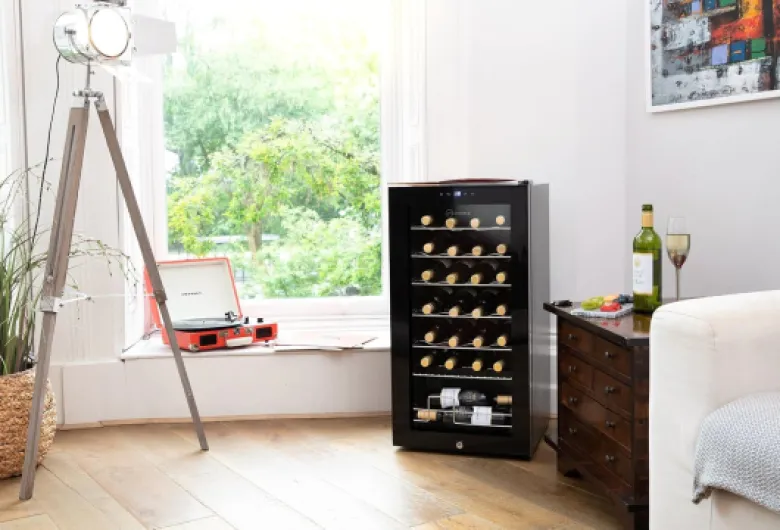
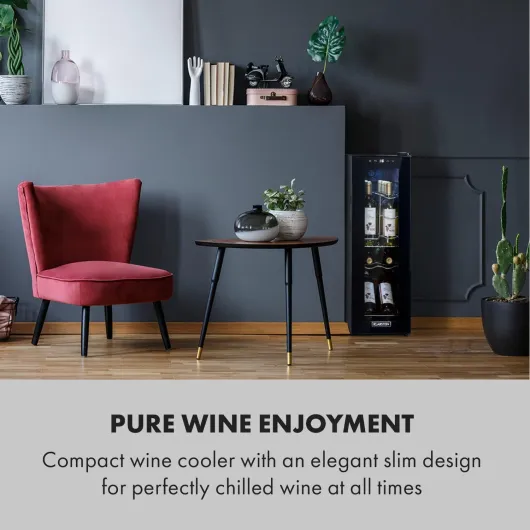
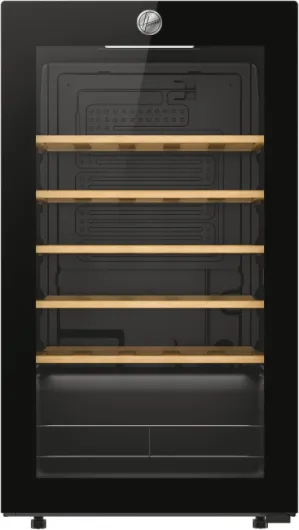
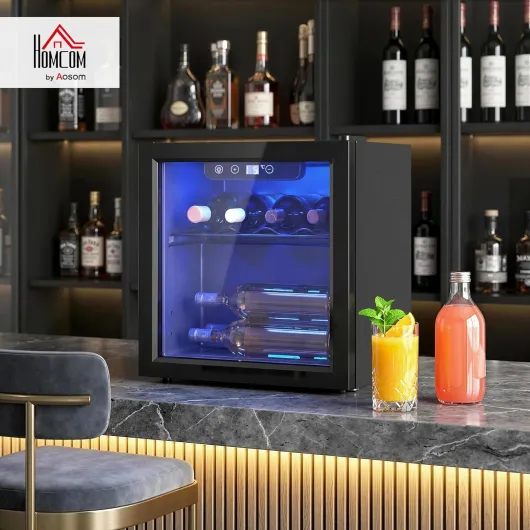
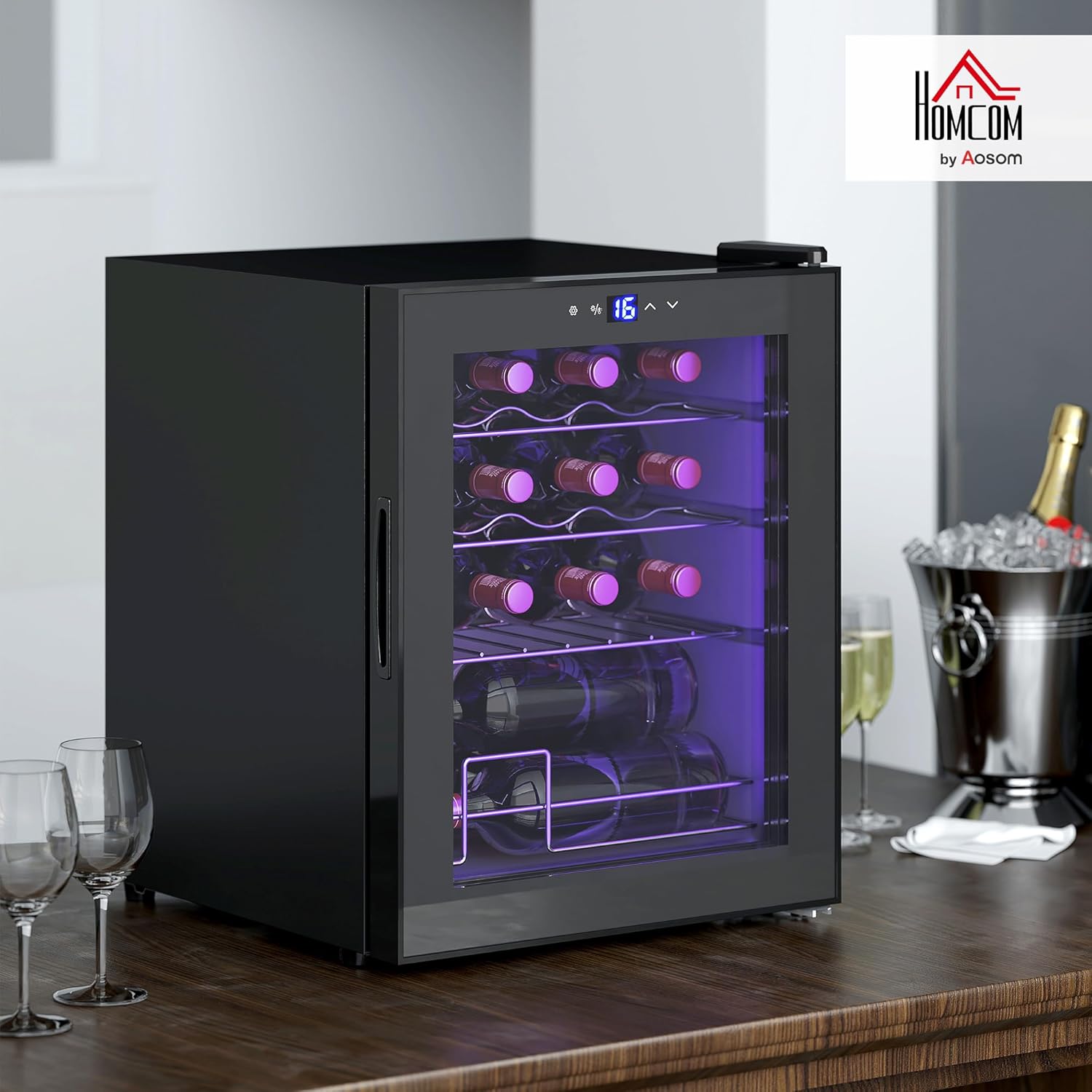
The visual design of a single zone wine cooler influences how proudly you display it in your living space. Stainless steel doors, tinted glass and subtle LED lighting can turn a simple refrigerator into a focal point that showcases your favourite bottles. Many of the best single zone wine coolers now offer reversible doors and flush handles, which help them blend with existing fridges and cabinetry.
Placement affects both performance and enjoyment. Avoid positioning a wine fridge next to ovens, radiators or large windows, because external heat forces the cooler to work harder and can destabilise the internal temperature zone. If you are planning a dedicated wine storage corner or a small wine cellar area, resources such as the guide on choosing the right wine locker can help you think through security, vibration and ambient conditions.
Remember that a wine refrigerator is not just another beverage appliance. It protects the time, money and emotion invested in every bottle wine you buy, from everyday wines to the special bottles you reserve for celebrations. When you select among the best single zone wine coolers, treat the decision as part of building a personal wine cellar strategy rather than simply adding another fridge to your kitchen.
Key statistics on single zone wine coolers
- Market research from Grand View Research reports that the global wine cooler refrigerator market exceeded 2 billion USD in value, with single zone models representing a significant share due to their lower average price and simpler installation compared with dual zone units.
- Energy Star data indicates that modern compressor based wine fridges can use up to 40 % less electricity than older refrigerator designs, which reduces long term running costs for owners who operate their coolers continuously.
- Consumer surveys from major appliance retailers show that capacity between 30 and 60 bottles is the most purchased range for home wine storage, reflecting the typical size of a serious but not professional collection.
- Installation guidelines from leading manufacturers recommend at least 5 cm of clearance around freestanding coolers for proper ventilation, while built in models rely on front venting to maintain safe operating temperatures in tight cabinetry.
FAQ about single zone wine coolers
What temperature should I set a single zone wine cooler to ?
For mixed collections, a single zone wine fridge works well at around 11 to 12 °C, which is a classic cellaring temperature that suits both red and white wines. If you mainly drink red wine, you can raise the setting slightly to 13 or 14 °C to soften tannins without overheating the bottles. Sparkling wines and light whites can be briefly chilled in a regular refrigerator before serving if you prefer them colder.
Can a single zone wine refrigerator store both red and white wines long term ?
Yes, a single zone wine refrigerator can safely store both red and white wines as long as you choose a moderate temperature around 11 to 12 °C. This range preserves acidity and fruit while allowing reds to age gracefully, even if they are served slightly cooler than traditional room temperature. For long term wine storage, stability matters more than having separate zones, so a well engineered single zone cooler is often sufficient.
What is the difference between freestanding and built in wine coolers ?
Freestanding wine coolers are designed to stand alone with ventilation from the back or sides, so they need space around the cabinet for airflow. Built in or built under wine fridges use front ventilation, allowing them to slide into cabinetry or under counters without overheating. Choosing between them depends on your kitchen layout, whether you plan to move the cooler and how integrated you want your wine storage to look.
How many bottles can I realistically fit in a 50 bottle capacity cooler ?
A 50 bottle capacity rating usually assumes only standard Bordeaux shaped bottles, so real world storage is often closer to 35 to 45 bottles once you add Champagne, Burgundy or unusual formats. If your collection includes many wide bottles, look for adjustable shelves or slightly larger capacity models to avoid stacking bottles on top of each other. Planning for some spare space also improves airflow and makes it easier to organise your wines.
Is a dual zone wine fridge worth the extra cost ?
A dual zone wine fridge is valuable if you regularly serve both chilled whites and room temperature reds straight from the cooler, because each zone can be set to a different temperature. However, for many people a single zone wine cooler at a moderate setting, combined with a short chill in a regular refrigerator before serving whites, offers a better balance of simplicity and price. The decision depends on your drinking habits, not just the size of your collection.