
Understanding the purpose of a wine locker
Why Invest in a Dedicated Wine Locker?
Wine lockers are more than just storage lockers—they are purpose-built solutions designed to protect and showcase your wine collection. Whether you are a casual enthusiast or a serious collector, understanding the unique role of a wine locker is key to making the right choice for your needs.
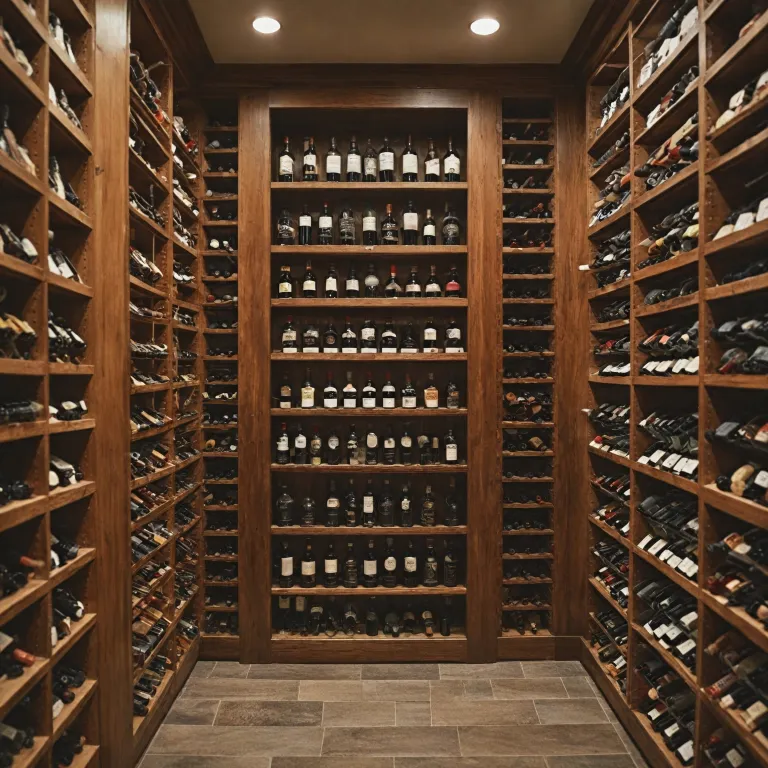
Unlike general storage options, wine lockers are engineered to maintain optimal conditions for wine bottle preservation. They help regulate temperature, humidity, and light exposure, which are all critical factors for aging wine gracefully. This is especially important if you are storing premium redwood, mahogany, or even pine racks, as these materials contribute to the overall stability and design of your wine cellar.
Wine lockers come in a variety of designs, from freestanding wine racks to built-in case crate bins. Some feature fixed shelves for easy organization, while others offer flexible options like kit freestanding racks or metal wine racks for a modern look. The choice of materials—such as alder, redwood, or metal—can also impact both the aesthetics and the durability of your locker.
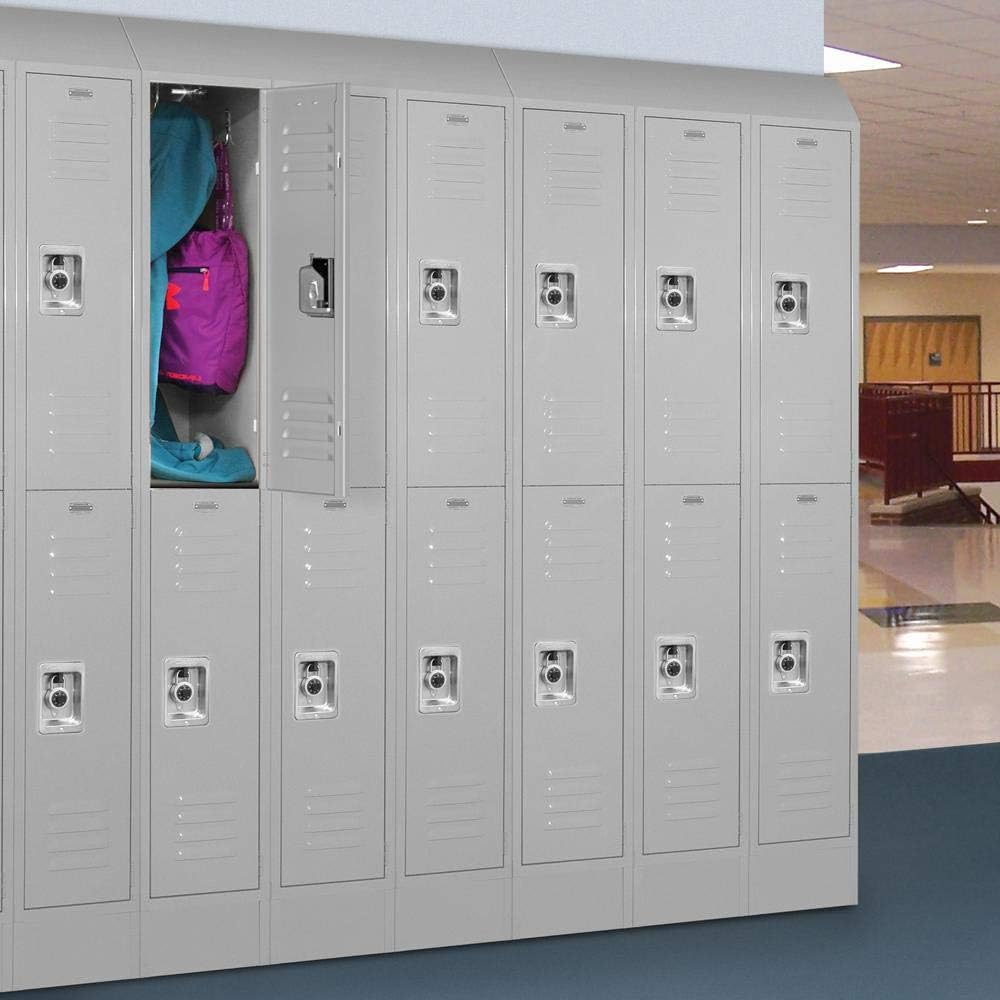
For collectors who value both security and accessibility, wine lockers often include secure backs and locking mechanisms to keep your collection safe. Whether you are storing a few bottles or an extensive assortment, the right locker ensures your wine is both secure and easy to view, thanks to thoughtful design features like glass doors or open racks.
When selecting a wine locker, consider how it will fit into your overall wine storage strategy. Are you looking for a product that complements your existing wine cellar, or do you need a freestanding solution for a smaller space? Think about the price range, the types of bottles you collect, and whether you need options for magnum or standard bottles. For more insights on choosing the best storage for larger bottles, explore this guide on why magnum bottles are a smart choice for collectors and enthusiasts.
Understanding the purpose of a wine locker is the first step in building a collection that is both secure and beautifully displayed. As you move forward, you’ll want to explore the key features that set different lockers apart and how to organize your bottles for both convenience and longevity.

Key features to look for in a wine locker
Essential Elements for Effective Wine Storage
When selecting a wine locker, it’s important to focus on features that protect your collection and enhance your storage experience. The right product will keep your bottles secure, organized, and in optimal condition, whether you’re storing a few prized vintages or building a larger wine cellar.
- Material and Build Quality: Look for lockers made from durable materials like premium redwood, pine, alder, or mahogany. Metal wine racks and secure backs offer extra stability and longevity. The choice of material can also impact the locker’s appearance and how well it fits with your existing décor.
- Design and Configuration: Consider the design options available, such as freestanding wine lockers, kit freestanding models, or built-in units. Some products feature fixed shelves, while others offer adjustable racks or crate bins for flexible bottle storage. VintageView racks and case crate bins can help maximize space and provide a clear view of your collection.
- Capacity and Organization: Assess how many bottles you plan to store and choose a locker with enough bins or racks to accommodate your needs. Storage lockers with modular components allow you to expand as your collection grows. Efficient organization helps you quickly locate bottles and maintain order.
- Security Features: A secure wine locker is essential for protecting your investment. Look for lockers with lockable doors, sturdy construction, and secure backs to keep your bottles safe. Some models offer advanced locking mechanisms for added peace of mind.
- Price Range and Value: Wine lockers come in a wide range of prices, from budget-friendly options to premium redwood or custom-built wine cellar solutions. Compare features and materials to find the best value for your budget and collection size.
Choosing the right wine locker involves balancing design, security, and storage needs. For a deeper dive into selecting the best storage solution for your collection, explore this guide to wine lockers for more expert insights.
Comparing wine lockers and wine coolers
Understanding the Differences Between Wine Lockers and Wine Coolers
When considering the best storage solution for your wine collection, it’s important to distinguish between wine lockers and wine coolers. Both serve the purpose of keeping your bottles safe and at the right temperature, but they differ in design, storage options, and overall functionality.
- Wine lockers are typically secure, ventilated cabinets or bins found in wine cellars, clubs, or private storage facilities. They are designed for long-term storage and often feature sturdy materials like redwood, pine, alder, or mahogany. Lockers can be customized with metal wine racks, crate bins, or fixed shelves to fit your collection’s needs.
- Wine coolers, on the other hand, are freestanding appliances that provide controlled temperature and humidity for short- to medium-term storage. They are ideal for home use and come in a variety of sizes, from compact units to large, freestanding wine cellar models.
Wine lockers offer more flexibility in terms of bottle storage and security. You can select options such as secure backs, premium redwood racks, or even kit freestanding racks to organize your bottles efficiently. Some lockers allow for case crate storage, making them suitable for both individual bottles and bulk purchases. The design can be tailored to your aesthetic preferences, whether you prefer the classic look of mahogany or the modern appeal of metal wine racks.
Wine coolers, while convenient, may not provide the same level of security or customization. However, they excel in accessibility and are perfect for those who want to keep a selection of bottles ready to serve. The price range for wine coolers varies widely depending on capacity, features, and brand, while wine lockers are often considered a premium product due to their materials and secure design.
| Feature | Wine Locker | Wine Cooler |
|---|---|---|
| Storage Type | Customizable racks, bins, crate bins | Fixed shelves, bottle racks |
| Material | Redwood, pine, alder, mahogany, metal | Metal, glass, plastic |
| Security | Lockable, secure backs | Basic door lock (if any) |
| Location | Wine cellar, club, storage facility | Home, bar, restaurant |
| Price Range | Premium | Wide range |
For those interested in exploring more about how back bar coolers can fit into your wine storage strategy, check out this guide on choosing the right back bar coolers for your wine collection.
How to organize your wine locker efficiently
Smart Strategies for Arranging Your Wine Locker
Efficient wine storage is more than just stacking bottles. A well-organized wine locker helps you protect your collection, maximize space, and access your favorite bottles with ease. Here are practical ways to arrange your wine locker for both short-term enjoyment and long-term aging.
- Sort by Type and Frequency: Place wines you reach for often—like everyday reds or whites—at the front or on easily accessible racks. Reserve deeper bins or higher shelves for bottles you’re aging or saving for special occasions.
- Use the Right Racks and Bins: Choose racks that fit your bottle shapes, whether standard, magnum, or split. Metal wine racks and premium redwood racks offer different aesthetics and support. Case crate bins are ideal for bulk storage or mixed cases, while fixed shelves help keep everything stable.
- Label and Track: Consider labeling shelves or bins by varietal, region, or vintage. Some wine lockers come with built-in labeling options, or you can use removable tags. Digital inventory apps can also help you keep track of what’s in your locker and where.
- Optimize for Airflow and Security: Avoid overfilling your locker. Leave space between bottles and racks to promote airflow and prevent temperature fluctuations. Secure backs and sturdy locker doors help keep your collection safe and stable.
- Choose Materials Wisely: The material of your wine racks—such as redwood, pine, alder, or mahogany—affects both the look and durability of your storage. Redwood and mahogany are popular for their resistance to moisture and warping, making them ideal for wine cellar environments.
- Consider Modular and Freestanding Options: If your collection grows, modular racks or kit freestanding wine racks let you expand storage without a full redesign. Freestanding wine lockers are also great for flexibility and relocation.
| Storage Option | Best For | Material Choices |
|---|---|---|
| VintageView Metal Racks | Modern design, label-forward view | Metal |
| Premium Redwood Racks | Traditional cellars, durability | Redwood, mahogany |
| Crate Bins | Bulk bottle storage, case storage | Pine, alder |
| Freestanding Wine Lockers | Flexible placement, small spaces | Metal, wood |
By selecting the right combination of racks, bins, and locker features, you’ll keep your wine collection organized, secure, and ready to enjoy. Always consider your current needs and future growth when choosing storage lockers and wine racks for your cellar.
Security and access considerations
Keeping Your Wine Collection Safe and Accessible
Security is a major factor when selecting wine lockers for your collection. Whether you are storing bottles in a home wine cellar, a commercial storage facility, or using freestanding wine lockers, protecting your investment is essential. Here are some practical points to consider for ensuring your wine storage remains secure and easy to access:
- Locking Mechanisms: Look for lockers with robust locks or secure backs. Many premium redwood, pine, alder, or mahogany lockers come with built-in locks, while metal wine storage lockers often offer additional security features. Some products allow you to select options for upgraded locking systems.
- Access Control: Decide who will have access to your wine. For shared storage lockers, such as those in wine clubs or commercial cellars, consider lockers with individual keys or digital access codes. This helps keep your bottle storage private and secure.
- Visibility and Organization: Some wine lockers feature glass doors or open racks, like those from VintageView, allowing you to view your collection without opening the locker. This design can deter tampering and makes it easier to monitor your inventory. However, if privacy is a priority, solid doors or case crate bins may be preferable.
- Construction Quality: The durability of your wine locker impacts security. Products made from premium redwood, metal, or reinforced materials are less likely to be compromised. Fixed shelves and sturdy wine racks also help keep bottles safe from accidental falls or unauthorized handling.
- Location and Installation: Where you place your wine locker matters. Freestanding wine lockers should be positioned in low-traffic areas or within a dedicated wine storage room. Wall-mounted or kit freestanding lockers can be anchored for added stability and security.
When comparing price range and design options, remember that investing in secure storage lockers protects not only the value of your wine but also your peace of mind. Whether you choose a classic wood wine rack, a metal wine locker, or a custom cellar solution, prioritize security features that match your needs and the scale of your collection.
Maintenance tips for long-lasting wine lockers
Keeping Your Wine Locker in Top Shape
Regular maintenance is essential for preserving both your wine collection and the longevity of your storage lockers. Whether you have a freestanding wine locker, a built-in cellar, or modular storage lockers, a few simple habits can make a big difference.- Cleanliness matters: Dust and debris can accumulate on wine racks, bins, and case crates. Wipe down metal wine racks, redwood, pine, alder, or mahogany shelves with a soft, dry cloth. Avoid harsh chemicals that could affect the locker’s finish or the wine’s environment.
- Monitor temperature and humidity: Consistent climate is key for wine storage. Use a reliable thermometer and hygrometer to check conditions inside your wine locker or cellar. Adjust your cooling system as needed to keep your bottles in optimal shape.
- Inspect for wear and tear: Over time, check for loose screws, damaged racks, or worn-out seals on doors. Secure backs and fixed shelves should be sturdy to prevent accidents and keep your storage secure.
- Organize and rotate: Periodically review your collection. Rotate bottles to ensure even aging, and use crate bins or kit freestanding racks to keep your wine organized. This also helps you spot any issues early.
- Check security features: Make sure locks and access controls are working properly. A secure locker protects your investment, especially if you store premium redwood racks or valuable bottles.
| Material | Cleaning Method | Maintenance Tip |
|---|---|---|
| Redwood / Pine / Alder / Mahogany | Soft dry cloth | Check for moisture or warping |
| Metal Wine Racks | Damp cloth, dry immediately | Inspect for rust or corrosion |
| Glass Doors | Glass cleaner (non-ammonia) | Check seals for air leaks |