
Understanding wine bottle shapes and sizes
Recognizing Classic Wine Bottle Shapes
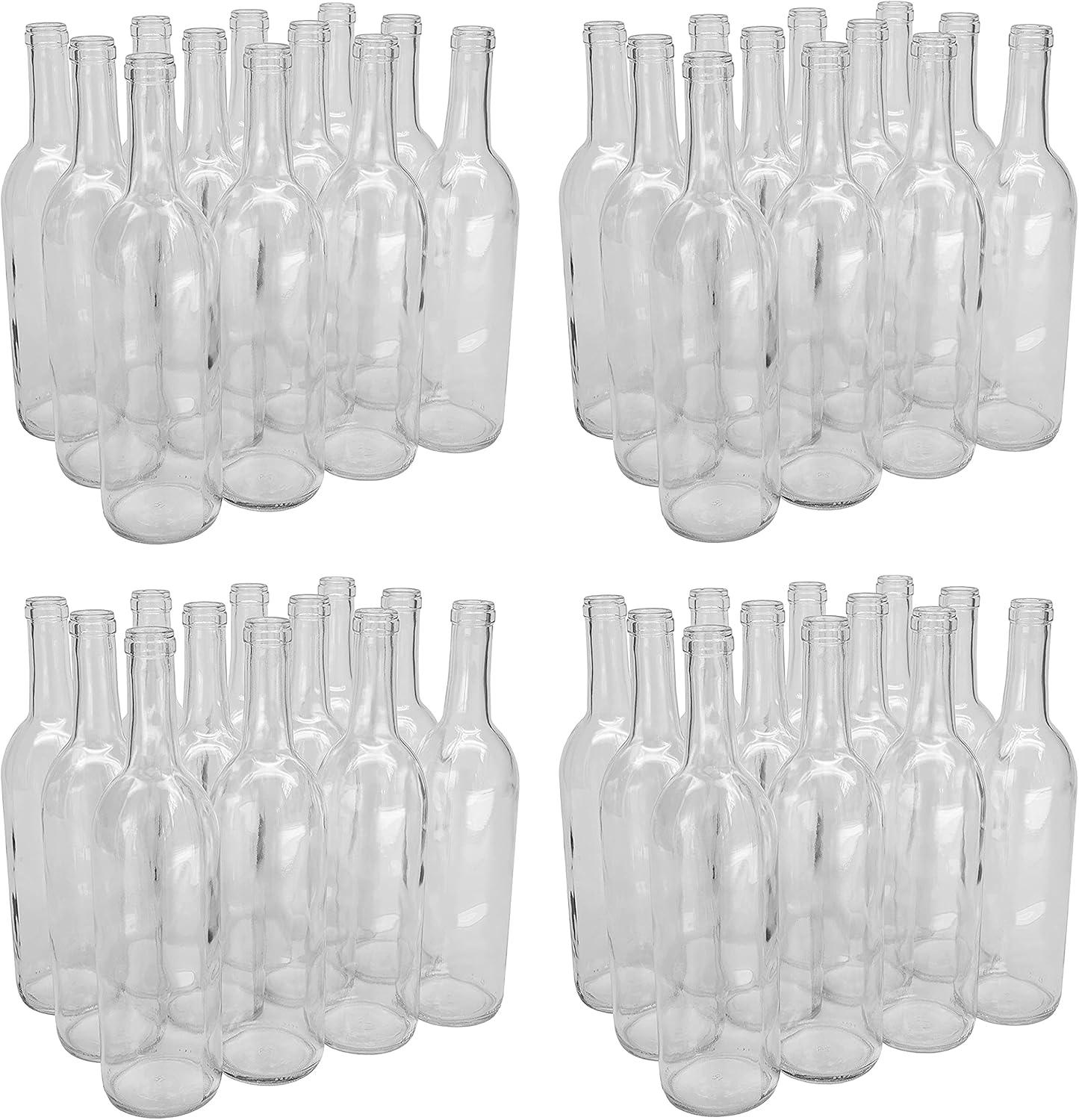
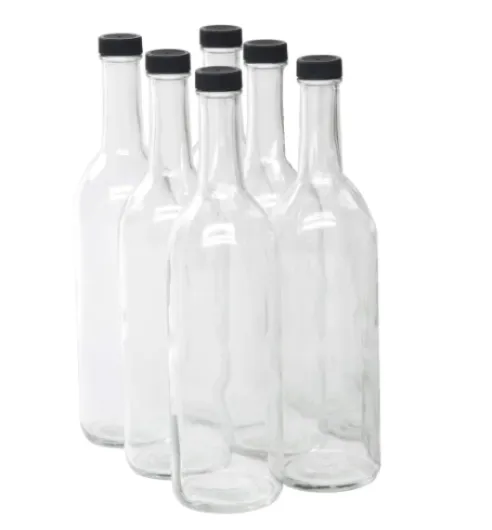
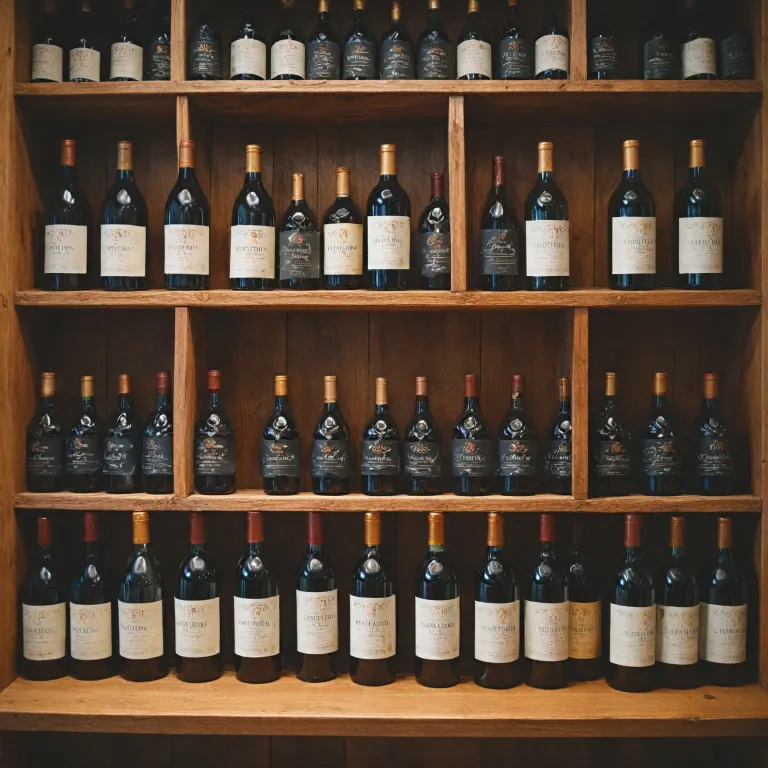
When building a wine collection, understanding the variety of wine bottle shapes and sizes is essential. The shape of a bottle is not just about aesthetics; it often hints at the wine’s origin, grape variety, and even the tradition behind it. For example, the classic Bordeaux bottle, with its straight sides and high shoulders, is commonly used for cabernet sauvignon and other Bordeaux wines. This design helps catch sediment when pouring, especially for wines meant to age.
Another popular style is the Burgundy bottle, which features gently sloping shoulders and a wider base. This is typically used for pinot noir and chardonnay. The hock wine bottle, tall and slender, is often associated with German Rieslings. For sparkling wines, the champagne bottle stands out with its thick glass and deep punt, designed to withstand the pressure of carbonation.
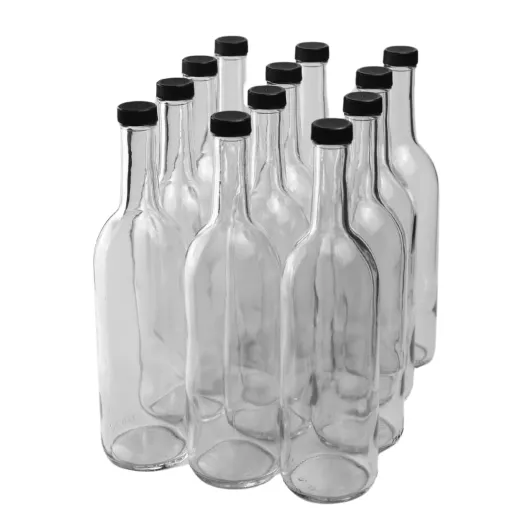
- Bordeaux bottle: Straight sides, high shoulders, often in antique green or clear glass bordeaux
- Burgundy bottle: Sloped shoulders, wider base, often in green glass or flint
- Hock wine bottle: Tall, slender, usually in flint or cobalt blue glass
- Champagne bottle: Thick glass, deep punt, champagne green or antique green
Size Matters: From Splits to Magnums
Wine bottles come in a range of sizes, each with its own purpose. The standard size is 750 ml, but collectors often encounter splits (187 ml), half bottles (375 ml), magnums (1.5 L), and even larger formats. Larger bottles, like magnums, are favored for aging as they slow the wine’s development, helping preserve the original character. When considering price and stock, larger bottles can be more expensive and harder to find, but they make a statement in any collection.
Bottoms, Punts, and Finishes
The bottom of a wine bottle can be flat or feature a punt (the indentation at the base). A deep punt is common in champagne and Bordeaux bottles, adding strength and stability. Flat bottomed bottles are often used for everyday wines or hock wine. The cork finish or screw cap also plays a role in preservation and will be discussed further. For those interested in maximizing storage, understanding bottle shapes and sizes is key to efficient organization and supply management.
For a deeper dive into how bottle size impacts storage and supply, check out this guide to wine box capacity.

How bottle color impacts wine preservation
Why Bottle Color Matters for Wine Longevity
The color of a wine bottle is more than just a stylistic choice. It plays a key role in preserving the quality of your wine, whether you are storing a case of Bordeaux, a single bottle of cabernet sauvignon, or a collection of champagne. Glass color can impact how much light reaches the wine, which in turn affects aging, taste, and overall value.
- Green glass: This is the classic choice for Bordeaux wine bottles and champagne. Green, especially antique green or champagne green, helps filter out ultraviolet (UV) light, which can degrade wine and spoil its flavor. Many mountain supply companies and north mountain producers prefer green cork finishes for their stock, as it helps save the original taste and finish of the wine.
- Clear glass (flint): Often used for hock wine and some white wines, clear glass bottles showcase the wine’s color but offer little protection from light. If you choose flint or clear glass, it’s best to store these bottles in a dark place or a wine cooler to maintain quality.
- Cobalt blue: Less common but visually striking, cobalt blue bottles are sometimes used for specialty items. While they offer some UV protection, they are mostly chosen for their unique appearance rather than preservation benefits.
The shape and bottom of the bottle also play a part. For example, bottles with a punt (the indentation at the base) are often associated with higher quality and can help with sediment collection, especially in bottles meant for aging. Flat bottomed or bottle flat designs are more common in everyday wines or those with a screw cap or bottomed cork finish.
When considering the price and supply of wine bottles, green glass bordeaux bottles tend to be the standard for aging, while clear glass is more affordable and often used for immediate consumption. If you are building a collection, think about how the color and finish of your bottles will impact both the preservation and presentation of your wine. For more on optimizing your storage environment, check out this guide on choosing the right wine storage system.
Selecting bottles for aging versus immediate consumption
Factors to Consider When Choosing Bottles for Aging or Immediate Enjoyment
When building your wine collection, it’s important to match the bottle type to your drinking plans. Some bottles are designed for long-term aging, while others are better suited for wines you plan to enjoy soon. The choice impacts not only the preservation of your wine but also its flavor development and overall experience.
- Bottle Shape and Size: Bordeaux bottles, with their straight sides and pronounced shoulders, are classic for aging red wines like cabernet sauvignon. Their design helps trap sediment, which is ideal for wines that mature over time. Champagne bottles, with thicker glass and a deep punt, are engineered to withstand pressure and preserve sparkling wines for years. Flat bottomed bottles, such as those used for hock wine, are more common for whites and are often consumed young.
- Glass Color: Antique green and champagne green bottles offer better protection from light, which is crucial for aging. Clear glass or flint bottles are attractive but let in more light, making them better for wines intended for quick consumption. Green glass bordeaux bottles are a standard for red wines, helping to save the wine from UV damage during storage.
- Closure Type: Cork finish bottles are traditional for aging, as natural cork allows micro-oxygenation, which can enhance complexity over time. Screw caps and synthetic corks are often used for wines meant to be enjoyed soon, as they provide a tight seal and maintain freshness.
- Price and Stock: Original cases of bordeaux wine or champagne often come with bottles designed for aging. When buying by the case, check the supply and stock to ensure you’re getting bottles suitable for your collection goals. Mountain supply and north mountain producers may offer unique bottle shapes or glass colors, which can add variety to your cellar.
For collectors interested in expanding their knowledge about unique bottle options, exploring XXL Moscato bottles can offer insights into large-format aging and presentation.
Remember, the right bottle—whether it’s a glass bordeaux, cobalt blue, or a champagne green cork finish—can make a difference in how your wine matures and the enjoyment you get from each item in your collection.
Storing wine bottles in your cooler
Arranging Your Bottles for Optimal Storage
When it comes to storing wine bottles in your cooler, the way you arrange and position each bottle can make a significant difference in preservation and accessibility. Whether you have Bordeaux wine, cabernet sauvignon, or champagne, understanding the characteristics of each bottle type will help you maximize your storage space and maintain the quality of your collection.
- Horizontal storage: Most wine bottles, especially those with a cork finish, should be stored on their sides. This keeps the cork moist, preventing it from drying out and allowing air to enter the bottle. This is especially important for bottles with natural corks, such as Bordeaux or hock wine bottles.
- Grouping by bottle shape and size: Organize your bottles by shape—Bordeaux, champagne, or flat bottomed bottles. This not only helps you save space but also makes it easier to locate a specific bottle when you need it. For example, champagne green bottles are often larger and require more space than standard glass Bordeaux bottles.
- Consider bottle color: Green glass, antique green, and cobalt blue bottles offer better protection from light, which is crucial for long-term storage. Clear glass or flint bottles are best kept in the darker sections of your cooler to avoid light exposure.
- Use original cases or racks: If you have a case or mountain supply of wine, storing bottles in their original case can help protect them from vibration and temperature fluctuations. Racks designed for specific bottle types, such as Bordeaux or champagne, can also help you organize your stock efficiently.
- Mind the punt and bottle bottom: Bottles with a deep punt (the indentation at the base) are often more stable when stacked. Flat bottomed bottles or those with a bottle flat design should be placed on sturdy shelves to prevent rolling.
Managing Your Wine Cooler Inventory
Keeping track of your wine bottles, whether you have a small supply or a north mountain of stock, is essential for both enjoyment and investment. Label each item clearly, noting the wine type, vintage, and cork or screw cap finish. This makes it easier to rotate your bottles, ensuring you enjoy wines at their peak and avoid spoilage.
For collectors focused on price and value, regularly review your inventory to identify bottles that are ready to drink versus those that should continue aging. This approach helps you make the most of your collection and avoid missing the optimal drinking window for your favorite bottles.
Cork versus screw cap: what’s best for your wine bottle?
Understanding the closure: corks and screw caps in wine bottles
When choosing a wine bottle for your collection, the type of closure—cork or screw cap—plays a significant role in the preservation and aging of your wine. Both options have their own advantages and can impact the wine’s finish, longevity, and even the price of the bottle.
- Cork closures: Traditional corks, often made from natural cork oak, are widely used for Bordeaux wine, cabernet sauvignon, and champagne bottles. Corks allow a small amount of oxygen to interact with the wine, which can help develop complex flavors over time. This is especially important for bottles you plan to age in your wine cooler or mountain supply case. Cork finish bottles, like antique green glass Bordeaux or champagne green, are classic choices for collectors.
- Screw caps: Increasingly popular, especially for wines meant for immediate consumption, screw caps provide a tight seal that prevents oxidation. This closure is common for hock wine, clear glass, and flint bottles, and is often seen in regions where wine is consumed young. Screw caps are practical for flat bottomed bottles and are ideal for maintaining freshness in stock or supply items.
The choice between cork and screw cap can also affect the storage of your bottles. For example, bottles with corks should be stored on their side in your wine cooler to keep the cork moist, while screw cap bottles can be stored upright. If you’re collecting original or limited-edition bottles, consider the closure as part of the bottle’s authenticity and value.
For those who prefer a traditional experience, corks—especially in green glass Bordeaux or champagne bottles—offer a sense of ceremony when opening a bottle. However, screw caps are increasingly recognized for their reliability and ability to save wine from spoilage, especially in regions with variable mountain supply or north mountain climates.
| Closure Type | Best For | Common Bottle Styles | Impact on Aging |
|---|---|---|---|
| Cork | Aging, premium wines | Bordeaux, champagne, antique green, glass Bordeaux | Allows slow oxygen exchange, enhances complexity |
| Screw Cap | Immediate consumption, freshness | Hock wine, flint, clear glass, cobalt blue | Prevents oxidation, maintains original flavors |
Whether you’re stocking up on a case of cabernet sauvignon or selecting a single bottle for a special occasion, understanding the closure type helps you make informed decisions about your wine collection. Remember to consider how the closure interacts with other bottle features, such as the punt, bottle flat, or bottomed cork, to ensure the best preservation and enjoyment of your wine.
Tips for labeling and organizing your wine bottles
Practical Steps for Organizing and Labeling Your Collection
Keeping your wine bottles organized is essential, especially as your collection grows. Whether you’re storing Bordeaux, cabernet sauvignon, or champagne, a clear system helps you track your stock, save time, and avoid opening the wrong bottle. Here are some practical tips to help you manage your bottles, cases, and supply:- Label Each Bottle Clearly: Use waterproof labels or tags to note the wine name, vintage, bottle shape (like glass Bordeaux or hock wine), and cork finish. This is especially helpful if you have a mix of green glass, clear glass, or even cobalt blue bottles.
- Group by Type and Color: Arrange bottles by wine type (red, white, sparkling) and bottle color—such as antique green, flint, or champagne green. This makes it easier to find a specific bottle or case, and helps you monitor your mountain supply or north mountain items.
- Track Aging and Consumption: Mark bottles intended for aging versus those for immediate consumption. For example, Bordeaux wine in punt-bottomed bottles may age differently than flat-bottomed or bottle flat designs. Use a simple code or sticker to indicate which bottles should be enjoyed soon and which to save.
- Organize by Closure: Separate bottles with corks from those with screw caps. This helps you quickly identify which bottles may need a corkscrew or special storage for cork finish preservation.
- Inventory Management: Maintain a digital or physical log of your collection, including price, purchase date, and original supply details. This is especially useful for tracking rare items or finish cases, and for monitoring when to restock or rotate bottles.
- Use Dividers and Racks: Invest in racks or dividers that accommodate different bottle shapes, from standard Bordeaux to champagne or hock wine bottles. This prevents glass bottles from rolling or bumping, reducing the risk of breakage.