
Understanding the legal landscape for shipping wine
Legal complexities of shipping wine across state lines
Shipping wine in the United States is more complicated than many consumers expect. Each state has its own set of laws and regulations regarding the shipment of alcoholic beverages, including wine. Some states allow direct-to-consumer shipments from wineries, while others restrict or prohibit these shipments entirely. Retailer direct shipping is also regulated differently, and not all states permit retailers to ship wine directly to consumers. Understanding these differences is crucial before you attempt to ship wine, whether you are a winery, retailer, or individual consumer.
Key factors influencing wine shipment legality
- State laws: Not all states allow wine shipments. Some require the shipper to be licensed, while others ban shipments wine altogether. Always check the alcohol shipping laws for both the origin and destination states.
- Type of shipper: Wineries and retailers face different regulations. Winery direct shipments may be permitted in more states than retailer direct shipments. Wine shippers must comply with both state and federal laws.
- Volume limits: Many states set limits on the number of bottles wine that can be shipped to a consumer within a certain period. Exceeding these limits can result in penalties.
- Age verification: Alcoholic beverages, including wine, can only be shipped to adults of legal drinking age. Most states require age verification at the time of delivery.
Why compliance matters for wine shipments
Non-compliance with shipping laws can lead to confiscated shipments, fines, or even loss of shipping privileges for wineries and retailers. For consumers, understanding the legal landscape helps avoid disappointment and ensures that wine shipments arrive safely and legally. If you are interested in the broader context of wine shipping regulations and their impact on the industry, you might find this unique milestone in winemaking article insightful.
Preparing for the next steps in shipping wine
Once you have confirmed that your shipment is legal, the next considerations include choosing the right packaging to protect your wine during transport, selecting reliable wine shippers, and managing temperature and climate concerns. Each of these steps is essential to ensure your wine arrives in perfect condition, whether you are shipping for personal use or as a gift.

Choosing the right packaging for wine shipments
Protecting Your Wine During Transit
When shipping wine, choosing the right packaging is crucial to ensure bottles arrive safely and comply with alcohol shipping laws. Whether you are a winery, retailer, or a consumer sending wine as a gift, the packaging you select can make the difference between a successful shipment and a costly loss.
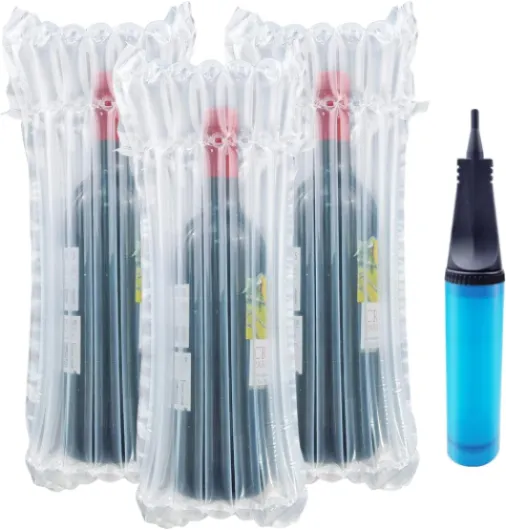
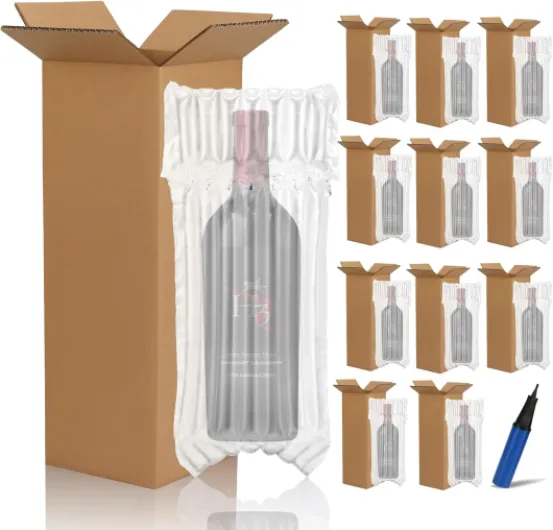
- Use sturdy, purpose-built wine shippers: Specialized wine shipping boxes are designed to cushion bottles and prevent breakage. These boxes often include molded inserts or foam dividers that keep bottles secure during transport.
- Consider temperature control: Wine is sensitive to temperature fluctuations. Insulated shippers or cold packs can help maintain a stable environment, especially if your shipment will travel through states with extreme weather or during warmer months.
- Seal bottles properly: Ensure that each bottle is tightly sealed and upright. Leaks can lead to shipment rejection by carriers and may violate alcohol state regulations.
- Label shipments clearly: Mark packages as containing alcoholic beverages if required by the carrier or state laws. This helps shippers handle the package appropriately and ensures compliance with wine shipping regulations.
- Choose the right box size: Avoid empty space in the box. Bottles should fit snugly to prevent movement, which can lead to breakage during direct consumer shipping or retailer direct shipments.
For those interested in exploring packaging options for unique bottles or larger shipments, you can find more details and tips in this guide to XXL Cali Extreme Moscato packaging. This resource is especially helpful for wineries and consumers shipping larger formats or specialty wines.
Remember, the right packaging not only protects your wine but also helps you comply with the varying shipping laws across states. Whether you are shipping wine within your state or across state lines, investing in quality packaging is a key step in a safe and legal wine shipment.
Selecting reliable shipping carriers for wine
Evaluating Shipping Partners for Wine Shipments
When it comes to shipping wine, choosing a reliable carrier is crucial for ensuring your bottles arrive safely and in compliance with alcohol shipping laws. Not all shippers handle alcoholic beverages, and each state has its own regulations regarding direct consumer shipments. Before selecting a shipping partner, confirm that they are licensed to transport wine and understand the specific requirements for both the origin and destination states.
- Licensed Wine Shippers: Major carriers like FedEx and UPS are among the few that offer wine shipping services, but only for approved wineries and retailers. They require shippers to have the appropriate alcohol shipping permits and to follow strict packaging and labeling guidelines.
- State-by-State Compliance: Some states allow direct shipments from wineries, while others restrict or prohibit alcohol shipments altogether. Always verify that your chosen carrier can legally deliver wine to the recipient’s state.
- Retailer Direct vs. Winery Direct: Shipments wine from a retailer may face different rules than those sent winery direct. Retailers and wineries must both comply with consumer shipping laws, and carriers will often require documentation proving the legality of the shipment.
- Temperature-Controlled Transport: Reliable wine shippers offer temperature-controlled options to protect bottles wine from heat or cold during transit. This is especially important for long-distance or interstate shipments.
For those looking to store wine before or after shipment, consider reading about choosing the perfect wine cellar cooler for your collection to maintain optimal conditions.
Remember, shipping wine is not the same as shipping beer spirits or other alcoholic beverages. Each type of alcohol may have different shipping laws, so always consult your carrier’s guidelines and the laws of the origin destination states. By working with experienced, licensed wine shippers, you can ensure your wine shipment is handled with care and in full legal compliance.
Managing temperature and climate concerns
Protecting Wine Quality During Transport
Temperature is a critical factor when shipping wine. Both excessive heat and extreme cold can damage bottles, affecting taste and quality. Whether you are a winery shipping direct to consumer, a retailer sending bottles wine to another state, or an individual arranging a wine shipment, managing temperature is essential for safe delivery.
- Heat Risks: High temperatures can cause wine to expand, push out corks, or spoil the flavor. This is especially concerning during summer months or in warmer states.
- Cold Risks: Freezing temperatures can make wine freeze and expand, potentially cracking bottles or pushing out corks. This is a risk in colder climates or during winter shipments.
Best Practices for Temperature Control
- Choose Temperature-Controlled Shipping: Many wine shippers and carriers offer temperature-controlled options. These services help maintain a stable environment for your wine throughout the journey, from origin to destination.
- Time Your Shipments: Avoid shipping wine during extreme weather. Plan shipments early in the week to prevent bottles from sitting in warehouses over the weekend, where temperature control may be inconsistent.
- Use Insulated Packaging: Specialized packaging materials, such as insulated foam shippers or cold packs, can help protect wine from temperature swings. These are especially important for longer shipments or when shipping to states with unpredictable climates.
Regulatory Considerations
Some states have specific alcohol shipping laws regarding temperature-sensitive shipments. For example, certain states allow only licensed wine shippers to use temperature-controlled transport for alcoholic beverages. Always check the shipping laws in both the origin and destination states before arranging a wine shipment.
Working with Carriers and Retailers
When purchasing wine from a winery direct or retailer direct, ask about their shipping practices. Reputable wine shippers and licensed retailers will often provide details about how they manage temperature and climate during transport. This is especially important for direct consumer shipments and for those sending wine as a gift.
- Track Your Shipment: Most carriers offer tracking for wine shipments. Monitoring your shipment helps you anticipate delivery and minimize the time wine spends in uncontrolled environments.
- Consider Seasonal Holds: Some wineries and retailers will hold shipments during extreme weather, shipping only when conditions are safe for alcoholic beverages.
By prioritizing temperature management, you help ensure that your wine arrives in optimal condition, whether you are shipping within your state or across state lines. Always consult with your chosen shipper or retailer about their climate control measures before finalizing your wine shipment.
Navigating customs and international shipping rules
Understanding International Wine Shipping Regulations
Shipping wine across borders introduces a new layer of complexity. Every country has its own set of laws and regulations regarding the import and export of alcoholic beverages. Before you ship wine internationally, it’s essential to research both the origin and destination country’s requirements. Some states and countries allow direct consumer shipments, while others restrict or prohibit alcohol shipping entirely. Always verify if the destination is a wine licensed area and what documentation is required for legal entry.
Required Documentation and Duties
International wine shipments often require specific paperwork. This can include commercial invoices, certificates of origin, and import permits. Customs authorities may also require detailed information about the wine, such as the number of bottles, alcohol content, and value. Duties and taxes will likely apply, and these costs can vary widely depending on the destination. It’s important to factor in these additional fees when planning your shipment.
Choosing Compliant Wine Shippers
Not all shipping carriers are authorized to transport alcoholic beverages internationally. Select wine shippers or carriers with experience in handling wine shipments and navigating customs regulations. Many reputable carriers offer specialized services for shipping wine, ensuring compliance with both shipping laws and temperature management requirements. This is especially important for maintaining wine quality during transport.
Packaging and Temperature Considerations for International Shipments
International shipments often face longer transit times and exposure to varying climates. Proper packaging is crucial to protect bottles wine from breakage and temperature fluctuations. Insulated packaging and temperature-controlled shipping options help preserve wine quality. Some wine shippers offer climate-controlled transport, which is highly recommended for valuable or sensitive wine shipments.
Restrictions by State and Country
Many states and countries have specific restrictions on the import of wine and other alcoholic beverages. For example, some states allow direct shipments from wineries but not from retailers, while others restrict all alcohol shipping. Always check the latest regulations for both the shipping origin and destination. If you’re shipping from a winery direct or retailer direct, ensure they are licensed for consumer shipping to the intended location.
- Confirm that both the shipper and recipient are in states that allow wine shipments.
- Verify that the wine shipment complies with alcohol state and federal laws.
- Be aware of quantity limits, as some regions cap the number of bottles wine per shipment.
By staying informed and working with experienced wine shippers, you can navigate customs and international shipping rules more effectively, ensuring your wine arrives safely and legally at its destination.
Tips for shipping wine as a gift or for personal use
Making Wine Shipments Personal and Memorable
Shipping wine as a gift or for personal use can be a thoughtful gesture, but it comes with unique considerations. Whether you are sending a bottle to a friend, family member, or as a thank-you to a colleague, understanding the rules and best practices is essential for a smooth experience.
- Check destination laws: Not all states allow direct consumer shipments of alcoholic beverages. Always verify if the destination state permits wine shipping and if there are restrictions on the number of bottles wine you can send.
- Use licensed shippers: Only work with wine licensed shippers or carriers that are authorized to transport alcohol. Many major carriers have specific requirements for shipping wine, and some states require the shipper to be a licensed retailer or winery.
- Label shipments clearly: Clearly mark the package as containing alcohol. Most states require adult signatures upon delivery, so the recipient must be present and of legal drinking age.
- Consider temperature control: Wine is sensitive to temperature fluctuations. Choose shipping options that offer temperature-controlled transport, especially during extreme weather, to protect the quality of your wine shipment.
- Personalize your gift: Many wineries and retailers offer gift packaging and personalized notes. If you purchase wine from a winery direct or retailer direct, ask about these options to make your shipment more special.
- Plan for timing: Avoid shipping wine before weekends or holidays when shipments may be delayed. This helps ensure your wine arrives fresh and intact.
For international shipments, be aware that customs regulations vary by origin and destination. Some countries restrict the import of alcoholic beverages, and duties or taxes may apply. Always check with the shipper and the destination country’s alcohol shipping laws before sending wine abroad.
Shipping wine as a gift or for personal use is rewarding when done correctly. By following legal requirements, using proper packaging, and choosing reliable wine shippers, you can ensure your wine shipments arrive safely and are enjoyed as intended.