
Understanding the impact of glass shape on wine taste
The Science Behind Glass Shape and Wine Experience
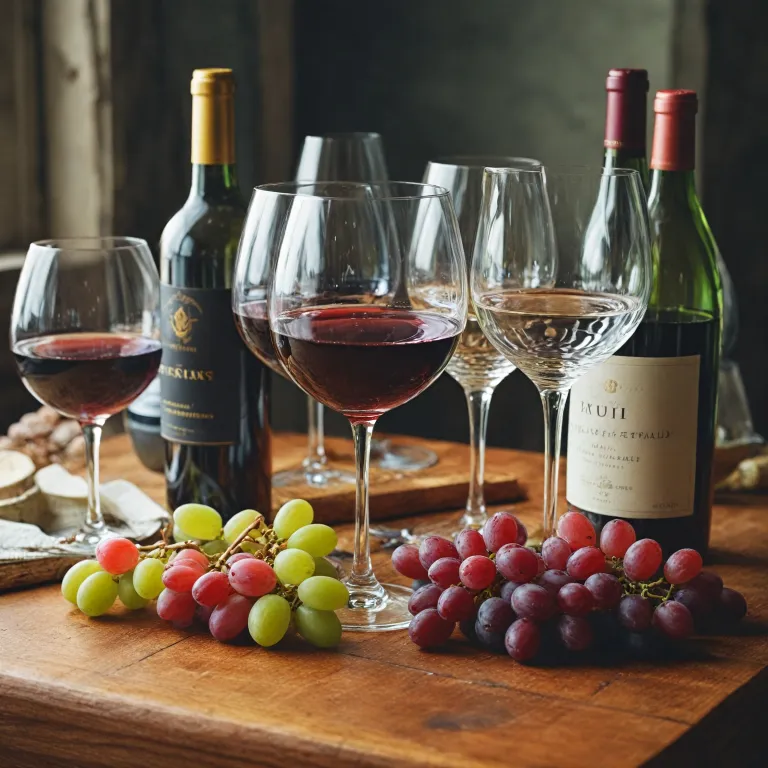
The shape of a wine glass does more than just look elegant on your table. It plays a crucial role in how you experience the aromas and flavors of different wines. Whether you are enjoying a bold cabernet sauvignon or a crisp sauvignon blanc, the glass you choose can highlight or mute the unique characteristics of each wine.
Wine glasses are designed with specific types of wines in mind. The bowl, rim, and stem all contribute to the overall tasting experience. For example, a larger bowl allows red wines to breathe, releasing more complex aromas. In contrast, a smaller bowl is often best for white wines, preserving their delicate notes and keeping them cool.
- Bowl size and shape: Larger bowls are perfect for full bodied red wines like pinot noir, while smaller bowls suit lighter white wines.
- Rim diameter: A wider rim directs the wine to different parts of your palate, enhancing specific flavors.
- Stem length: Holding the glass by the stem prevents your hand from warming the wine, which is especially important for white and sparkling wines.
Leading glassware brands, such as Riedel, have developed collections tailored to different types of wine. These glasses feature designs that maximize the view of the wine’s color and clarity, while also enhancing aromas. When you shop for wine glasses, consider sets that include options for red, white, and champagne wine, so you’re prepared for any occasion.
Building a collection of the best wine glasses doesn’t have to be overwhelming. Understanding how glass shape impacts wine taste is the first step. As you explore glasses designed for red and white wines, and even specialty types, you’ll find that the right glass can elevate every sip. For more on how to store and care for your wine collection, check out this guide on choosing the right cellar cooling system.
Red wine glasses: shapes and recommendations
How the Right Glass Enhances Red Wine
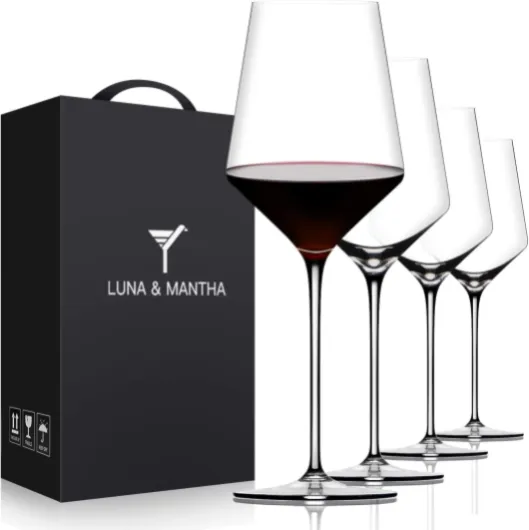
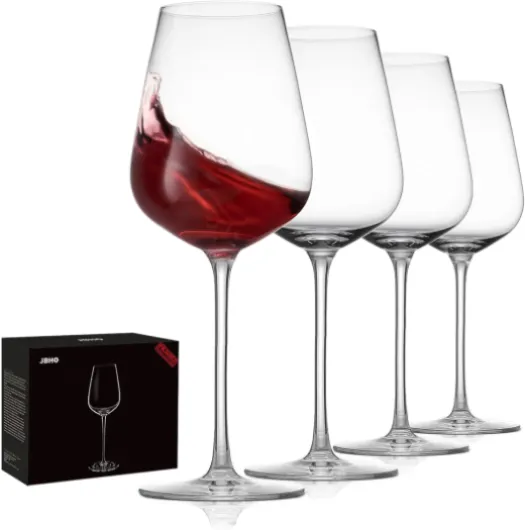
Red wines are known for their complex aromas and flavors, and the glass you choose can make a noticeable difference in your tasting experience. The shape and size of the bowl, the rim, and even the stem all play a role in how you perceive the wine. Glasses designed for red wines typically feature a larger bowl. This allows more oxygen to interact with the wine, which helps to release aromas and soften tannins, especially in full bodied varieties like cabernet sauvignon or pinot noir.
- Larger bowl: Essential for red wine glasses, as it increases the surface area for aeration and enhances the bouquet.
- Tapered rim: Directs the wine to the right part of your palate and concentrates aromas for a better view of the wine’s character.
- Longer stem: Keeps your hand away from the bowl, preventing the wine from warming up too quickly.
When shopping for red wine glasses, consider the types of red wines you enjoy most. For example, a glass perfect for cabernet sauvignon will have a taller, wider bowl to support the wine’s structure, while a glass for pinot noir will be rounder and slightly smaller to highlight delicate aromas. Brands like Riedel are well known for their specialized glassware sets, offering options tailored to different red wines.
For those building a collection, starting with a versatile set of red wine glasses is a practical choice. Many glasses shop retailers offer sets that balance quality and price, making it easier to enjoy both red and white wines. If you want to dive deeper into how glass shape impacts taste, you can explore more about wine glass volume and its effects on the overall experience.
Remember, the best glass is one that fits your style, your favorite types wine, and your collection needs. Investing in the right glassware will elevate every pour, from a bold cabernet sauvignon to a lighter red white blend.
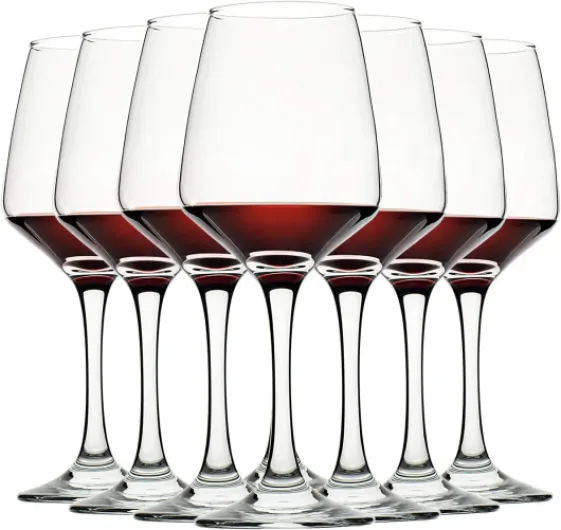
- + Lead-free glass
- + Durable material
- + Clear design
- + Set of 8 glasses

White wine glasses: finding the right fit
Why white wine glasses are different
White wines are known for their crispness, delicate aromas, and refreshing acidity. The right glass can make a noticeable difference in how you experience these qualities. Unlike red wine glasses, which often have a larger bowl to allow for aeration, white wine glasses are typically designed with a smaller bowl and narrower rim. This shape helps preserve the wine’s cooler temperature and focuses the delicate aromas towards your nose.
- Smaller bowl: Keeps white wines cooler for longer, which is essential for maintaining their freshness.
- Narrower rim: Directs the wine to the tip and sides of your tongue, enhancing the perception of acidity and fruitiness.
- Shorter stem: Makes it easier to hold the glass without warming the wine with your hand.
Matching glass shapes to white wine styles
Different types of white wines benefit from glasses designed to highlight their unique characteristics. For example, a sauvignon blanc glass will have a slightly narrower bowl than a chardonnay glass, helping to emphasize the wine’s bright aromas and zesty acidity. On the other hand, fuller-bodied whites like oaked chardonnay are best enjoyed in a glass with a slightly larger bowl, which allows the wine to open up and express its complex aromas.
| Type of White Wine | Recommended Glass Shape | Why It Works |
|---|---|---|
| Sauvignon Blanc | Narrow bowl, tapered rim | Focuses citrus and herbal aromas, enhances acidity |
| Chardonnay (unoaked) | Medium bowl, slightly wider rim | Balances fruit and acidity, preserves freshness |
| Chardonnay (oaked) | Larger bowl, wider opening | Allows richer aromas to develop, softens acidity |
| Riesling | Small, narrow bowl | Concentrates floral and stone fruit aromas |
Choosing the best white wine glasses for your collection
When shopping for wine glasses, consider investing in a set specifically designed for white wines. Brands like Riedel offer glassware tailored to different varietals, ensuring you get the most out of your wine. Look for glasses that are clear and thin to provide an unobstructed view of the wine’s color and clarity. A good glasses shop will offer a range of options, from basic sets to specialized glassware for every style.
Building a versatile collection doesn’t mean you need every type of glass. Start with a universal white wine glass, then add more specific shapes as your preferences and collection grow. For more on how the right serving tools can elevate your wine experience, check out this article on why the Dacor Wine Station is a game changer for wine enthusiasts.
Sparkling wine and champagne glasses: what works best
Why the Right Glass Matters for Bubbles
When it comes to sparkling wines and champagne, the glass you choose can make a real difference in both the drinking experience and how the aromas develop. Unlike red or white wines, sparkling wines rely on their bubbles and delicate aromas to deliver their signature style. The shape of the glass is key to preserving those bubbles and enhancing the view of the wine’s effervescence.
Comparing Glass Shapes for Sparkling Wines
- Flute: The classic flute is tall and narrow, designed to keep bubbles alive longer. This shape wine glass helps concentrate the aromas and gives a beautiful view of the rising bubbles. Flutes are a popular choice in many glasses shop collections.
- Coupe: The coupe has a wide, shallow bowl. While it looks elegant and vintage, it allows bubbles to dissipate quickly, which can mute the aromas and flavors. It’s less common in modern glassware sets for this reason.
- Tulip: A tulip-shaped glass features a slightly wider bowl than the flute but still narrows at the rim. This design is often recommended by experts and brands like Riedel, as it balances bubble retention with room for aromas to develop.
Choosing the Best Glass for Your Collection
For most wine lovers building a collection, a set of flutes or tulip glasses is a practical choice. These glasses are designed to work well with a range of sparkling wines, from classic champagne to prosecco and cava. If you enjoy both red and white wines, consider versatile glassware that complements your existing red wine and white wine glasses.
When shopping for the best glass, look for a thin rim and a stem long enough to keep your hand from warming the wine. A smaller bowl helps preserve the bubbles, while a clear glass offers the best view of the wine’s color and effervescence. Some sets even include glasses perfect for both sparkling and still wines, making them a smart addition to any collection.
Remember, the right glass can elevate your experience, whether you’re celebrating with champagne or enjoying a casual sparkling wine. Consider your needs, the types of wines you enjoy, and how the glass fits with your other glassware. Brands like Riedel offer specialized options, but there are quality choices for every budget in most glasses shops.
Specialty glasses for dessert and fortified wines
Why Dessert and Fortified Wines Deserve Their Own Glasses
When it comes to enjoying dessert and fortified wines, the right glass can make a surprising difference. These types of wines—think port, sherry, and late harvest varieties—are often richer, sweeter, and more aromatic than your typical red or white wines. The glassware you choose can help highlight their unique qualities and enhance your overall tasting experience.
- Smaller bowl: Dessert and fortified wine glasses are usually smaller than standard wine glasses. This design helps concentrate the intense aromas and flavors, making each sip more enjoyable.
- Narrow rim: A narrower rim helps direct the wine to the tip of your tongue, where sweetness is best perceived. This is ideal for wines like port or sauternes, which are known for their rich, sweet profiles.
- Shorter stem: Many glasses designed for these wines have a shorter stem, making them easier to handle and swirl, which further releases their complex aromas.
Brands like Riedel offer specialty glassware sets tailored for dessert and fortified wines. These glasses feature a shape perfect for enhancing the view and bouquet of full bodied, aromatic wines. If you’re building a collection, consider adding a set specifically for these types. Not only do they elevate the tasting experience, but they also make your glassware collection more versatile for entertaining or pairing with a variety of wines.
When shopping for the best glass, look for options that mention compatibility with fortified or dessert wines. A quality glasses shop will often have a dedicated section for these, alongside red, white, and champagne wine glasses. Investing in the right glassware ensures that every type of wine, from cabernet sauvignon to sauvignon blanc, is served in a glass designed to showcase its best qualities.
Practical tips for building your wine glass collection
How to Start and Grow Your Wine Glass Collection
Building a wine glass collection can feel overwhelming, especially with so many types of glasses designed for different wines. The key is to focus on versatility and quality, rather than quantity. Here are some practical tips to help you assemble a set that enhances your wine experience without cluttering your cabinets.
- Start with the essentials: If you enjoy both red and white wines, begin with a set of universal wine glasses. These glasses feature a medium-sized bowl that works well for most red and white wines, balancing aromas and taste.
- Expand based on your preferences: If you often drink full bodied reds like cabernet sauvignon or pinot noir, consider adding glasses with a larger bowl. This shape allows the wine to breathe and enhances the aromas. For white wines, especially sauvignon blanc, a smaller bowl helps preserve delicate aromas and keeps the wine cool.
- Don’t forget sparkling and dessert wines: Champagne wine and sparkling wines benefit from flutes or tulip-shaped glasses, which help retain bubbles and concentrate aromas. For dessert and fortified wines, smaller glasses are best to highlight their intense flavors.
- Quality over quantity: Investing in reputable brands like Riedel can make a noticeable difference. High-quality glassware provides a clearer view of the wine and a finer rim, improving the overall tasting experience.
- Consider storage and care: Wine glasses are delicate. Store them upright to avoid chipping the rim, and hand wash when possible to maintain clarity and prevent damage.
- Shop smart: Many glasses shop offer sets that include the most common types wine glass. Buying a set can be more cost-effective and ensures you have matching glassware for entertaining.
| Type of Wine | Recommended Glass Shape | Key Features |
|---|---|---|
| Red wine | Larger bowl, wide opening | Enhances aromas, allows wine to breathe |
| White wine | Smaller bowl, narrower rim | Preserves aromas, keeps wine cool |
| Champagne & sparkling | Flute or tulip | Retains bubbles, focuses aromas |
| Dessert & fortified | Small, compact bowl | Concentrates sweet aromas |
Remember, the best wine glass is the one that fits your style, your wines, and your space. As your collection grows, you’ll discover which shapes and sizes bring out the best in your favorite bottles.