Key technologies that keep a wine fridge quiet and stable
Quiet performance in the best quiet wine coolers comes from a mix of compressor design, insulation and airflow. A modern wine fridge often uses an inverter compressor that ramps up slowly, so the unit avoids the harsh start stop cycle of a regular fridge and keeps a more even temperature. When the cabinet is built with dense foam and a stainless steel outer shell, the sound is absorbed before it reaches your living space.
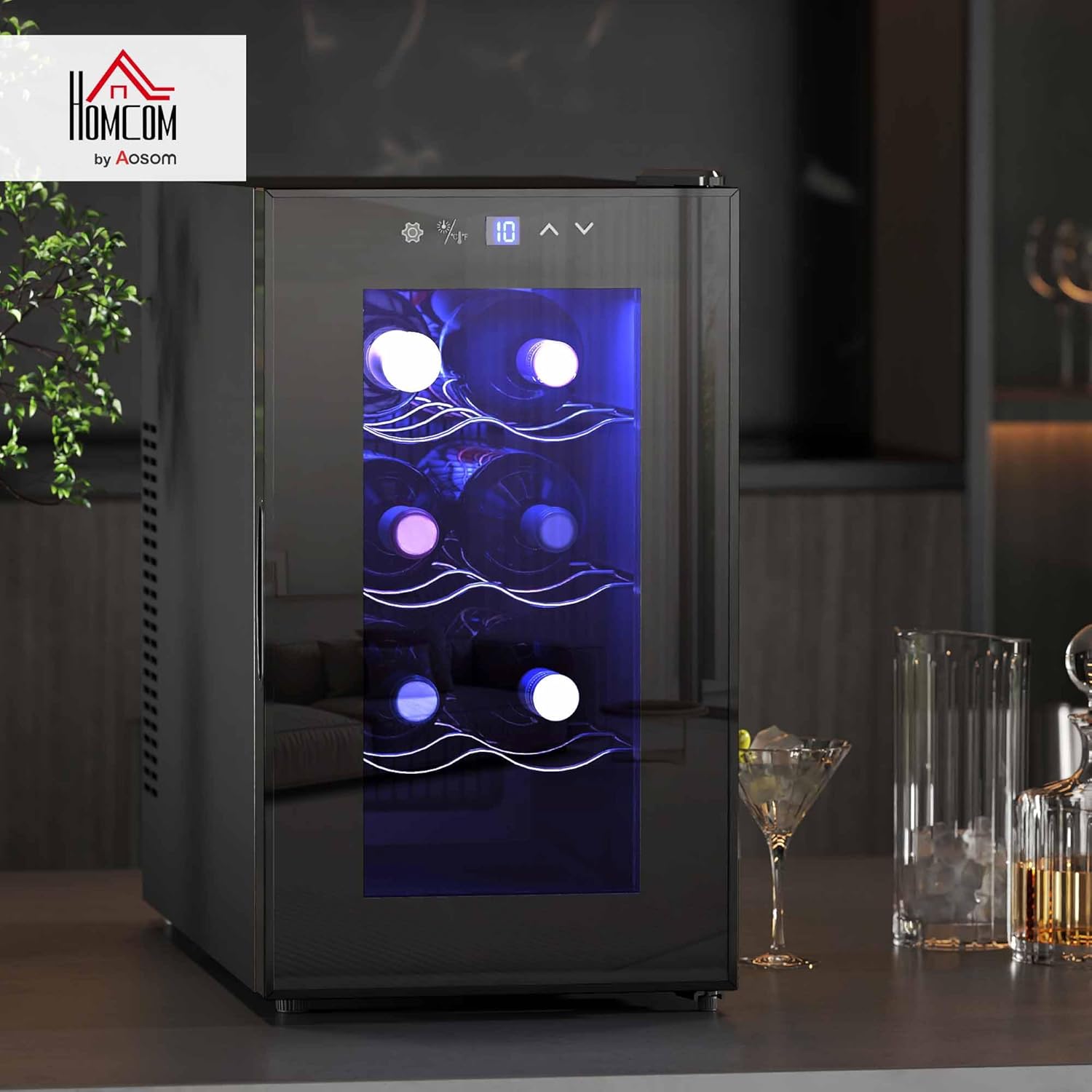
Thermoelectric wine coolers are naturally quiet because they have no compressor, only small fans. These coolers work best in smaller sizes with limited bottle capacity, and they struggle if the ambient temperature rises much above 24 °C in summer. For larger collections, a dual zone compressor based wine cooler in stainless steel offers better capacity dual performance while still staying quiet when engineered correctly.
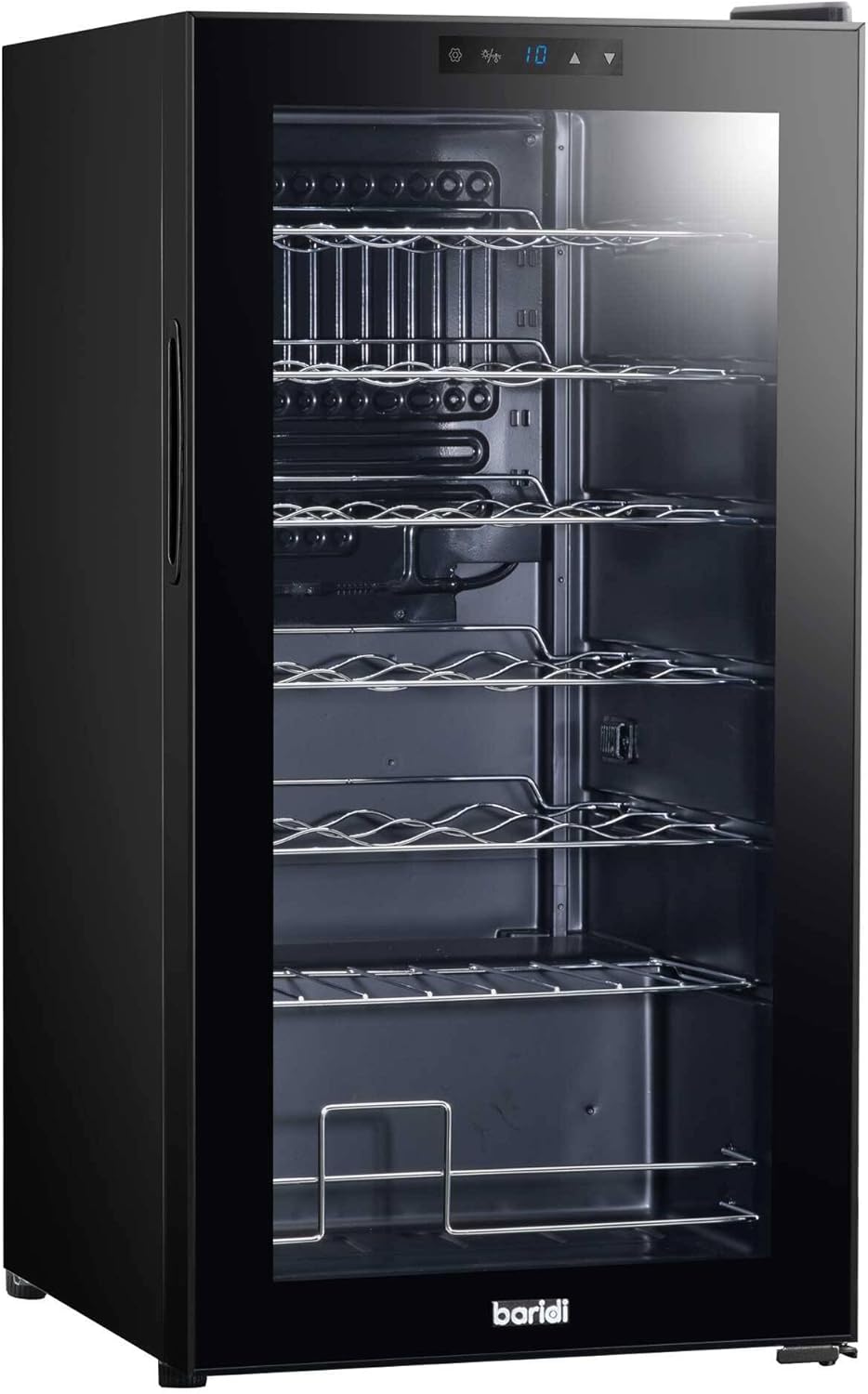
Door construction also affects both noise and wine storage stability. A black glass door with a stainless steel frame can look elegant, but a solid stainless steel door or triple glazed glass panel will insulate better and help the cooler maintain a precise zone wine temperature. When you compare premium stainless steel wine fridges, use a detailed buying guide such as the dedicated overview of top stainless steel wine coolers to understand which product lines balance quiet running, capacity and long term reliability.
Choosing between single zone and dual zone wine coolers for quiet spaces
Single zone wine coolers maintain one consistent temperature throughout the cabinet. This single zone layout is ideal when you mainly drink red wine or mainly white wine, and you want the quietest possible unit with simple controls. A single zone wine fridge usually has fewer internal fans, which can reduce noise compared with a more complex dual zone design.
Dual zone wine coolers divide the interior into two temperature sections, often with a physical partition. A dual zone wine fridge lets you keep crisp white wine and rosé at around 7 to 10 °C in one zone, while the other zone wine compartment holds red bottles at 12 to 14 °C for perfect serving. These capacity dual designs are slightly more complex, yet the best quiet wine coolers in this category use carefully tuned fans and insulated partitions so the extra flexibility does not raise the sound level.
When you compare single zone and dual zone models, think about your long term wine storage habits. If you mainly age red wine for several years, a single zone wine cellar style cabinet with deep shelves and a black freestanding body may be ideal, while mixed collections benefit from a dual zone layout even at a slightly higher price unit. For a focused shortlist of quiet models in both single and dual configurations, consult the specialist guide to top quiet wine coolers and match each product to your room layout and noise tolerance.
Capacity, layout and sizing mistakes that make quiet coolers feel noisy
Many buyers underestimate how quickly a wine cooler fills up. A cabinet advertised with 24 bottle capacity often reaches that figure only with standard 750 ml Bordeaux bottles, so wider Burgundy or Champagne bottles reduce the effective capacity dual figure. When shelves are overloaded, airflow suffers, the compressor runs more often and the once quiet wine cooler starts to sound like a regular fridge.
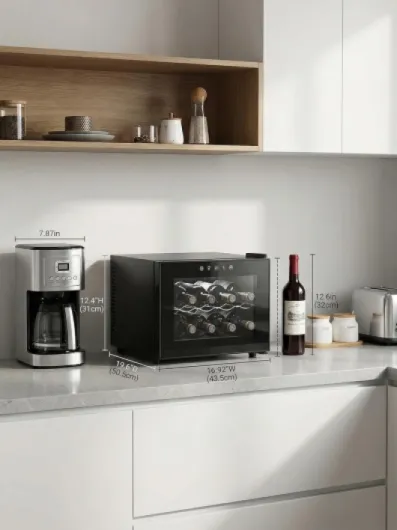
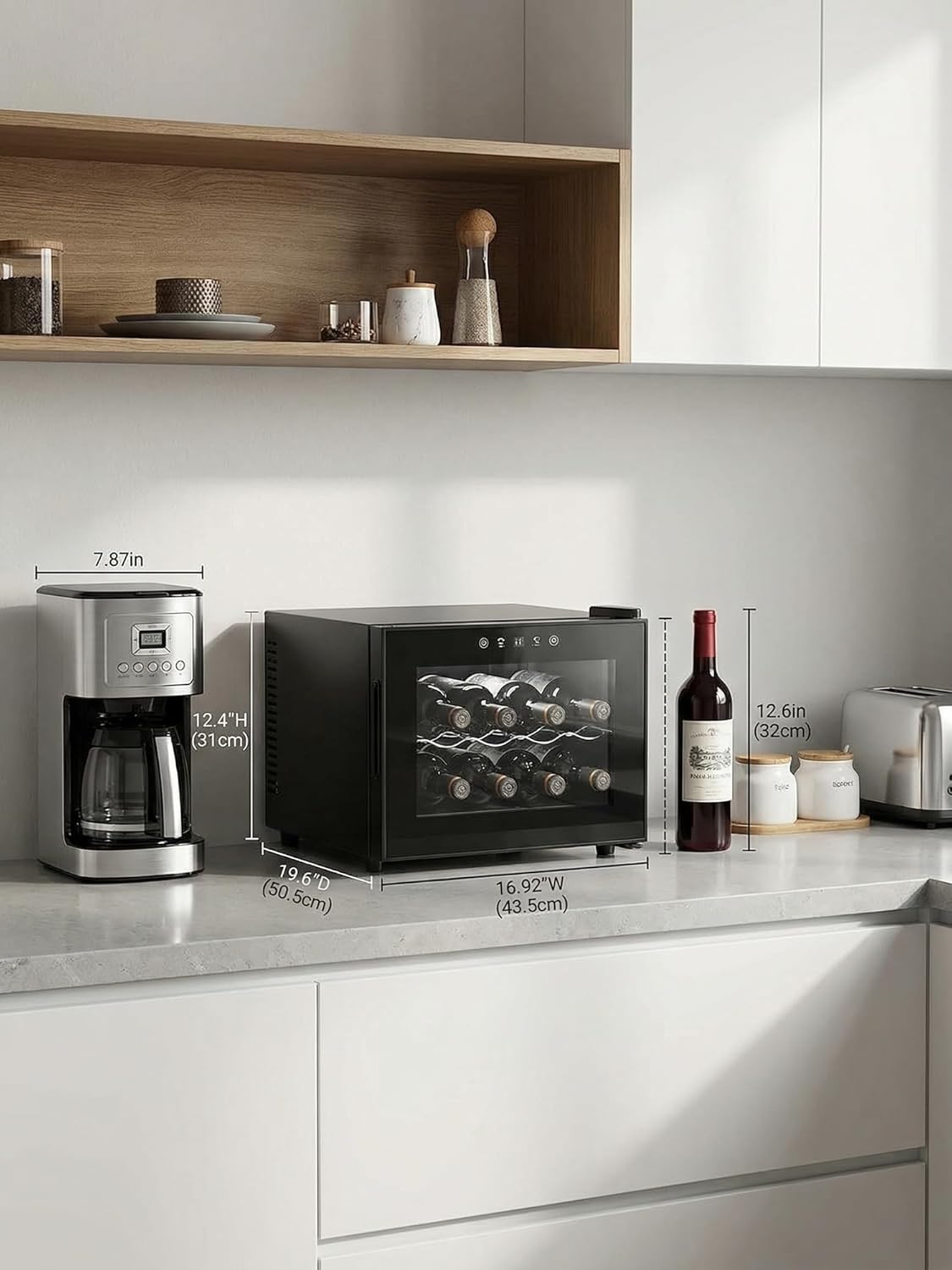
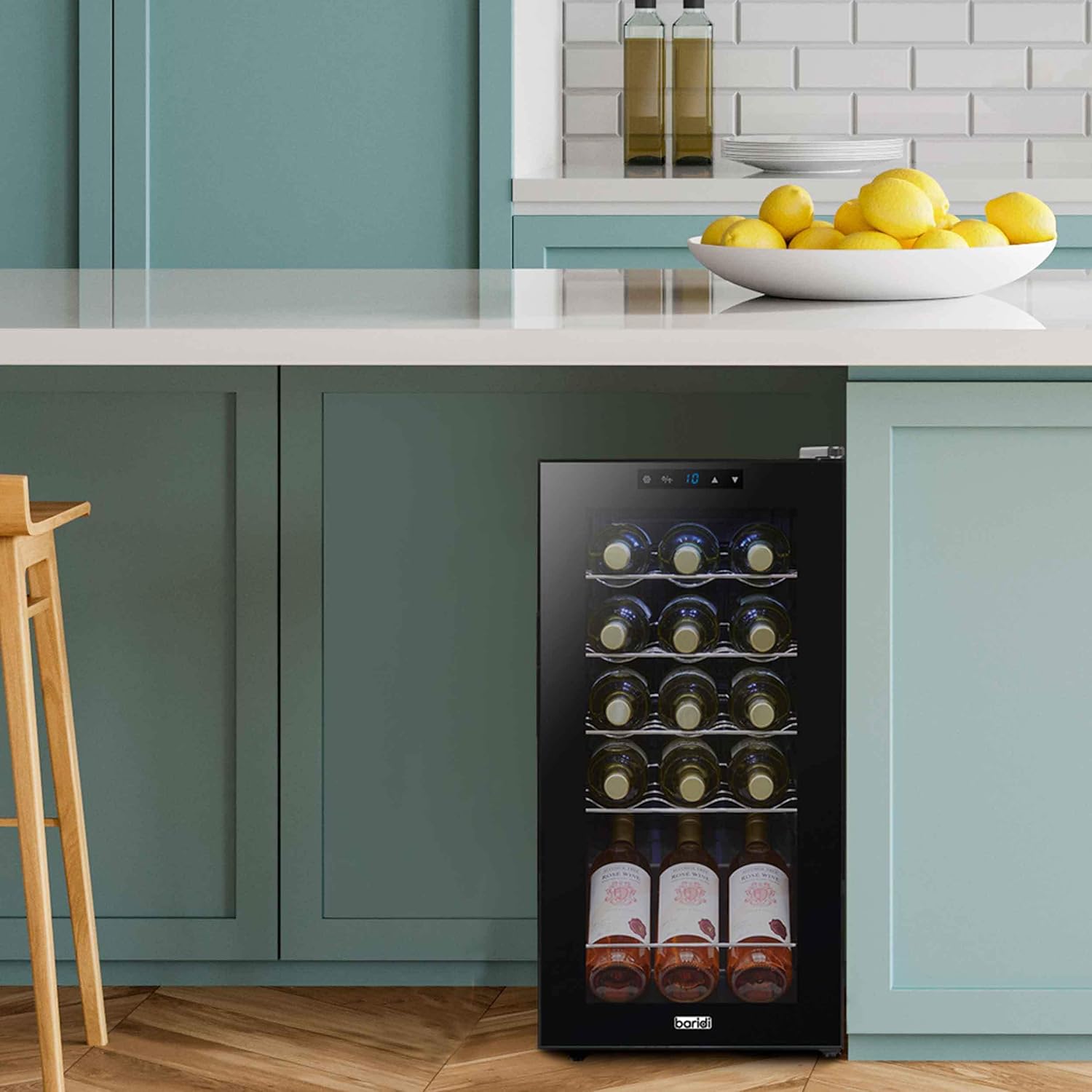
Before you choose between different wine fridges, measure the space and count your current bottles honestly. A freestanding wine unit needs several centimetres of clearance at the back and sides for ventilation, otherwise the internal temperature rises and the compressor works harder, which again increases noise. Built under models that look like a sleek stainless steel wine cellar column must also respect the manufacturer’s ventilation instructions, even when the cabinet appears to be a compact black freestanding product.
To avoid buying the wrong size, use a detailed sizing guide such as the analysis on why most buyers pick the wrong capacity the first time. That guide explains how a 30 bottle built cabinet can feel cramped within a year, while a slightly larger 46 bottle freestanding bottle unit may offer better long term value even at a higher regular price. By sizing correctly, you allow proper airflow, keep the compressor relaxed and preserve the quiet character that defines the best quiet wine coolers.
Price, running costs and how quiet coolers help you save over time
Quiet wine refrigerators span a wide price range, from entry level thermoelectric units to premium stainless steel cabinets. The regular price on a compact 12 bottle wine fridge may look attractive, yet a slightly higher price unit with better insulation and a more efficient compressor can save energy and noise over its lifetime. When you compare coolers, consider not only what is sold today but also how the product will perform after several years of daily use.
Energy efficiency labels give a first indication of running costs, but you should also look at the stated temperature range and how quickly the unit recovers after the door opens. A cooler that holds a stable zone wine temperature without frequent cycling will usually be quieter and cheaper to run. Over a decade, the electricity you save with a well engineered dual zone wine cooler or single zone cabinet can offset much of the initial price difference.
Colour and finish also influence cost, with black freestanding models often priced below fully integrated stainless steel designs. A black cabinet with a stainless steel handle can still look refined in a modern kitchen, while a full stainless steel door may suit a high end built in wine cellar aesthetic. Balance what you pay today against the long term benefits of quiet operation, stable temperature and reliable wine storage for every bottle in your collection.
Freestanding versus built in units and where quiet matters most
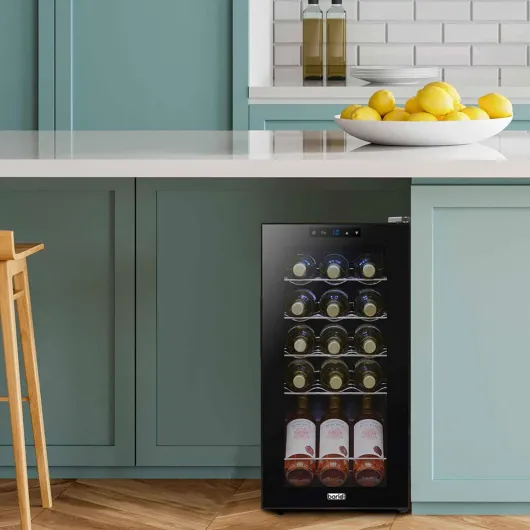
Placement has a major impact on how you perceive noise from a wine cooler. A freestanding wine cabinet in a hallway or utility room can be slightly louder without disturbing anyone, while a built in wine fridge under a kitchen island must be exceptionally quiet. When you plan your layout, think about where you sit, cook and entertain, then choose a product that matches the acoustic demands of that zone.
Freestanding bottle units are flexible because you can move them as your home changes. A black freestanding cooler with stainless steel trim can start in a dining room, then shift to a dedicated wine cellar corner when your collection grows. Built under models require more planning, since the cabinet is literally built into the furniture and the ventilation path around the unit must be respected to keep both temperature and noise under control.
Brand reputation also plays a role in quiet performance. A specialist manufacturer such as NewAir has invested heavily in compressor technology and cabinet design for its NewAir wine coolers, so a NewAir dual zone wine cooler or NewAir single zone wine fridge is often quieter than a generic unit sold at a similar price. When you compare several NewAir wine refrigerators with other coolers, listen in store if possible and read detailed noise comments from long term owners, not only the headline bottle capacity or glossy stainless steel finish.
What to check on the specification sheet before you buy
The specification sheet for any wine cooler hides crucial details about noise and performance. Look for a stated noise level in decibels, a clear temperature range for each zone wine compartment and a realistic bottle capacity figure that explains which bottle shapes were used. If the manufacturer only lists a regular price and a vague capacity number, be cautious and seek more detailed information before you commit.
Pay attention to the type of shelving and internal layout. Wooden shelves absorb vibration better than bare stainless steel racks, and full extension shelves make it easier to access each bottle without knocking neighbours and disturbing sediment. A steel dual frame with rubber compressor mounts can further reduce vibration, which protects delicate wine and keeps the unit quieter than a regular fridge over many years.
Finally, check the warranty terms and after sales support for the product. A reputable brand that stands behind its wine fridges, wine refrigerators and wine coolers with multi year compressor coverage shows confidence in the unit’s long term reliability. When you combine a realistic assessment of your wine storage needs with careful reading of these specifications, you can select one of the best quiet wine coolers that will protect every bottle, maintain perfect temperature and blend into your home with barely a sound.
Key figures on quiet wine coolers and wine storage
- Modern compressor based wine coolers typically operate between 35 and 45 dB, which is comparable to a quiet library at the lower end and a soft conversation at the higher end, according to appliance noise measurements published by several European consumer organisations.
- Energy efficient wine refrigerators can use up to 30 % less electricity than older units of similar bottle capacity, based on comparative tests by independent testing labs that evaluated annual kilowatt hour consumption under standardised conditions.
- Dual zone wine coolers now represent more than half of premium home wine fridge sales in many markets, reflecting a shift toward mixed collections of red and white wine that require different serving temperatures.
- Freestanding wine cabinets with 40 to 60 bottle capacity are among the most popular sizes for serious enthusiasts, because they balance space efficiency with enough room to age wine for several years without constant turnover.
- Stainless steel finishes account for a significant share of mid range and high end wine cooler sales, as reported by major kitchen appliance retailers, due to their durability, ease of cleaning and ability to match other built in appliances.