Wine cooler features checklist: choosing the right wine fridge for your home
Use this practical wine cooler features checklist to match a wine fridge or wine refrigerator to your kitchen, dining room, or cellar corner. The goal is not just to buy the best rated model, but to choose a cabinet that actually fits your space, protects your bottles, and feels easy to live with every day.
Building your wine cooler features checklist around space, size, and doors
Start your wine cooler features checklist with the room, not the catalog. Measure the available space for any future wine fridge or wine refrigerator, including height, width, depth, and clearance for ventilation. Then think about how you actually move around that space when you cook, pour wine, or open other fridges and cabinets.
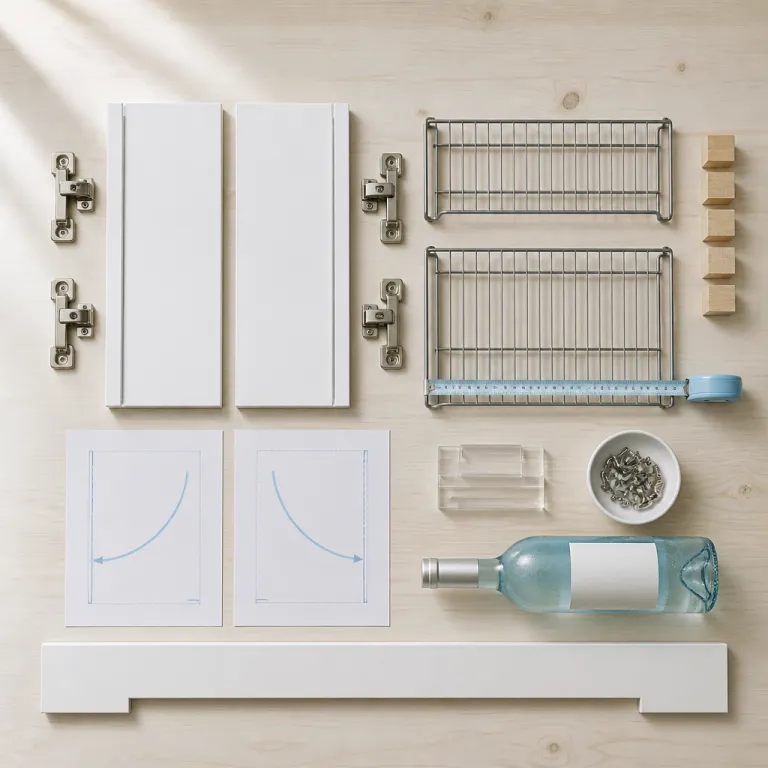
The swing of the door on a wine cooler will decide whether the unit feels integrated or constantly in the way. Reversible door hinges appear on only a portion of current models, yet they are essential in narrow kitchens where a fridge wine door can easily clash with an oven handle or wall. Before you compare the best models or admire stainless steel finishes, sketch your kitchen layout and mark every obstacle the door might hit.
For a first wine enthusiast with under twenty bottles, a compact freestanding wine fridge sounds ideal. However, even small freestanding units need several centimetres of breathing room at the back and sides for proper cooling and safe wine storage. For example, the Candy CWC 150 UK freestanding cooler specifies 10 cm at the rear and 5 cm on each side in its installation guide (Candy Hoover Group, product manual), while the Bosch KSW30V81GB recommends at least 5 cm behind the cabinet in its user instructions (BSH Hausgeräte GmbH, technical data sheet). If you plan to slide a cooler under a counter, confirm whether it is truly built in or only freestanding, because a freestanding fridge will overheat and fail early when boxed in too tightly.
Serious collectors and casual collectors alike underestimate how quickly a modest wine collection grows. A cabinet that holds twelve bottles at room temperature on a sideboard feels generous until you start to store wine properly and realise that twenty four bottles arrive after a few successful tastings. When you compare wine fridges, look at both stated capacity and real shelf layout, because the nominal size often assumes only standard Bordeaux bottles and ignores wider shapes.
Door construction also affects long term satisfaction and the quality of your wine storage. A double glazed door with UV protection helps maintain a stable temperature and protects wine from light, while a flimsy single pane door on cheaper fridges can leak cold air and force the cooling system to work harder. Check whether the handle is bolted through the door or only screwed into thin trim, because loose handles are one of the first complaints from owners after a year of daily use.

- Measure height, width, depth, and ventilation gaps before you shop.
- Check door swing, hinge side, and whether the door is reversible.
- Confirm if the unit is built in or freestanding before planning cabinetry.
- Compare stated bottle capacity with your real mix of bottle shapes.
Zones, temperature control, and the reality of daily cooling
Once the space and door swing are settled, the next layer of your wine cooler features checklist is temperature management. A single zone wine cooler keeps all bottles at one temperature, which suits a small mixed collection if you mainly drink red wine slightly below room temperature. Dual zone wine fridges add a second compartment so you can store wine for serving and wine for long term ageing at different settings.
For a first time wine enthusiast, a single zone wine fridge often delivers the best balance of simplicity, price, and reliability. Dual zone models introduce more components, more seals, and more potential failure points, which matters when you want stable cooling rather than complex features you rarely adjust. Think about how often you actually open white wine versus red, and whether a dedicated zone wine compartment for sparkling bottles justifies the extra cost and complexity.
Digital control panels on a wine refrigerator promise precise temperature adjustments, sometimes in one degree increments. In practice, the compressor, ambient room temperature, and door openings create a small swing around the target, so you should treat the display as a guide rather than a laboratory instrument. Independent tests by consumer organisations such as Which? and Consumer Reports routinely find a 1–3 °C variation inside domestic wine fridges, even when the display shows a fixed value (see Which? fridge freezer test summaries and Consumer Reports appliance reviews for methodology). Mechanical thermostats on simpler fridges lack the sleek look but often outlast digital boards, which can fail after power surges or moisture exposure.
Control panel placement deserves more attention than it receives in glossy brochures. A front mounted, slightly recessed panel on a cooler is easier to reach when the unit sits under a counter, and it collects less dust than a top mounted panel that doubles as a shelf for keys and mail. When you test models in a showroom, run your hand along the edges of the panel and buttons, because protruding controls are more likely to catch on clothing and feel flimsy over time.
If energy efficiency matters, compare the stated consumption of different wine fridges and cooling systems. Compressor based fridges generally hold temperature better than thermoelectric models in warmer rooms, although they may cycle with a low hum that sensitive listeners notice. In manufacturer data sheets, compact compressor coolers typically draw around 60–90 W and list noise levels between 38 and 42 dB, while similar thermoelectric cabinets often quote 60–70 W but struggle once ambient temperatures rise above 25 °C. For readers focused on efficient cooling and lower running costs, a dedicated guide to top energy efficient wine coolers offers tested data on real world consumption and performance based on manufacturer energy labels and independent lab measurements.
- Decide between single zone and dual zone based on how you actually drink wine.
- Expect a small temperature swing inside the cabinet despite digital displays.
- Check energy labels, quoted noise levels, and the type of cooling system.
Shelf depth, materials, and how bottles really fit
Shelves look similar in product photos, yet they shape your daily experience more than almost any other item on a wine cooler features checklist. Deep fixed shelves maximise theoretical bottle counts, but they often hide labels so thoroughly that you must pull bottles halfway out to read them. Shallow or sliding shelves reduce raw capacity slightly while making it far easier to manage a mixed collection without constant rearranging.
Flat metal wire shelves are common in entry level wine fridges, and they support standard bottles well but can wobble under heavier magnums. Scalloped or cradled shelves hold each bottle in a defined groove, which helps serious collectors who want to store wine securely and avoid vibration. Wooden shelves, often beech or oak, glide more smoothly and dampen noise, while bare metal can rattle against bottles when the cooling compressor starts.
Pay attention to the stated capacity and then count how many bottles each shelf actually holds in the showroom. Many best wine cooler models quote a capacity based on tightly packed Bordeaux bottles, leaving no room for Champagne, Burgundy, or thicker glass. If you regularly buy sparkling wine or larger formats, assume a real capacity of twenty to thirty percent less than the label suggests, and choose a slightly larger size to protect your long term plans.
Shelf depth also interacts with door thickness and the internal shape of the wine cabinet. On some fridges, the front bottle on a fully loaded shelf touches the door, which can transmit vibration and make closing the door feel harsh. Look for a few centimetres of clearance between the neck of the front bottles and the inner door, especially if the door includes a lock or thick stainless steel trim.
Material quality matters for both aesthetics and durability, particularly when you choose a stainless steel wine fridge for a modern kitchen. Thin chrome plated wire can bend over time, while solid wood or heavy gauge steel shelves keep their shape under a full load of bottles. If you want a cooler that matches other appliances, a specialised overview of top stainless steel wine coolers can help you compare finishes, handle designs, and long term wear using manufacturer finish descriptions and long term owner reports.

| Model | External size (H×W×D) | Required clearance* | Usable shelf depth | Capacity (Bordeaux / Burgundy / Champagne) | Noise | Power use |
|---|---|---|---|---|---|---|
| Candy CWC 150 UK | 82 × 15 × 57 cm | 10 cm rear, 5 cm sides | ~45 cm | 41 / ~32 / ~26 bottles | 39 dB | ~95 kWh/year |
| Bosch KSW30V81GB | 186 × 60 × 60 cm | 5 cm rear, 2 cm sides | ~48 cm | 120 / ~96 / ~80 bottles | 42 dB | ~145 kWh/year |
*Clearance, capacity, noise, and energy figures are taken from manufacturer specification sheets and rounded for simplicity (Candy Hoover Group and BSH Hausgeräte GmbH product documentation). Real world usable capacity for Burgundy and Champagne assumes a 20–30% reduction versus the quoted Bordeaux maximum.
Lighting, handles, and the small touches that age badly
Interior lighting in a wine cooler feels like a cosmetic extra until you try to read labels in a dim kitchen. The colour temperature of the LED strips, usually measured in kelvins, changes how your bottles look and how easily you can distinguish vintages. Warm lighting around 2700 K flatters labels and feels comfortable, while very cool lighting above 5000 K can make the interior of fridges look clinical and distort colours.
High colour rendering index lighting, often labelled as high CRI, helps you tell similar bottles apart without pulling them out of the cooler. This matters when a wine enthusiast stores both everyday bottles and special occasion wines in the same wine fridge or wine cabinet. If you often entertain at night, test whether the light switch is inside the door frame or on the control panel, because fumbling in the dark with a glass in hand quickly becomes frustrating.
Handles are another detail that rarely appears on a formal wine cooler features checklist, yet they fail more often than compressors. A solid bar handle that bolts through the door on a wine refrigerator will feel reassuring every time you open it, while a handle that attaches with small surface screws can loosen within months. When you examine models in person, gently twist the handle and imagine that movement repeated hundreds of times each year.
Locks can be useful for households with children or shared spaces, but they introduce their own quirks. Some locks rattle when the cooling system cycles, especially on thin metal doors, and that noise can travel through a quiet apartment at night. If you need a lock, choose a design integrated into the base of the door rather than a surface mounted latch that protrudes and catches on clothing.
Exterior finishes also influence maintenance and how the cooler ages alongside other fridges and appliances. Brushed stainless steel hides fingerprints better than polished finishes, while black glass doors show smudges but blend into darker cabinetry. Think about how often you will wipe the door, how bright your kitchen lighting is, and whether the cooler sits near a busy traffic path where every mark becomes visible.
Freestanding units, installation checks, and planning beyond day one
Freestanding units dominate the entry level market, and they suit renters or anyone unwilling to cut cabinetry. A freestanding wine cooler offers flexibility, letting you move the fridge as your furniture changes or as your wine collection grows. However, a freestanding fridge will always need more open space around it than a built in model, so measure both the footprint and the airflow paths before you commit.
Installation day is when all the small specifications on your wine cooler features checklist either align or collide. Before the delivery team leaves, confirm that the door opens fully without hitting walls, that the shelves slide smoothly with bottles in place, and that the unit sits level so the door does not swing shut or drift open. Check that the cooling system starts quietly, that the control panel responds, and that the interior lighting works as described.
For apartments or homes without a dedicated wine cellar, a well chosen wine fridge can act as a compact cellar substitute. If you are considering converting a small closet into a more serious wine storage space, a detailed guide on converting a closet into a wine cellar explains insulation, cooling loads, and hidden costs that often surprise new collectors. Many serious collectors eventually combine a larger cellar with one or two smaller fridges near the kitchen to store wine ready for serving.
Think about how your habits might change over the next few years, not just the next season. A first cooler that holds eighteen bottles may feel generous today, but if you start attending tastings or buying mixed cases, your storage needs will quickly outgrow that size. Planning for a slightly larger capacity and a flexible shelf layout now reduces the temptation to stack bottles on top of each other, which stresses corks and complicates cooling.
Finally, treat the return window as your real test period rather than a safety net you hope never to use. Live with the cooler for a few weeks, paying attention to noise at night, how often you adjust the temperature, and whether the door and shelves feel solid. If any detail on your original checklist feels wrong in daily use, it is better to exchange the unit early than to tolerate small frustrations that accumulate every time you store wine or reach for the best wine in your collection.
- Confirm ventilation gaps, door clearance, and levelling on installation day.
- Test shelf movement, interior lighting, and control panel responsiveness.
- Use the return period to judge noise, vibration, and real world capacity.
FAQ
Is a dual zone wine cooler worth it for a small collection ?
A dual zone wine cooler is useful if you regularly drink both chilled whites and cellar temperature reds and want them ready to serve at different temperatures. For a small collection under twenty bottles, a well set single zone wine fridge often provides enough flexibility, especially if you are comfortable briefly chilling a bottle in a regular fridge before serving. Choose dual zones when you know you will keep a stable group of whites or sparkling wines alongside reds for the long term.
How much clearance does a freestanding wine refrigerator need ?
Most freestanding units need at least five to ten centimetres of clearance at the back and a few centimetres on each side for proper cooling airflow. Without that space, warm air cannot escape, the compressor runs longer, and internal temperature stability suffers. Always check the manufacturer’s installation guide, because some larger fridges and freestanding units require even more space around the cabinet.
Do reversible doors affect the insulation or performance of wine fridges ?
Reversible doors do not inherently reduce insulation quality or cooling performance when they are designed correctly. The hinge system and gasket are engineered to seal properly on either side, so temperature stability remains comparable to fixed door models. The main benefit is layout flexibility, allowing you to position the cooler where the door swing will not interfere with cabinets or other appliances.
What temperature should I set for mixed red and white wine storage ?
For mixed storage in a single zone wine cooler, a compromise around 12 °C to 13 °C works well for most styles. Reds will be slightly cooler than traditional room temperature but warm quickly in the glass, while whites and sparkling wines may need a brief extra chill in a standard fridge before serving. If you own many delicate whites or sparkling bottles, a dual zone configuration with a colder compartment around 7 °C to 9 °C offers better serving readiness.
How can I tell if a wine cooler shelf design will fit Champagne bottles ?
Champagne and some sparkling wine bottles are wider and often taller than standard Bordeaux shapes, so they challenge tight shelf spacing. When possible, test the shelves in person by placing a Champagne bottle on each level and checking whether the shelf above clears the glass comfortably and the door closes without contact. If you shop online, look for interior photos that show mixed bottle types, and assume the real capacity for sparkling bottles will be lower than the stated maximum.