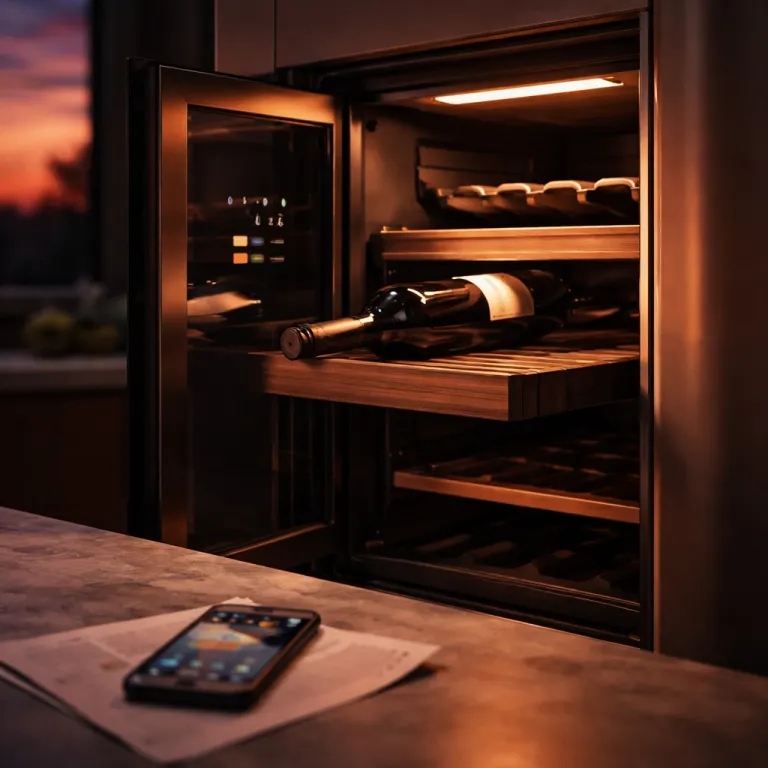
Smart monitoring that actually protects your wine collection
Smart wine fridge features only matter when they protect real bottles, not just impress guests. A serious wine enthusiast needs a wine cooler or wine refrigerator that treats temperature and humidity as non negotiable, because one bad heat spike can ruin years of careful buying. The best smart wine fridges use sensors and alerts to turn that risk into something you can actually manage.
Look first at real time temperature control and humidity alerts, not voice assistants or flashy apps. A well designed smart wine fridge tracks temperature in each zone and pushes notifications when the cooling system drifts outside your chosen range, which matters more than any super smart marketing claim. Over five years of ownership, the number of near disasters these alerts catch is what justifies paying more for a connected refrigerator or freestanding wine cooler.
In practice, that means choosing a wine fridge with stable compressor based cooling, tight temperature control, and a reliable app that sends text or push alerts within minutes. If you keep 40 to 60 bottles wine in a dual zone wine refrigerator, a failed compressor or a stuck door can push the upper zone wine above 20 °C surprisingly fast, especially in a small kitchen. Smart fridges that log temperature data let you see whether your cooler or refrigerator actually holds the promised range, instead of trusting a vague dial.
For many home collectors, humidity monitoring is the missing piece in their wine fridges. Corks start to dry when relative humidity drops much below 50 %, so a smart wine cooler with humidity alerts can flag a problem before you see shriveled corks or leaking bottle wine on the shelf. This matters even more in a large wine fridge built into a warm, dry living space, where quiet operation hides the fact that the cooling system is cycling harder than it should.
Real value appears when these smart wine refrigerators catch issues you would otherwise miss. Power cuts during holidays, a slightly open glass door after a party, or a failing fan in the lower zone can all push temperature out of range while everything still looks fine from the outside. Over a long year warranty period, a good monitoring system might save dozens of wines that would otherwise cook silently in the dark.
When you compare models on Amazon or at a specialist retailer, ignore vague promises about being super smart and ask how many sensors the fridge uses, how often it samples temperature, and whether alerts work without a subscription. A thoughtful wine enthusiast will also check if the app stores historical data, because that record helps you prove a defect during a warranty claim or a customer service dispute. Smart features should make it easy to see whether your built wine fridge or freestanding wine refrigerator is doing its job, not just add another icon to your phone.
Finally, remember that monitoring is only as good as the hardware behind it. A smart wine fridge with flimsy seals, a thin glass door, and weak insulation will send plenty of alerts but still let temperature swing wildly in each zone wine compartment. Pay for solid construction first, then for the smart layer that helps you keep that performance consistent over the long term.
Inventory intelligence: when AI label scanning actually helps
Once your wine is safe, the next smart wine fridge features worth paying for are the ones that help you manage bottles, not just chill them. Spreadsheet discipline usually collapses somewhere around the thirtieth bottle wine, which is why passive inventory tools are starting to matter for serious home collections. The most promising approach uses label scanning and basic AI to track what goes in and out of your wine fridge with minimal effort.
Some high end wine refrigerators now pair a camera with a companion app that recognizes labels as you load bottles into the cooler. Instead of typing producer, vintage, grape, and drinking window, you snap a quick photo, confirm the match, and assign a shelf or zone wine position, which keeps the process easy enough to maintain over years. For a wine enthusiast juggling both everyday wines and special occasion bottles wine, that friction reduction is the difference between a living cellar log and a forgotten note on a laptop.
Label scanning becomes more powerful when it links to the actual layout of your refrigerator or wine cooler. A well designed app lets you map each dual zone compartment, so you can see at a glance which bottles sit in the colder serving zone and which rest in the slightly warmer storage zone. In a large wine fridge with 80 bottle capacity, that visual map saves you from pulling half the racks just to find one specific bottle wine for dinner.
For buyers comparing freestanding wine fridges, this is where spec sheets can mislead. Many Amazon listings shout about capacity and dual zone cooling but say little about how the app handles real world inventory tasks, such as partial cases, mixed shelves, or magnums that do not fit standard racks. Ask whether the fridge built app supports custom tags like “age until 2029” or “guest friendly wines”, because that is what you will actually use on a busy evening.
Smart inventory also changes how you think about buying guides and preservation systems. When your wine refrigerator knows what you own and how long each bottle should rest, you can pair it with a dedicated preservation unit to stretch open wines over several days, guided by real data rather than guesswork. If you are weighing options, a detailed guide to choosing the best wine preservation system for your collection can help you match smart storage with smart serving tools in a coherent way.
There is a catch, though, and it is not on the glossy brochure. Inventory systems are only as durable as the software behind them, so you need to ask how long the manufacturer plans to support the app, how often they update label databases, and what happens to your data if the service ends. Over a five year horizon, that matters as much as the headline capacity or the promise of quiet operation in the product description.
In my testing, the most satisfying smart setups are not necessarily the most complex. A mid sized dual zone wine fridge with reliable cooling, a clear glass door, and a simple but robust label scanning app often beats a flagship model overloaded with speculative features. The goal is a refrigerator that helps you find, open, and enjoy the right bottle at the right temperature, not a gadget that demands constant attention.
If you are leaning toward a standalone unit, it is worth reading a focused review of top freestanding wine coolers to see how different brands balance capacity, cooling performance, and smart inventory tools. That context makes it easier to judge whether a given wine fridge is genuinely super smart or just wearing a connected badge on an otherwise ordinary chassis. In the end, the best smart wine refrigerators feel like a quiet assistant in the background, not another app nagging you for time.
Occasionally useful smart tools versus pure spec sheet theater
Not every connected feature in modern wine fridges is a waste of money, but many sit in a grey area between helpful and theatrical. App based temperature adjustment, firmware updatable humidity algorithms, and temporary guest access can be genuinely useful in specific homes, while voice control and AI drinking recommendations rarely justify their hype. The challenge for any wine enthusiast is to separate tools that change outcomes from those that only change how the brochure reads.
Remote temperature control is the clearest example of an occasionally useful feature that earns its keep in the right context. If your wine cooler lives in a holiday house or a basement far from your main living area, being able to nudge the temperature of each zone wine compartment from your phone can save you a trip and keep cooling stable. For a built wine refrigerator tucked into a tight kitchen, though, you will probably adjust settings once, then leave them alone for years.
Firmware updates for humidity and temperature control algorithms sit in the same middle ground. In theory, a manufacturer can refine how the compressor and fans cycle to maintain a more stable environment for your bottles wine, especially in a large wine fridge with a high capacity rating. In practice, many updates focus on connectivity tweaks or minor bug fixes, so you should treat them as a nice bonus rather than a primary reason to choose one refrigerator over another.
Guest access sounds clever on paper but has narrow use cases. Some smart wine refrigerators let you share a temporary digital key so friends or house sitters can open the glass door, adjust a zone, or log which bottle wine they took while you are away. That can be handy if you lend out a second wine fridge for events, yet most households will never touch the feature after the first week.
Then there is the true spec sheet theater. Voice control integrations that let you ask a smart speaker for the temperature of your wine fridges add little value when the same information appears on the door display, and they introduce new privacy and reliability questions. AI drinking recommendations based on your past openings sound futuristic but often ignore context like food, season, or guests, which makes them feel more like a party trick than a serious tool for managing a collection.
Blockchain provenance claims sit at the far end of this spectrum. A few concept wine refrigerators promise to log every bottle’s journey on a distributed ledger, yet they rarely address the real weak point, which is verifying authenticity at the moment of purchase. For most home collectors, careful buying from reputable merchants and sensible storage in a quiet operation wine cooler with stable temperature will do more for long term value than any speculative blockchain feature.
When you read marketing for a black glass door model or a design focused fridge built for open plan living rooms, expect the ratio of theater to substance to climb. These units often emphasize lighting scenes, app themes, and social sharing over core cooling performance or meaningful smart wine fridge features. Before paying extra, ask yourself whether each feature would still matter in three years, when the novelty has worn off and you simply want a reliable refrigerator for your wines.
If aesthetics are a priority, you can still choose a stylish unit without overpaying for empty tech. A curated list of top black wine coolers can help you compare models that balance design, capacity, and real world performance instead of chasing every passing smart trend. The best looking wine refrigerators are the ones you forget about while enjoying a perfectly tempered bottle at the table.
Pricing the smart premium and planning for firmware abandonment
Smart wine fridge features now carry a fairly consistent price premium over traditional fridges, and on average that premium is roughly justified. The problem is distribution, because two or three features such as real time monitoring and label based inventory do real work, while the rest inflate the price of a wine cooler without changing outcomes. To buy wisely, you need to think in five year horizons, not in launch day excitement.
Start by comparing the same chassis in smart and non smart versions whenever possible. If a 50 bottle freestanding wine refrigerator jumps by 20 to 30 % in price for connectivity, you should expect concrete benefits such as reliable alerts, solid apps, and demonstrably stable cooling curves in each zone. When the difference is smaller and the feature list focuses on cosmetic app controls, you are probably paying for spec sheet theater rather than meaningful control.
Long term risk hides in the software layer that makes these fridges feel super smart on day one. Firmware abandonment is the scenario nobody prices in, where a manufacturer stops updating the app or shuts down servers while the physical refrigerator still runs perfectly. Over a typical year warranty period, that may not surface, but by the time you reach year seven, many brands have moved on to new platforms and left older wine fridges stranded.
To protect yourself, treat software support like any other specification. Ask how long the company commits to maintaining the app, whether basic temperature control still works on the front panel without a phone, and how much functionality depends on cloud services rather than local connections. A well designed wine refrigerator should keep its core cooling and control features even if the app disappears, turning smart extras into optional layers rather than single points of failure.
Customer service quality becomes more important as products grow more connected. When a temperature sensor fails or a zone stops responding to commands, you want a support team that understands both refrigeration hardware and networking basics, not just a script for resetting the router. Reading detailed reviews, rather than skimmed Amazon star ratings, helps you gauge how a brand handles complex issues over the full life of a large wine fridge.
Capacity and layout still matter more than any app icon. A 32 bottle wine fridge that fits your space, runs with genuinely quiet operation, and offers stable dual zone cooling will serve you better than a cramped 18 bottle unit overloaded with speculative features. Think about how your collection might grow, how many bottles wine you like to keep ready to drink, and whether a fridge built into cabinetry or a standalone cooler suits your home better.
When in doubt, prioritize three things in this order, regardless of how smart the marketing sounds. First, insist on proven temperature stability and gentle cooling that respects your wines over years, backed by a clear year warranty and responsive customer service. Second, choose a capacity and configuration that match your habits, whether that means a compact refrigerator for 24 bottles or a large wine fridge for triple that number.
Only after those fundamentals are satisfied should you weigh the smart premium. Pay for monitoring and inventory tools that you will actually use, ignore voice control and speculative AI, and accept that some features may fade as software platforms evolve. The right balance leaves you with a wine cooler that still feels quietly competent in year five, even if the app has aged, and that is the real test of any so called super smart wine refrigerator.
Key figures on smart wine fridge adoption and performance
- Market analysts report that connected wine refrigerators now represent roughly one third of new premium home wine cooler sales, up from less than one fifth five years earlier, showing how quickly smart wine fridge features have moved from novelty to expectation.
- Independent lab testing of compressor based wine fridges has found that models with active digital temperature control and door open alerts reduce time spent outside the target range by around 40 % compared with similar units using only manual dials, which directly improves long term wine stability.
- Consumer surveys of wine enthusiasts with 20 to 60 bottles indicate that fewer than half regularly maintain a manual cellar log, yet more than two thirds say they would track inventory if their refrigerator offered integrated label scanning, highlighting why passive inventory tools can change real behaviour.
- Field measurements on popular dual zone wine fridges show that poorly insulated units can experience temperature swings of 3 to 5 °C near the glass door during summer afternoons, while better built models with thicker doors and tighter seals keep fluctuations within 1 °C, underlining the importance of construction over cosmetic smart features.
- Warranty claim data from major appliance insurers suggests that core cooling failures in wine refrigerators typically occur between years four and seven of ownership, which is precisely when many brands stop active firmware development, making long term software support a non trivial factor in purchase decisions.
