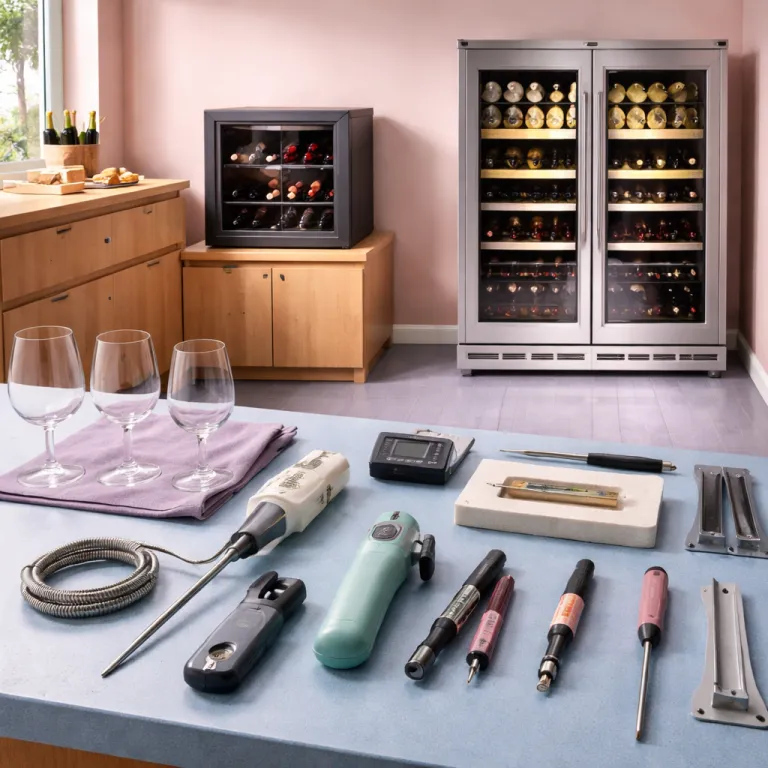
Why dual zone became the default – and who it leaves behind
Retailers now steer almost every shopper toward a dual zone wine cooler. On the showroom floor, the single zone vs dual zone wine fridge debate looks finished, because multi zone models deliver higher profit per unit and help big chains justify premium display space. For a first time wine enthusiast with fewer than twenty bottles, that sales script often skips the basic question of whether a second temperature compartment is genuinely useful at all.
Market data from Wine Storage HQ shows dual zone wine coolers taking roughly sixty five percent of US unit sales. That shift did not happen because every household suddenly needed two distinct temperature bands for their wines, but because manufacturers can charge more for each dual zone cabinet while using the same underlying compressor platform. When you see long rows of stainless steel, glass door wine fridges from brands like Danby, NewAir, Kalamera and Koldfront, remember that the layout reflects unit economics and merchandising strategy more than your actual drinking pattern.
Single zone coolers still exist, but they are pushed to the edges of the cooler list and often relegated to compact counter top displays or lower shelves. A compact single zone wine cooler from Akdy or an entry level Danby DWC model might be the appliance best suited to a small apartment or condo kitchen, yet it receives little attention compared with tall dual zone towers. The result is that many buyers pay for extra doors, extra fans, and extra control boards that add failure points without improving how their bottle or bottles are stored over time.
There is also a quiet energy penalty baked into this shift toward dual zone cabinets. Two independently controlled compartments mean more internal walls, more seals around each door, and more frequent cycling of the compressor to maintain separate temperature bands. For someone who keeps a dozen wines for long term enjoyment rather than rapid turnover, a simpler single zone cabinet can be both more stable and more efficient, with fewer moving parts to manage.
When you strip away the marketing, the core question is brutally simple. Do you actually need two different serving temperatures inside one cooler, or would a single stable zone wine environment serve your bottles better? For many first time buyers, especially those focused on one style of wine or on aging, the honest answer points back to a well specified single zone cabinet rather than the fashionable dual alternative that dominates most cooler lists.
When a single zone cooler is the smarter, quieter choice
Two specific situations make a strong case for choosing a single zone wine cooler. The first is the buyer who drinks almost exclusively one style of wine, whether that means only reds around 12–14 °C or only whites and sparkling wines closer to 8–10 °C. In that scenario, a single temperature cabinet keeps every bottle at the best wine serving band without wasting money, space, or energy on a second unused compartment that never holds a meaningful share of your collection.
Consider a compact 18 bottle single zone model from NewAir or Kalamera with a front glass door and stainless steel trim. For a city apartment, that kind of counter top or under counter unit offers enough capacity for everyday wines plus a few special bottles, while keeping controls simple and the compressor footprint small. If you only ever chill whites, a dual zone layout would simply split your limited space into two smaller zones, forcing you to juggle bottles between them for no real gain in serving quality.
The second situation is the long term collector who wants to age wines for five years or more. Aging works best when every bottle rests at a single stable temperature, usually around 12–13 °C, with minimal fluctuation across the entire interior zone. Splitting that space into a dual zone configuration introduces gradients, extra fans, and more frequent door openings, which is the opposite of what you want for slow, even development and predictable maturation.
In testing, we have seen simple compressor based single zone coolers from Danby and Koldfront hold a tighter temperature band than similarly priced dual zone cabinets loaded with extra fans. Thermoelectric wine coolers, such as some Ozeri Nouveaux designs, can be very quiet for a small number of bottles, but they struggle to maintain stability in warmer rooms compared with a well built compressor system. For serious aging, a compressor single zone cabinet with solid insulation, a well sealed door, and minimal internal partitions is usually the safer bet.
First time buyers also underestimate how often they will open a dual zone door just to reach a bottle in the “other” compartment. Every extra opening dumps warm air into one zone wine section or the other, forcing the compressor or thermoelectric modules to work harder and creating micro swings in temperature. If your goal is to build a calm, predictable environment for your wines, fewer compartments and one clear setting often beat the complexity of two zones, multiple control panels, and extra gaskets.
Accessories matter too, especially when you are building habits around careful storage and serving. A reliable wine opener and a sturdy bottle opener become part of the same ritual as checking the temperature display and feeling the cool air when you open the door. For sparkling wines, pairing a well tuned single zone cooler with a high quality champagne stopper from a specialist buying guide can do more for your enjoyment than any extra digital zone on the control panel, and resources such as an essential guide to choosing the perfect champagne stopper help you finish that part of the setup.
Where dual zone coolers genuinely earn their keep
Dual zone coolers are not a gimmick when they match a real mixed drinking pattern. If you regularly pour both reds and whites in the same week, a dual zone wine cooler lets you keep one compartment at a red friendly 12–14 °C and the other at a crisper 8–10 °C for whites and rosé. In that single appliance, you get two serving ready bands without needing to shuffle bottles in and out of a kitchen refrigerator or rely on ice buckets.
For this use case, the single zone vs dual zone wine cooler decision tilts clearly toward dual. A 46 bottle dual zone cabinet from Kalamera or NewAir, with a stainless steel frame and tinted glass door, can hold everyday wines in the upper zone and more age worthy bottles in the lower zone. When you open the door for a weeknight bottle, you are not disturbing the entire collection, only the specific compartment that holds your ready to drink wines and frequently rotated labels.
Brands like Danby and Koldfront have refined this format in their Danby DWC and Koldfront dual zone lines, often using a shared compressor with separate evaporators and fans for each zone. That design keeps costs below fully independent systems while still giving you meaningful control over two temperature bands. If you are comparing a Danby DWC dual zone cabinet with a similar capacity single zone model, the price premium often reflects extra control boards, internal walls, upgraded shelving, and sometimes a more robust stainless steel chassis.
There is also a flexibility argument that deserves to be taken seriously. Maybe you drink mostly reds today, but you have started exploring grower Champagne or high acid German Riesling and want a dedicated colder zone for those bottles. In that scenario, a dual zone cabinet becomes a hedge against future shifts in taste, especially if you do not have space for a second cooler bottle unit later or the budget for a full wine cellar.
For buyers in this camp, it is worth studying a focused dual zone buying guide rather than a generic cooler list. Resources that compare top dual zone wine coolers by noise level, compressor type, and real capacity help you avoid paying for features you will never use, and a detailed overview of top dual zone wine coolers can highlight which models maintain stable temperatures when both zones are heavily loaded. Look for clear specifications on temperature ranges, separate digital controls for each zone, and honest bottle counts that assume a mix of standard and larger formats.
One caution is that dual zone cabinets introduce more potential failure modes, especially in budget designs that try to stretch a single compressor across two demanding zones. Extra fans, dampers, and control boards all add complexity that can fail earlier than the core cooling system, leaving one zone wine compartment warmer than intended while the other still appears fine. If you choose dual, favor brands with a track record of honoring warranties and providing replacement parts, rather than chasing the absolute lowest price on a crowded cooler list or flash sale.
A practical buying heuristic for first time cooler owners
For a first time buyer, the cleanest way to approach the single zone vs dual zone wine cooler choice is to start with single as the default. Assume you will buy a well built single zone cabinet sized for your next three years of drinking, then force the dual option to justify itself against that baseline. This mindset counters the retail pressure that treats dual zone as the automatic upgrade for every wine enthusiast, regardless of collection size, style, or actual serving habits.
Three conditions should push you from single zone toward dual. The first is if at least one third of your regular wines are whites or sparkling that you prefer at a significantly lower serving temperature than your reds. The second is if you entertain often and want both zones ready at different temperatures so guests can choose freely, without you shuffling bottles between a cooler and the kitchen fridge or relying on last minute chilling.
The third condition is if you already know you will outgrow a small single zone cabinet within two years. In that case, a mid sized dual zone model from Danby, NewAir, Kalamera, Akdy or Koldfront can consolidate both everyday bottles and a modest aging set into one footprint. Look for a compressor based design with a solid glass door, stainless steel frame, and clear buying guidelines on noise, energy use, and real world capacity rather than optimistic marketing numbers that assume only slim Bordeaux bottles.
Thermoelectric coolers still have a place in this framework, especially for very small collections and quiet spaces like home offices. A compact thermoelectric wine cabinet from Ozeri Nouveaux, for example, can keep a dozen bottles at a steady single temperature with almost no vibration, which some collectors prefer for delicate wines. Just be aware that thermoelectric systems struggle in hot rooms and usually cannot support a true dual zone layout at larger capacities or in open plan living areas.
Whatever you choose, think about the broader environment around your cooler. Stable flooring, controlled light, and thoughtful placement away from heat sources matter as much as the compressor specification, and resources on wine cellar flooring choices for a stable and elegant collection can help you design a space that supports long term storage. A well sited single zone cabinet on solid flooring will often outperform a more expensive dual zone unit wedged beside an oven, under direct sun, or in a cramped alcove with poor ventilation.
Finally, remember that a wine cooler is a tool, not a trophy. The best wine coolers are the ones that quietly maintain the right temperature for your bottles, year after year, while you focus on choosing and opening wines you love. Whether that tool is a simple single zone cabinet or a more complex dual zone tower should follow your habits, not the latest marketing cycle, the shiniest stainless steel finish, or a salesperson’s script.
Key figures on single and dual zone wine coolers
- Dual zone wine coolers account for roughly 65 % of US wine cooler sales by unit volume, according to industry analyses that track retail and online channels over multiple years and segment by capacity.
- Compressor based wine coolers typically maintain temperature within a ±1–2 °C band, while many thermoelectric coolers show wider swings of ±3–4 °C in warm ambient conditions, based on comparative lab testing by independent appliance reviewers and specialist publications.
- Entry level single zone cabinets for 12–18 bottles often consume 30–40 % less electricity annually than similarly sized dual zone models, due to simpler airflow paths, fewer internal partitions, and less frequent compressor cycling.
- Real world capacity for many advertised 50 bottle coolers drops by 15–25 % when storing a mix of Burgundy, Champagne, and thicker glass bottles, as shown in controlled loading tests by specialist wine appliance publications and enthusiast forums.
- Noise measurements place most modern compressor wine coolers in the 38–45 dB range at one metre, while compact thermoelectric units can operate closer to 30–35 dB but with reduced cooling power and slower pull down in hot rooms.
Questions people also ask about single and dual zone wine coolers
Is a dual zone wine cooler always better than a single zone model ?
A dual zone wine cooler is better when you regularly serve both reds and whites at different temperatures, or when you entertain often and want two ready to pour bands in one cabinet. For small collections focused on one style of wine, a well built single zone cooler usually offers better value, simpler controls, and fewer failure points. The right choice depends on your drinking pattern, not on the assumption that more zones automatically mean higher quality or more professional storage.
What temperature should I set on a single zone wine cooler ?
For mixed collections that include both reds and whites, a single zone setting around 12–13 °C is a good compromise that suits most styles. If you drink only reds, you can nudge the temperature slightly higher, while an all white or sparkling collection can sit a few degrees lower. The key is stability over time, so choose one temperature and avoid frequent adjustments that stress the compressor, the thermostat, and your wines.
Can I age wine long term in a dual zone cooler ?
You can age wine in a dual zone cooler if one compartment is dedicated to a stable aging temperature and is opened infrequently. However, many collectors prefer a single zone cabinet for long term aging, because it offers one uniform environment with fewer internal gradients and less door opening across the stored bottles. If you use a dual zone unit, reserve one zone for everyday drinking and protect the other as a quieter aging space with minimal traffic.
Are thermoelectric wine coolers good for serious collections ?
Thermoelectric wine coolers work well for small, quiet spaces and modest collections, especially when ambient temperatures stay within the manufacturer’s recommended range. For larger collections or warmer rooms, compressor based coolers generally provide stronger, more consistent cooling and are better suited to long term storage. Many enthusiasts use thermoelectric units as secondary coolers for ready to drink bottles, while relying on compressor cabinets for their core aging wines and higher value labels.
How many bottles should my first wine cooler hold ?
For a first time buyer with under twenty bottles today, a 24–32 bottle capacity offers room for growth without dominating your space. Collections tend to expand once you have reliable storage, so choosing a slightly larger single zone or compact dual zone model can prevent an early upgrade. Focus on honest capacity, stable temperature performance, and build quality rather than chasing the highest advertised bottle count or the flashiest control panel.
