Why wine storage temperature stability matters more than the perfect number
Ask ten enthusiasts about wine storage and you will hear one temperature repeated. Many will insist that 13 °C is the best term for every wine, yet very few can explain why a stable 15 °C might beat a wildly cycling 12 °C in real cellars. When you care about wine storage temperature stability, the pattern of change matters more than the exact number.
Every time the temperature rises, the liquid inside your bottles expands slightly. As it falls again, the wine contracts and pulls against the cork, so repeated cycles stress the seal and can slowly compromise long term storage. A calm cellar that keeps wines within a narrow storage temperature band protects cork elasticity and reduces the risk of oxygen sneaking into red wines, white wines, or sparkling wines before their time.
Heat movement also affects the chemistry of wine, not just the cork. When wine storage conditions swing by 5 to 10 °C each day, reactions that shape aromas and colour speed up and slow down in waves, which is far worse than a gently warm but stable wine cellar. Research on Riesling has shown that wines held at a constant but slightly higher temperature aged more gracefully than those exposed to unstable heat, underlining that wine storage temperature stability is the ideal storage target for both whites and reds.
How fluctuations stress corks, labels, and delicate wine styles
Inside every bottle of wine, temperature and humidity work together on the closure. When the surrounding heat rises quickly, the air gap between cork and liquid expands, pushing pressure against the cork and sometimes forcing microscopic leaks that undermine long term term storage. As the bottle cools again, the cork can draw in tiny amounts of air, which slowly oxidises both red wine and white wine.
This expansion and contraction cycle is especially harsh on sparkling wines. Their internal pressure is already high, so unstable storage temperature conditions in a noisy wine fridge or poorly tuned cooling unit can make the cork flex more often, raising the risk of premature loss of fizz in both singular sparkling wine and treasured sparkling wines. Labels also suffer when temperature humidity swings, because condensation forms and dries repeatedly, which encourages mould and makes bottles harder to keep organised in a small home cellar.
Delicate styles such as sauvignon blanc and pinot noir are particularly sensitive to these stresses. A sauvignon blanc stored in a stable 15 °C wine cellar with 65 % humidity will usually age better than the same white wine kept at 12 °C in a cooler that cycles 8 degrees every night, even if both wines ideal serving temperatures are lower at the table. If you want a deeper dive into how serving temperatures interact with flavour, this guide to enjoying pinot noir at the perfect chilled temperature shows how storage and service can be tuned separately.
Slow seasonal drift versus daily swings in real homes
Many first time buyers worry that their basement is a few degrees off the textbook ideal storage temperature. In practice, a room that sits between 12 and 16 °C all year, changing slowly with the seasons, usually offers better wine storage than a cheap cooler that bounces between 8 and 18 °C every day. The key is that slow drift gives wines time to adapt, while rapid swings keep bottles under constant mechanical and chemical stress.
Think about how your own home behaves through the year. If your ground floor stays cool, dark, and reasonably stable, you may already have a natural wine cellar that can keep 10 to 20 bottles of red wines and white wines safe for medium term storage without buying a wine fridge immediately. By contrast, a kitchen corner exposed to oven heat and sunlight will punish whites, reds, and sparkling wines with fast cycles that undermine wine storage temperature stability, no matter what the display on the cooler claims.
Serving temperatures are a separate decision from storage temperature, so you can keep wines slightly warmer in long term storage and chill them before dinner. A stable 15 °C room with moderate humidity lets you store red wine, white wines, and even a few sparkling wines for several years, then bring them to the table at their wines ideal serving temperatures using a bucket, fridge, or decanter. For more on how aeration interacts with temperature, see this explanation of how a decanter enhances your wine experience while keeping the wine itself protected from sudden heat.
Why obsessively tweaking your wine fridge can backfire
Digital displays on a wine fridge invite constant adjustment. Many owners nudge the temperature up or down by a degree whenever they read a new opinion about wines ideal storage, but each change forces the cooling unit to cycle harder and creates more frequent swings inside the cabinet. Ironically, this behaviour reduces wine storage temperature stability and can make term storage worse than leaving the setting alone.
Compressor based coolers tend to overshoot slightly, so a target of 12 °C might mean the air inside oscillates between 10 and 14 °C. If you keep changing that target, the compressor and fan run more often, the internal temperature humidity balance never settles, and both red wines and white wines experience more expansion and contraction than they would in a quiet cellar. Thermoelectric coolers avoid some vibration but can struggle against ambient heat, which again leads to wide swings when the room warms up around your bottles.
Instead of chasing the single best number, pick a reasonable storage temperature and then leave it alone for long term stability. Aim for a range where whites, reds, and sparkling wines are all safe, typically around 11 to 14 °C, and focus on keeping the door closed and the unit away from ovens or radiators. If you are comparing models or worried about reliability, this guide to wine cooler warranties and compressor coverage explains how the fine print affects both temperature performance and long term storage costs.
Testing your own space with a data logger and simple rules
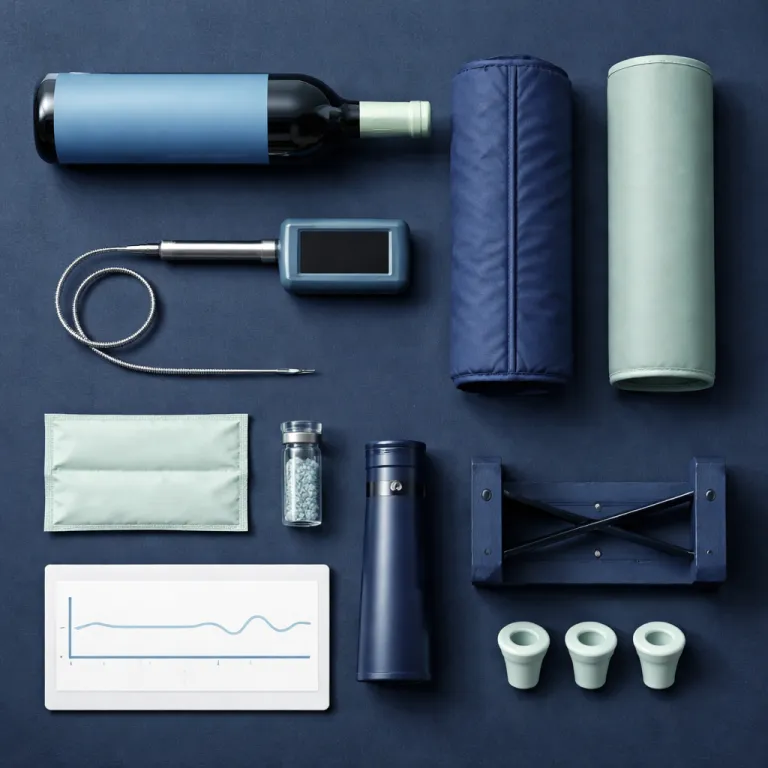
You do not need lab equipment to evaluate wine storage temperature stability at home. A basic digital data logger, placed among your bottles for thirty days, will record temperature and humidity every few minutes so you can see whether your cellar or wine fridge keeps a steady line or a jagged sawtooth. When you download the chart, look for swings greater than 2 to 3 °C in a single day, because those rapid changes are more damaging than a slightly high but flat average.
If your storage shows gentle curves that follow outdoor seasons, you probably have acceptable conditions for long term term storage of everyday wines. In that case, focus on keeping bottles away from direct heat sources, maintaining darkness, and ensuring enough humidity to protect corks without encouraging mould on labels. When the graph reveals sharp spikes every time the heating switches on or the sun hits a wall, move your wines to a more insulated corner or invest in a better insulated cooler with a reliable cooling unit and fan.
Once you have a stable environment, you can fine tune serving temperatures for different styles without disturbing storage temperature. Keep sauvignon blanc, pinot noir, and other favourites in the same calm wine cellar, then chill or warm individual bottles before opening to reach their wines ideal serving temperatures. That way, you respect the science of storing wine while still enjoying each glass at its expressive best, whether you pour white wines, red wines, or sparkling wines on any given evening.
FAQ
Is a slightly warm but stable room better than a precise yet unstable cooler ?
For most wines, a stable room at 15 to 16 °C is safer than a cooler that swings between 8 and 18 °C every day. The gentle, constant temperature reduces expansion and contraction in the bottles and protects corks. You can always adjust serving temperatures later with brief chilling or warming.
How much daily temperature fluctuation is acceptable for wine storage ?
A daily swing of up to about 2 to 3 °C around the mean is generally acceptable when changes are gradual. Larger or faster swings put more stress on corks and accelerate ageing. If your data logger shows repeated spikes beyond this range, consider improving insulation or relocating the wines.
Do red wines and white wines need different storage temperatures ?
Red wines, white wines, and sparkling wines can all share the same storage temperature, typically around 11 to 14 °C. Their serving temperatures differ, but long term storage works best when everything sits in one stable band. Separate zones are helpful for service, not strictly necessary for storage.
Is a basement always a good place for a small wine collection ?
Many basements offer naturally cool, stable conditions, which makes them good candidates for a simple home wine cellar. However, you should still measure temperature and humidity, because some spaces suffer from dampness, heat from boilers, or big seasonal swings. A quick data logging test will reveal whether your basement is truly suitable.
How long can I keep everyday wines in a basic wine fridge ?
If your wine fridge maintains stable temperature and moderate humidity, most everyday red wine and white wine can be stored safely for three to five years. The key is avoiding frequent door openings and large temperature swings. For very long term ageing, a more stable cellar or specialised cabinet is usually preferable.