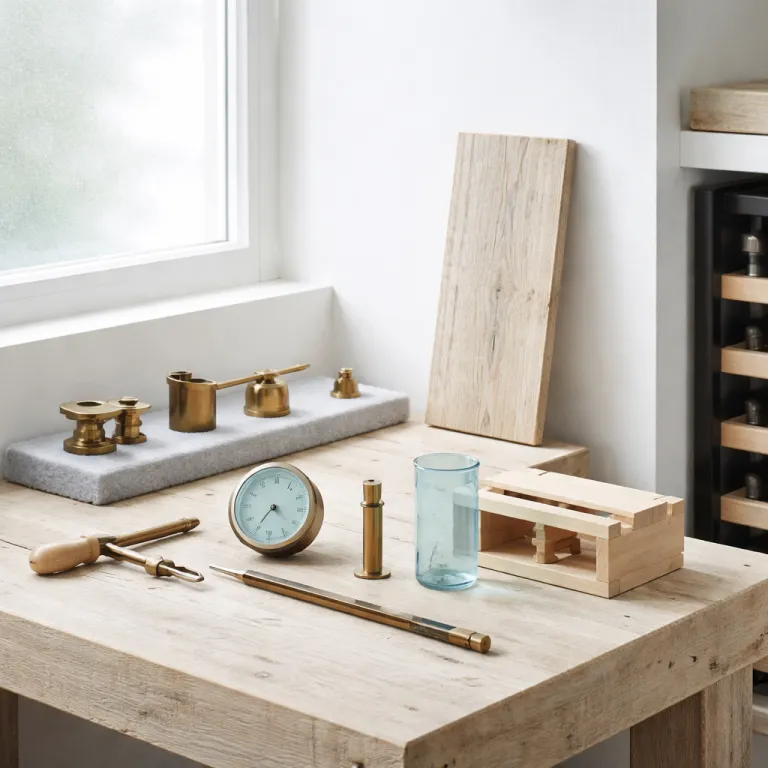
Why wine cellar materials matter more than the floor plan
Every serious wine cellar starts with materials, not with mood boards. The way you choose wood, stone, glass and insulation will decide whether your wine storage quietly protects bottles for the long term or slowly sabotages them. A beautiful wine room that ignores temperature stability, cellar cooling and vapor barrier details will always age worse than a modest space built around the right wine cellar materials.
Think of the cellar as a controlled ecosystem where every surface affects cooling efficiency and humidity retention. The walls, the ceiling and even the cellar door either help the cooling system hold a steady temperature or force the cooling unit to work harder, shortening its life and risking wine stored near hot spots. Most residential cellars aim for 55°F–58°F (about 13°C–14°C) and 55%–70% relative humidity, ranges supported by Wine Spectator storage guidance and ASHRAE Handbook – Fundamentals chapters on thermal comfort and refrigerated spaces, so any material choice that undermines those targets directly affects how evenly your wine collection will be cooled, how securely bottles will be stored and how quietly the cooling units will run over decades.
Good design decisions start with physics, then move to aesthetics. Dense, well insulated wall assemblies with a continuous vapor barrier keep the wine room stable so the cooling systems can operate in their ideal range without cycling constantly. In many projects, that means framing with cavity insulation that delivers at least R‑19 in walls and R‑30 or higher at the ceiling, plus a sealed polyethylene or smart membrane on the warm side of the assembly to control vapor drive. Once that envelope is correct, you can layer in wine racks, glass wine panels, stained wood accents and stone details that match your taste while still letting you store wine safely for the long term.
Pre‑build checklist for a durable wine cellar
- Confirm target conditions: 55°F–58°F and 55%–70% RH (per Wine Spectator and ASHRAE storage guidance).
- Set minimum insulation: typically R‑19 walls and R‑30+ ceilings, adjusted for your climate zone using local energy code tables.
- Estimate glass percentage of the enclosure so you can size the cooling unit for the extra heat gain.
- Plan a continuous interior vapor barrier with sealed seams, outlets and penetrations.
- Use manufacturer sizing charts from WhisperKOOL, CellarPro or similar brands to match cooling capacity to room volume, insulation and glass area.
Mahogany, oak and the real story on wood wine racks
For the actual wine rack structure, traditional hardwoods still earn their place. Mahogany and oak remain the benchmark wine cellar materials because they tolerate cellar humidity, resist warping and hold fasteners securely even when fully loaded with bottles. In a compact wine closet or a full dedicated wine room, these woods give wine racks the dimensional stability that cheaper options rarely match, a point echoed in product literature and installation notes from established cellar builders such as Vineyard Wine Cellars and Baroque Design.
Between species, finish matters more than marketing claims. A properly sealed or lightly stained mahogany wine rack will shrug off minor spills, while unfinished softwood racks can wick cellar wine drips into the grain and stain permanently. Oak wine racks with a low sheen finish also handle the micro abrasions from sliding bottles in and out, which keeps the wine storage looking consistent even as the wine collection grows and the wine stored on each shelf rotates. Many professional installers specify catalyzed lacquer or conversion varnish systems because they cure hard, off‑gas quickly and stand up to the 55%–70% humidity band typical of conditioned wine rooms.
Engineered panels such as MDF are the weak link in many budget wine cellars. MDF racking swells when exposed to high humidity from wine cooling units and can sag under the weight of full bottles, especially in tall wall mounted racks. If you are planning a compact build, study detailed wine closet design guidance so you can pair solid wood racks with the right cooling system and insulation strategy instead of relying on decorative but fragile materials; case studies from custom cellar firms and warranty reports from rack manufacturers routinely show MDF failures within a few seasons when used in actively cooled spaces.
Reclaimed wood, stone and the risks behind the rustic look
Design trends have pushed reclaimed wood and natural stone to the front of many wine cellar mood boards. Used thoughtfully, these wine cellar materials can turn a simple storage room into a character rich wine room that feels anchored and timeless. The challenge is that reclaimed wood and porous stone interact with humidity, temperature swings and spilled wine very differently from dense hardwood racks, so they demand more careful specification and maintenance.
Reclaimed wood always arrives with a moisture history that most vendors never discuss. Boards salvaged from exterior barns may have absorbed decades of water, then dried unevenly, which means they can twist when reintroduced to the stable humidity of a cellar cooling environment. If you want reclaimed accents near wine racks or along a feature wall, insist on kiln dried stock, then seal every face so the wood does not act as an unintended vapor barrier breach or a mold friendly sponge behind bottles. Many builders follow guidance similar to ASHRAE moisture control recommendations in the Handbook – Fundamentals by back‑priming boards, sealing cut edges and leaving a small drainage and ventilation gap behind decorative cladding.
Stone is more predictable, but only if you choose the right type. Slate and honed limestone generally tolerate wine cooling conditions and occasional spills, while polished marble can etch and stain from a single glass wine splash left overnight. When you integrate stone with wood racks and crates, consider using robust wine crates and modular boxes as part of the design so you can keep the most delicate wine bottles away from porous surfaces that might telegraph stains into the room over time; a detailed guide on how wine crates elevate storage and ritual can help you plan this layer carefully. Many stone suppliers publish absorption rates, porosity classifications and stain resistance data on their datasheets, which you can review alongside cellar design articles from Wine Spectator to confirm that your chosen material suits a humid, cooled environment.
Glass, metal and the new palette of hardware and doors
Glass and metal details now define many modern wine cellars, especially when the cellar sits within a living space. Large glass wine partitions and fully glazed cellar doors let you showcase the wine collection while keeping the cooling system hidden in the background. The risk is that poorly specified glass or hardware can turn the wine room into a display case that looks refined but performs like a greenhouse, driving up heat gain and creating temperature gradients that threaten long term wine storage.
Start with the glass itself. Use insulated, low emissivity glass units in any wall or cellar door that separates conditioned wine storage from a warmer room, and insist on perimeter gaskets that maintain the vapor barrier. Single pane glass leaks both temperature and humidity, forcing the cooling unit to run harder and creating condensation lines that stain stained wood trims and nearby racks. Many cellar specialists recommend double glazed units with a U‑factor around 0.30–0.35 and low‑E coatings similar to those described in residential energy codes and ASHRAE envelope guidance, which helps the cooling system maintain a stable 55°F interior without oversizing.
Metal choices have shifted from bright chrome toward bronze and copper with intentional patina. In a cellar, that patina is not just an aesthetic; it is a chemical reaction accelerated by humidity from wine cooling systems and the slightly acidic environment created by corks and bottles. Bronze and copper pulls, label rails and accent strips can look superb against dark wood racks and stone, but they will spot and darken unevenly unless you either accept a fully aged look or specify clear coated hardware that slows the process; when you plan elegant wine room doors and hardware, match the metal finish to how much change you are willing to see over the next decade. Stainless steel, by contrast, remains relatively stable and is often used for cooling unit grilles and structural brackets where low maintenance is a priority.
Building a layered material palette that lasts a decade or more
Once you understand how each material behaves, you can assemble a layered palette that supports both performance and style. A resilient specification for a dedicated wine cellar usually starts with framed walls packed with high density insulation, a continuous interior vapor barrier and moisture resistant wall board behind any visible finishes. That envelope lets the cooling systems hold a stable temperature with less effort, which protects the wine stored on every rack and shelf and aligns with the moisture control principles outlined in ASHRAE handbooks and building science guides.
Inside that shell, combine primary and secondary materials with clear roles. Use mahogany or oak for the main wine racks and any structural wine storage, then reserve reclaimed wood for non load bearing accents away from direct bottle contact. Add slate or honed limestone at floor level where spills are likely, and keep polished stone or delicate metals higher on the wall where they will not be exposed to frequent glass wine traffic or drips from opening bottles. A simple planning checklist many cellar designers use is: confirm target temperature and humidity, verify insulation R‑values and vapor barrier continuity, then assign each material to either structure, finish or accent so that no decorative choice undermines the core storage conditions.
For hardware and access, specify a well sealed cellar door with insulated glass, quality gaskets and hinges rated for the door’s full weight so the unit does not sag and break the air barrier. Pair that with a right sized cooling unit or ducted cooling system that can handle the room volume, the amount of glass and the expected heat load from adjacent spaces; manufacturers such as WhisperKOOL, CellarPro and other specialty brands publish sizing charts and load calculation worksheets that factor in these variables. When all these wine cellar materials work together, you get a quiet, even environment where you can store wine for the long term, expand your wine collection without redesigning the space and trust that the cellar cooling equipment will not be fighting against the very surfaces you chose for beauty.
Quick comparison: common wine cellar materials
| Material | Pros | Cons |
|---|---|---|
| Mahogany / Oak | Stable in humidity, strong for racking, takes stain well | Higher cost than softwoods or MDF |
| MDF / Particleboard | Low upfront price, smooth painted finish | Swells in damp cellars, prone to sagging under bottle weight |
| Reclaimed Wood | Distinctive character, sustainable story | Variable moisture content, needs careful sealing and prep |
| Slate / Honed Limestone | Durable, slip resistant, handles spills well | Heavier to install, some varieties require periodic sealing |
| Insulated Low‑E Glass | Showcases collection, controls heat gain better than single pane | Still adds load to cooling system, higher material cost |
| Stainless / Bronze / Copper | Robust hardware, suitable for humid environments | Bronze and copper patinate; stainless can look colder in traditional rooms |
FAQ
What are the most reliable materials for long term wine storage racks ?
For long term wine storage, solid hardwoods such as mahogany and oak remain the most reliable materials for wine racks. They handle cellar humidity, support the weight of full bottles and work well with both through wall cooling units and ducted cooling systems. Avoid MDF or unsealed softwoods for any wine rack that must store wine in a fully conditioned wine room, a recommendation echoed in many custom cellar case studies, Vineyard Wine Cellars and Baroque Design product specifications and manufacturer installation manuals.
Is reclaimed wood safe to use inside a climate controlled wine cellar ?
Reclaimed wood can be safe inside a climate controlled wine cellar if it is properly kiln dried, inspected for pests and sealed on all sides. Unsealed reclaimed boards with an unknown moisture history can warp or harbor mold when exposed to the stable humidity created by cellar cooling equipment. Use reclaimed wood mainly for decorative wall panels or trim, and keep primary wine storage on stable hardwood racks so that the structural elements follow the same best practices described in ASHRAE moisture control and interior finish guidance.
How much glass is too much in a cooled wine room ?
Glass can work well in a cooled wine room as long as it is insulated, low emissivity and fully gasketed within the wall or door system. Large areas of single pane glass increase heat gain, which forces the cooling system to run more often and can create temperature gradients near the glass. If you want extensive glass wine displays, size the cooling unit for the extra load and keep the most valuable bottles away from the warmest zones; many cooling manufacturers provide sizing tables and online calculators that account for high glass percentages and help you avoid underpowered equipment.
Which metals hold up best around wine cooling systems ?
Stainless steel, bronze and copper all hold up structurally around wine cooling systems, but they age differently in a humid cellar. Stainless stays relatively unchanged, while bronze and copper develop patina that can be either desirable or distracting depending on the design. Chrome plated fixtures tend to spot and pit more quickly, so they are less suitable for long term use in active wine cellars, a pattern noted in both hardware datasheets and long running residential cellar projects.
Do I really need a vapor barrier behind the cellar walls ?
A continuous vapor barrier behind the cellar walls is essential for any conditioned wine storage space. It prevents warm, moist air from migrating into the cooler wine room, where it would condense and stress both the insulation and the cooling units. Without a proper barrier, you risk hidden moisture damage in the wall assembly and unstable temperature and humidity for the wine collection; ASHRAE handbooks and building science references consistently highlight this detail as critical for any cooled interior room.
References
ASHRAE Handbook – Fundamentals (moisture control, building envelope and refrigerated spaces chapters); Baroque Design technical notes on custom wine cellar construction and racking materials; Vineyard Wine Cellars product specifications for mahogany and oak racking systems; Wine Spectator articles on ideal wine storage temperature and humidity; manufacturer datasheets and sizing charts from WhisperKOOL and CellarPro on wine cellar cooling unit selection, glass load factors and recommended insulation levels.
