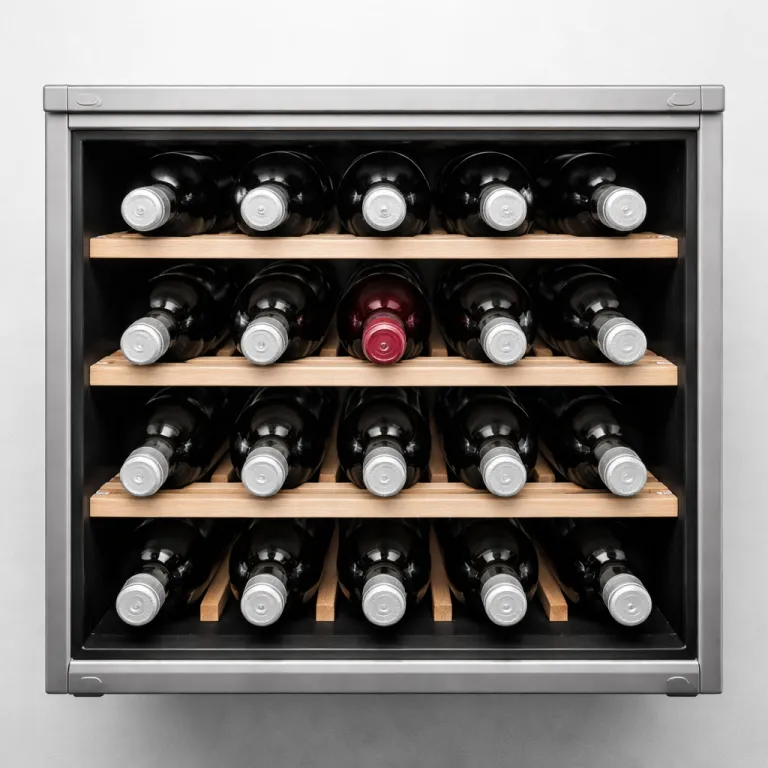
Rethinking the classic cellar number for home wine storage
Most guides repeat that every wine should age at about 12 °C, yet that single number rarely matches how a small home collection is actually used. When your wine storage is a compact wine fridge in the kitchen rather than a deep underground wine cellar, the right temperature range must balance serving needs with realistic long term storage. A practical home wine temperature strategy starts from how often each bottle is opened, which wines you drink most, and how long you truly plan on storing wine before it is served.
For mixed collections under 20 bottles, the honest question is simple. Are you mainly keeping wine stored for drinking within a year, or are you aiming for long term aging of red wines and structured white wine that might sit for five years or more? The answer will shape both the storage temperature you choose and whether a single zone or dual zone wine fridge makes more sense for your room and budget.
Traditional cellar advice assumes that most wines in your bottles are destined for decades of term storage, which is rarely true for a first time buyer. Supermarket red wine and fresh white wine usually reach peak flavor within a few years, so they benefit more from stable temperatures and correct serving temperatures than from ultra slow evolution. In this context, a home wine temperature chart that treats every bottle like a grand cru can push you toward settings that are too cold for daily drinking and too fussy for a busy room.
Why stability beats chasing the perfect degree
When you store wine at home, the biggest enemy is not a one degree error in temperature but repeated swings that stress the liquid and the cork. A compact compressor wine fridge that holds its internal temperature within a narrow band of about 2 to 3 °C will protect flavor better than a cabinet that drifts up and down every time the door opens. For long term storage, aim for a calm environment where bottles are stored away from direct light, vibration, and drafts from room temperature air.
Specialists in wine storage generally agree that a gradual shift of a few degrees over the seasons is acceptable, while daily spikes are not. If your wine cellar space or freestanding cabinet sits between roughly 10 and 15 °C across the year, and humidity stays moderate, the wine stored there will age predictably and keep its taste. What you must avoid is the over zealous owner habit of adjusting the storage temperature every weekend, which forces the compressor to cycle constantly and leaves the bottle temperature lagging behind the display.
Think of each bottle as a small thermal mass that responds slowly to change. When you twist the dial on your wine fridge from 10 to 6 °C because guests are coming, the air cools quickly but the wine stored inside may take many hours to reach the new serving temperature. A realistic home wine temperature plan accepts this lag and encourages you to plan ahead, rather than chasing instant results that can never match the physics of storing wine in glass.
Serving versus aging: what your home cooler must really do
Most first time buyers expect a single appliance to handle both long term storage and ready to pour serving, which is where many wine fridge setups fail. A small 12 bottle unit in a warm room is often packed with red wines, white wines, and sparkling wine all jostling for space, yet the display shows only one temperature. In practice, that means at least one style of wine will always be at the wrong serving temperature when it is served.
For everyday drinking, you can think of three broad serving temperatures by style. Lighter white wine and most sparkling wine show their best flavor between about 6 and 10 °C, while structured red wine prefers a serving temperature closer to 16 to 18 °C rather than true room temperature. Many modern red wines, especially fruit forward styles, actually taste fresher and more balanced when the wine served is slightly cooler than the air of a heated living room.
If you only own one small wine fridge, you must decide which wines you care most about serving at their ideal temperatures. A home wine temperature guide built for real homes suggests prioritizing white wines and sparkling wine in the cooler, while keeping everyday red wines in a darker corner of the room and chilling them briefly before dinner. This approach lets you keep the storage temperature around 10 °C, which is safe for medium term storage and close enough to the lower end of white wine serving temperatures that a short rest on the counter brings the wine’s flavor into balance.
Protecting bubbles and freshness
Sparkling wine is especially sensitive to both temperature and pressure changes, so it deserves a clear plan. When sparkling bottles are stored too warm, the dissolved carbon dioxide expands, pushing harder against the cork and raising the risk of seepage or premature loss of fizz. Keeping sparkling wine stored at the colder end of your cabinet, around 6 to 8 °C, slows this process and preserves both taste and texture.
Once a sparkling wine bottle is opened, the battle shifts from storage to preservation. A good bubbly stopper and a prompt return to the wine fridge can keep the wine served on day two surprisingly lively, especially if the storage temperature remains steady. For readers comparing options, a detailed guide to choosing the right bubbly wine stopper can be found in a dedicated article on how to keep your sparkling wine fresh with the right closure system.
Because most sparkling wines are not intended for very long term storage, you can treat them as short term guests in your wine storage plan. Rotate them through the coldest part of the cabinet, enjoy them within a year or two, and avoid stacking too many bottles on their sides where vibration from the compressor might disturb the sediment. This way, your home wine temperature rules remain simple, and each bottle is served at a temperature that flatters its flavor rather than flattening it.
The two zone recipe for mixed drinkers
Dual zone wine fridges exist for a reason, and that reason is the mixed drinker who enjoys both red wines and chilled whites in the same week. Instead of forcing every bottle into a compromise temperature, you can assign each zone a clear role that reflects how you actually store wine and how quickly it will be served. For a compact 18 bottle dual zone unit, a practical temperature layout sets the lower zone colder for serving and the upper zone slightly warmer for aging.
A reliable starting point is to run the lower zone at about 9 °C. At this temperature, white wine and sparkling wine are close to their ideal serving temperatures, while lighter red wines can be moved there for a short pre dinner chill that sharpens their flavor. The upper zone can then sit around 14 °C, which is cool enough for medium term storage of red wine and fuller white wines, yet warm enough that a bottle moved straight to the table will not taste mute or closed.
This two zone strategy works because it respects both storage and serving temperatures without overcomplicating your routine. You keep the wines you plan to drink within weeks in the lower zone, while bottles intended for longer term storage rest quietly above, away from frequent door openings. For collectors who are beginning to explore larger formats, a detailed discussion of why wine magnum bottles are a smart choice for collectors and enthusiasts can help you decide whether to dedicate part of the upper zone to these larger bottles, which respond even more slowly to changes in temperature.
Matching zones to drinking patterns
Different households use their wine fridge in very different ways, so a flexible home wine temperature guide must translate into simple presets. If you are a daily white drinker who opens one bottle most evenings, keep the lower zone at 8 to 9 °C and reserve the upper zone for occasional red wines at 13 to 14 °C. This keeps your favorite bottles ready to pour while still offering safe storage temperature conditions for the rest of your wines.
For a red heavy weekend entertainer, reverse the emphasis. Set the upper zone to about 15 °C for red wines that will be served on Friday and Saturday, and use the lower zone at 10 to 11 °C for white wine and sparkling wine that appear less often. In this pattern, you might move a bottle of red wine to the cooler zone for an hour before guests arrive, nudging the serving temperature down from warm room temperature to a more refreshing level.
If your main goal is five year aging rather than frequent pouring, treat the entire cabinet as a compact wine cellar. Run both zones at a unified 11 to 12 °C, ignore the temptation to tweak settings weekly, and accept that you will need to bring bottles to room temperature or to fridge temperature in the kitchen before serving. This approach keeps the wine stored in a calm environment, which matters more for long term storage than chasing the perfect serving temperatures inside the same appliance.
What your cooler display really tells you
Digital displays on modern wine fridges create a comforting illusion of precision, but they rarely reflect the exact temperature of the liquid in each bottle. The sensor usually measures air temperature near the evaporator or along a wall, which can differ by several degrees from the core of a tightly packed row of bottles. A realistic home wine temperature guide must account for this gap between displayed temperature and the actual conditions where wine is stored.
In a small 12 bottle unit, the top shelf near the light can run warmer than the bottom shelf by 2 to 3 °C, especially if the door is opened often. That means a white wine bottle stored high in the cabinet might sit closer to 12 °C even when the display claims 10 °C, while a red wine on the lower rack rests nearer to the intended storage temperature. Over time, these micro climates shape how each wine will age and how it will taste when served.
You can test your own wine fridge by placing a simple liquid thermometer in a glass of water on different shelves and comparing the readings to the display. This method mimics the thermal behavior of a bottle more closely than measuring air alone, giving you a clearer sense of the true temperature range inside your wine storage. Once you understand these patterns, you can assign more delicate wines or bottles meant for long term storage to the most stable spots, and keep everyday wines in the more variable zones near the door.
Why constant tweaking backfires
Many new owners fall into the trap of adjusting their wine fridge settings every time the seasons change or guests arrive. Each adjustment forces the compressor to work harder, creating cycles of cooling and warming that the bottles cannot follow instantly. Instead of protecting your wine storage, this habit can leave the wine stored in a state of constant transition, which is the opposite of what long term storage requires.
A better strategy is to choose a sensible storage temperature based on your main drinking pattern and then leave it alone for months at a time. If you know that most of your wines will be served within a year, a steady 10 to 12 °C offers a safe compromise between aging and serving temperatures. For special dinners, move a bottle to the kitchen fridge or to a cooler part of the room a few hours ahead, rather than trying to force the entire cabinet to respond overnight.
This calm approach also reduces wear on the cooling system, which helps the wine fridge maintain a consistent temperature range over its lifespan. Less cycling means less vibration, which is another subtle but real benefit for storing wine that you hope to enjoy in its best flavor years from now. In the end, the most effective home wine temperature guide is the one you can follow without constant intervention.
Humidity, room temperature, and where to place your fridge
Temperature is only one part of a reliable wine storage plan, especially in smaller homes where the wine fridge often ends up in the kitchen or living room. The room temperature around the appliance affects how hard the compressor must work to keep bottles cool, which in turn influences both internal temperatures and humidity. When a unit sits in a hot corner next to an oven, the wine stored inside may experience wider temperature swings and drier air than the display suggests.
For most compact wine fridges, manufacturers typically recommend an ambient temperature range of roughly 18 to 25 °C. Within this band, the cooling system can maintain a stable storage temperature without running constantly, which helps keep internal humidity at a moderate level that protects corks. If the room is much warmer, the unit may dry the air as it cycles, increasing the risk that long term storage will suffer from cork shrinkage and slow oxidation of the wine.
Placement also matters for vibration and airflow. Leave a few centimeters of space around the back and sides of the wine fridge so that warm air can escape, and avoid stacking heavy objects on top that might transmit vibration to the bottles. If you are planning a kitchen renovation, you can explore elegant ways to integrate a wine rack in kitchen spaces that combine passive storage for short term use with a dedicated cooled zone for more sensitive wines.
Balancing humidity and flavor
While most small wine fridges do not offer direct humidity control, their design aims to keep relative humidity in a range that is safe for corks when the door is opened only a few times per day. If you notice that corks are drying or labels are peeling, these are signs that the internal humidity is either too low or too high for long term storage. In such cases, a simple bowl of water on the lowest shelf or a small desiccant pack can help nudge the balance back toward a healthier middle ground.
Remember that humidity affects the closure, not the liquid directly. As long as the cork remains elastic and well seated, the wine stored behind it will keep its flavor and structure even if the air feels slightly dry when you open the door. For screw cap bottles, humidity is less critical, which makes them good candidates for the drier spots in your wine storage, such as the upper racks or areas closest to the fan.
By paying attention to both room temperature and internal humidity, you create a more forgiving environment for storing wine across different seasons. This holistic view turns your home wine temperature guide into a broader care manual, where every bottle benefits from thoughtful placement rather than from chasing a single magic number on the display. Over time, you will learn which shelves suit which wines, and your collection will reward that quiet attention with more consistent flavor when each bottle is finally served.
Simple settings for common drinking patterns
Translating theory into practice is where many readers feel stuck, so it helps to end with a few clear, pattern based settings. These are not rigid rules but starting points that you can refine as you taste how your own wines respond to different temperatures. The goal is to align storage temperature with how long each bottle will stay in the fridge and how you prefer your wines to taste when they are served.
If you are a daily white drinker with a small mixed collection, set a single zone wine fridge to about 10 °C. This keeps white wine and sparkling wine close to their ideal serving temperatures, while red wines can be moved to the counter for half an hour before dinner to warm slightly toward room temperature. For long term storage beyond three years, reserve a cooler, darker space elsewhere in the home as a makeshift wine cellar and rotate only a few bottles at a time into the fridge for near term drinking.
For a red heavy weekend entertainer using a dual zone unit, try 11 °C in the lower zone and 15 °C in the upper zone. Store wine that you plan to pour this month in the warmer upper section, where red wines will be near their preferred serving temperatures, and keep backup bottles and whites below. If your focus is primarily on aging, flatten both zones to 11 to 12 °C, accept that you will adjust serving temperatures outside the cabinet, and enjoy the peace of mind that comes from a stable, low stress environment for storing wine.
| Drinking pattern | Appliance type | Lower zone / single zone | Upper zone |
|---|---|---|---|
| Daily white drinker | Single zone | 10 °C | – |
| Daily white drinker | Dual zone | 8–9 °C | 13–14 °C |
| Red heavy entertainer | Dual zone | 10–11 °C | 15 °C |
| Five year aging focus | Single or dual | 11–12 °C | 11–12 °C |
Learning from your own bottles
No home wine temperature guide can replace your own palate, especially when you are tuning settings for a specific mix of wines. Pay attention to how the wine’s flavor changes when a bottle is served slightly cooler or warmer than usual, and adjust your routine rather than constantly changing the thermostat. Over a few months, you will develop a personal sense of the best serving temperatures for your favorite styles.
Keep simple notes on which bottles felt too sharp, too flat, or just right at different temperatures. If a white wine tastes muted straight from the fridge, let the next bottle sit in the glass for ten minutes and notice how the taste opens as it approaches a slightly higher serving temperature. For red wines that feel heavy or alcoholic at room temperature, try serving the next bottle after a short chill and see whether the balance improves.
This feedback loop turns your wine fridge from a static appliance into a tool you actively use to shape your drinking experience. By combining stable storage, thoughtful serving, and a willingness to adjust based on real tasting, you create a home wine storage system that respects both the science of temperature and the pleasure of flavor. In the end, the best home wine temperature guide is the one that helps every bottle in your care show its character when it is finally served.
Key figures on wine storage and temperature
- Professional cellar design guidelines often recommend a storage temperature between about 10 and 15 °C, with many consultants targeting roughly 12 to 13 °C as a balance between aging speed and stability for mixed collections.
- Service charts used by sommeliers typically place light white wines and rosé between 7 and 10 °C, fuller white wines between 10 and 13 °C, and most red wines between 15 and 18 °C, highlighting how serving temperatures differ significantly from long term storage conditions.
- Industry discussions of cork performance commonly suggest that relative humidity below roughly 50 % over several years can increase the risk of cork shrinkage and oxygen ingress, while levels above about 80 % raise the chance of mold growth on labels and racks.
- Manufacturer and lab tests on compact 12 to 18 bottle wine fridges often show that placing a unit in a room at around 20 °C rather than 25 °C can reduce annual electricity use by roughly 15 to 20 %, because the compressor cycles less often to maintain the same internal temperature.
- Thermal checks inside small cabinets frequently reveal vertical temperature gradients of about 2 to 4 °C between the top and bottom shelves, which means that careful placement of sensitive bottles can be as important as the overall set point.
FAQ about wine storage temperatures
What is the best temperature to store wine at home?
For most mixed home collections, a storage temperature around 10 to 12 °C offers a safe compromise between protecting wine for several years and keeping it reasonably close to serving temperatures. This range slows chemical reactions that cause premature aging while avoiding the flavor dullness that can occur when wines are kept near standard refrigerator temperatures. More important than the exact number is maintaining stability, with only slow, seasonal shifts rather than daily swings.
Should red wine be kept at room temperature or in a wine fridge?
Modern heated homes often sit at 21 to 23 °C, which is warmer than the traditional idea of room temperature for red wine. At these levels, red wines can age faster and may taste overly alcoholic when served. Storing red wine in a wine fridge at about 14 to 16 °C protects it better for the medium term and usually leads to a more balanced flavor when the bottle is poured.
Can I store white and red wines together in one small fridge?
Yes, you can store white and red wines together in a single zone wine fridge if you accept a compromise temperature. Setting the cabinet around 10 to 12 °C keeps both styles safe, then you can warm reds slightly on the counter and chill whites briefly in a kitchen fridge if needed before serving. For more precise control of serving temperatures, a dual zone unit lets you separate whites and reds into different temperature ranges.
How long can wine stay in a small wine fridge?
In a well functioning wine fridge that holds a stable temperature and moderate humidity, most everyday wines can be stored comfortably for three to five years. Beyond that, the limited capacity and potential for vibration or minor temperature fluctuations make a dedicated wine cellar or more controlled environment preferable for serious long term aging. For typical home use with bottles rotated regularly, a compact fridge is well suited to short and medium term storage.
Does opening the wine fridge door often harm the wine?
Frequent door openings cause short term spikes in internal temperature and can gradually lower humidity, especially in small units. While occasional access will not ruin wine, constantly opening the door throughout the day can erode the stability that good storage requires. Grouping your access into fewer, planned openings helps keep the internal environment more consistent and protects the wine stored inside over time.
