Why a glass wine cellar lives or dies on climate physics
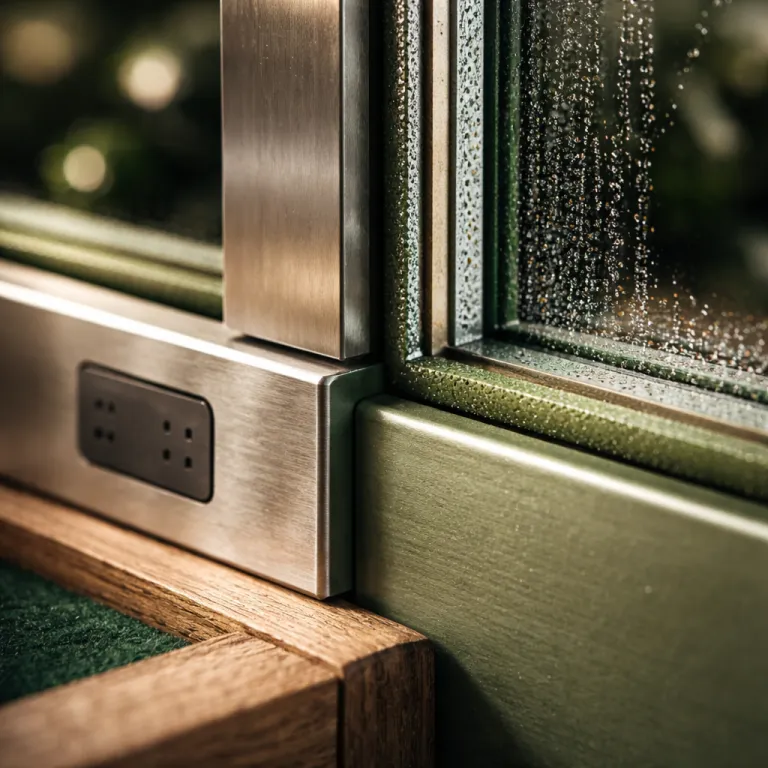
A glass wine cellar looks effortless, but the physics are ruthless. When you hold the wine room at about 12 °C and the surrounding room sits near 22 °C, any single pane of glass between those zones will run below the dew point and start to weep. That condensation then migrates into adjacent wood trims, wooden baseboards, and even marble or tile thresholds, quietly rotting the wine storage envelope from the edges inward.
For a serious wine collection, double pane insulated glass is the practical minimum for any glass enclosed wall or door. The air or argon layer between panes slows heat transfer, keeps the interior cellar glass surface warmer, and dramatically reduces the risk of condensation on both small and large wine cellars. If a contractor proposes a single pane glass wine wall for an enclosed wine room that targets 12 to 14 °C, treat that as a red flag rather than a clever cost saving idea.
Think about every interface where cold meets warm, not just the main glass wine cellar wall. Metal wine racks mounted directly to exterior walls can create thermal bridges that chill fast and sweat, especially in compact wine room conversions with one exposed wall. A careful cellar design will decouple metal wine supports from the structure, protect nearby wood wine trims, and specify insulated glass doors that match the performance of the fixed panels.
Condensation also affects finishes that seem robust at first glance. Repeated wetting at the base of a glass metal frame will stain marble tile, swell wooden thresholds, and corrode cheaper metal wine hardware. In a modern wine display where the wine rack system is the visual centerpiece, those stains and rust spots undermine the entire design within a couple of seasons.
Finally, remember that climate failures rarely appear in the first weeks after commissioning. They show up after a humid summer, when the wine cabinet door has been opened often and the seals have compressed, or when a small leak at the edge of the insulated glass has allowed moist air into the cavity. A well engineered glass enclosed wine cellar anticipates those long term stresses and protects both the wine and the surrounding finishes.
Cooling capacity and load: sizing for all that glass
Turning one solid wall into a transparent glass wine feature changes the math for cooling capacity. A typical compressor based cooling unit sized for a traditional wood framed wine cellar with insulated stud walls will be undersized once you add a full height cellar glass wall facing a warm living room. The result is a system that runs constantly, struggles to hold 12 °C, and creates uneven temperatures across the wine racks.
As a rule of thumb, when one major wall becomes glass enclosed instead of insulated framing, you should expect to increase cooling capacity by roughly 20 to 40 percent. That uplift depends on the area of insulated glass, the quality of the low emissivity coatings, and how much direct sunlight or recessed LED lighting hits the wine display. In a small wine cellar carved from a former pantry, even a single glass wine door with sidelights can justify stepping up one compressor size to maintain stable wine storage conditions.
Load is not only about the glass surface itself. A modern wine room often includes metal wine racks that present bottles label forward, open wood wine grids, and sometimes a floating wine rack wall that allows air to circulate behind the bottles. These design ideas look clean, but they also expose more of each bottle to convective air currents, which makes temperature swings more noticeable if the cooling unit is marginal.
When you plan a custom wine project, ask your installer to model the heat gain from every glass wine cellar surface, including doors, sidelights, and transoms. A credible proposal will show the BTU load from the glass, the surrounding walls, the ceiling, and even the lighting, then match that to a specific cooling unit with some headroom. This is especially important if you are enhancing your space with a glass wine wall that faces a kitchen or great room, where ambient temperatures and lighting levels tend to be higher.
Do not forget the impact of adjacent spaces on the wine cellars performance. A wine room that backs onto a garage or mechanical room will see higher background heat, which compounds the load from the glass metal assemblies at the front. Getting the numbers right at the design stage protects your wine collection and avoids the expensive retrofit of a larger unit once the wine cabinet is full and the walls are finished.
Structure, doors, and the quiet failure of bad detailing
Full height glass panels look weightless, but structurally they behave like heavy, brittle slabs. A typical fixed panel in a glass wine cellar can weigh well over 100 kilograms, which demands proper head and floor channels, lateral bracing, and careful coordination with the surrounding wood or metal framing. Undersized channels or flexible walls allow the cellar glass to rack over time, stressing seals and hinges.
Door assemblies are even more critical because they combine structure, movement, and air sealing in one element. A frameless glass wine door with minimal hardware suits a modern aesthetic, yet every millimetre of misalignment or gasket wear becomes a path for warm, moist air into the enclosed wine room. After a year or two of daily use, that small leak can raise the effective load on the cooling system and trigger the condensation problems you were trying to avoid.
Pay close attention to hinge selection and placement. Heavy glass wine doors need robust pivot or offset hinges anchored into solid blocking, not just decorative wood trims or thin metal studs. When hinges sag, the door drags on the threshold, the magnetic seals no longer compress evenly, and the wine storage envelope loses its integrity long before the cooling unit fails.
The threshold and jamb details also matter more than most homeowners expect. A continuous sill under the wine room door, ideally in stone or tile, resists moisture better than exposed wooden pieces that can swell and distort the seal line. Thoughtful designers coordinate the wine rack layout, the wine display sightlines, and the door swing so that bottles, racks, and hardware never collide.
For many projects, the safest path is to specify a purpose built wine cellar door system rather than improvising with generic patio components. A dedicated wine door package will combine insulated glass, proper gaskets, and hardware rated for the weight and duty cycle of a busy wine cabinet entrance. If you want to go deeper on this topic, look for guidance focused on enhancing your wine cellar with the perfect door, which often highlights real failure points and long term maintenance tips.
Light, UV, and materials: protecting wine and finishes
One of the main reasons people choose a glass wine cellar is the way it showcases labels under carefully tuned lighting. That same light, if poorly specified, can damage both the wine and the finishes that frame the wine display. Ultraviolet radiation accelerates chemical reactions in wine, while heat from intense lighting can create hot spots in the wine racks closest to the fixtures.
Clear, low iron glass looks spectacular because it removes the green tint of standard float glass, but on its own it does little to block UV. For a serious wine room, you want insulated glass units that combine low emissivity coatings with UV filtering interlayers or films, especially on any wall that sees daylight. Without that protection, a glass enclosed wine cellar facing a bright room can expose your wine collection to more light than a traditional wood wine cellar would ever allow.
LED lighting is the default choice for modern wine cellars, and for good reason. Quality LED strips and spots produce minimal heat, offer excellent color rendering for labels, and integrate neatly into metal wine racks, wooden wine displays, or even the edges of cellar glass panels. When designers talk about concealed edge lighting in a glass wine cellar, they usually mean LED channels recessed into the ceiling, floor, or vertical wall trims that wash light across the bottles without creating glare.
Material selection around the glass also shapes both aesthetics and durability. Marble and tile floors handle occasional drips from condensation or a pulled cork better than exposed wood, while still complementing wood wine racks or a custom wine cabinet. Metal accents, whether in the form of glass metal frames or metal wine pegs, add a modern edge but should be specified in finishes that resist corrosion in a cool, humid wine storage environment.
Even small details like the backing wall behind a wine rack deserve attention. A dark painted wall, a textured tile, or a subtle wooden slat system can all change how light plays across the bottles in a glass wine cellar. The goal is to balance drama with restraint so that the wine remains the star, while the cellars materials quietly support both performance and longevity.
Cost, scale, and when glass is worth the premium
Building a glass wine cellar almost always costs more than an equivalent enclosed wine room in stud and drywall. Once you factor in insulated glass panels, upgraded cooling capacity, specialized hardware, and careful detailing at every joint, the premium over matched millwork often lands somewhere between one third and nearly double. That spread depends heavily on the size of the wine cellars, the complexity of the wine racks, and how much structural work is required to support the glass.
Scale plays a subtle role in value. In a small wine cellar carved from a hallway niche, a single glass wine wall can transform what would have been a hidden wine cabinet into a focal point that visually enlarges the room. In larger custom wine projects, full perimeter glass enclosed walls may feel impressive but can push costs and cooling loads to the point where a hybrid approach, with one feature wall in glass and the others in insulated construction, delivers a better balance.
Think of the budget in layers rather than a single number. There is the base structure and framing, the insulated glass and doors, the cooling system sized for the extra load, the wine rack system in metal or wood, and finally the finishes such as marble, tile, and lighting. Each layer offers opportunities to tune cost without compromising the core function of stable wine storage for your wine collection.
For many homeowners, the most satisfying projects combine a strong visual gesture with disciplined engineering. A single glass metal feature wall with label forward metal wine pegs, backed by a dark tile or wood panel, can deliver the modern wine display you want while keeping the rest of the wine room more traditional and cost effective. If you want more visual inspiration on how a modern wine wall transforms a simple room into a refined wine cellar, there are detailed case studies that walk through both design and performance trade offs.
Ultimately, the decision to invest in a glass wine cellar should rest on how you plan to live with the space. If you entertain often and want your wine racks, wooden wine cases, and custom wine displays to be part of the main living areas, the premium for glass enclosed design can feel justified every time you host. If your priority is maximum bottle capacity per euro and minimal maintenance, a more conventional cellar design with selective use of cellar glass accents may serve you better over the long term.
FAQ
Is a glass wine cellar as effective as a traditional cellar for aging wine ?
A well engineered glass wine cellar can match the performance of a traditional enclosed wine room if it uses insulated glass, a correctly sized cooling system, and properly sealed doors. The key is to treat the glass surfaces as high load elements and design around their thermal behavior, rather than simply swapping them in for insulated walls. When those details are handled carefully, temperature and humidity stability can be just as reliable as in classic underground wine cellars.
What type of glass is best for a climate controlled wine room ?
For a climate controlled wine room, double pane insulated glass with low emissivity coatings is the minimum credible specification. Many designers also add UV filtering interlayers or films, especially when the glass wine wall faces daylight or strong interior lighting. Single pane glass is generally unsuitable for serious wine storage because it encourages condensation and increases cooling loads.
How do I prevent condensation on the glass walls of my wine display ?
Condensation control starts with specifying insulated glass units, then continues with accurate cooling load calculations and good air sealing at doors and frames. Keeping the surrounding room humidity in a reasonable range and avoiding cold air leaks around the wine rack area also helps. If you still see persistent fogging or drips, it usually signals either an undersized cooling unit or a failure in the door gaskets or panel seals.
Are metal wine racks suitable for a glass enclosed wine cellar ?
Metal wine racks work very well in a glass enclosed wine cellar, especially for modern label forward displays. They should be mounted with thermal breaks where possible and finished in corrosion resistant coatings to handle the cool, humid environment. Combining metal wine elements with wood wine accents or wooden wine case storage often creates a balanced look that feels both contemporary and warm.
Does a glass wine cellar always need a dedicated cooling system ?
Any enclosed wine cellar that aims to hold wine at 12 to 14 °C consistently should have a dedicated cooling system, and this is especially true for glass wine designs. Relying on general air conditioning rarely maintains the tight temperature and humidity ranges that protect a serious wine collection. Even small wine cellars with a single glass wall benefit from a properly sized, purpose built wine cooling unit.
