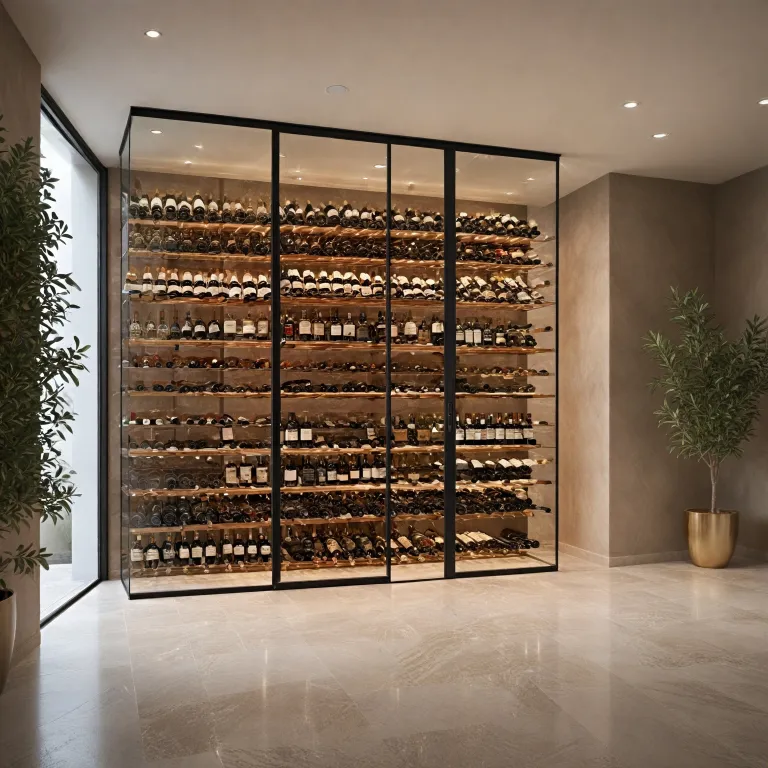
Modern glass wine cellars as architectural focal points
A modern wine cellar glass installation turns a simple wine room into architecture. In contemporary homes, a transparent wine cellar with glass panels often replaces a traditional basement cellars layout and becomes a luminous centerpiece. Carefully planned glass wine enclosures allow the wine collection to be visible while still protecting every bottle.
Design professionals now treat each wine cellar as a hybrid between gallery and functional storage. Clear cellar glass or lightly tinted glass panels frame the wine display, while discreet wine racks and wine cabinets keep the focus on labels rather than hardware. When the enclosure is well proportioned, the wine wall reads like a curated art installation in the main room.
Homeowners increasingly request custom wine solutions that integrate a glass enclosed wine room beside living areas. Instead of hiding wine storage in enclosed cellars, designers place a modern wine cellar glass enclosure along a circulation wall or near a dining space. This approach allows the wine collection to animate the room, with each wine rack and cabinet contributing to a cohesive visual rhythm.
Black metal wine racks behind clear glass create a strong graphic contrast that suits modern interiors. Slim wall wine systems can be mounted directly on a structural wall, then wrapped in a glass enclosure to form a minimalist wine closet. When combined with subtle lighting, these enclosed wine cellars provide both practical wine storage and a sophisticated design statement.
Balancing climate control and transparency in glass wine rooms
Behind every elegant modern wine cellar glass façade lies precise climate engineering. A functional wine room must maintain stable temperature and humidity, even when surrounded by large glass panels and minimal framing. This is why serious wine cellars use insulated cellar glass and carefully sealed enclosures to protect the wine collection.
Specialized glass wine enclosures rely on double or triple glazed panels with low emissivity coatings. These modern assemblies reduce heat transfer, allowing a glass enclosed wine room to perform like a traditional enclosed cellar while remaining visually open. Properly specified wine cabinets and racks then keep bottles away from direct sunlight and potential temperature fluctuations.
Mechanical systems for wine storage are often concealed in adjacent cabinets or above the enclosure ceiling. In a compact wine closet, designers may integrate a slim cooling unit into a black wall panel or custom wine cabinet to preserve the clean modern wine aesthetic. The goal is to let the wine display dominate the room while the technical components remain almost invisible.
Door systems are equally critical in glass wine cellars, because poor seals can compromise the entire enclosure. High quality hinges, gaskets, and thresholds ensure that each wine wall or glass wine cabinet maintains its internal climate. For homeowners planning a feature entrance, detailed guidance on elegant wine cellar entrances helps align aesthetics with performance.
Design strategies for integrating glass wine cellars into living spaces
Thoughtful cellar design ensures that a modern wine cellar glass feature enhances rather than overwhelms a living area. The first decision concerns placement, because a wine room should feel connected to daily life without obstructing circulation. Many architects position glass enclosed wine cellars along transitional walls, where the wine display becomes a natural backdrop.
In open plan homes, a floor to ceiling wine wall can subtly divide zones while still allowing light to pass through the enclosure. Transparent panels and black framing create a refined partition that doubles as wine storage and artful display. Within the enclosure, layered wine racks and wine cabinets accommodate both everyday bottles and prized large formats.
For smaller homes, a compact wine closet with cellar glass doors can fit under stairs or beside a kitchen. Vertical wall wine systems maximize capacity, while shallow cabinets provide hidden storage for accessories behind the main wine display. Homeowners can explore detailed under stairs wine rack ideas through resources such as refined home cellar concepts that adapt well to glass enclosures.
Entrances to glass wine rooms deserve particular attention, because the door is both a technical and aesthetic element. Expert guidance on selecting the perfect wine cellar door, such as the advice available in specialized door design resources, helps maintain climate integrity. Matching the door hardware and black framing to surrounding cabinets and racks ensures that the wine cellar reads as part of a coherent interior design.
Materials, finishes, and lighting for modern cellar glass aesthetics
The character of a modern wine cellar glass installation depends heavily on materials and finishes. Clear or low iron cellar glass offers maximum transparency, while lightly smoked panels can soften glare in bright rooms. Framing choices, especially black steel or dark aluminum, define the graphic strength of the wine wall or enclosure.
Inside the glass enclosed wine room, the palette of wine racks, cabinets, and wall panels sets the tone. Black metal wine racks paired with pale timber cabinets create a balanced contrast that highlights the wine collection. Alternatively, fully black racks and cabinets behind clear glass produce a gallery like wine display that suits very modern wine interiors.
Lighting is crucial, because poorly planned fixtures can damage wine or create distracting reflections on the glass. Designers favor low heat LED systems integrated into wall wine panels, cabinet shelves, or the ceiling of the enclosure. Gentle wash lighting across the wine wall allows labels to remain legible without exposing bottles to harsh beams.
Flooring within glass wine cellars should be durable and visually calm, allowing the wine storage to remain the focus. Stone, porcelain, or engineered timber can all work, provided they complement the surrounding room and cabinets. When all these elements align, the glass wine enclosure feels like a natural extension of the living space rather than a separate cellar.
Functional planning for serious wine collections in glass enclosures
Behind the elegance of a modern wine cellar glass room lies rigorous functional planning. Collectors must evaluate the size and growth of their wine collection before finalizing the enclosure dimensions. This assessment guides the mix of wine racks, cabinets, and wall wine systems required for efficient storage.
Many designers combine horizontal bottle display with higher density wine storage to balance aesthetics and capacity. Feature zones on the main wine wall may use label forward racks, while deeper cabinets or enclosed wine drawers hold cases. This layered approach allows a glass enclosed wine room to remain visually ordered even as the collection expands.
Accessibility is another key factor, especially in tall wine cellars with floor to ceiling racks. Step safe access, clear circulation within the enclosure, and logical grouping of regions or vintages all support daily use. In compact wine closet layouts, sliding racks or pull out cabinet shelves can improve reach without enlarging the room.
Security and maintenance also influence cellar design decisions for glass wine enclosures. Lockable doors, robust hinges, and impact resistant cellar glass protect valuable bottles while keeping the wine display visible. Easy to clean panels, well ventilated cabinets, and organized wine storage systems ensure that the modern wine cellar remains both beautiful and practical over time.
Trends and ideas shaping the future of glass wine cellars
Current trends in modern wine cellar glass design reflect a shift toward integrated living. Rather than isolated basement cellars, homeowners favor wine rooms that interact with kitchens, dining spaces, and lounges. This has led to more compact glass enclosed wine closets, wall wine installations, and multi purpose wine cabinets.
Design ideas increasingly emphasize flexibility, allowing wine storage to adapt as lifestyles change. Modular wine racks, reconfigurable cabinets, and adjustable wall panels make it easier to reshape a wine wall or enclosure. In larger wine cellars, movable display islands and sliding glass partitions can separate a tasting room from the main storage area.
Material experimentation is also expanding, with textured cellar glass, fluted panels, and mixed metal finishes appearing in high end wine rooms. Black framing remains popular, but designers now combine it with warm woods and soft fabrics to humanize modern wine interiors. These combinations keep the wine display prominent while ensuring the room feels inviting rather than purely architectural.
As homeowners become more informed, expectations around performance and aesthetics continue to rise for every wine cellar and glass wine enclosure. Thoughtful cellar design now treats the wine collection as both an asset and a storytelling element within the home. When wine storage, wine racks, cabinets, and glass panels are planned together, the resulting enclosed wine room can serve generations of wine enthusiasts with quiet confidence.
Questions people also ask about modern wine cellar glass
How does a glass wine cellar protect wine from temperature changes ?
A properly built glass wine cellar uses insulated cellar glass, sealed enclosures, and dedicated cooling systems to maintain stable conditions. Double or triple glazed panels with low emissivity coatings reduce heat transfer through the glass. When combined with airtight doors and correctly sized climate control, the wine room can match the performance of traditional enclosed cellars.
Can a modern glass wine room work in a small apartment ?
Compact glass enclosed wine closets and wall wine installations can function well in small apartments. Designers often use vertical wine racks, shallow cabinets, and slim panels to create efficient wine storage along a corridor or living room wall. With careful climate planning and discreet cooling units, even modest spaces can host a refined modern wine cellar glass feature.
What type of lighting is best for glass wine cellars ?
Low heat LED lighting is generally recommended for glass wine cellars, because it minimizes heat and UV exposure. Integrated strips in wall panels, cabinet shelves, or ceiling coves can highlight the wine display without shining directly on bottles. Dimmable systems allow the wine room to shift from functional brightness to softer ambient light for entertaining.
Are black framed glass wine enclosures just a passing trend ?
Black framed glass wine enclosures have become popular because they offer strong visual definition and pair well with many interiors. While finishes may evolve, the underlying principles of clear cellar glass, precise framing, and visible wine racks are likely to remain. Homeowners can future proof their wine cellars by choosing timeless proportions and flexible storage rather than relying solely on fashionable details.
How much maintenance does a glass wine wall require ?
A glass wine wall typically needs regular but simple maintenance, mainly cleaning the cellar glass and checking seals. Non abrasive cleaners and soft cloths help preserve clarity without scratching panels or frames. Periodic inspection of door gaskets, hinges, and cooling equipment ensures that the wine storage environment remains stable and reliable.
