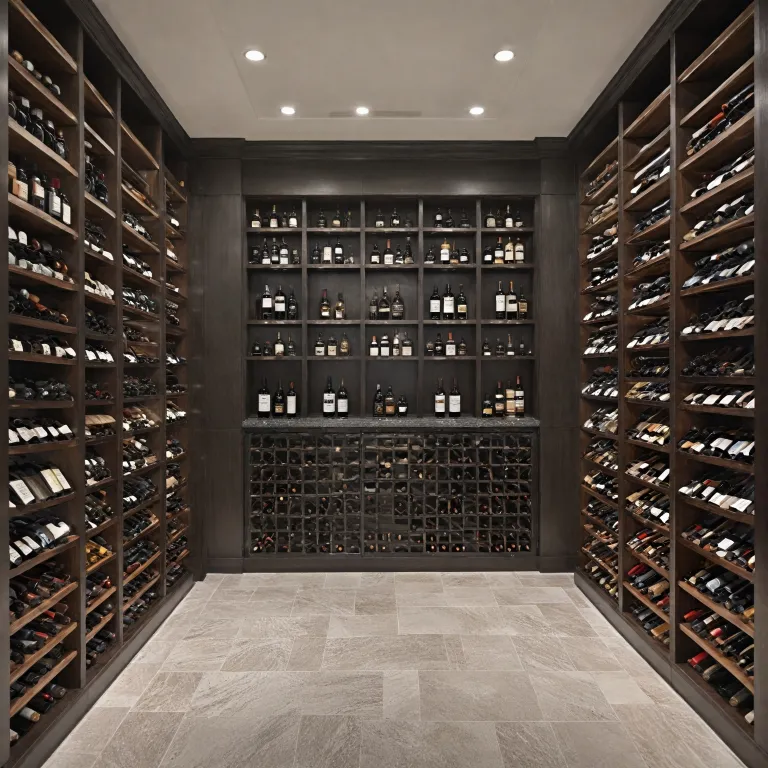
Why custom wine rack ideas matter for serious collectors
Thoughtful custom wine rack ideas help transform casual wine storage into a coherent, climate aware system. When a wine collection grows beyond a few bottles, the right rack and racks designed for stability and airflow become essential for preserving aromas and structure. A tailored wine rack also turns functional storage solutions into a focal point that reflects your taste and lifestyle.
Many homes start with a single countertop wine rack before expanding into larger wine racks that occupy unused space under stairs or along a dining room wall. As the number of wine bottles increases, people often combine wooden wine furniture with metal wine accents to balance warmth and durability. This layered approach to wine storage allows each bottle and each rack to serve both aesthetic and practical roles.
For enthusiasts who already own a wine cooler or compact wine cellar, custom wine rack ideas can bridge the gap between appliance based wine storage and architectural wine display. A small bar corner with a wood wine rack, a few racks wine modules, and a dedicated wine bottle shelf can elevate everyday meals. Over time, these custom wine solutions support a more organized wine collection and reduce the risk of misplaced bottles.
Thinking in terms of zones rather than a single product helps you plan future growth. One zone might focus on standard wine bottle formats, while another accommodates magnums or unusual shapes within flexible racks. By mapping these zones early, you avoid costly redesigns and keep your wine storage adaptable as your tastes evolve.
Design principles for custom wine racks in modern living spaces
Effective custom wine rack ideas start with an honest assessment of space, budget, and long term collecting goals. A compact apartment might rely on vertical wall racks and a slim countertop wine rack, while a larger home can integrate a semi enclosed wine cellar near the dining room. In both cases, the wine rack design should protect wine bottles from direct light, vibration, and excessive heat.
Material choice strongly influences both aesthetics and performance in wine storage solutions. Wooden wine racks bring warmth and can be built to match existing furniture, whereas metal wine racks offer slender profiles that maximize bottle capacity in tight space. Many homeowners now mix wood wine modules with metal accents to create a bar area that feels curated rather than improvised.
Standard wine bottle dimensions simplify planning, but custom wine collections often include half bottles, large formats, and unusual shapes. To handle this variety, racks designed with adjustable shelves or removable bottle supports provide valuable flexibility. When you select options for a new product, look for systems that can evolve as your wine collection changes.
For those considering a dedicated wine cellar, it is worth reviewing expert guidance on sourcing larger format wines and planning capacity. Even if you are not building a full cellar, the same principles apply to wall mounted wine racks and freestanding racks wine units. Good design anticipates growth, protects every bottle, and integrates seamlessly with the surrounding room.
Balancing aesthetics and function in wall and furniture based racks
Wall mounted wine racks remain one of the most versatile custom wine rack ideas for homes with limited floor space. A single wall can host several slim racks designed for horizontal bottle storage, creating a striking wine display that doubles as art. When planning these racks, ensure that each wine bottle rests securely and that the wall structure can support the combined weight of full bottles.
Furniture based wine storage, such as sideboards with integrated wine racks or bar cabinets, suits those who prefer a more discreet wine display. A dining room buffet with a built in wine rack can hold standard wine bottles while keeping glassware and serving pieces close at hand. This type of product often combines wood wine finishes with subtle metal wine hardware for a refined look.
For collectors who entertain frequently, a dedicated bar zone with countertop wine racks, under counter wine storage, and a nearby sink can streamline service. Here, custom wine rack ideas should prioritize quick access to frequently opened bottles while reserving deeper racks for long term aging. It is also wise to include a few racks wine modules sized for sparkling wine bottles, which are often wider than standard formats.
When your collection reaches a certain size, questions about transport and logistics naturally arise. Guidance on how to safely and legally ship wine becomes relevant for both gifting and replenishing your cellar. Integrating this logistical awareness into your wine storage planning helps ensure that new bottles move smoothly from delivery to rack without temperature shocks.
Integrating diy wine projects with professional grade storage solutions
Many enthusiasts begin with diy wine projects, building simple wood wine racks from basic lumber to house a modest wine collection. These early efforts often reveal how quickly bottles accumulate and how important stable racks become as weight increases. Over time, combining diy wine elements with professionally built racks can yield a hybrid system that balances cost and quality.
For example, you might construct a series of diy wine cubes for bulk storage of everyday wine bottles, then invest in a higher end metal wine rack for premium labels. The diy modules can occupy lower space in a closet or under stairs, while the more refined wine rack sits at eye level as a focal wine display. This layered approach ensures that each bottle finds an appropriate storage environment without overwhelming your budget.
When planning diy wine racks, pay close attention to standard wine bottle dimensions and allow a small margin for airflow. Racks designed too tightly can scrape labels or make it difficult to slide bottles in and out, especially when the rack is full. Using moisture resistant wood and corrosion resistant metal fasteners also extends the life of your diy product in a humid wine cellar.
As your skills and collection grow, you may transition from purely diy solutions to semi custom systems. At that stage, resources on choosing the right wine container and storage format can guide more advanced decisions. Blending homemade racks with modular racks wine systems ultimately creates flexible storage solutions that can adapt to changing tastes and living arrangements.
Planning a home wine cellar around custom racks and collections
A dedicated home wine cellar represents the most ambitious expression of custom wine rack ideas. Even a compact cellar carved from a basement corner can host hundreds of wine bottles when racks designed for density and airflow are used. The key is to align wine storage capacity with realistic projections of how your wine collection will grow over time.
Most cellars combine several rack types, including standard wine bottle grids, diamond bins for mixed cases, and display rows for featured bottles. Wooden wine racks often dominate these spaces because they are easy to customize and repair, but metal wine accents can highlight special sections. A balanced mix of materials and rack styles helps differentiate everyday drinking wine from long term aging bottles.
Climate control is as important as the physical wine rack structure in any serious wine cellar. Stable temperature and humidity protect cork integrity, while thoughtful rack placement keeps bottles away from vents and doors. When you select options for cooling equipment and insulation, consider how they interact with the layout of racks wine modules and circulation paths.
For households that entertain frequently, integrating a small bar or tasting counter within the cellar can be highly effective. A narrow countertop wine surface, a few stools, and accent lighting turn functional wine storage into an intimate tasting room. This arrangement encourages you to engage more actively with your wine collection, rotating bottles between cellar racks and dining room furniture as menus change.
Maximizing small spaces with modular racks and flexible storage solutions
Not every home can accommodate a full wine cellar, but modular racks make custom wine rack ideas accessible even in compact apartments. Stackable racks designed for standard wine bottles can slide into closets, under staircases, or along narrow walls. By combining several small modules, you create a scalable wine storage system that grows with your collection.
In tight urban spaces, vertical wall racks and slim metal wine frames often outperform bulky furniture. A single column of racks wine units can hold dozens of wine bottles while occupying minimal floor space. Pairing these racks with a small bar cart or floating shelf creates a functional wine display without overwhelming the room.
For multipurpose rooms such as a dining room that doubles as a workspace, flexibility is crucial. Freestanding wood wine racks on casters, compact countertop wine cradles, and foldaway bar tables allow you to reconfigure the space quickly. This approach ensures that your wine rack setup supports both everyday living and occasional entertaining.
When evaluating any product marketed as a storage solution for wine, look beyond aesthetics to structural integrity and capacity. Check that the rack can handle the weight of full racks of bottles and that the design supports true horizontal wine storage. Over time, these careful choices protect your wine collection and keep your custom wine system both beautiful and reliable.
Key statistics about custom wine storage and home cellars
- Up to 70 % of home wine collections are stored outside purpose built cellars, often in improvised racks or furniture.
- Horizontal wine storage can reduce cork drying risk by more than 50 % compared with upright bottle placement in warm rooms.
- Modular racks designed for standard wine bottles can increase capacity by 30 % in the same floor area versus mixed size shelving.
- Combining wood wine and metal wine materials in a single wine rack system can extend average rack lifespan by approximately 20 %.
- Dedicated wine cellar spaces with controlled climate show significantly lower spoilage rates than general household storage solutions.
Common questions about custom wine rack ideas
How many bottles should a beginner plan to store ?
Most beginners underestimate how quickly a wine collection grows once they start exploring new regions and styles. Planning wine storage for at least 50 to 100 wine bottles gives room for experimentation without overcrowding racks. Modular wine rack systems allow you to start small and expand as your tastes and budget evolve.
Is metal better than wood for home wine racks ?
Both metal wine and wooden wine racks can perform well when properly designed for horizontal bottle storage. Metal racks often provide slimmer profiles and higher capacity in tight space, while wood wine racks offer warmth and easier customization. The best choice usually combines both materials, using each where its strengths matter most.
Can I keep wine in the kitchen or near appliances ?
Kitchen locations expose wine bottles to temperature swings, vibration, and light, all of which can shorten a wine’s ideal drinking window. If the kitchen is the only option, place the wine rack as far as possible from ovens, dishwashers, and windows. Insulated cabinets or small wine storage units can mitigate some risks but are not equivalent to a true wine cellar.
What is the minimum space needed for a small home cellar ?
A functional home wine cellar can begin in as little as 1,5 to 2 square meters if racks designed for density and airflow are used. Floor to ceiling wine racks along two walls can hold several hundred standard wine bottles in that footprint. Adequate ventilation, insulation, and access remain essential, even in such compact storage solutions.
Are diy wine racks safe for long term storage ?
Diy wine racks can be safe when they respect basic engineering principles and standard wine bottle dimensions. Use sturdy materials, secure wall anchors, and designs that keep every wine bottle fully supported in a horizontal position. For valuable collections, many enthusiasts pair diy modules with professionally built racks to ensure long term reliability.
