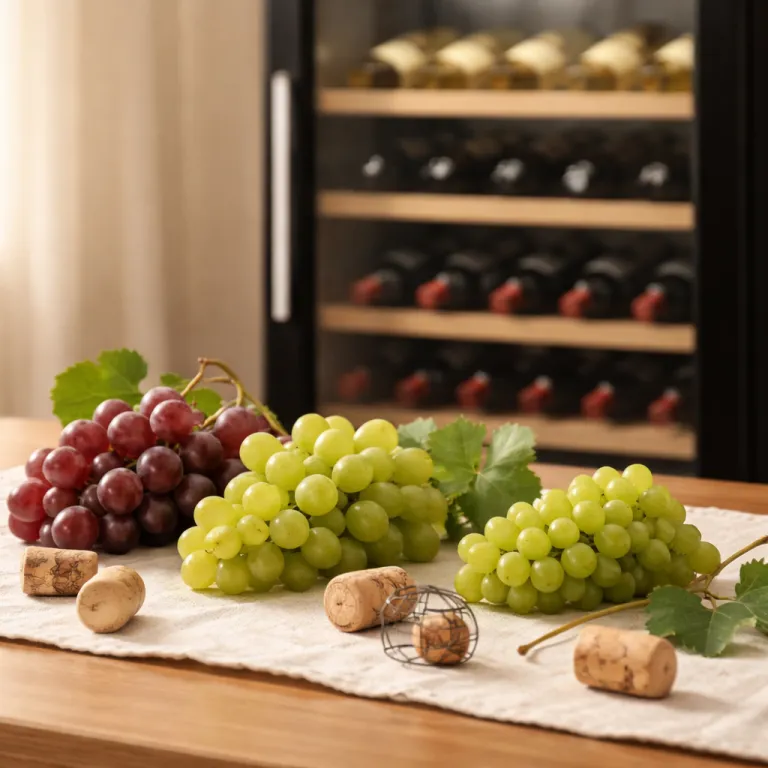
Why a dual zone wine cooler matters more than the brochure suggests
Most first time buyers choose a dual zone wine cooler because it sounds flexible. They see two temperature bands on the spec sheet, imagine perfect wine service for every bottle, then run both zones too cold or too hot for weeks. A bit of method and realistic expectations turn that same cooler into a quiet, reliable partner for everyday drinking.
Across the market, the typical upper zone in a dual zone wine refrigerator is rated from about 12 to 19 °C for reds, while the lower zone usually spans roughly 5 to 12 °C for whites and sparkling wine. Those numbers look generous on paper, yet many cooler refrigerator units struggle to hold the extremes when the surrounding room sits at 22 °C or higher. Treat the published range as the outer edges, not the temperatures you should actually use for long term storage.
Think of each zone as a different shelf in a cellar, not as a magic chamber that can do anything at any time. The upper zone wine compartment is usually better for red wine service and short term aging, while the lower zone is tuned for crisp whites, rosé and Champagne. A dual zone layout gives you two stable climates in one compact wine fridge, but it still obeys physics and compressor limits.
How the two zones really behave in a normal room
Manufacturers love to advertise that one zone can sit at 6 °C while the other holds 18 °C, yet that extreme split often pushes a dual zone wine cooler to its limits. In a typical 22 °C kitchen, most compressor based fridges will hover within about 1 to 2 °C of the set point, but only if the difference between zones stays moderate. When you force one compartment to 5 °C and the other to 18 °C, the compressor cycles more often, fan noise rises and temperature swings increase.
Look closely at the spec sheet for any wine refrigerator or wine fridge you are considering, especially if it is a built wine unit designed for under counter installation. Many dual zone fridges quote a broad range, yet independent tests often show the real working band is narrower, particularly in the upper zone built for reds. If you are browsing a 27 bottle dual zone freestanding wine cooler fridge with LED backlit black glass, for example, check how reviewers describe actual temperatures in a 22 °C room rather than trusting only the brochure.
Thermoelectric cooler refrigerator designs tend to struggle more with large splits between zones than compressor based models, especially in warmer climates. Stainless steel cabinets with good insulation and a solid steel door or double pane glass door will usually hold a steadier temperature than lighter refrigerator black shells with thin glass. Whatever the series or brand, assume the real world performance of each zone wine compartment will sit in the middle of the advertised range, not at the edges.
Set and forget temperatures for reds, whites and sparkling
For most mixed collections, the simplest approach is to treat your dual zone wine cooler as a service cabinet rather than a museum. Set the upper zone to around 13 °C for red wine and the lower zone to about 8 °C for whites and sparkling, then leave those numbers alone for everyday use. This keeps almost any bottle within a comfortable serving window without constant fiddling.
Red wine generally shows best between 14 and 18 °C, so a 13 °C upper zone in a wine refrigerator lets bottles warm slightly in the glass while still avoiding the cooked flavours that appear above 20 °C. Whites and sparkling wine feel fresher between about 6 and 10 °C, which a lower zone in a wine cooler can maintain easily without stressing the compressor. If you prefer a crisper profile, drop the lower zone to 7 °C and accept that fuller bodied whites may taste a little tight for the first few minutes.
Buyers who want a more structured setup can dedicate one zone wine compartment to aging and the other to ready to drink bottles. In that case, keep the aging zone around 12 °C and use the second zone at 8 to 10 °C for short term chilling, especially if your collection rarely exceeds 20 bottles. A 30 bottles dual zone wine cellar built in or freestanding stainless steel model with digital memory temperature control can handle this split comfortably, provided you avoid extreme 5 and 18 °C combinations.
Two overlooked layouts: aging plus drinking, or wine plus beverages
Most owners run both zones for wine, yet a dual zone wine cooler can do more nuanced work. One smart layout is to dedicate the upper zone to long term aging at 12 °C and the lower zone to drinking bottles at 9 °C, rotating wines down as they approach their peak. This mimics a small cellar with a ready rack, especially useful when your space or budget rules out a larger series bottle cabinet.
The second overlooked layout turns one compartment into a beverage fridge while the other remains a wine refrigerator. Set the upper zone wine section to 12 or 13 °C for reds and fuller whites, then run the lower zone at 4 to 5 °C for beer, soft drinks and sparkling water. Many dual zone fridges are rated for this alternate beverage oriented layout, but you still want to avoid the most extreme splits to protect compressor life.
If you entertain often, this mixed use approach can be more practical than filling every bottle dual slot with wine you rarely drink. A compact 23 bottle wine cooler in black, for instance, can handle your core collection while a separate cooler refrigerator manages overflow beverages. Think about how many bottles you actually open each week, then let that real number guide how you allocate each zone.
When a dual zone is the wrong answer
Not every collection benefits from a dual zone wine cooler, despite the marketing push. If you drink almost exclusively red wine or mostly white wine, a single zone wine fridge set to 12 or 13 °C will serve you better than a more complex dual layout. You gain more consistent temperatures across all bottles and avoid paying for a feature you rarely use.
Collectors focused on precise aging conditions across a larger number of bottles should also think carefully before choosing a dual zone wine refrigerator. When you need every bottle in the cabinet to sit at 12 °C with minimal variation, splitting the interior into two zones can introduce unnecessary gradients and fan driven air movement. In those cases, a well insulated single zone built wine unit with a stainless steel door and strong compressor is usually the more stable choice.
Space constraints can also make a dual zone layout less attractive, especially in narrow kitchens where a left hinge or right hinge wine door swing matters more than having two temperatures. A compact single zone refrigerator black model with a reversible hinge can tuck under a counter more easily than some larger dual zone fridges with fixed doors. Before committing, map your actual space, measure clearances for the door and ventilation, then decide whether two zones or a simpler layout will genuinely improve how you drink wine.
Reading specs and used listings without getting burned
Shopping the used market for a dual zone wine cooler can save money, but only if you read the listing like a technician. Start by checking the stated temperature range for each zone, then ask the seller what temperatures they actually ran in a 22 °C room and whether both compartments reached and held those numbers. If the upper zone never cooled below 15 °C or the lower zone struggled to stay under 10 °C, assume the compressor or control board is already tired.
Look for clear photos of the interior layout, paying attention to how many bottles each series bottle shelf can truly hold with standard 750 ml bottles rather than just the marketing capacity. Curved shelves, thick stainless steel trim and chunky steel door frames all eat into real bottle dual capacity, especially with Champagne or Burgundy shapes. If the listing mentions a specific series such as an Allavino FlexCount or Reserva Series, search for the original manual to confirm the intended zone wine ranges and any known failure points.
Finally, treat the unit price and any quoted price unit with the same skepticism you would apply to a used car. A very low price for a stainless steel dual zone wine refrigerator with a glass door and digital controls often signals past temperature problems or noisy fans. Ask directly about compressor noise, door seal condition and whether the refrigerator stainless cabinet ever iced up, then walk away if the answers feel vague or rushed.
Key figures on dual zone wine coolers
- Dual zone models now account for well over half of household wine cooler purchases in the United States, reflecting a clear shift toward flexible storage for mixed collections.
- Typical upper zones in compressor based wine fridges are designed to operate between roughly 12 and 19 °C, while lower zones usually span about 5 to 12 °C for whites and sparkling wine.
- Advanced dual zone wine refrigerators aim for temperature accuracy within about 0.5 to 1 °C of the set point, but real world performance often depends heavily on room temperature and ventilation.
- Alternate beverage oriented layouts commonly run the wine zone between 7 and 18 °C and the beverage zone between 1 and 10 °C, allowing one cabinet to handle both wine and soft drinks.
FAQ about dual zone wine coolers
What temperatures should I set on a dual zone wine cooler for everyday use ?
For most mixed collections, set the upper zone to around 13 °C for reds and the lower zone to about 8 °C for whites and sparkling wine. These values keep almost any bottle within a comfortable serving range without constant adjustment. If you prefer crisper whites, you can lower the bottom zone to 7 °C while leaving the top unchanged.
Can I use one zone for wine and the other for beer and soft drinks ?
Yes, many dual zone wine refrigerators are well suited to a mixed layout with one compartment for wine and the other for beverages. A common setup is 12 or 13 °C in the wine zone and 4 to 5 °C in the beverage zone, which keeps reds and fuller whites comfortable while chilling beer and soft drinks properly. Just avoid extreme splits such as 5 and 18 °C, which can stress the compressor and increase noise.
Is a dual zone wine cooler necessary if I only drink red wine ?
If you drink almost exclusively red wine, a single zone wine fridge is usually the better choice. Set it to around 12 or 13 °C and you will have stable conditions for both short term storage and serving. A dual zone layout adds cost and complexity without delivering much benefit when your collection is so focused.
How many bottles can I realistically fit compared with the stated capacity ?
Stated capacities on wine coolers often assume only standard 750 ml Bordeaux shaped bottles, packed tightly on every shelf. In real use, Champagne, Burgundy and oddly shaped bottles reduce that number by 15 to 30 percent, especially in compact series bottle designs. When planning, assume you will fit about three quarters of the advertised capacity comfortably.
What should I check when buying a used dual zone wine refrigerator ?
Ask the seller which temperatures they actually used in each zone and whether the cabinet reached and held those values in a normal room. Inspect door seals, listen for compressor and fan noise, and look for signs of condensation or ice buildup inside. If the unit struggles to cool one zone or shows uneven temperatures across shelves, it is safer to keep looking.
