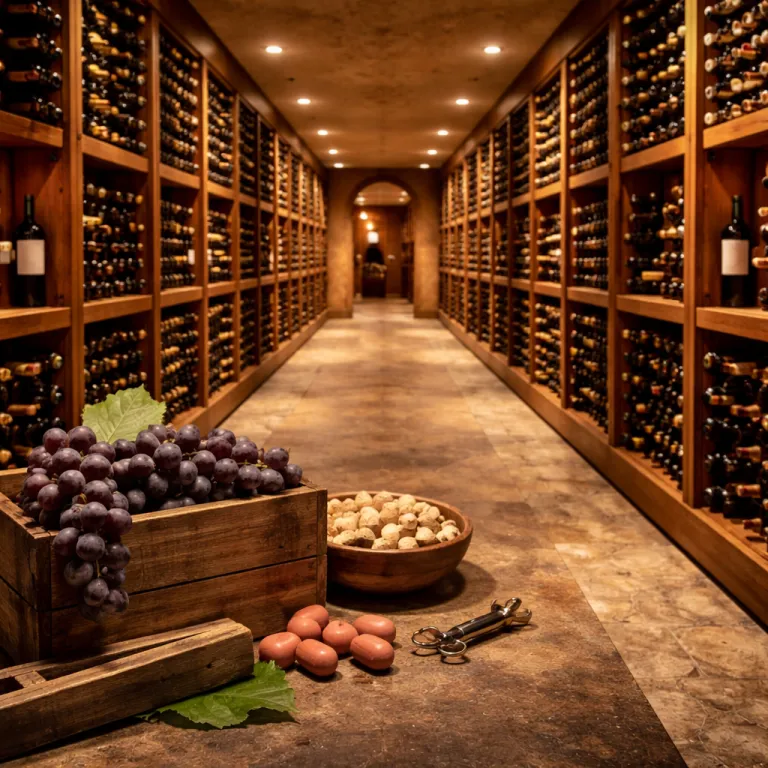
Why layered wine cellar lighting matters more than you think
Wine cellar lighting is not decoration first, it is preservation first. A well planned light layout protects every wine bottle while still flattering the cellar, the wine room and the adjacent bar or dining room. When you treat lighting as part of the cooling and wine storage system rather than an afterthought, your wine cellars stay stable, your cellar design feels intentional and your investment in custom wine cabinetry actually shows.
Every serious cellar, from compact kitchen wine wall to full basement wine cellars, now leans on three layers of light. The ambient layer shapes the room, the accent layer sculpts each wine rack and the functional layer lets you work safely around glass, metal and wood wine elements. Get those layers wrong and you either cook the cellar wine slowly with heat and UV, or you end up with a gloomy storage room that hides your best bottles and wastes the potential of your rustic wine or mid century inspired design.
The physics are simple but unforgiving, because light always brings some heat into enclosed cellars wine spaces. Even efficient LED light fixtures add watts that your cooling unit must remove, especially in a tight bay under stairs or a sealed industrial style wine room. When you multiply that by 30 or 40 fixtures around metal wine displays, a wine barrel tasting island and a long wall of wine racks, the extra cooling load becomes a real BTU number that can shorten equipment life if you ignore it.
Layer one: ambient light that flatters wood and metal without harming wine
Ambient wine cellar lighting should feel like a soft glow that defines the room envelope rather than a spotlight on any single wine rack. The most reliable way to achieve this is with concealed LED strips at the ceiling perimeter and low along the floor, which wash gently across stone, glass and wood wine surfaces without shining directly on a wine bottle. Aim for a warm 2700 K to 3000 K colour temperature so the light does not cast a cold tint that makes oak racks, metal accents and farmhouse textures look grey or washed out.
In a traditional cellar with arched bays and vintage brick, tucking LED tape into coves above each bay creates a rhythm of light that guides the eye along the cellars without ever hitting the labels. A beach house wine room with white shiplap and a central island can use the same approach, running continuous strips around the ceiling to frame the space while keeping the wine storage itself in softer shadow. Even in a compact kitchen bar niche, a single ambient strip hidden above the glass door of a small wine cellar cabinet can separate the wine wall visually from the rest of the kitchen lighting.
Because this ambient layer usually runs the longest, it is where efficiency and heat output matter most for long term cellar wine stability. Choose low wattage LED light fixtures, calculate the total watt load and confirm that your cooling system can handle the extra BTUs alongside the baseline heat from compressors and nearby rooms. If you are already close to capacity, it is worth reading a detailed guide on how humidifiers and cooling units share the workload in a sealed cellar, such as the analysis of different wine cellar humidifier types on Wine Cooler Guru, before you lock in the final cellar design.
Layer two: accent lighting on racks, bottles and glass that stays wine safe
Accent wine cellar lighting is where most of the drama lives and where most of the risk hides. This layer includes LED strips recessed into the front edge of each wine rack, tiny spots aimed at a feature wine wall and linear lights that graze down a panel of textured glass or metal wine shelving. Because these accent beams often hit the wine bottle directly, they must be specified with strict UV and heat limits to avoid slowly degrading cellar wine over years.
For edge lit wine racks, choose LED tape or rigid bars with documented low UV emission and keep them behind a small lip so the light grazes the rack rather than the labels. A run of accent lights along a rustic wine display made from reclaimed wine barrel staves can look spectacular, but only if the fixtures sit far enough forward that the beam skims the wood wine texture and not the glass of the bottles. In a mid century inspired wine room with metal pegs and a floating island, use narrow beam spots to highlight just a few hero bottles while leaving the bulk of the wine storage in softer ambient light.
Glass fronted wine cellars and bar cabinets need special care, because clear glass invites you to over light the interior. If you are planning a wall of glass doors or a compact under counter unit, study how the better glass door wine coolers manage internal lighting and UV control, as outlined in the comparative reviews of top glass door wine coolers on Wine Cooler Guru. The same principles apply to a full size cellar with a glass bay facing a dining room ; you want the room side bright and the interior lit just enough to read labels, with accent light fixtures on dimmers so you can dial them down during long storage periods.
Layer three: functional task light for working in the cellar
The third layer of wine cellar lighting is the one most homeowners forget until they are trying to read a tiny back label in the half dark. Functional light is the bright, honest illumination you switch on briefly when pulling cases from deep storage, decanting at a bar counter or checking inventory in a tight bay behind the main wine wall. It does not need to be beautiful, but it must be controllable, cool running and positioned so it does not bake a row of wine racks while you work.
In a dedicated wine room with a central island or tasting table, a single ceiling mounted task fixture on its own switch is often enough. Choose a low profile LED panel or track with adjustable heads, keep the colour temperature aligned with your ambient layer and aim the beams toward work surfaces rather than directly at cellar wine shelves. A farmhouse style cellar with a reclaimed wine barrel table might use a simple metal pendant as the task light, provided it hangs low enough that the strongest light falls on the tabletop and not on the surrounding wine storage.
Smaller spaces like under stair cellars or kitchen alcove wine cellars benefit from discrete task strips under shelves or along the underside of an island overhang. These functional light fixtures should be wired to a separate switch or scene so you can keep them off during normal display mode, extending LED life and reducing cumulative heat in compact cellars wine spaces. When you plan switching this way, you get a calm, atmospheric look for guests in the dining room and a bright, practical mode for inventory days, all without compromising the long term health of the wine.
Specifications that keep layered lighting safe for wine and cooling units
Once the three layers of wine cellar lighting are sketched, the technical specifications decide whether the system is truly wine safe. Start by insisting on LED products with published UV emission data and choose models that keep output in the longer wavelength range, because shorter wavelengths accelerate reactions in bottles exposed to direct light. For accent fixtures that shine directly on a wine bottle or glass door, look for either integrated UV filters or LEDs specifically rated for museum or gallery use, where light sensitive materials face similar risks.
Heat load is the second non negotiable specification, especially in tightly sealed wine cellars with glass fronts and dense wine storage. A single 5 watt LED strip seems trivial, but forty such light fixtures around a large wine wall, bar area and perimeter ceiling add 200 watts of continuous heat that your cooling unit must remove. Convert that to BTUs per hour, compare it with the margin on your cooling system and, if the numbers are tight, either reduce fixture count or lower wattage before you finalise the cellar design.
Control hardware is the last piece that makes layered lighting usable rather than theatrical. Put ambient, accent and task lights on separate dimmers, and in larger cellars consider a simple scene controller so you can move from service mode to storage mode with one button. Thoughtful switching means you can enjoy a softly lit industrial style wine room off the kitchen during dinner, then leave only the coolest, lowest level ambient light on when the space returns to being a working cellar overnight.
Practical layouts for different styles of wine cellars and rooms
Every style of wine cellar and wine room can support layered lighting, but the layout shifts with the architecture. A compact kitchen wine wall beside an island might rely on vertical ambient strips at each side, subtle accent lighting within the wine racks and a shared ceiling task light that also serves the adjacent bar. In a larger basement cellar with multiple bays, you can treat each bay as a module, repeating the same combination of ambient coves, rack edge lights and a central task fixture so the cellars feel coherent from one end to the other.
Farmhouse and rustic wine spaces often feature heavy wood wine beams, stone and perhaps a repurposed wine barrel as a tasting table, which all respond well to warm, grazing light. Run ambient strips along the tops of beams, add a few carefully aimed accent spots to pick up texture on the rack faces and keep functional light to a single, dimmable pendant over the work surface. A mid century or industrial cellar with exposed metal, concrete and glass can push the design further, using linear LEDs to outline a wine wall and slim, black metal wine fixtures to echo the architecture while still respecting UV and heat limits.
In open plan homes where the dining room, kitchen and wine cellars share sightlines, think about how the cellar lighting reads from each space. You may want the wine storage to glow softly behind glass when viewed from the dining table, while remaining visually calm from the kitchen so it does not compete with task lighting over the island. Planning those views early, alongside cooling, humidity control and even details like glass suction cup hardware for safe cleaning of illuminated panels as discussed in Wine Cooler Guru’s guide to suction cups for glass, results in a cellar that works as both a serious storage room and a daily pleasure.
FAQ
How bright should wine cellar lighting be for everyday use ?
For everyday use, aim for low to moderate brightness that lets you navigate safely without spotlighting every wine bottle. Ambient strips at 10 to 30 percent dimmer levels usually provide enough light in most wine cellars while keeping heat and UV exposure low. Reserve higher brightness levels for short periods when you are organising wine storage or hosting a tasting in the wine room.
Is any type of LED safe for use in a wine cellar ?
Not every LED is automatically safe for cellar wine, because some emit more UV and generate more heat than others. Look for LEDs with documented low UV output and high efficiency, and avoid products designed for plant growth or high impact retail displays. When in doubt, choose fixtures marketed for museums or galleries, since they are engineered to protect light sensitive materials in enclosed rooms.
Can I use natural light from a window in my wine room ?
Direct natural light is rarely compatible with serious wine storage, even in cooler climates. Windows introduce UV, heat swings and glare on glass, all of which work against stable conditions in wine cellars. If a window is unavoidable, use deep overhangs, exterior shading and UV filtering glass, and keep wine racks and wine walls well away from the direct light path.
Do I really need separate switches for different lighting layers ?
Separate switches or dimmer zones for ambient, accent and task lighting make the cellar far more flexible in daily use. This layout lets you keep only the coolest, lowest power lights on during long storage periods while still having bright functional light available when needed. It also allows you to tune the mood in the dining room or bar area without compromising the conditions around the wine bottle collection.
How does lighting affect the sizing of a wine cellar cooling unit ?
Every watt of lighting inside a sealed wine cellar becomes heat that the cooling unit must remove. When you add dozens of light fixtures, the cumulative wattage can add several hundred BTUs per hour to the cooling load, which may push a marginal system beyond its comfort zone. Good practice is to calculate total lighting wattage, convert it to BTUs and confirm that the chosen cooling system has enough capacity to handle both that load and the baseline heat from the surrounding rooms.