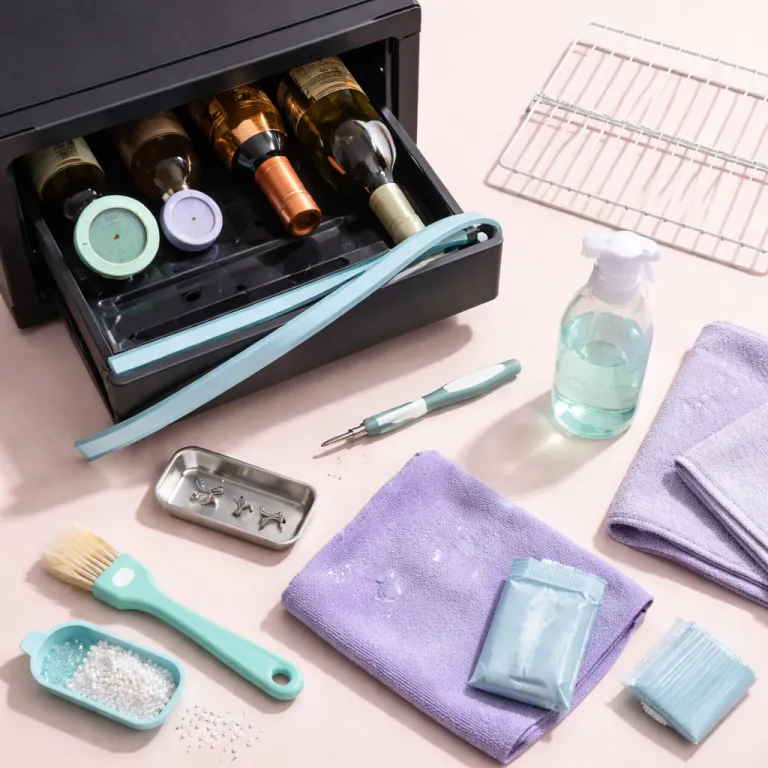
Wine cellar spring maintenance: the stress test your collection needs
Why spring is the stress test for your wine cellar
As outside heat ramps up, your wine cellar quietly becomes a stress lab. When temperature and humidity start drifting, the entire storage system works harder and small maintenance gaps turn into real threats to wine quality. A short spring cleaning routine keeps temperature fluctuations, volatile acidity risks, and long-term cellar conditions under control before summer arrives.
Think of wine cellar spring maintenance as a seasonal service for your collection, not a cosmetic chore. Your cooling system, door seals, and interior sensors all age faster when heat and humidity levels spike, especially in regions with long, hot summers. A 15- to 25-minute performance check, based on common residential HVAC guidance, Wine Guardian–style maintenance intervals, and typical wine cooling unit manuals, protects wine, reduces strain on the cooling unit, and stabilizes storage conditions for both red and white wines.
For a home wine enthusiast with a 20- to 60-bottle wine collection, the goal is simple. You want a cellar or compact cooling unit that holds a steady temperature–humidity balance while you forget about it for months. Done right, wine cellar spring maintenance means your wines will ride out the hottest weeks without you hearing the compressor groan or worrying about corks drying out, while still staying within the operating ranges most manufacturers recommend for long-term storage.
The five step spring checklist that actually matters

Step 1: clear condenser dust for healthier cooling
Dust on the condenser coil is one of the most common causes of early compressor failure in consumer wine coolers, and spring is when that dust finally shows up as extra heat. Unplug the cooling system, pull the unit gently away from the wall if it is freestanding, and vacuum the rear or bottom grille with a soft brush to restore efficient cellar cooling. Cleaner coils mean the cooling unit reaches target temperature faster, reduces temperature fluctuations, and keeps cellar conditions stable for your wines.
Built-in wine cellars with integrated systems often hide the condenser behind cabinetry, so cellar maintenance here means removing the toe-kick panel and checking for lint mats. In hot, dusty homes where air carries more particles, this single maintenance step can extend the service life of the cooling system by several seasons, a point echoed in many technician service bulletins, manufacturer maintenance guides, and ASHRAE-style preventive maintenance summaries that recommend coil cleaning at least every three to six months. Whether your system is a compact compressor cooler or a ducted cellar cooling system, this is the one spring cleaning task you should never skip unless your specific manufacturer explicitly advises a different procedure.

Step 2: test door seals and light leaks
Next, inspect door seals by closing the wine cellar door on a sheet of paper and gently tugging it. If the paper slides out easily at any point, warm air can leak in, forcing the cooling unit to cycle more often and destabilizing temperature–humidity control. Replace worn gaskets or adjust hinges so the door seals evenly, especially on larger wine cellars where even small gaps can change humidity levels along the racks.
Look for light leaks around the frame, then check any interior LED strips for UV output that might affect wine quality over years. Most modern systems use low-UV lighting, but older strips or decorative lights can still add unnecessary heat and light stress to a wine collection. During wine cellar spring maintenance, reposition or shield any lights that shine directly on bottle labels or clear glass, because those spots warm faster than the rest of the cellar and can create microclimates that undermine otherwise stable storage conditions.

Step 3: verify temperature probes and interior conditions
Every cellar system relies on at least one temperature probe, and if that probe drifts, the displayed temperature can lie while wines slowly warm. Place a reliable digital thermometer in the middle of the wine collection, away from the cooling column and door, then compare it to the system readout after the door has stayed closed for at least an hour. If you see more than 1 to 2 °C difference, recalibrate if your system allows it or note that the cooling system may need professional service, following the troubleshooting steps in your unit’s technical documentation and manufacturer maintenance guides.
Repeat this check at different shelf heights, because stratified heat can create hidden temperature fluctuations that affect white wines on top and red wines below differently. In small cellars or compact cellars built under stairs, poor air circulation can mean the back corner runs several degrees warmer than the probe location. Wine cellar spring maintenance is the right moment to adjust fan settings, add a small circulation fan if your system supports it, or reorganize bottles so the most fragile wines sit in the most stable storage conditions.

Step 4: confirm humidity levels for cork health
Humidity between roughly 60 and 70 percent keeps corks elastic and reduces evaporation, which is critical for protecting wine over multiple summers. Use a standalone hygrometer to cross-check the humidity levels reported by your cellar system, then adjust any built-in humidifier or passive water tray to keep the range steady. Too low and corks shrink, inviting oxygen and volatile acidity issues; too high and labels wick moisture, mold grows, and bottle presentation suffers.
In homes where air conditioning runs hard, ambient humidity can drop quickly, so enclosed wine cellars often need more active humidity maintenance. If your cooling unit includes humidity control, clean or replace any drip pads or wicks as part of spring cleaning, following the manufacturer guidance and Wine Guardian technical recommendations for that specific system. For passive cellars without mechanical systems, a simple open water container near the cooling column can help, but monitor closely so cellar conditions do not creep into the mold-friendly zone.

Step 5: inspect labels, racks, and bottling placement
Finally, scan the racks for bottles pushed directly against the cooling column or vents, because those wines will see more aggressive temperature swings. Pull them a few inches forward so air can circulate evenly, and rotate any bottles whose labels show signs of moisture wicking or mildew. This quick reorganization step keeps your wine collection visually clean and reduces the risk that one corner of the cellar experiences harsher conditions than the rest.
Use this moment to group white wines and delicate bottles in the most stable central zones, leaving the edges for sturdier reds or everyday wines. If you track your collection digitally, update positions so you are not hunting in the dark when service time comes. Wine cellar spring maintenance should leave you with a cellar that feels calmer, more organized, and ready for both casual weeknight service and special-occasion bottle pulls.
Filters, drip pads, and what to clean now versus later
How often to replace filters and drip pads
Most serious cellar cooling systems use air filters to keep dust off coils and drip pads to manage condensate, and both are easy to ignore until performance drops. As a rule of thumb, plan a visual inspection monthly, replace drip pads every three to six months, and schedule annual service for integrated units that are built into walls or cabinetry. Spring is the ideal moment to reset that calendar so your wine will face the hottest months with fresh filtration and reliable drainage.
A filter that looks gray but still shows open mesh is usually just dusty and can be vacuumed gently, while one that appears matted, warped, or smells musty should be replaced outright. In hot, dusty regions where airborne dust and pollen spike in spring, filters in wine cellars near kitchens or exterior doors may clog faster than the manufacturer’s generic schedule suggests, a pattern frequently noted in HVAC and ASHRAE maintenance literature that often assumes three-month intervals for light-duty filters. During wine cellar spring maintenance, err on the side of over-maintaining these inexpensive parts, because a choked filter forces the cooling unit to run longer, raising both heat output and energy use.
What to clean now, and what to leave alone
There is a hard line between smart spring cleaning and risky over-cleaning inside a working wine cellar. Wiping down racks, vacuuming the floor, and gently dusting bottle shoulders are all safe as long as you keep the door closed as much as possible and avoid moving the entire wine collection at once. What you should not do in spring is deep clean the interior of a cooling unit mid-cycle or pull a fully loaded freestanding system away from the wall for a full relocation.
Moving a fully loaded unit stresses the compressor mounts, risks kinking refrigerant lines, and can shock bottles that have settled quietly for months. If you must reposition a cellar system, plan it for a cooler season and decant the wines into temporary storage first, keeping temperature–humidity as stable as possible. For now, focus wine cellar spring maintenance on surface-level cleaning, airflow, and sensor checks, not on disruptive projects that can unsettle both the system and the wines.
Recognizing early warning signs in storage conditions
While you are near the cooling system, listen for new noises such as rattling, grinding, or short cycling, where the compressor turns on and off rapidly. These sounds often signal airflow problems, failing fans, or control board issues that will only worsen as outside heat rises. Catching them during spring maintenance gives you time to schedule professional service before the first real heat wave hits your cellar.
Also pay attention to small pools of water near the unit, which can indicate clogged drains or misaligned drip trays that compromise humidity levels and overall cellar conditions. If your wine cellar sits over finished flooring, even minor leaks can damage both the structure and the cooling system’s electrical components. A quick check now is a simple form of protecting wine and protecting your home at the same time.
How spring maintenance protects wine chemistry and summer peace of mind
Why stable temperature and humidity matter for wine chemistry
Behind every quiet bottle in your cellar, slow chemistry continues, and that chemistry is highly sensitive to temperature and humidity. Repeated temperature fluctuations accelerate reactions that drive volatile acidity, flatten aromas, and push wines toward premature aging, especially in delicate white wines. By keeping storage conditions steady through wine cellar spring maintenance, you are not pampering the system; you are directly shaping how your wine will taste in future years.
Malolactic fermentation, the process that converts sharper malic acid into softer lactic acid, usually finishes before bottling, but residual activity can still respond to heat spikes in poorly controlled cellars. Inconsistent cellar cooling can wake up dormant microbes, nudging wine chemistry in directions the winemaker never intended, a concern often highlighted in GuildSomm and enology training materials. Stable temperature–humidity control is therefore less about gadget obsession and more about honoring the original bottling decisions that defined the wine’s style.
Regional stress points: why texas cellars need extra vigilance
Collectors in Texas face a harsher test than those in milder climates, because outside heat and long cooling seasons push systems harder. A wine cellar in Dallas or Houston may see the cooling unit cycling for most of the day once summer arrives, magnifying any small maintenance gaps from spring. That is why cellar maintenance here should treat condenser cleaning, door seal checks, and humidity verification as non-negotiable steps, not optional extras.
In many Texas homes, wine cellars share walls with garages or exterior spaces that trap heat, so insulation and system sizing matter more. If your cooling system seems to run constantly even after spring cleaning, consider whether the unit is undersized for the volume and heat load of the cellar. Wine cellar spring maintenance is a good time to log run times and interior temperature, then discuss those data points with a specialist if the system never seems to rest.
The one line summer check if you skip everything else
If life gets busy and you ignore most of this checklist, give yourself one simple rule for midsummer. On the first truly hot evening, stand in front of your wine cellar, confirm that the displayed temperature matches a separate thermometer within a degree or two, and listen to the cooling unit for a full cycle. If the system cannot pull the cellar back to its set point within about 20 minutes under typical household conditions, or if humidity levels have drifted far from your target range, plan a deeper maintenance session as soon as possible and review your unit’s operating recommendations.
That quick audit will not replace full wine cellar spring maintenance, but it can still catch failing fans, refrigerant issues, or door seal leaks before they ruin a prized wine collection. Think of it as an emergency backstop for protecting wine when the season is already stacked against stable cellar conditions. With a little attention at both spring and peak summer, your wines will rest quietly while outside heat does its worst.
Key statistics for wine cellar spring maintenance
- Humidity targets around 60 to 70 percent are widely recommended to maintain cork elasticity and reduce evaporation in long-term wine storage, a range supported by Wine Guardian technical guidance and similar cellar design references.
- Dust accumulation on condenser coils is identified by many service technicians and HVAC maintenance guides as a leading cause of premature compressor failure in consumer wine cooling systems.
- Regular visual inspections at least once per month help catch airflow blockages, water leaks, and temperature probe issues before they affect wine quality, aligning with preventive maintenance schedules in ASHRAE-style best practices.
- Replacing drip pads or humidifier wicks every three to six months supports stable humidity levels and reduces the risk of mold growth inside wine cellars, especially in tightly sealed storage rooms.
- Annual professional service for integrated or ducted cellar cooling systems significantly extends equipment life and improves overall storage conditions, according to many manufacturer and installer recommendations.
Frequently asked questions about wine cellar spring maintenance
How often should I perform wine cellar spring maintenance tasks?
A focused wine cellar spring maintenance session once per year is enough for most home collectors, as long as you also perform quick visual checks monthly. Use spring for deeper work such as condenser cleaning, door seal inspection, and humidity verification, then keep an eye on temperature–humidity readings the rest of the year. If you live in a very hot or dusty climate, consider a lighter follow-up maintenance pass at the end of summer.
What temperature and humidity levels should my wine cellar maintain?
For mixed collections, aim for a cellar temperature around 12 to 14 °C with humidity levels roughly between 60 and 70 percent. That range balances cork health, slow aging, and protection against volatile acidity issues without overworking the cooling system. The key is not chasing a single perfect number but avoiding rapid temperature fluctuations and long periods of very dry air.
Do I need a professional to service my wine cellar cooling unit?
Most routine wine cellar spring maintenance, such as cleaning condenser coils, checking door seals, and verifying sensors, can be handled by a careful homeowner. You should call a professional if you notice persistent temperature drift, unusual noises, ice buildup on lines, or water leaks that do not resolve after basic cleaning. Integrated or ducted systems built into walls or ceilings also benefit from scheduled annual service, because access and diagnostics are more complex.
Is it safe to move my wine cooler during spring cleaning?
Moving a fully loaded wine cooler or cellar system is not recommended during spring cleaning, especially once the cooling unit is running regularly. Shifting a heavy, stocked unit can stress internal components and disturb sediment in older bottles that you are protecting for long-term enjoyment. If you must relocate the system, empty the wine collection into temporary storage and plan the move for a cooler period.
How can I tell if my cellar’s humidity control is working correctly?
Use an independent hygrometer placed near the center of the cellar to cross-check the humidity reading from your cooling system or controller. If the two measurements stay within about 5 percentage points over several days, your humidity control is likely performing well. Larger gaps, visible mold, or drying corks indicate that you should adjust settings, service the humidifier components, or consult a specialist in cellar conditions.
Trusted references for further reading
- Wine Guardian – technical guidance on wine cellar temperature and humidity management for residential and commercial storage.
- American Society of Heating, Refrigerating and Air-Conditioning Engineers (ASHRAE) – standards and handbooks on environmental control in storage spaces and conditioned rooms.
- GuildSomm – educational resources on wine chemistry, aging, and storage best practices for sommeliers and serious collectors.
Printable 20-minute spring maintenance checklist
- Condenser coils: unplug, access grille, vacuum dust (about 5 minutes).
- Door seals and light leaks: paper test, adjust hinges, shield lights (about 3 minutes).
- Temperature probes: place thermometer, compare readings, note drift (about 4–5 minutes of active time).
- Humidity check: set hygrometer, confirm range, adjust trays or settings (about 2–3 minutes).
- Bottle placement: pull bottles off vents, regroup fragile wines to center (about 5–7 minutes).
Print this list, tape it inside a cabinet near your cellar, and repeat the same quick routine every spring so your wine collection enters summer with stable, well-documented storage conditions.
