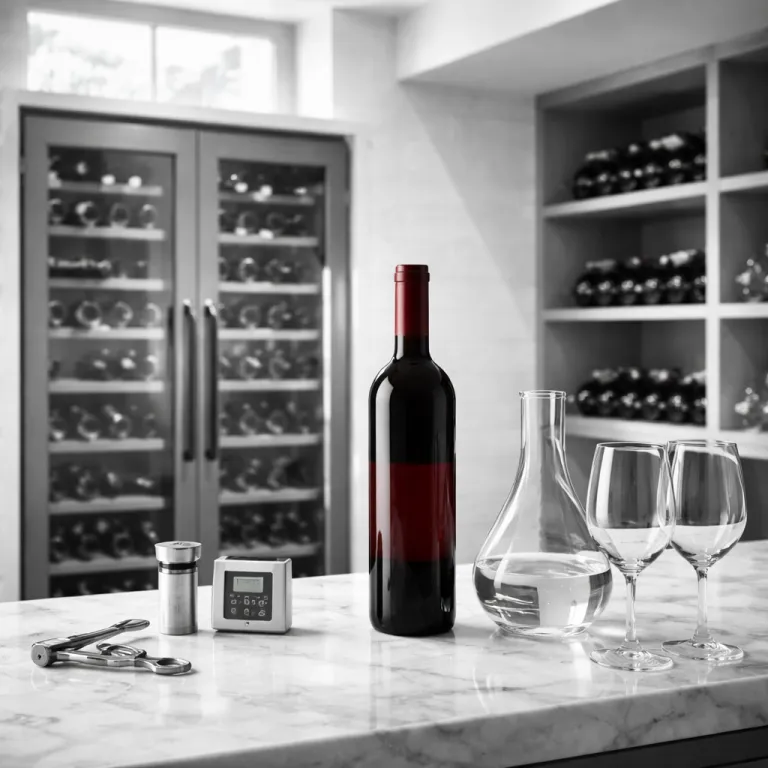
Transforming a basement into a refined wine cellar room
Turning a basement into a dedicated wine cellar room starts with a clear plan. Thoughtful wine cellar ideas for basement projects balance aesthetics, technical constraints, and long term wine storage performance. Every decision about design, storage, and cooling should protect each bottle while enhancing daily enjoyment.
Begin by assessing the basement structure, because not all cellars offer the same stability for temperature and humidity. A successful basement wine project usually requires insulation on walls and ceilings, a vapor barrier, and a properly sized cooling unit to maintain a steady temperature between 11 °C and 15 °C. This careful cellar cooling strategy prevents fluctuations that can damage wine and also reduces energy waste over time.
When reviewing cellar ideas, map the available space and identify obstacles such as columns, ducts, or low beams. Even a small cellar basement can host efficient wine racks, a tasting bar, and discreet storage if the layout is optimized. Smart design ideas turn awkward corners into functional wine storage zones instead of dead space.
Think of the basement cellar as a living room for bottles, not just a utility area. A well planned wine cellar in a basement often includes a compact wet bar, a comfortable chair, and layered lighting for ambiance and safety. These wine cellar ideas for basement conversions help the room feel welcoming, encouraging you to open, recork, and revisit bottles rather than hiding them away.
Core design principles for stable wine cellars in basements
Reliable wine storage in a basement wine cellar depends on controlling temperature, humidity, and light. The best wine cellar ideas for basement renovations therefore start with technical design, then move to decorative choices. Without this foundation, even the most beautiful wine cellars risk premature aging or spoilage of valuable bottles.
Insulation and vapor barriers are essential in any cellar basement because they stabilize the envelope around the room. Once the shell is prepared, you can select a cooling unit or multiple cooling units sized to the volume of the space and the level of insulation. Correctly specified cellar cooling avoids overworking equipment and keeps temperature changes within a narrow, bottle friendly range.
Humidity control is equally important for every wine cellar and for all custom wine projects. Aim for 60 to 70 percent humidity to protect corks, labels, and wooden wine racks from cracking or mold. In some basements, a separate humidifier or dehumidifier may be needed to support the main cooling system and maintain consistent cellar wine conditions.
Light and glass also require careful thought in modern wine cellars located below ground. If you use glass doors or glass partitions, choose insulated, UV resistant glazing to protect wine storage while showcasing the room. For inspiration on refined access solutions, many homeowners study elegant wine room doors for refined cellars and modern interiors that combine security, insulation, and visual impact.
Maximizing small basement spaces, closets, and under stair areas
Not every home has a large basement cellar, yet even a small space can host an impressive wine room. Many of the most creative wine cellar ideas for basement conversions focus on compact layouts, closet wine solutions, and under stair wine storage. With careful cellar design, these modest areas can rival larger cellars in both capacity and style.
A small wine room carved from a hallway closet or utility nook can still maintain proper temperature and humidity. Slim depth wine racks, floor to ceiling storage, and a narrow bar ledge create a functional cellar basement without obstructing circulation. When space is tight, vertical design ideas and modular racks help every bottle find a secure position.
Under stair zones are particularly valuable for ideas basement projects that must respect existing architecture. By combining custom wine shelving with glass panels, you can transform unused voids into striking modern or rustic wine displays. For detailed inspiration, many homeowners consult under stairs wine rack ideas for a refined home cellar that show how to integrate storage seamlessly.
Closet wine conversions in basements require the same attention to cellar cooling as larger rooms. A compact cooling unit or ducted system can maintain stable temperature in these small cellars, provided insulation and sealing are handled correctly. With the right design ideas, even the humblest basement wine corner can function as a serious wine cellar and a stylish extension of the living space.
Balancing modern and rustic aesthetics in basement wine rooms
Visual character matters as much as technical performance when planning wine cellar ideas for basement spaces. Homeowners often choose between a modern wine room aesthetic and a rustic wine cellar atmosphere, or they blend both styles. The goal is to create a cellar basement that reflects personal taste while still prioritizing wine storage fundamentals.
Modern wine cellars typically emphasize clean lines, glass, and metal wine racks. In a contemporary basement wine room, frameless glass walls, integrated LED lighting, and a minimalist bar counter can make the cellar feel like an art gallery. This approach works especially well in smaller rooms, where reflective glass and bright lighting visually expand the space.
Rustic wine cellars lean on natural materials such as stone, reclaimed wood, and wrought iron. Exposed stone walls, timber beams, and warm lighting create a cellar wine ambiance reminiscent of traditional European cellars. Rustic wine elements pair beautifully with a wet bar clad in wood and a tasting table that invites slow, thoughtful enjoyment.
Many of the most successful cellar design ideas combine modern and rustic wine details. For example, a stone accent wall can sit behind sleek metal wine racks, while a glass door reveals the contrast from the adjacent room. By repeating key materials and colors between the basement cellar and the rest of the home, you ensure that the wine room feels integrated rather than isolated.
Technical choices for racks, cooling units, and lighting design
Every serious wine cellar in a basement relies on well chosen equipment and fixtures. When comparing wine cellar ideas for basement projects, pay close attention to wine racks, cooling units, and lighting because these elements directly affect both storage capacity and bottle safety. A coherent plan for these components transforms a simple basement room into a professional grade cellar.
Wine racks should support bottles horizontally, protect labels, and fit the available space. In a small cellar basement, mixed depth racks, corner modules, and display angles can increase wine storage without crowding the room. Custom wine solutions allow you to adapt rack design ideas to unusual walls, low ceilings, or structural columns.
The choice of cooling unit depends on the size and insulation level of the basement cellar. Through the wall systems suit compact cellars, while split or ducted cooling units work better for larger wine cellars where noise and vibration must be minimized. Proper cellar cooling installation, including drainage and electrical planning, ensures stable temperature and humidity for years.
Lighting design should highlight wine racks and architectural features without overheating bottles. Use LED fixtures with low heat output, dimmers for mood control, and accent lighting for the bar or tasting area. For guidance on handling opened bottles within this carefully controlled environment, many enthusiasts consult resources on simple ways to recork wine and keep it fresh, integrating everyday habits with long term cellar care.
Planning layouts, tasting zones, and practical basement circulation
Thoughtful layouts turn abstract wine cellar ideas for basement projects into comfortable, efficient spaces. Start by defining circulation paths from the main house to the basement cellar and within the room itself. Clear routes reduce the risk of accidents while carrying bottles and make the wine room feel inviting rather than cramped.
Divide the cellar basement into functional zones for wine storage, tasting, and support tasks. High density wine racks can occupy the coolest walls, while a compact bar or wet bar anchors the social area. A small table and two chairs often suffice to transform a purely technical wine storage room into a welcoming wine cellar lounge.
Consider how the basement wine room connects visually to adjacent spaces through doors or glass partitions. If the cellar opens onto a larger entertainment room, align materials, colors, and lighting to create a coherent design language. These integrated ideas basement strategies help the wine cellar feel like a natural extension of the home rather than an afterthought.
Practical details such as floor drains, non slip flooring, and discreet storage for glassware and tools also matter. Allocate a closet or cabinet within the basement cellar for accessories, manuals for the cooling unit, and maintenance supplies. By addressing both aesthetics and logistics in your cellar design ideas, you create wine cellars that are beautiful to visit and effortless to manage over time.
Key statistics about basement wine cellars
- Target temperature for long term wine storage in cellars typically ranges between 11 °C and 15 °C, with daily fluctuations ideally kept under 1 °C.
- Recommended relative humidity for a stable wine cellar environment usually falls between 60 percent and 70 percent to protect corks and labels.
- Dedicated cellar cooling systems are often sized based on room volume in cubic metres, insulation quality, and expected heat load from lighting and adjacent rooms.
- In many residential projects, small basement wine rooms and closet wine conversions can efficiently store between 150 and 500 bottles when using high density wine racks.
- LED lighting in modern wine cellars commonly reduces heat output and energy consumption compared with traditional halogen fixtures, supporting more stable storage conditions.
Common questions about wine cellar ideas for basement spaces
How much space do I need for a functional basement wine cellar ?
A functional basement wine cellar can start from as little as 2 to 3 square metres if the layout is carefully planned. By using floor to ceiling wine racks and compact bar surfaces, even a small cellar basement can store a meaningful collection. The key is to prioritize circulation, cooling, and humidity control before adding decorative elements.
Can I turn an existing basement closet into a wine room ?
Many homeowners successfully convert a basement closet into a dedicated wine storage room. The process usually involves adding insulation, a vapor barrier, and a suitable cooling unit to maintain stable temperature and humidity. With thoughtful cellar design and appropriate lighting, a closet wine space can feel like a miniature professional cellar.
Do I really need a cooling unit for my basement wine cellars ?
Most serious wine cellars in basements benefit from a dedicated cooling unit, even in naturally cool climates. Basements often experience seasonal temperature swings that can stress wine over time, especially for long term storage. A properly sized cellar cooling system ensures consistent conditions and protects your investment in both wine and custom wine cabinetry.
What is the best lighting approach for a basement wine room ?
The best lighting for a basement wine room uses LED fixtures with low heat output and adjustable brightness. Combine general lighting for safe movement with accent lighting on wine racks, stone walls, or the bar area. Avoid direct sunlight and high heat sources, which can undermine the stability of the wine cellar environment.
How can I balance modern and rustic styles in my basement cellar ?
Balancing modern and rustic styles in a basement cellar starts with choosing a dominant theme, then adding contrasting accents. For example, you might pair sleek glass doors and metal wine racks with a stone feature wall and warm wooden bar. Repeating a limited palette of materials and colors throughout the wine cellar helps the mixed design feel intentional and harmonious.