Understanding temperature, zone design, and capacity in compact units
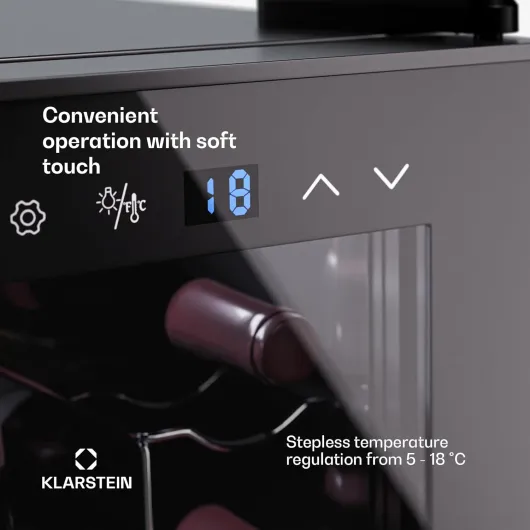
The heart of any wine cooler is its temperature control, which must be more precise than a typical kitchen fridge. Most experts recommend a temperature range between 11 °C and 14 °C for mixed wine storage, although sparkling wine and some whites benefit from slightly cooler settings. A reliable wine refrigerator should hold this range with minimal fluctuation across the entire interior zone.
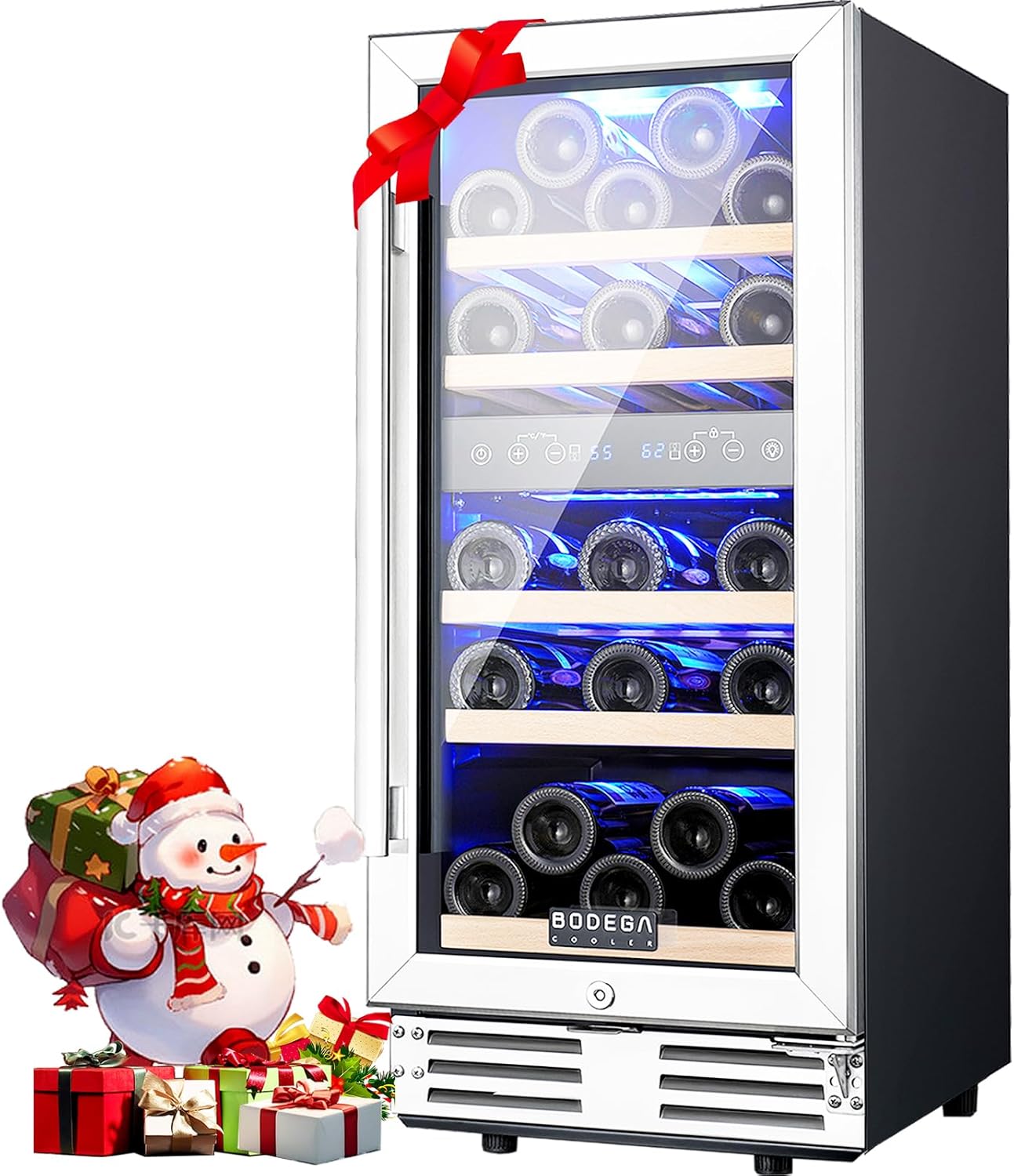
Small wine coolers come in both single zone and dual zone configurations, and the choice depends on how you drink wine. A single zone wine fridge keeps all bottles at one stable temperature, which is ideal for long term cellaring of red wine or a private reserve of similar styles. By contrast, a dual zone wine fridge separates the interior into two temperature zones, allowing you to keep reds slightly warmer and whites or beverage cans cooler.
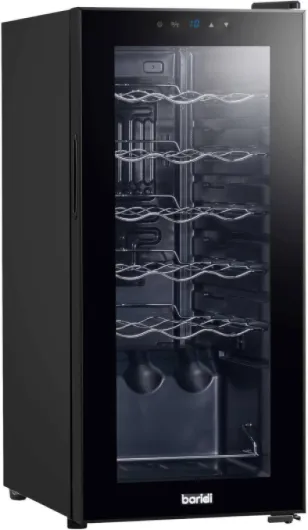
Capacity is another critical factor when comparing compact wine fridges and beverage coolers. Manufacturers often list capacity in bottles, but the real number of bottles depends on the mix of standard and larger formats. When you select a fridge wine model, check whether the racks can be adjusted to accommodate multiple bottle shapes without blocking airflow or forcing the door to press against labels.
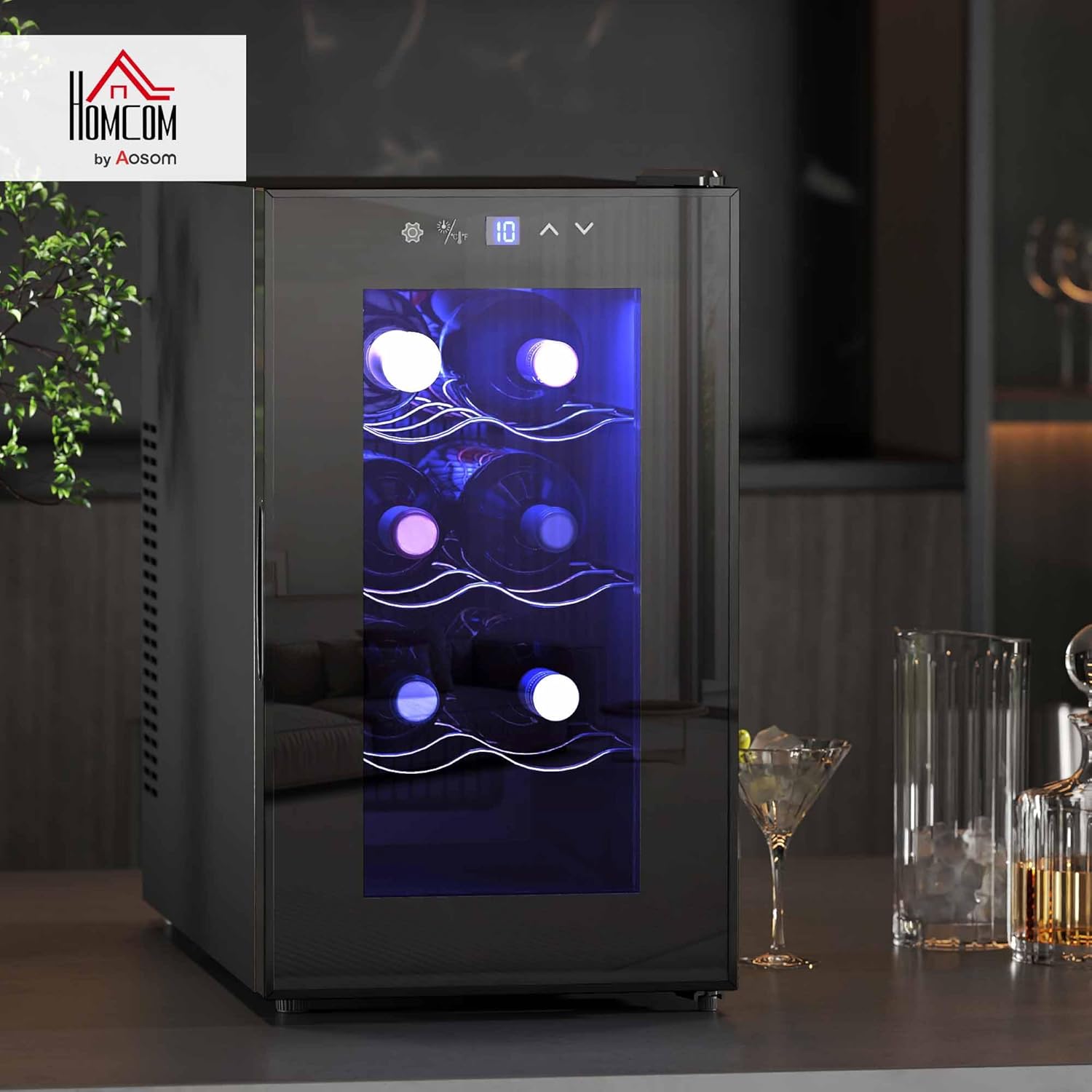
For people who didn’t plan ahead, it is easy to underestimate how many bottles a small wine cooler will hold. Many start with a 12 bottle wine refrigerator and quickly outgrow it as their wine storage habits evolve. Considering a slightly larger unit with multiple shelves and a flexible zone wine layout can be a great way to future proof your purchase.
Comparing single zone and dual zone wine coolers for everyday use
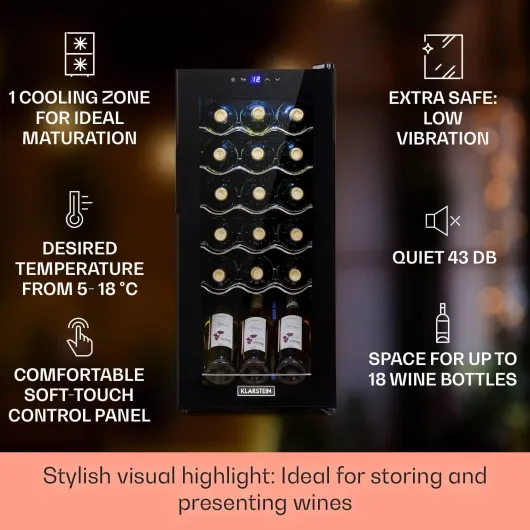
Choosing between single zone and dual zone wine coolers is one of the most important decisions for anyone evaluating the best small wine coolers. A single zone wine cooler keeps the entire interior at one consistent temperature, which simplifies setup and reduces the risk of user error. This type of wine fridge is often the best option for beginners who mainly store red wine or a focused private reserve.
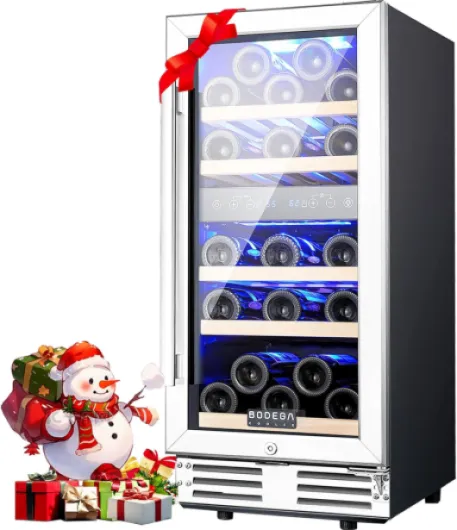
Dual zone wine fridges, however, provide more flexibility for mixed collections and frequent entertaining. In a dual zone layout, the upper zone can be set cooler for white wine and beverage cans, while the lower zone maintains a slightly warmer temperature for red bottles. This approach allows you to keep wine ready to serve without moving bottles between fridges or relying on ice buckets.
When you compare options on Amazon or in specialist shops, pay attention to how clearly the manufacturer explains the temperature range for each zone. Some dual zone wine coolers offer overlapping ranges that limit how cold the upper zone can get, which may not suit those who like very chilled beverage service. Others provide a wider range that supports both wine storage and general beverage cooler duties.
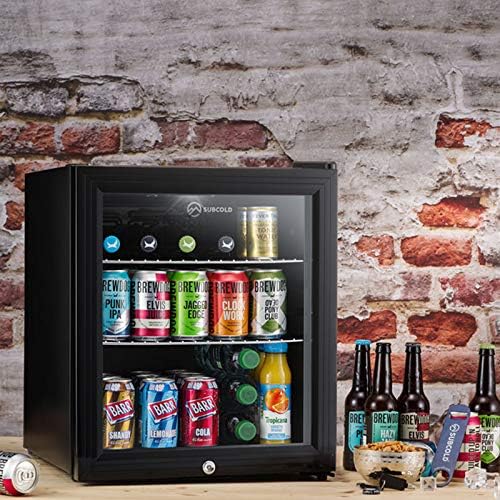
For small homes, a compact dual zone wine beverage fridge can replace several separate fridges and coolers. It can keep bottles for ageing, a few ready to pour wines, and even soft drinks behind a single glass door. This multiple purpose role is particularly valuable when you want to find best use of limited space without sacrificing proper wine refrigerators performance.
Design details that separate the best small wine coolers from basic fridges
Beyond temperature and zone layout, design details strongly influence how a wine cooler performs in daily life. The best small wine coolers use a well insulated cabinet and a tight sealing door to keep the interior temperature stable. A quality glass door with UV protection helps shield wine from light while still allowing you to view labels and manage your private reserve.
Racking is another area where wine fridges differ sharply from ordinary beverage coolers and kitchen fridges. Wooden or coated metal shelves that cradle bottle wine securely reduce vibration and prevent labels from scuffing. Look for coolers that allow you to slide shelves smoothly, so you can access bottles at the back without disturbing the entire zone wine arrangement.
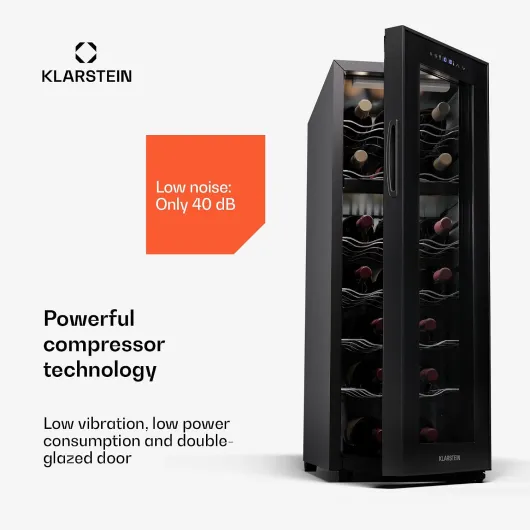
Noise and vibration levels also matter, especially when a wine refrigerator sits in a living room or open plan kitchen. Compressor based wine coolers can be very quiet when engineered properly, but cheaper fridges may cycle loudly or transmit vibration through rigid racks. Thermoelectric coolers are often quieter, yet they may struggle to maintain a tight temperature range in warmer climates.
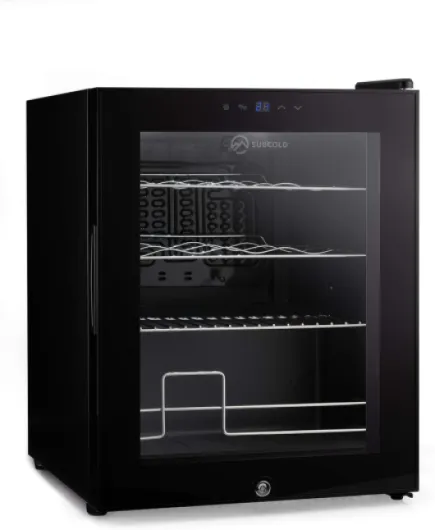
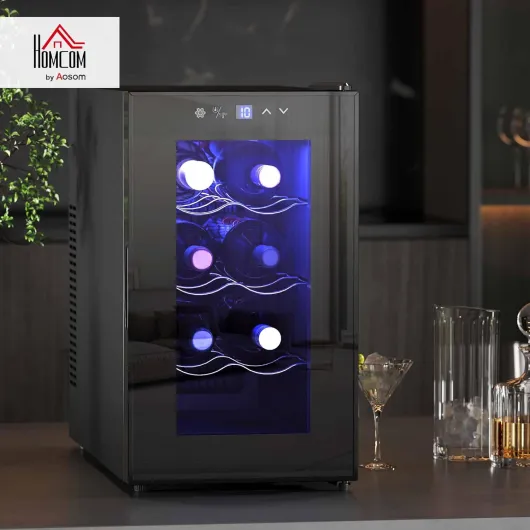
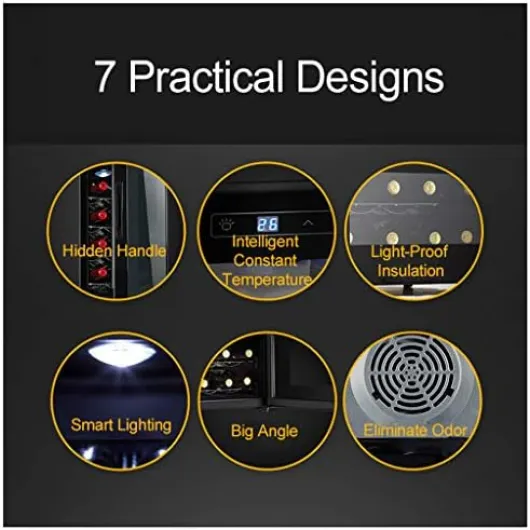
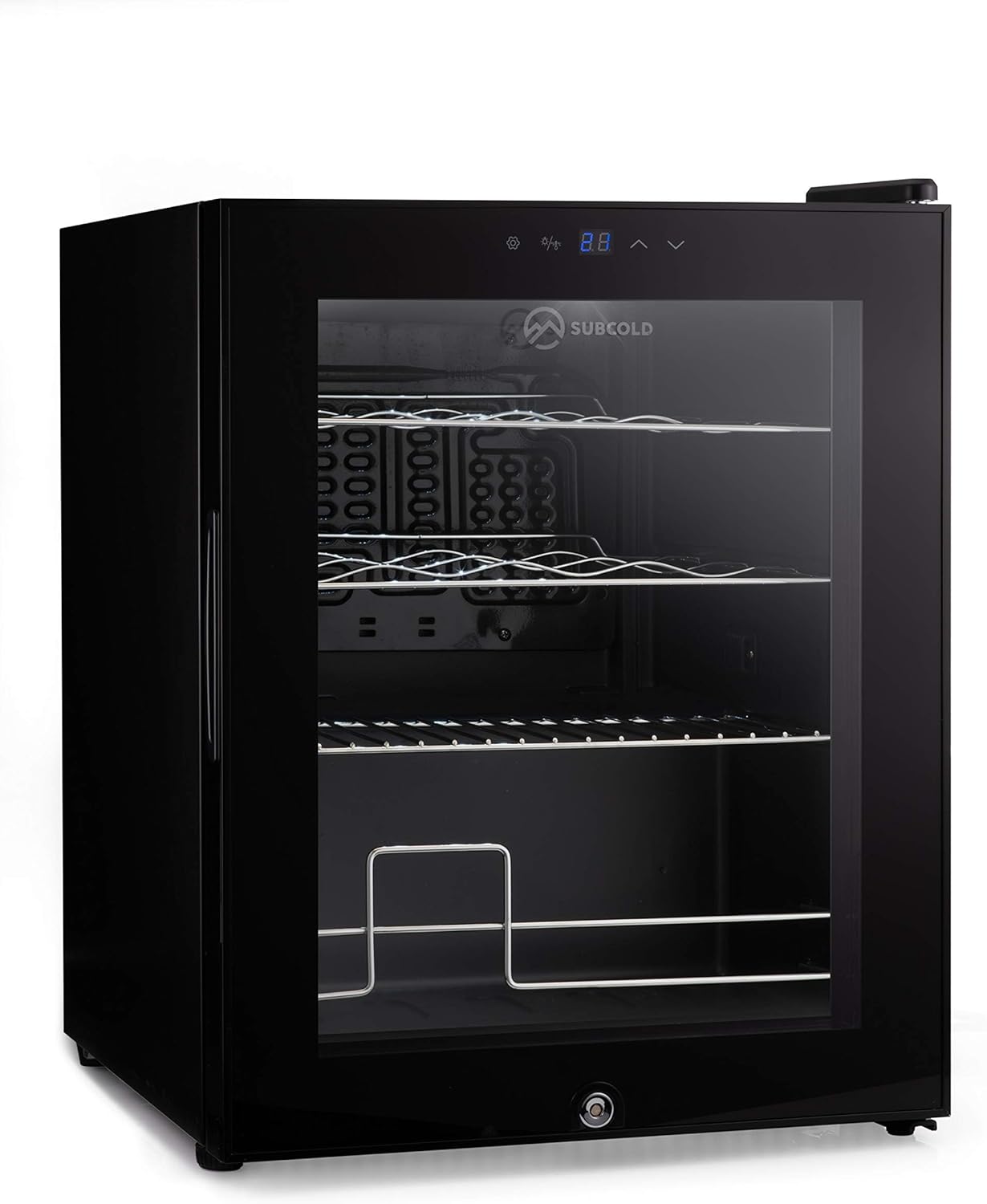
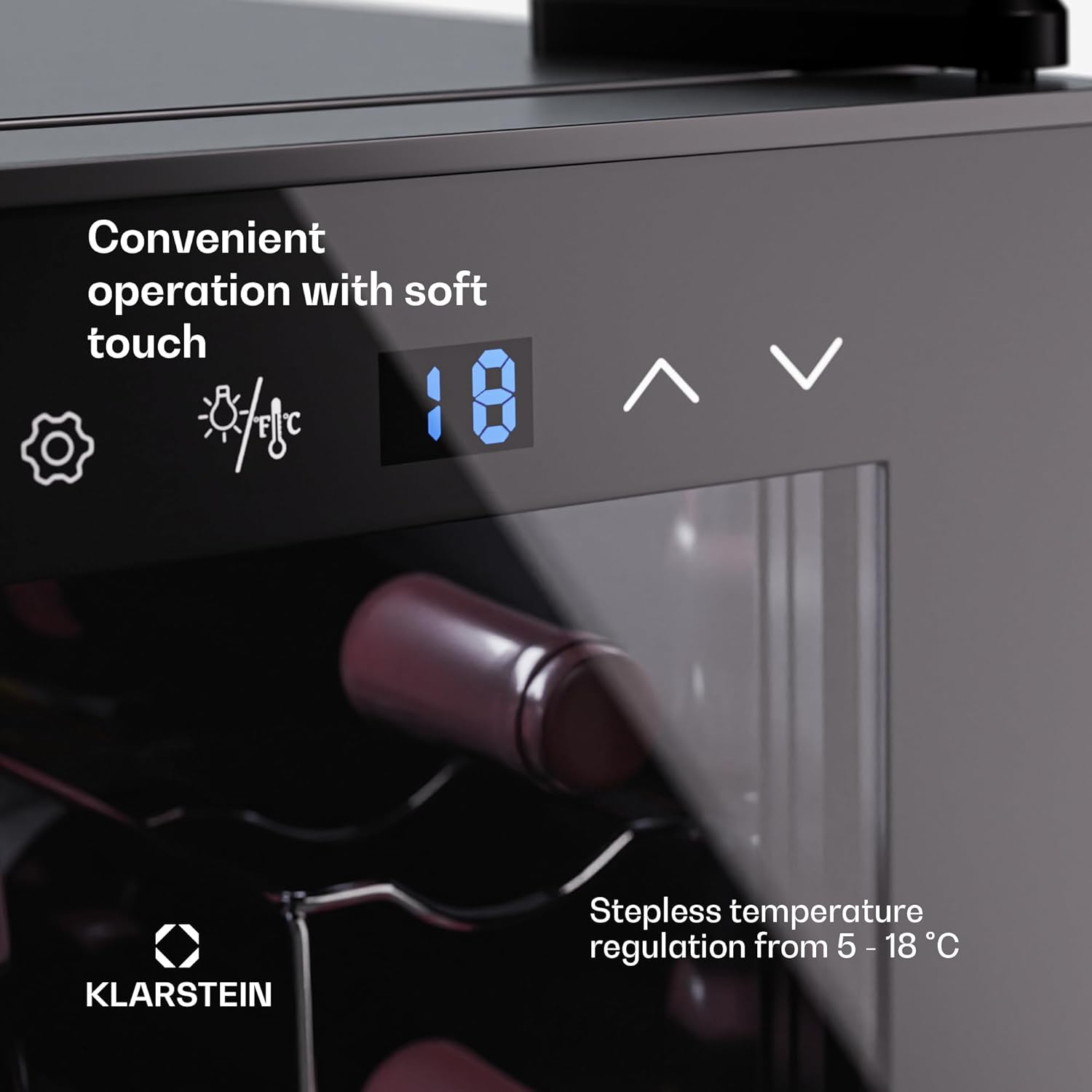
Smart layout can make a small wine fridge feel much larger in practice. Models that combine a glass door, adjustable shelves, and a clear digital temperature display help you select the best bottle quickly. When you compare options on Amazon or specialist sites, consider how each wine cooler balances aesthetics, performance, and ease of use rather than focusing only on stated bottles capacity.
How to evaluate brands, reviews, and technical specifications with confidence
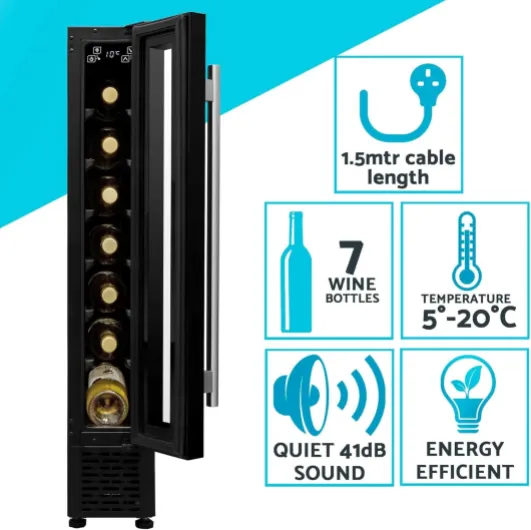
For readers who didn’t grow up around a wine cellar, the technical language of wine refrigerators can feel intimidating. Yet evaluating the best small wine coolers becomes easier when you focus on a few core specifications. These include temperature range, zone configuration, energy efficiency, noise level, and the quality of the door and shelving.
Independent testing and long term user reviews are particularly valuable when comparing wine fridges and beverage coolers. Pay attention to comments about how well the wine cooler maintains its set temperature, whether the glass door fogs, and how the compressor behaves in warm rooms. Detailed reviews often reveal whether a fridge wine model performs as promised or struggles to keep wine stable.
Specialist resources can also help you find best technical explanations of features such as dual zone control and humidity management. For example, this in depth guide to Kalamera features at exploring the features of Kalamera’s wine cooler illustrates how premium coolers manage multiple temperature zones and bottle layouts. Such analyses clarify the differences between entry level wine coolers and more advanced wine beverage fridges designed for a serious private reserve.
When comparing options on Amazon or in local shops, verify the stated bottles capacity against your actual collection. If you mainly store larger bottle wine formats, you may need to reduce the nominal capacity by several bottles per zone. A careful reading of specifications, combined with trusted expert commentary, allows you to select a wine refrigerator that truly matches your space, habits, and long term wine storage goals.
Practical placement, maintenance, and long term care for compact wine fridges
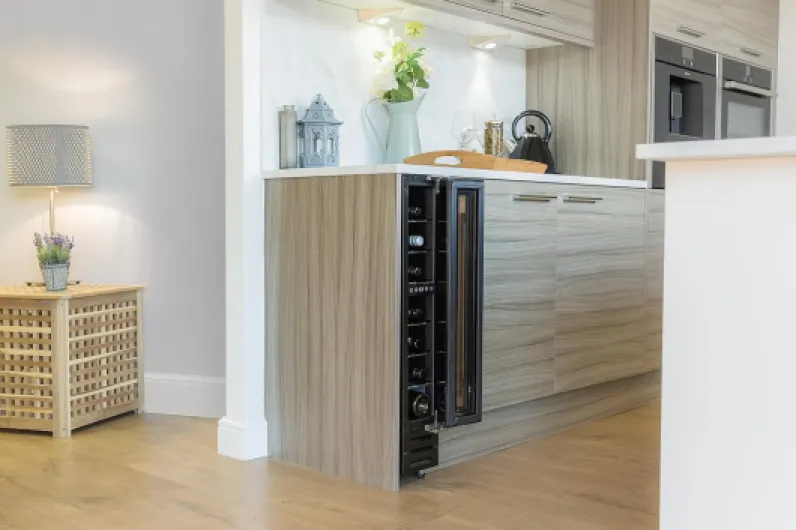
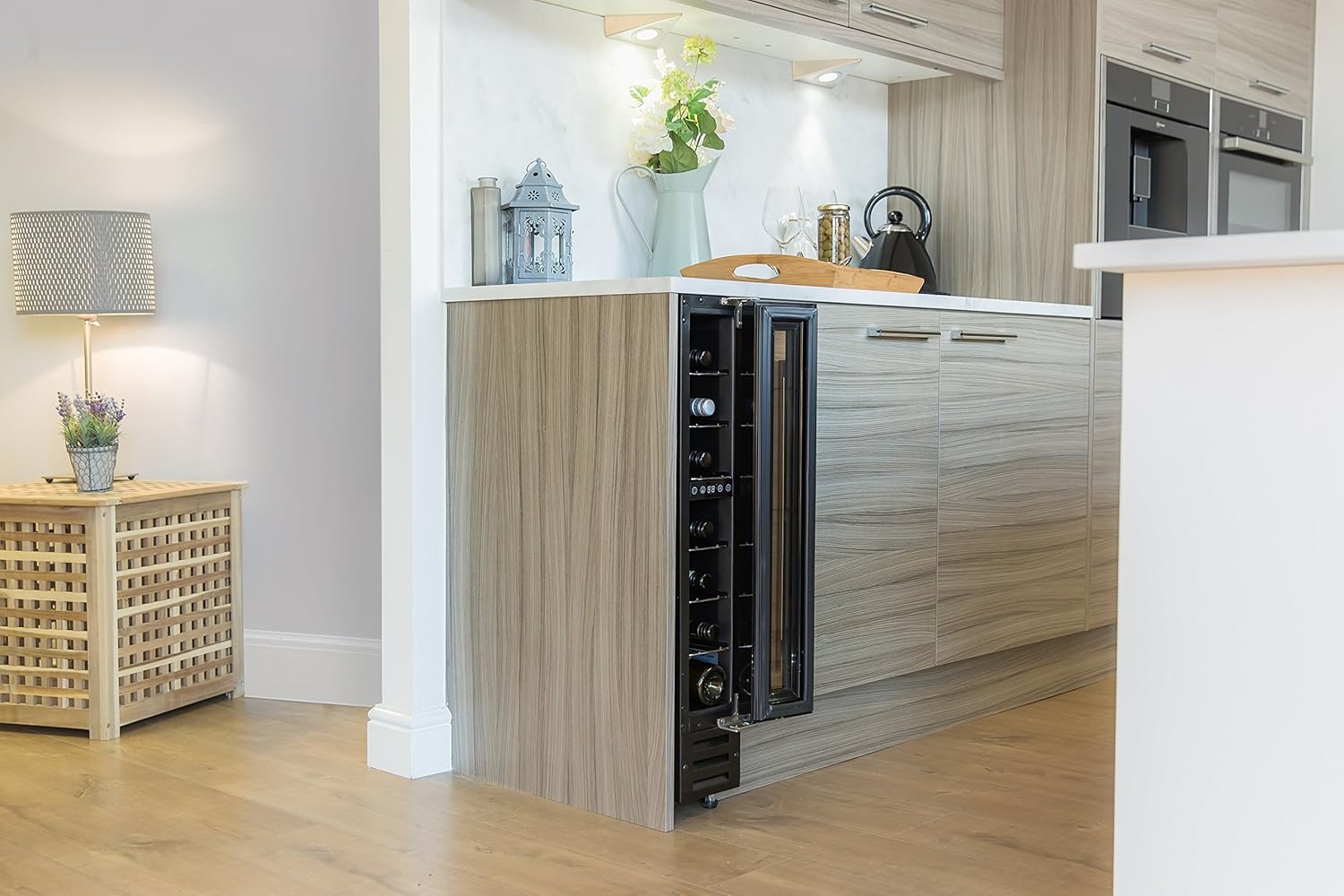
Even the best small wine coolers can underperform if placed in the wrong location or neglected. A wine cooler needs adequate ventilation around its cabinet, especially near the rear where warm air exits the fridge. Crowding coolers into tight cupboards or against walls can force the compressor to work harder, widening the temperature range and shortening the unit’s life.
Floor level placement also matters, because heat rises and affects the ambient temperature around wine fridges. Avoid positioning a wine refrigerator next to ovens, radiators, or large windows that receive direct sun. A shaded corner with stable room temperature helps each zone wine section keep its set point with fewer compressor cycles.
Routine maintenance is straightforward but essential for long term wine storage performance. Clean the glass door and interior surfaces with a mild, non scented solution to avoid contaminating corks with strong odours. Periodically vacuum the rear grille of the fridge wine unit to remove dust that can impede airflow and stress the cooler’s components.
Owners who didn’t read the manual sometimes overlook simple steps such as levelling the cabinet or checking the door seal. A slightly tilted beverage cooler or misaligned door can allow warm air to enter, forcing the compressor to run constantly. By following basic care guidelines, you help ensure that your wine cooler, whether single zone or dual zone, continues to keep bottles at their best and protect your private reserve for many years.
How small wine coolers fit into a broader home wine strategy
For many households, the best small wine coolers act as the central hub of a flexible home wine strategy. A compact wine fridge near the kitchen can keep everyday bottles ready to pour, while a second beverage cooler in a utility room holds overflow and soft drinks. This multiple appliance approach allows you to reserve the most stable temperature zone for wines that matter most.
As collections grow, some enthusiasts pair small wine coolers with off site storage or a modest built in wine cellar. The home wine refrigerator then becomes a private reserve for near term drinking, while long ageing bottles rest elsewhere. This layered method balances convenience, cost, and the need to keep wine in ideal conditions without over investing in large fridges.
When planning such a strategy, think about how often you entertain and which beverage types you serve. A dual zone wine beverage fridge with a glass door in the living area can showcase labels and keep both wine and non alcoholic drinks at perfect serving temperatures. Meanwhile, a quieter single zone wine cooler in a back room can focus on long term wine storage with minimal door openings.
Over time, the ability to select the best bottle from a well organised cooler becomes part of everyday pleasure. By understanding how temperature range, zone design, and capacity interact, you can find best use of compact wine refrigerators in any home. Thoughtful choices today help ensure that every bottle wine you open reflects the care and precision that went into both its production and its storage.
Key statistics about small wine coolers and home wine storage
- Global demand for compact wine refrigerators and wine coolers has grown steadily as more consumers shift from standard fridges to dedicated wine storage.
- Surveys of home enthusiasts show that many owners outgrow their first small wine fridge within a few years, often doubling their bottle capacity.
- Energy efficient wine coolers can consume significantly less electricity than older beverage fridges while maintaining a tighter temperature range.
- Retail data from major platforms such as Amazon indicate that dual zone wine fridges now represent a substantial share of small cooler sales.
Common questions about choosing the best small wine coolers
How many bottles should a small wine cooler hold for a beginner?
For most beginners, a capacity of 18 to 24 bottles offers a practical balance between space and flexibility. This size allows you to keep a mix of red and white wine while leaving room for new discoveries. Many people later add a second wine fridge or beverage cooler as their interest deepens.
Is a dual zone wine cooler necessary for mixed collections?
A dual zone wine cooler is not strictly necessary, but it is very helpful if you regularly serve both red and white wine. Separate zones let you keep one area at a slightly warmer temperature for reds and another cooler zone for whites and sparkling bottles. If budget or space is tight, a well calibrated single zone wine refrigerator can still provide excellent storage.
Can I store other beverages in my wine fridge?
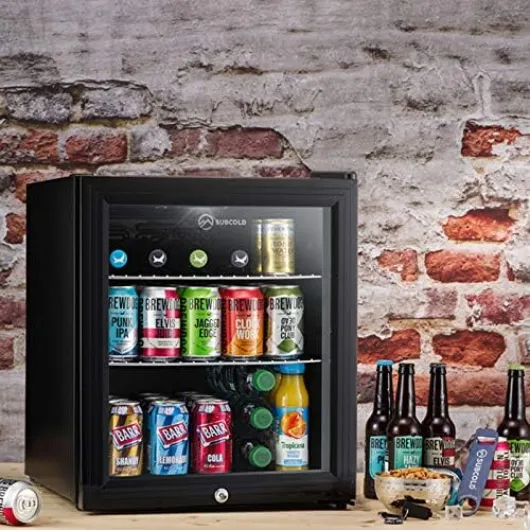
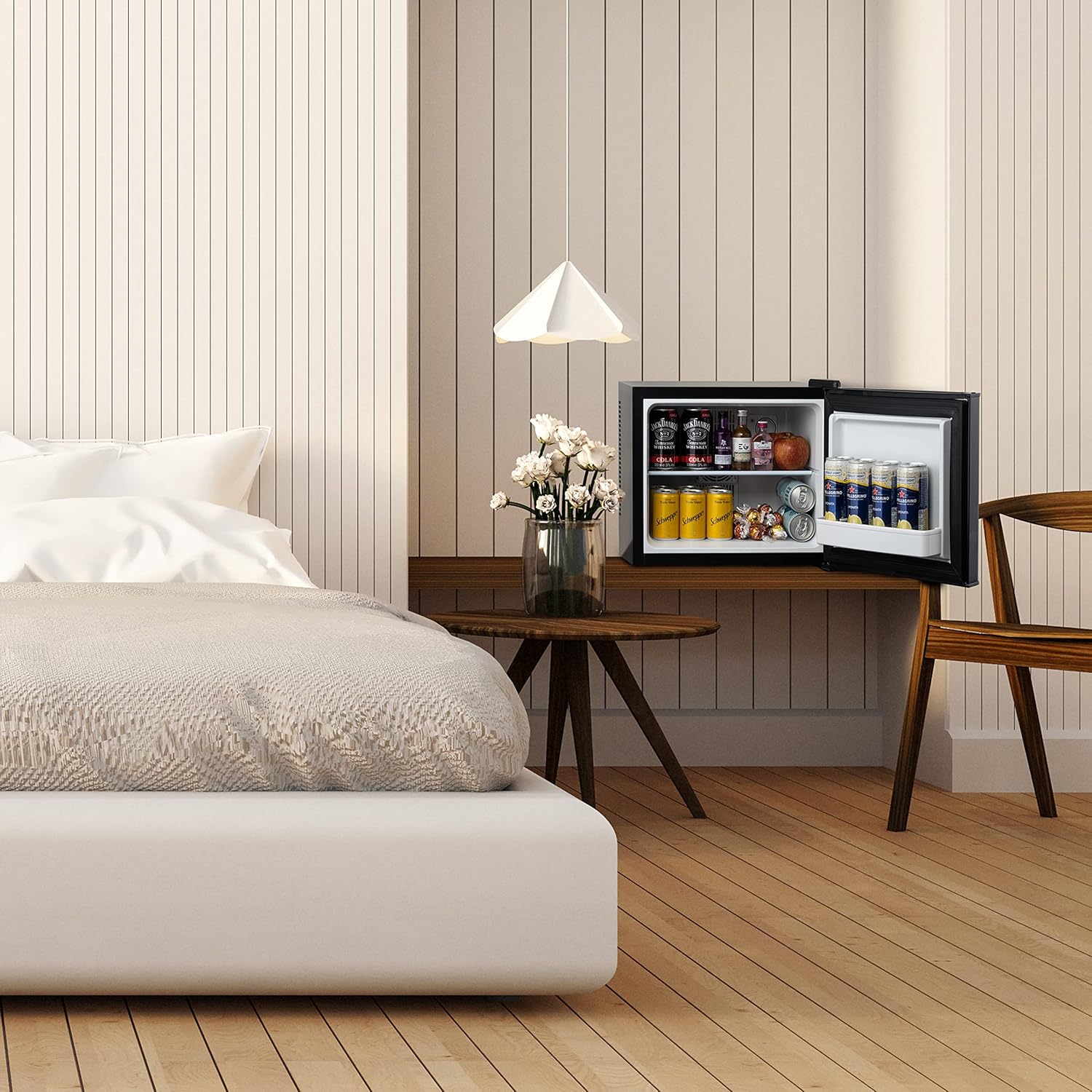
Yes, many owners use a wine fridge as a combined wine beverage station, especially in small homes. You can keep soft drinks, water, or beer alongside wine as long as bottles and cans do not block airflow. If you entertain frequently, a dedicated beverage cooler or second fridge may still be useful.
Where is the best place to install a small wine cooler at home?
The best location is a cool, shaded area with good ventilation around the cabinet. Avoid placing the wine cooler next to ovens, radiators, or large windows that receive direct sunlight. A stable ambient temperature helps each zone maintain its set point and reduces compressor wear.
How long can I keep wine in a small wine refrigerator?
In a well calibrated wine refrigerator with a stable temperature range, most everyday wines can be stored comfortably for several years. Higher quality bottles in a private reserve may age gracefully for longer, provided the cooler minimises vibration and light exposure. For very long term ageing, some collectors still prefer a dedicated wine cellar or professional storage facility.