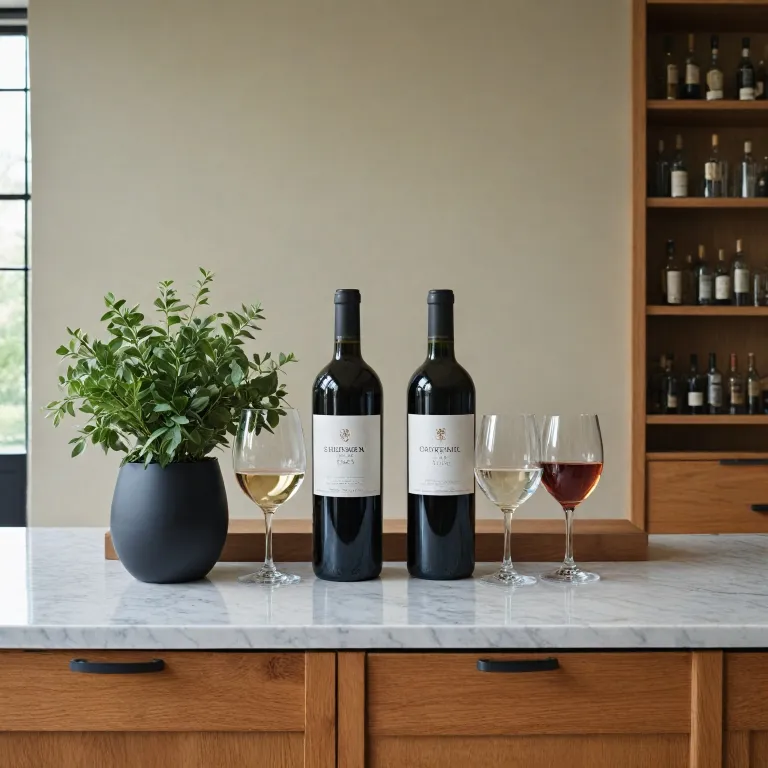
Understanding what makes the best wine racks for serious collectors
Choosing the best wine racks starts with understanding how wine behaves over time. A well designed wine rack keeps bottles horizontal, which maintains cork moisture and protects the wine from premature oxidation. When a wine rack fails at this basic task, even the best wine can lose its character before you open the bottle.
For many homes, the first decision is whether the rack will serve mainly as storage or as a decorative display. A purely functional wine rack focuses on dense bottle storage, while a display oriented rack highlights labels and turns your wine collection into a visual feature. Both approaches can qualify as the best wine racks if they match your room, your bottles, and your long term wine storage goals.
Capacity planning is essential, because a wine collection tends to grow faster than expected. Start by counting your current wine bottles, then add realistic space for future bottles you plan to age or rotate. A flexible wine rack system that can expand along a wall or into a dedicated wine cellar will usually serve better than a fixed tabletop wine rack that fills up within months.
Material choice also shapes performance and aesthetics in any wine room. Metal wine racks in brushed nickel or black finishes offer slim profiles and strong bottle storage, while wooden racks bring warmth that suits traditional wine cellars and dining room settings. In both cases, the best wine racks balance structural strength, secure bottle support, and a design that fits seamlessly into modern homes.
Comparing wall mounted, floor standing, and tabletop wine rack designs
Once you know your capacity needs, the next step is comparing different wine rack formats. Wall mounted systems free up floor space and turn a plain wall into a striking wine display that keeps bottles visible yet secure. A well anchored rack wall can support a large wine collection without crowding the room or blocking circulation.
Floor standing wine racks suit larger wine cellars or open dining room layouts where the rack becomes a furniture like feature. These wine racks often combine bottle storage with shelving for glasses, decanters, or a small wine bottle preparation area. When chosen carefully, a floor rack can bridge the gap between a casual wine wall and a fully built wine cellar.
Tabletop wine racks work best for smaller homes, compact kitchens, or as satellite storage near a serving zone. A tabletop wine rack usually holds a limited number of wine bottles, but it keeps your best wine within easy reach for everyday meals. For serious collectors, tabletop wine racks complement larger wall mounted or floor systems rather than replacing dedicated wine storage.
Design language also matters, especially in modern homes where clean lines dominate. Sleek metal wine frames, sometimes inspired by brands like vintageview, create a floating wine wall effect that emphasizes the bottle rather than the rack. For more traditional interiors, a wooden wine rack with subtle curves can echo classic wine cellars while still integrating with a contemporary dining room credenza or elegant wine credenza furniture.
How to evaluate materials, finishes, and build quality in wine racks
Material selection is central to identifying the best wine racks for long term reliability. Metal wine structures, especially those in steel or aluminum, provide excellent strength for dense bottle storage on a compact rack wall. When finished in brushed nickel or matte black, these racks suit modern design schemes while resisting scratches and corrosion.
Wooden wine racks, by contrast, offer tactile warmth and a classic cellar atmosphere. Quality hardwoods resist warping and support heavy rows of wine bottles, while softer woods may dent or deform under load. In both metal and wood, pay attention to how each wine bottle rests, because poorly shaped cradles can stress glass and compromise your wine collection.
Finish quality influences both aesthetics and maintenance in busy homes. A brushed nickel metal wine rack hides fingerprints better than polished chrome, and powder coated frames on a wall mounted wine rack resist chipping when bottles slide in and out. For wooden racks, sealed or oiled surfaces protect against minor spills and humidity shifts in a wine room or compact wine cellar.
Assembly and mounting hardware deserve the same scrutiny as visible design elements. A wall mounted wine system must include robust anchors suited to your wall type, whether plaster, brick, or drywall, because a loaded wine wall carries significant weight. If you are working with narrow spaces, pairing a slim rack with a narrow wine cabinet solution can create layered wine storage without overwhelming the room.
Designing wine storage for small spaces, apartments, and modern homes
Urban apartments and compact homes demand creative wine storage strategies that respect limited floor area. In these environments, the best wine racks often rely on vertical space, using a wall mounted wine rack to lift bottles off counters and free the dining room table. A carefully planned wine wall can transform a tight corner into a functional wine display without crowding daily activities.
Modular systems allow you to start with a small rack and expand as your wine collection grows. Many metal wine designs inspired by vintageview style layouts let you stack or extend sections along a wall, creating a custom rack wall that adapts to changing needs. This flexibility is especially valuable when you move homes or reconfigure a room from casual living to a more formal wine room.
For renters, non permanent mounted wine options and stable floor racks provide a practical compromise. A slim floor standing wine rack can slide beside a sideboard or under a staircase, offering bottle storage without drilling into walls. Pairing this with a compact tabletop wine rack near the kitchen keeps everyday wine bottles accessible while reserving the main rack for aging wines.
Thoughtful lighting elevates even modest wine racks into a refined wine display. Discreet LED strips above a wall wine installation highlight labels without heating the wine bottle or disturbing cellar like conditions. When combined with neutral finishes such as brushed nickel and soft wall colors, these details help small rooms feel like curated wine cellars rather than improvised storage corners.
From display to aging: aligning wine racks with cellar level ambitions
Not every wine rack must perform like a full climate controlled wine cellar, but your ambitions should guide the design. If you mainly buy wine for near term drinking, a stylish wall mounted wine rack in the dining room or kitchen may be sufficient. When you start collecting age worthy bottles, however, your wine storage strategy needs to shift toward stability and protection.
Serious collectors often combine open wine display areas with more protected wine cellars or lockers. A visible wine wall or metal wine rack near the dining room showcases current favorites, while long term bottles rest in a cooler, darker wine room or dedicated wine cellars. This layered approach lets you enjoy the aesthetics of a wine rack without compromising the integrity of your best wine.
Planning for growth means thinking beyond a single rack or wall. Modular metal wine systems, including those similar to vintageview layouts, can extend across multiple walls or transition from a living area into a semi enclosed wine cellar. When evaluating options, consider how easily you can add more racks, adjust bottle orientation, or integrate secure wine lockers for valuable bottles.
Custom solutions become relevant once your wine collection reaches several hundred bottles. A custom wine rack installation can follow the contours of a staircase, wrap around a room, or combine wall wine panels with built in cabinetry for glassware and service tools. Even then, the fundamentals remain the same, because the best wine racks protect every wine bottle while presenting your collection with clarity and understated elegance.
Practical tips for choosing, installing, and maintaining the best wine racks
Before purchasing any wine rack, measure your space carefully and map potential layouts. Check ceiling height, wall width, and clearance around doors so that a wall mounted wine rack or floor unit does not obstruct movement. Remember that a fully loaded rack wall with many wine bottles will feel visually heavier than an empty frame.
During installation, prioritize safety and long term stability over speed. Use appropriate anchors for your wall type, confirm stud locations, and test each mounted wine section with gradual loading before filling the entire wine wall. For floor racks, verify that the base sits level and consider discreet brackets to secure the rack to the wall in homes with children or pets.
Ongoing maintenance keeps both wine storage and aesthetics in top condition. Dust metal wine frames and wooden shelves regularly, paying attention to label facing wine display racks where dirt can accumulate. Inspect brushed nickel finishes and joints for signs of corrosion or loosening, especially in humid wine rooms or near kitchen zones.
Rotation habits also influence how effectively your wine racks serve the collection. Place near term drinking bottles at eye level or on a tabletop wine rack, while aging bottles rest lower or deeper in a wine cellar zone. By aligning rack placement, bottle storage, and room conditions, you ensure that your best wine remains ready to shine whenever you choose to open it.
Integrating wine racks into interior design and lifestyle
Thoughtful integration of wine racks can elevate both everyday living and special occasions. In an open plan dining room, a coordinated wine wall behind the table creates a restaurant like atmosphere while keeping wine bottles within easy reach. Matching the metal wine finish or wood tone of the wine rack to existing furniture helps the installation feel intentional rather than improvised.
For design forward homes, modern wine racks become sculptural elements as much as storage tools. Slim vertical columns of mounted wine bottles, arranged in a grid or staggered pattern, can frame artwork or a sideboard without overwhelming the room. When combined with subtle lighting and neutral wall colors, these wine display features highlight labels and glass shapes in a refined way.
Entertaining habits should also guide your choice of the best wine racks. Hosts who serve multiple wines at once may prefer a mix of wall mounted racks for long term storage and a tabletop wine rack for active service. In contrast, collectors who open a single special bottle per evening might emphasize a dedicated wine cellar with a smaller, carefully curated rack near the dining room.
Ultimately, the most successful wine storage solutions respect both the technical needs of wine and the rhythms of daily life. By balancing capacity, design, and practicality, you can build a wine collection that feels integrated into your home rather than hidden away. In doing so, your wine rack becomes a quiet expression of taste, hospitality, and long term appreciation for the bottles you choose to keep.
Key statistics about wine storage and home collections
- Up to 70 % of home wine collections are stored outside dedicated wine cellars, often on open racks in living spaces.
- Horizontal bottle storage can reduce cork drying risk by more than half compared with upright storage over extended periods.
- Wall mounted wine racks can save between 30 % and 50 % of floor space compared with equivalent capacity floor standing units.
- Modular metal wine systems account for an estimated 60 % of new installations in modern urban homes.
- Average household wine collections tend to grow by 20 % to 30 % within the first year after installing a dedicated wine rack system.
Questions people also ask about choosing the best wine racks
How many bottles should a first wine rack hold ?
For most beginners, a first wine rack holding between 12 and 24 bottles offers a practical balance between capacity and space. This size accommodates a mix of everyday wines and a few special bottles without overwhelming a small room. As your wine collection grows, you can add modular sections or a second rack wall rather than replacing the original rack.
Are wall mounted wine racks safe for heavy collections ?
Wall mounted wine racks are safe when properly designed, anchored, and loaded within their rated capacity. The key is using suitable hardware for your wall type and distributing weight evenly across the rack wall. For very large or valuable collections, combining wall wine panels with floor supported elements or a dedicated wine cellar adds an extra margin of safety.
What material is best for long term wine storage racks ?
Both metal and hardwood wine racks can perform well for long term storage when built to high standards. Metal wine frames in finishes such as brushed nickel resist warping and provide slim, strong supports for dense bottle storage. Quality hardwood racks, properly sealed, offer similar durability while contributing a warmer, more traditional wine cellar atmosphere.
Can I keep wine racks in the kitchen or dining room ?
Kitchen and dining room locations are acceptable for short to medium term storage, especially for wines intended for near term drinking. To protect your best wine, avoid placing racks near heat sources, direct sunlight, or vibrating appliances. For long term aging, consider a cooler interior wall, a dedicated wine room, or a climate controlled wine cellar.
Do I need a custom wine rack, or will modular systems suffice ?
Modular wine racks meet the needs of most homes, because they adapt to changing collections and room layouts. Custom wine rack installations become worthwhile when you have unusual architectural constraints, very large wine cellars, or specific design ambitions. In many cases, a hybrid approach using modular metal wine units within a custom built enclosure delivers both flexibility and a tailored aesthetic.