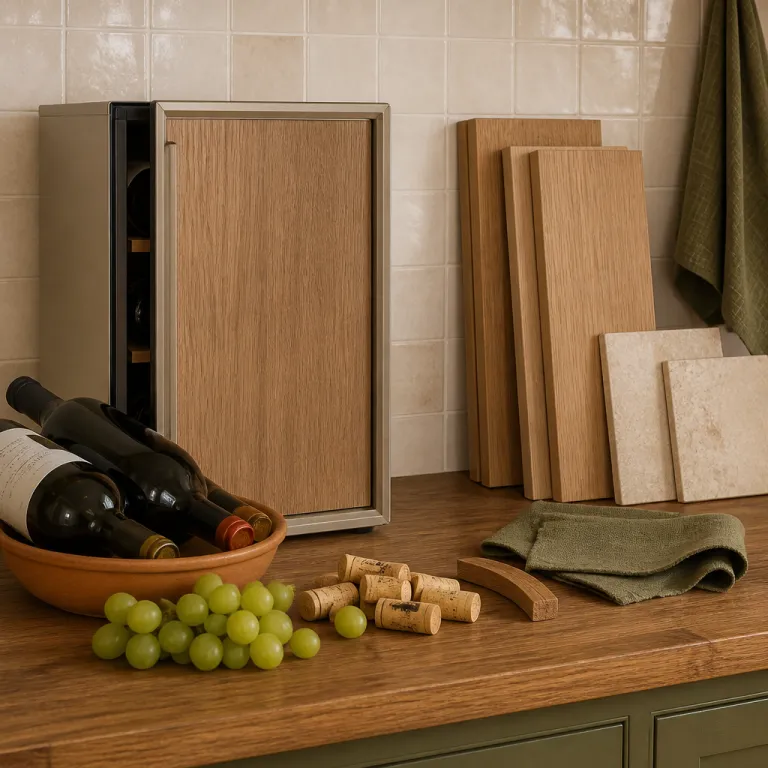
How to measure your space before choosing a wine fridge for home
Start by treating a wine fridge for home like any other major appliance. Before you compare a single wine cooler or wine refrigerator, measure the exact height, width, and depth of the spot where you think a small fridge could live. Then add at least 5 cm at the back and 2 to 3 cm on each side, because every cooler and all compact refrigerators need ventilation clearance to keep temperature stable.
For a countertop wine fridge, check the distance between the counter and the underside of your upper cabinets. Most wine fridges that hold 6 to 12 bottles stand around 43 to 50 cm tall, so a regular kitchen with 50 cm of clearance can usually handle a compact wine cooler without trouble. Depth matters just as much as height, because a freestanding wine unit that sticks out past the counter edge is easier to bump and can shake your bottle wine collection every time someone walks by.
If you are considering a compact freestanding wine fridge for home on the floor, map out the swing of the door. A black or stainless steel wine refrigerator with a 25 to 34 bottle capacity often needs 60 cm of depth including the handle, plus room for you to stand and load bottles. Use painter’s tape to mark the footprint of different coolers, then walk around it for a day to see whether the freestanding wine appliance will fight with your regular traffic patterns.
Under counter built wine options require even more precise measurements, because a built in wine refrigerator must slide into a cabinet opening that is usually 60 cm wide and about 87 cm tall. Measure the plinth height, the thickness of the counter, and any nearby drawers that might block the door of the wine fridge. If you skip this step, you risk paying a higher unit price for a stainless steel built wine model that technically fits on paper but cannot open fully in your real kitchen.
Noise is another hidden dimension that first time buyers forget when planning a wine fridge for home. A compressor based wine cooler or beverage refrigerator will hum and occasionally click, which is noticeable in a small open plan flat. If your sofa sits 2 metres from the kitchen, you may prefer a quieter single zone thermoelectric wine refrigerator, even if its regular price is slightly higher than a louder compressor fridge with the same number of bottles.
Finally, think about where heat from the cooler will go, because every wine fridge and all beverage coolers dump warm air into the room. A freestanding wine refrigerator squeezed between a wall and a tall pantry can struggle to maintain the right temperature, especially in summer. Planning for airflow now protects both your wine storage and the long term sale price value of the appliance if you ever resell it.
Countertop wine fridges: when a compact fridge is enough
For a first home with limited space, a countertop wine fridge for home is often the most realistic starting point. These compact wine fridges usually hold between 6 and 12 bottles, stand 43 to 50 cm tall, and cost roughly 90 to 220 euros at regular price depending on finish and features. They sit where a microwave or small beverage cooler might go, turning a spare corner into practical wine storage without stealing floor space.
Most countertop wine coolers are single zone models, which means every bottle inside shares the same temperature. That works well if you mainly drink red wine or mainly white wine, but it is less ideal when you want a dual zone wine refrigerator that can keep reds at 12 to 14 °C and whites at 8 to 10 °C. For mixed collections, a single zone wine fridge can still function if you store red bottles toward the top, where the air is slightly warmer, and chill whites closer to the bottom.
At this size, you will see both thermoelectric and compressor based wine coolers, and the choice affects noise, efficiency, and price unit over time. Thermoelectric coolers are usually quieter and lighter, which suits a small kitchen counter, but they struggle in very warm rooms and often have a lower maximum temperature drop. Compressor refrigerators handle heat better and keep a more stable zone wine temperature, yet they vibrate more and can be louder in a quiet studio flat.
Finish also matters in a visible kitchen, because a black wine fridge can blend into dark cabinets while a stainless steel door matches modern appliances. Many 6 to 12 bottle wine refrigerators offer both black and stainless steel trims, with the stainless option often carrying a slightly higher unit price. If you are on a strict budget, choosing a black finish at sale price can free money for better shelving or a more accurate digital thermostat.
One compact example that suits first time buyers is a 15 bottle freestanding wine fridge with a digital touch screen and LED light, often reviewed as a practical countertop or under counter hybrid. A detailed test of the Baridi 15 bottle wine cooler fridge shows how a small black cabinet can still offer precise temperature control and decent interior lighting for a modest sale price. Reading such hands on reviews helps you judge whether a specific wine cooler will feel like a solid refrigerator or a flimsy gadget once it sits on your counter.
The main limitation of countertop wine fridges is growth, because most people underestimate how quickly bottles accumulate once they have dedicated wine storage. A 12 bottle wine fridge for home fills fast if you buy in six bottle cases or keep sparkling wine on hand for guests. If you already own more than 10 bottles, it may be smarter to skip the smallest coolers and move directly to a compact freestanding wine refrigerator that can handle your next few years of collecting.
Compact freestanding wine coolers: the sweet spot for growing collections
Once you move beyond a handful of bottles, a compact freestanding wine fridge for home usually offers the best balance between capacity, flexibility, and price. These wine coolers typically hold 18 to 28 bottles, stand 63 to 86 cm tall, and cost around 180 to 380 euros at regular price depending on whether you choose a single zone or dual zone layout. They need dedicated floor space and a bit of clearance, but they do not require cabinet modifications like a built in wine refrigerator.
For mixed collections, a dual zone wine cooler in this size range can be a smart upgrade. One temperature zone can sit at 11 to 14 °C for red wine, while the second zone wine compartment stays cooler at 6 to 10 °C for white and sparkling bottles. A bottle dual layout lets you keep everyday bottle wine ready to pour while still ageing a few special bottles at a slightly higher temperature in the upper zone.
Noise becomes more noticeable with these larger coolers, because most compact freestanding wine refrigerators use compressor systems. Expect a low hum and occasional cycling sounds, which are acceptable in a separate dining room but more intrusive in a tiny open plan kitchen. If your fridge will sit near a sofa, look for models that publish noise levels under 40 dB and read long term tests, such as an Electactic 37 bottle wine fridge review that evaluates how a roomy drinks cooler behaves in daily use.
Finish and build quality vary widely in this segment, and they directly influence both sale price and long term satisfaction. Cheaper coolers may use thin metal, basic wire racks, and less accurate thermostats, which can lead to temperature swings that stress your wine. Spending a little more for thicker insulation, solid shelves that support heavy bottles, and a reliable digital control panel often pays off in more stable wine storage and fewer service issues.
Stainless steel doors and trims remain popular because they match many kitchen refrigerators, but they usually carry a higher unit price than black painted cabinets. If you care more about performance than appearance, a black freestanding wine fridge with a strong compressor and good reviews can be better value than a stainless steel showpiece with weaker cooling. Always compare the real price unit per bottle of storage, not just the headline sale price, because a slightly larger cooler can be cheaper per bottle than a smaller one.
Finally, think about where this freestanding wine refrigerator will live over the next few years. A compact cooler that starts in the kitchen might later move to a dining room or hallway as your main refrigerator and other appliances change. Choosing a flexible size and neutral finish now makes it easier to repurpose the wine fridge for home entertaining or overflow beverage storage later, instead of replacing it prematurely.
Under counter and built in wine refrigerators: when a permanent spot makes sense
If you are renovating a kitchen or replacing cabinets, an under counter wine fridge for home can integrate wine storage as cleanly as a dishwasher. These built in wine refrigerators usually hold 30 to 46 bottles, stand about 87 cm tall to match standard counters, and cost roughly 500 to 1 100 euros at regular price. They slide into a 60 cm wide opening and vent from the front, which allows them to sit flush with cabinets without overheating.
Most under counter wine coolers in this range are dual zone models, because buyers at this level usually want separate temperature control for red and white wine. A dual zone wine refrigerator lets you keep one compartment at 12 to 14 °C for structured reds while the second zone wine section stays at 6 to 10 °C for crisp whites and sparkling bottles. If you mainly drink one style, a single zone built wine refrigerator can be cheaper, but you lose flexibility when your tastes or guests’ preferences change.
Build quality tends to be higher in this category, with thicker insulation, sturdier shelves, and more refined finishes. Stainless steel doors, often with UV protected glass, are common, and they pair well with other stainless steel appliances in a modern kitchen. Black trims remain available and can soften the visual impact of a large wine fridge, especially in smaller spaces where too much steel can feel industrial.
Because these refrigerators become part of the cabinetry, installation details matter as much as the cooler itself. You must respect the manufacturer’s ventilation requirements, which usually specify a minimum plinth cut out and a clear path for warm air to escape at the front. Ignoring these guidelines can shorten the life of the compressor, raise the effective price unit over time, and compromise the temperature stability that protects your bottle wine collection.
Under counter beverage refrigerators share many of these traits, and some homeowners choose a combined drinks fridge instead of a dedicated wine cooler. A commercial style beverage refrigerator with three glass doors, for example, can serve as a back bar beer fridge and general beverage cooler while still holding a modest number of wine bottles. Detailed tests of a 12 cubic foot drink fridge built for under counter use show how such refrigerators handle mixed loads of cans, bottles, and wine without sacrificing cooling performance.
Because under counter units are expensive and semi permanent, it is worth comparing regular price and sale price carefully across brands. A stainless steel built wine refrigerator might drop by 15 to 25 percent during seasonal promotions, significantly improving its long term value. When you spread the final sale price over the expected lifespan and the number of bottles it protects, a well chosen under counter wine fridge for home can look less like a luxury and more like a sensible appliance investment.
Budgeting for a wine fridge: what to expect under and over 500 euros
Setting a realistic budget for a wine fridge for home starts with matching form factor to your space and collection size. Countertop wine fridges that hold 6 to 12 bottles usually sit between 90 and 220 euros at regular price, with sale price dips during major retail events. Compact freestanding wine coolers in the 18 to 28 bottle range typically cost 180 to 380 euros, while under counter built in wine refrigerators with 30 to 46 bottle capacities often run from 500 to 1 100 euros.
Below 500 euros, you can expect decent temperature control, basic digital displays, and acceptable build quality if you choose carefully. Many single zone coolers in this bracket use compressor systems that maintain a stable zone wine temperature even in warmer kitchens, though they may have thinner insulation and more noticeable noise. Dual zone wine refrigerators under this threshold often compromise on capacity or shelf quality, so read reviews closely to see whether both zones truly hold their set temperatures.
Spending more than 500 euros usually buys you better materials, more precise thermostats, and quieter operation. Stainless steel doors with UV resistant glass, smoother sliding shelves that handle heavy bottles, and more accurate temperature sensors are common upgrades. These features matter if you plan to keep wine for several years, because small temperature swings and vibration can slowly erode the quality of your bottles.
When comparing models, look beyond the headline sale price and calculate the effective unit price per bottle of storage. A 28 bottle freestanding wine refrigerator that costs 320 euros has a lower price unit per bottle than a 12 bottle countertop fridge at 200 euros, even though the total outlay is higher. If you expect your collection to grow, paying a bit more now for a larger cooler can save you from buying a second wine fridge later.
Also factor in running costs, because a wine refrigerator is on all year. Energy efficient coolers with better insulation and modern compressors may cost slightly more upfront but can reduce electricity use over time, especially in warm climates. Check the energy label where available and consider how often you open the door, because frequent access warms the interior and forces the fridge to work harder.
Finally, remember that a wine fridge for home competes with other priorities in a first household budget. It is reasonable to start with a modest black single zone cooler at a good sale price while you are still buying essential furniture and a main refrigerator. As your finances and collection grow, you can upgrade to a stainless steel dual zone built wine refrigerator, repurposing the original cooler as a beverage fridge for guests or overflow storage.
Planning for growth: why slightly bigger wine fridges often make sense
Most first time buyers underestimate how quickly a small wine collection turns into two dozen bottles. A 6 bottle countertop wine fridge for home feels generous when you own three bottles, but it suddenly looks cramped after a few supermarket promotions and a weekend trip to a vineyard. Once you have dedicated wine storage, you are more likely to buy in cases, accept gifts, and keep a mix of everyday and special bottles.
This is where planning for growth pays off, because the price jump between sizes is often smaller than people expect. Moving from a 12 bottle to an 18 bottle freestanding wine cooler might add 40 to 70 euros to the regular price, yet it can delay the need for a second refrigerator by several years. When you divide that extra cost by the additional bottles and the time you will use the cooler, the effective unit price per bottle often looks very reasonable.
Choosing between single zone and dual zone layouts also ties into growth. If you currently drink mostly red wine, a single zone wine refrigerator seems logical, but tastes change and guests may prefer chilled whites or sparkling bottles. A dual zone wine cooler gives you flexibility to adjust one zone wine compartment for new preferences without buying another fridge, especially in the 18 to 28 bottle range where both zones remain practical.
Shelf design matters as your collection diversifies, because not every bottle wine shape matches the standard Bordeaux profile. Look for coolers with adjustable or removable shelves that can handle larger Champagne bottles or wider new world reds without wasting space. Some models, such as certain NewAir bottle coolers, are specifically designed to accommodate a mix of bottle sizes, which helps you use every centimetre of the interior efficiently.
Think about how your living space might change as well. A compact black freestanding wine refrigerator that starts in a rented flat can later move to a home office or dining room when you buy a house, while a more refined stainless steel built wine unit might eventually anchor a renovated kitchen. By choosing a slightly larger and more flexible wine fridge for home now, you give yourself options instead of locking into a size that only fits your current layout.
Finally, remember that a wine fridge is not only for wine. Many owners eventually use spare space in their coolers for premium beer, cider, or soft drinks, especially in hot weather. Planning for a few extra bottles today means your beverage refrigerator can handle both your growing wine storage needs and everyday drinks without forcing you into another appliance purchase.
Key figures on wine fridges for first homes
- Countertop wine fridges that hold 6 to 12 bottles typically measure 43 to 50 cm in height and cost around 90 to 220 euros, which makes them the most accessible entry point for a wine fridge for home in small kitchens.
- Compact freestanding wine coolers with 18 to 28 bottle capacities usually stand 63 to 86 cm tall and cost 180 to 380 euros, offering roughly double the storage of a small countertop fridge for only 30 to 60 percent more money.
- Under counter built in wine refrigerators that hold 30 to 46 bottles often range from 500 to 1 100 euros, but seasonal promotions can reduce the sale price by 15 to 25 percent compared with regular price.
- Noise levels for modern compressor based wine refrigerators commonly fall between 38 and 45 dB, which is comparable to a quiet conversation and can be noticeable in compact open plan living spaces.
- Standard kitchen counters usually provide about 50 cm of clearance under upper cabinets, which is enough for most 6 to 12 bottle wine fridges but too low for many 18 bottle freestanding wine coolers that need floor placement.
FAQ about choosing a wine fridge for your first home
How many bottles should my first wine fridge hold ?
For most first time buyers, a capacity of 12 to 24 bottles strikes a good balance between space and growth. If you currently own fewer than 10 bottles but expect to buy more, a compact freestanding wine fridge for home in the 18 bottle range usually offers better long term value than a tiny 6 bottle countertop cooler. Only choose a very small fridge if your kitchen is extremely tight and you rarely keep more than a few bottles on hand.
Is a dual zone wine cooler worth it for beginners ?
A dual zone wine refrigerator is helpful if you regularly drink both red and white wine and want each style at its ideal temperature. If you mostly drink one type, a single zone cooler can be cheaper and simpler, especially at smaller sizes. However, if your budget allows, a dual zone wine fridge for home gives you flexibility as your tastes and collection evolve.
Can I put a freestanding wine cooler under my counter ?
Freestanding wine refrigerators are designed to vent heat from the sides and back, so enclosing them under a counter can cause overheating and shorten their life. Only built in or under counter wine fridges with front ventilation should be installed in cabinetry. If you want a cleaner look, choose a model specifically rated as a built in wine refrigerator and follow the manufacturer’s ventilation clearances.
How loud are wine fridges in an open plan kitchen ?
Most compressor based wine coolers produce 38 to 45 dB of noise, which is similar to a quiet conversation or a modern kitchen refrigerator. In an open plan flat where the sofa sits close to the kitchen, you will occasionally notice the hum and cycling sounds, especially at night. If you are very sensitive to noise, consider a smaller thermoelectric single zone wine fridge for home or place a larger cooler in a hallway or separate room.
Do I really need a wine fridge if I already have a regular refrigerator ?
A regular refrigerator is usually too cold and too dry for long term wine storage, because it is designed for food safety rather than flavour preservation. A dedicated wine cooler keeps bottles at a stable temperature between 6 and 18 °C with less vibration, which protects both everyday and special wines. If you only store wine for a few days before drinking, your main fridge is fine, but for weeks or months of storage a small wine refrigerator offers much better conditions.