From hidden cellar to daily life: how visibility changes the relationship with wine
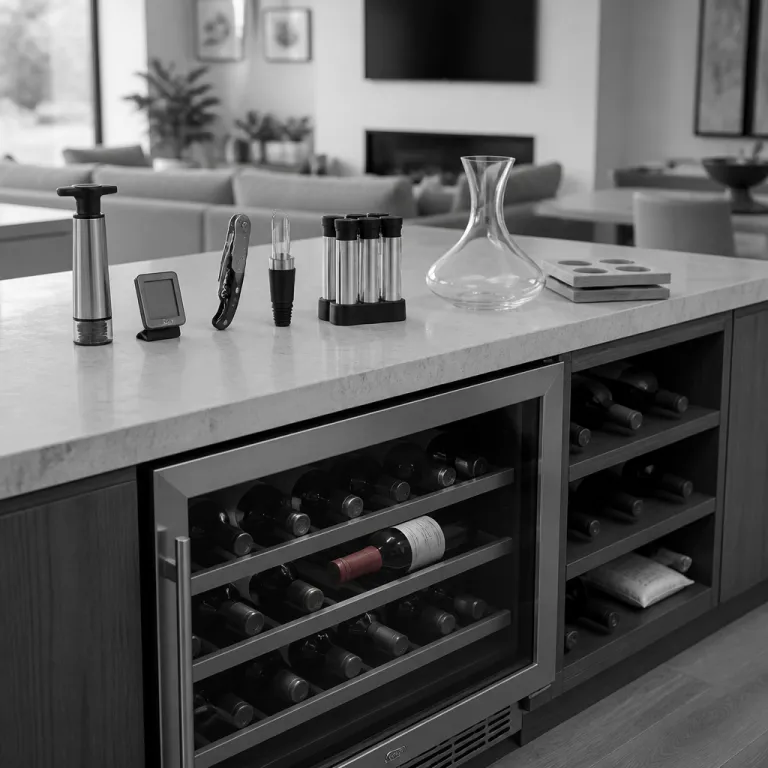
The biggest shift in wine cellar integrated living space design is psychological. When a wine cellar moves from a dark basement to the kitchen or dining room, the wine collection stops being an archive and starts becoming part of daily ritual. That change affects how you plan capacity, how you manage temperature, and how you think about cost over the long term.
Collectors who once stacked bottles in anonymous cellars now ask for wine racks that frame labels at eye level, because a visible wine collection invites conversation and more intentional drinking. A modern wine room with glass walls and carefully designed display lighting turns storage into a backdrop for cooking, entertaining, and quiet evenings, yet it still has to protect every bottle with stable temperature humidity. When you live with your bottles rather than hiding them, you notice when a wine cooler cycles too loudly, when humidity control drifts, or when the layout makes it hard to reach the wines you actually drink.
This is where integrated wine storage changes behavior. A compact built wine cabinet in the dining room encourages opening midweek bottles that would otherwise be forgotten in deep cellars, while a larger wine room off the kitchen can separate everyday wine fridges from long term wine cellars. The more you see your collection in the main living space, the more you curate it, pruning impulse purchases and focusing on wines that fit your real life rather than an abstract plan.
For a wine enthusiast planning a new cellar design, the question is no longer just how many bottles fit, but how the wine cellar feels from the sofa or the dining table. That means thinking about view corridors, how racks align with sight lines, and how the glow from integrated wine cabinets interacts with task lighting in the kitchen. A wine cellar integrated living space must balance aesthetics with performance, because the same glass that gives a beautiful view can undermine temperature stability if the cooling units and insulation are not designed correctly.
Traditional cellars were often built as afterthoughts, carved out of leftover basement space with little attention to how people moved through them. In contrast, modern wine cellars are designed as architectural features, with custom wine racks that echo the materials of adjacent rooms and storage zones that separate aging bottles from ready to drink selections. This shift rewards careful planning of capacity and layout, since every visible bottle becomes part of the room’s design language.
Even small apartments can benefit from this approach. A single under counter wine cooler in a compact kitchen, paired with slim wine racks on a nearby wall, can turn a tight space into a functional integrated wine corner that still respects proper temperature and humidity control. When the collection is modest, the emphasis moves from sheer capacity to flexible storage that can handle both short term chilling and longer term protection for a few special bottles.
For larger homes, the wine cellar integrated living space often stretches across multiple rooms. You might have a primary wine room with climate controlled wine cabinets and high density racks, plus satellite wine fridges in the kitchen and a small built wine station near the outdoor grill. The key is that every zone is designed intentionally, with clear roles for storage, display, and service, rather than a single monolithic cellar hidden away from daily life.
As this trend matures, the language around wine storage is changing. Designers talk less about cellars as technical spaces and more about wine rooms as social infrastructure, where the layout of racks, the placement of cooling units, and the choice of materials all support how people gather. When you treat the wine cellar as part of the living space, you start designing for conversations, shared tastings, and the quiet satisfaction of seeing a well organized collection every time you walk past.
The tasting nook: making small footprints work hard
Not every home needs or can accommodate a full wine room, which is why the tasting nook has become the most interesting expression of the wine cellar integrated living space trend. A tasting nook is a compact zone where wine storage, seating, and service come together in a few square meters, usually carved from a corner of the dining room or an unused stretch of hallway. When designed carefully, this small space can handle serious wine storage while still feeling like a natural extension of the living area.
A functional tasting nook starts with climate control, not bar stools. At minimum, you need a reliable built in wine cooler or under counter wine fridges that can hold a meaningful number of bottles at a stable temperature, typically between 11 and 14 degrees Celsius for mixed cellars. For many readers, a model similar in concept to an under counter drinks and wine cooler such as the one reviewed in detail as a Baridi 85 liter under counter wine cooler on Wine Cooler Guru offers a useful benchmark for capacity, noise, and energy performance in tight spaces.
Above or beside the cooler, wall mounted wine racks can handle overflow bottles and create a vertical display that draws the eye without consuming floor space. The best racks in these nooks are designed for both single bottles and small groups, so you can keep a mini wine collection of everyday wines at hand while reserving the cooler for more sensitive bottles. When you combine open racks with closed wine cabinets, you get a layered storage strategy that respects both aesthetics and temperature humidity requirements.
Seating is where many tasting nooks fail. A narrow ledge with two stools may look elegant in a rendering, but if the depth is less than 45 centimeters and the circulation space is cramped, people will not linger. A better plan is to prioritize one comfortable chair or a built in bench with proper back support, even if that means reducing the number of visible bottles or shrinking the display area slightly.
Lighting deserves as much attention as capacity. A tasting nook that doubles as a wine cellar integrated living space should use warm, low glare fixtures that highlight labels without heating bottles or washing the room in harsh light. LED strips recessed into racks or under shelves can provide a soft glow, while a single pendant above a small tasting counter anchors the space visually.
Material choices help bridge the gap between technical storage and domestic comfort. Many modern wine cellars now mix walnut or hickory racks with bronze hardware and reclaimed wood cladding, creating a tactile contrast with the glass and metal of wine fridges and cooling units. When these materials repeat from the adjacent kitchen or dining room, the tasting nook feels intentional rather than tacked on.
Even in a small footprint, zoning matters. Keep the coldest storage in enclosed wine cabinets or the under counter wine cooler, then use open racks for short term storage of bottles you plan to drink within weeks. This layered approach respects the realities of temperature and humidity control while still giving you a generous view of labels and a sense of abundance in a compact space.
For a wine enthusiast who is just starting to build a wine collection, a well planned tasting nook can be more valuable than an oversized cellar. It encourages you to handle bottles, read labels, and taste regularly, because the wine is literally within arm’s reach of where you eat and relax. That daily interaction is the essence of the wine cellar integrated living space movement, even at the smallest scale.
Hospitality zones and wet bars: connecting storage to social life
As wine cellars migrate into living areas, the most successful projects treat wine storage as part of a broader hospitality zone rather than an isolated technical room. A hospitality zone is a cluster of functions — wine storage, a wet bar, glassware, sometimes a coffee station — that supports how you actually entertain. When you integrate these elements thoughtfully, you reduce traffic to the kitchen and make it easier to serve wine at the right temperature without breaking the flow of conversation.
In many homes, the hospitality zone sits between the kitchen and dining room, acting as a bridge between cooking and serving. Here, a pair of built in wine fridges under a stone counter can handle both red and white bottles, while tall wine cabinets with glass doors provide extra capacity and a dramatic display. For readers evaluating compact under counter options, the kind of adjustable temperature under counter drinks and wine fridge reviewed on Wine Cooler Guru in the 70 liter class is a useful reference point for balancing capacity, footprint, and noise in these shared spaces.
The wet bar component is where design discipline matters. A sink, ice drawer, and small prep surface are helpful, but they should never compromise the performance of the adjacent wine storage by forcing you to route hot water lines or dishwashers through insulated walls. Keep plumbing and cooling units separated by proper thermal breaks, and make sure any nearby appliances vent away from the wine room or wine cabinets to protect temperature stability.
Glass is both the signature and the trap of modern hospitality zones. Floor to ceiling glass around a wine room offers a spectacular view from the living space, but every square meter of glazing increases the thermal load on your cooling units. If you want that luxury wine look, you must budget for higher performance glass, better insulation, and more robust cooling capacity, or you will pay the cost later in inconsistent temperature and higher energy bills.
One practical strategy is to treat the hospitality zone as a series of nested climates. The outer layer — open shelves, a bar counter, maybe a few decorative bottles — lives at room temperature and is meant for immediate consumption. Behind that, closed wine cabinets or a dedicated wine cooler maintain a controlled environment for the main wine collection, with humidity control and precise temperature settings.
For serious collectors, a partially enclosed wine room can sit just beyond the wet bar, accessible through a glass door but insulated like a proper cellar. This room handles long term wine storage with high density racks, while the bar area focuses on service and display. The result is a wine cellar integrated living space where you can pour, taste, and talk in comfort, while the most valuable bottles rest undisturbed a few steps away.
Material continuity again plays a crucial role. When the wood species of the wine racks matches the cabinetry in the kitchen, and the metal finishes on bar hardware echo the frames of the wine cellars, the whole hospitality zone reads as one coherent design. That cohesion matters as much as capacity, because it determines whether the wine cellar feels like a natural part of the home or an imported showroom.
For those on tighter budgets, a scaled down version of this concept still works. A single under counter wine cooler paired with a shallow cabinet for glassware and a small counter can create a credible hospitality zone in an apartment, especially when placed near the dining table. The point is not to mimic a restaurant bar, but to align wine storage, preparation, and enjoyment in the rooms where you actually live.
Balancing openness, climate control, and materials in modern wine rooms
The most challenging aspect of the wine cellar integrated living space trend is the tension between openness and climate control. Glass walls, open racks, and generous views are visually compelling, but every design decision has a thermal consequence. If you ignore those physics, you end up with a beautiful wine room that quietly cooks your bottles over time.
Serious projects start with a clear performance brief. You define the target temperature range, acceptable humidity band, and total bottle capacity before sketching the first elevation of wine racks or choosing the species of wood. From there, you size cooling units based on real heat load calculations, taking into account glass area, adjacent rooms, and whether the wine cellars sit near kitchens, fireplaces, or exterior walls.
For integrated spaces, split system cooling units are often preferable to self contained wine fridges, because they move noise and heat away from the living area. A quiet evaporator hidden above a ceiling or behind a louvered panel can maintain stable temperature humidity in the wine room while the condenser rejects heat outdoors or to a mechanical room. This approach costs more upfront but pays off in both acoustic comfort and long term reliability.
Even when you rely on smaller appliances, placement matters. A compact table top wine cooler in a media room, like the energy efficient mini fridge reviewed on Wine Cooler Guru with a dual glazed glass door, can keep a handful of bottles at serving temperature without pretending to be a full cellar. Used alongside a more serious climate controlled wine room elsewhere in the house, it becomes part of a layered storage strategy that respects both convenience and preservation.
Material selection is not just an aesthetic exercise. Dense woods like walnut and hickory used for wine racks add visual warmth and help buffer small temperature swings, while reclaimed wood cladding can hide insulation layers that protect the wine collection from nearby heat sources. Metal elements, such as bronze hardware and steel bottle cradles, should be thermally isolated from exterior glass or stone to avoid creating unwanted thermal bridges.
Flooring choices also influence performance. Stone and tile handle incidental spills and feel appropriate in a cellar design, but they can feel cold underfoot in a living space unless paired with radiant systems that are carefully zoned away from the wine storage area. Engineered wood floors that continue from the dining room into the wine room can work, provided the subfloor and insulation are detailed to prevent condensation near cooling units.
Lighting and controls tie the system together. Use low voltage LED fixtures with minimal heat output inside wine cellars, and connect them to occupancy sensors or scene controls that limit how long display lighting stays on. Smart thermostats and humidity sensors that log data over time give you a clear view of how the wine storage performs day to day, which is essential when the cellar is exposed to the thermal fluctuations of an active home.
Ultimately, the wine cellar integrated living space is about aligning technical rigor with everyday pleasure. When you can sit at a tasting counter, look through a glass wall at perfectly ordered racks, and know that every bottle rests at the right temperature, the cellar stops being a hidden utility and becomes part of how you live. That is why more collectors are leaving the basement behind and building wine cellars into the rooms they actually use.
Key figures shaping integrated wine cellars in living spaces
- According to the National Kitchen and Bath Association, more than 30 percent of high end kitchen remodels in recent surveys include some form of dedicated wine storage, indicating that wine cellars are increasingly planned as part of everyday living spaces rather than separate basement rooms.
- Energy Star data shows that modern compressor based wine coolers can use up to 40 percent less electricity than older models of similar capacity, which reduces the long term cost of operating multiple integrated wine fridges across kitchen, dining room, and media spaces.
- Residential design reports from the American Institute of Architects note that requests for glass enclosed wine rooms and wine cabinets in main living areas have grown by roughly 10 to 15 percent over recent design cycles, reflecting the shift from hidden cellars to visible wine rooms.
- Climate control guidelines from major cooling unit manufacturers recommend maintaining wine storage at 11 to 14 degrees Celsius with relative humidity between 55 and 70 percent, a range that becomes more challenging — and more important — when wine cellars are surrounded by warm, occupied rooms.
- Real estate analyses from luxury property brokers indicate that well executed integrated wine rooms can add perceived value to listings, with some agents reporting that buyers in wine focused markets are willing to pay a premium for homes where the wine collection is visibly and elegantly woven into the main living space.
Sources
- National Kitchen and Bath Association
- American Institute of Architects
- Energy Star