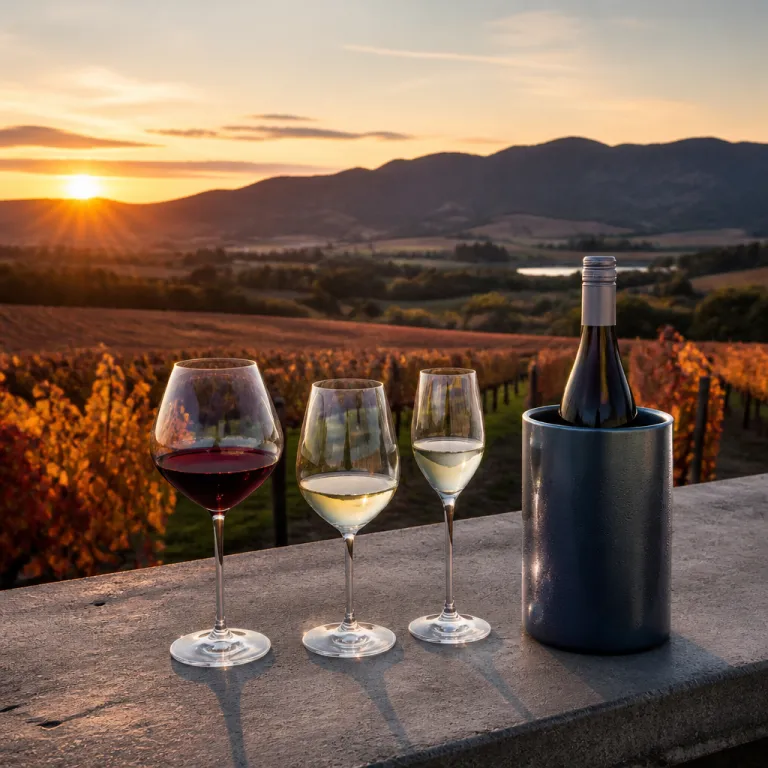
Red wine glass vs white wine glass in a modern wine lifestyle
Choosing between a red wine glass vs white wine glass shapes the entire tasting experience. The contrast between each wine glass type matters more once you start pairing specific wines with the right glass shape and the right serving temperature. When you understand how glass, bowl and surface area interact, every sip of red and white becomes clearer.
For red wine, the classic red wine glass profile uses a larger bowl and a wider surface to expose more aromas. This generous glass shape lets full-bodied red wines such as cabernet sauvignon or pinot noir open up, softening tannins while highlighting deeper flavors and color. By comparison, white wine glasses usually have a smaller bowl and a narrower rim, which protects delicate aromas and keeps the wine cooler for longer.
People often ask whether one set of wine glasses can work for all types of wine and styles. Universal wine glasses with a medium-size bowl and balanced base can handle both red and white pairings, especially for casual drinking at home. However, if you care about precise flavors and aroma expression, separate red wine and white wine glass designs still offer the best tasting experience.
Shape is only one part of the story, because the temperature of wines interacts with the glass surface. A larger bowl warms red wines slightly as your hand cups the glass, which suits full-bodied reds that show better a little above cellar temperature. The smaller bowl of white wine glasses reduces surface area and heat transfer, helping crisp white wines such as sauvignon blanc stay fresh and bright.
Color and clarity of the glass also influence how you read the wine in your glass. Clear, thin crystal wine glasses reveal subtle color differences between red wines and white wines, from pale straw to deep ruby. Avoid heavy tinted glass styles, because they hide visual cues about age, oxidation and wine faults that you should see before you taste.
How bowl size and rim shape change aromas and flavors
The bowl of a wine glass acts like a small aroma chamber that concentrates or diffuses scents. When comparing a red wine glass vs white wine glass, the larger bowl of red wine glasses creates more surface area, which releases complex aromas from full-bodied reds. A smaller bowl for white wine keeps delicate aromas tighter, guiding them gently toward your nose.
Think about cabernet sauvignon in a tall red wine glass design with a generous bowl and slightly tapered rim. The wide surface lets oxygen soften the structure, while the narrowing glass shape focuses darker aromas of cassis, cedar and spice toward the center of the glass. Pour the same red wine into a narrow white wine glass and you lose some aromatic depth, because the smaller surface restricts air contact and mutes the flavors.
Now consider sauvignon blanc served in a classic white wine glass with a slimmer bowl and higher rim. This style preserves the bright aroma of citrus and herbs, because the reduced surface area slows down aromatic evaporation and keeps the wine cooler. If you use oversized red wine glasses for such white wines, the larger bowl can exaggerate alcohol notes and flatten the crisp flavors you expect.
Sparkling wine adds another layer to the glass shape discussion, since bubbles carry aroma to the surface. Traditional flutes minimize surface area to protect carbonation, while modern tulip-shaped wine glasses offer a compromise between aroma expression and bubble retention. For many drinkers, a tulip glass becomes the best option, because it respects delicate aromas yet still showcases the visual stream of bubbles.
Serious collectors often pair their glass choices with precise chilling tools to control temperature and aroma release. If you are refining your tasting experience, an electric wine chiller can help you serve both red wines and white wines at their ideal temperature before they ever reach the glass. A detailed guide on the art of choosing an electric wine chiller explains how to align glass style, serving temperature and storage habits.
Red white serving temperatures and the role of single zone vs dual zone coolers
Glass design only reaches its full potential when the wine temperature is correct for each style. Red wine glass vs white wine glass debates often ignore how storage in a single zone or dual zone wine cooler shapes the final tasting experience. In practice, the right combination of cooler settings and wine glasses can elevate both red wines and white wines far beyond room temperature serving.
Single zone coolers keep all wines at one stable temperature, which suits collections dominated by either red or white. If you mostly drink full-bodied reds such as cabernet sauvignon and pinot noir, a single zone set around 12–14 °C works well with a larger bowl red wine glass design. However, that same setting is slightly warm for crisp white wine styles like sauvignon blanc, which show their best flavors closer to 8–10 °C.
Dual zone coolers solve this by separating storage for red and white categories into two compartments. You can hold red wines in the upper zone at a slightly higher temperature while keeping white wines and sparkling wine cooler in the lower zone, ready for their specific wine glasses. When you pour from a dual zone unit into the correct glass shape, you align temperature, surface area and aroma release in a very precise way.
For people building a serious home cellar, the choice between single zone and dual zone storage should match their glass collection. If you own mostly universal wine glasses and drink mixed types of wine casually, a well-calibrated single zone cooler may be enough. Readers who want a deeper technical comparison can study why dual zone units have become the default in many homes through detailed guides to dual zone versus single zone coolers.
Whatever cooler you choose, avoid serving red wines too warm or white wines too cold, because both mistakes flatten aromas. Over-chilled white wine in a small glass can taste neutral, while overheated red wine in a large bowl can feel alcoholic and unbalanced. Aim for a narrow temperature window where the glass surface gently warms or cools the wine toward its ideal state in your hand.
Matching wine glasses to grape varieties and wine styles
Once you understand the basics of red wine glass vs white wine glass design, you can start matching specific grape varieties to tailored wine glasses. Each grape expresses different aromas, flavors and textures that respond to bowl size, rim width and glass shape. Thoughtful pairing between wines and glasses turns a simple drink into a more layered tasting experience.
Cabernet sauvignon and other full-bodied red wines benefit from a tall red wine glass style with a larger bowl. The expanded surface area allows more oxygen to soften tannins, while the tapered rim directs the wine toward the back of your palate where structure feels smoother. This kind of wine glass also highlights the deep color of structured reds, making visual assessment easier before you smell and taste.
Pinot noir, by contrast, often shines in an even larger bowl with a slightly wider opening. The fragile, delicate aromas of red fruit and forest floor need space to collect above the surface without escaping too quickly. A generous pinot-focused wine glass lets you swirl gently, releasing aroma while keeping the wine stable at the base of the bowl.
For white wines such as sauvignon blanc, a smaller bowl and narrower rim help preserve freshness. These white wine glasses channel the aroma of citrus, herbs and sometimes tropical fruit directly to your nose without exposing too much surface area to warm air. Richer white wine styles, including some barrel-aged types of wine, can move into slightly larger glasses that resemble small red wine designs to showcase more complex flavors.
Sparkling wine deserves its own thoughtful glass choice, because bubbles interact with both aroma and texture. A tulip-shaped sparkling wine glass offers a compromise between the narrow flute and a standard white wine glass, balancing bubble retention with aromatic expression. Whatever style you choose, keep the glass clear, thin and free of decoration so that the wine, not the glass, remains the focus.
How glass design, surface area and low vibration storage work together
Glassware and storage are often treated as separate topics, yet they shape one continuous experience from cellar to glass. The red wine glass vs white wine glass decision only shows its full impact when wines have been stored at stable temperature with minimal vibration. Fine sediment in full-bodied reds and delicate aromas in white wines both suffer when bottles are shaken or overheated before serving.
Low vibration wine coolers protect the internal structure of wines, especially those with age-worthy tannins or lees contact. When you pour a carefully stored cabernet sauvignon into a large bowl red wine glass design, the calm surface reveals clear color and layered aromas without haze from disturbed sediment. The same principle applies to white wine, where a quiet cooler preserves subtle flavors that a smaller bowl glass can then present with precision.
Surface area at the moment of pouring matters more when the wine has been resting undisturbed. A wide base and generous bowl in red wine glasses allow you to swirl gently, releasing aroma without splashing or agitating the liquid excessively. For white wine glasses, the reduced surface area keeps the wine stable and cool, letting you focus on aroma and flavor rather than temperature drift.
People building a serious collection often pair specialized glassware with dedicated storage solutions. If you are comparing equipment, a curated overview of top low vibration wine coolers can help you align your cooler choice with your preferred wine glasses and drinking habits. Once storage and glass shape work together, the difference between red and white styles becomes clearer and more enjoyable.
Even casual drinkers notice that wines poured from a stable, low vibration environment feel more composed in the glass. Aromas rise steadily from the surface instead of feeling disjointed, and flavors unfold in a more coherent sequence across the palate. In that context, the investment in both proper wine glass design and quality storage pays off every time you open a bottle.
Practical buying guide for wine glasses and coolers
When you stand in front of shelves filled with wine glasses, the red wine glass vs white wine glass choice can feel overwhelming. Focus first on how you actually drink wines at home, then match glass shape, size and style to those habits. A small, well-chosen set of glasses paired with the right cooler often serves you better than a large but mismatched collection.
If your routine centers on everyday red wines and occasional white wines, start with two sets of universal wine glasses. Choose a medium to larger bowl for reds with a stable base and a slightly tapered rim, then add a smaller bowl white wine glass with a narrower opening. This combination covers most types of wine, from cabernet sauvignon and pinot noir to sauvignon blanc and simple sparkling wine, without demanding excessive storage space.
Collectors who enjoy full-bodied reds and nuanced white wines may want more specialized red and white wine glass designs. Look for thin, clear glass with no heavy decoration, because thickness and etching can distort both color and aromas at the surface. Prioritize a comfortable stem length that keeps your hand away from the bowl, which helps maintain the correct temperature for both red and white styles.
On the cooler side, align your purchase with your glass strategy and tasting experience goals. A compact single zone unit suits people who mainly drink one category of wine and use versatile glasses, while a larger dual zone model supports separate red wine glasses and white wine glasses with precise serving temperatures. Whatever you choose, verify noise levels, vibration control and internal layout so that bottles rest securely before they reach the glass.
Over time, pay attention to how different glasses change the same wine in your glass. Pour one red wine into both a large bowl glass and a smaller white wine glass, then compare aromas, flavors and texture at the same temperature. These simple experiments teach you more about glass shape and surface area than any theory, helping you refine what feels best for your own palate.
Key figures on glass design, serving temperature and storage
- Professional tasting panels often report a noticeable increase in perceived aroma intensity when red wines are served in larger bowl glasses compared with smaller white wine glasses, based on controlled sensory studies published in journals such as the American Journal of Enology and Viticulture (for example, AJEV, 2015, 66:3, work on glass shape and aroma release).
- Serving temperature shifts of only a few degrees Celsius can significantly change how sweetness and acidity are perceived in both red and white wines, as shown in research from the Australian Wine Research Institute (summarized in the AWRI “Serving wine” technical notes and related sensory reports).
- Consumer surveys from major stemware manufacturers such as Riedel and Spiegelau indicate that a majority of regular wine drinkers notice a clear difference in flavors when the same wine is served in different glass shapes, even without knowing which glass is intended for which style, according to brand white papers and trade presentations.
- Market data from wine appliance retailers show that dual zone wine coolers now represent a substantial share of premium home wine storage sales, reflecting growing awareness that red and white categories benefit from different serving temperatures before they reach the glass, as reported in recent North American and European retail trend summaries.
- Laboratory tests on vibration impact suggest that high vibration environments can accelerate tartrate crystal detachment and sediment disturbance in bottled wines, which in turn affects clarity and aroma when the wine is finally poured into a glass, as discussed in oenology research on storage conditions and wine stability.
FAQ about red and white wine glasses
Why are red wine glasses usually larger than white wine glasses ?
Red wine glasses are larger because full-bodied red wines need more surface area and oxygen to soften tannins and release complex aromas. The larger bowl and wider rim help volatile compounds rise from the surface toward your nose. White wine glasses stay smaller to preserve cooler temperature and protect delicate aromas.
Can one universal wine glass work for both red and white wines ?
A well-designed universal wine glass with a medium-size bowl can serve both red wines and white wines reasonably well. It will not optimize every style, but it offers a balanced tasting experience for most types of wine at home. Serious enthusiasts often add specialized glasses later for cabernet sauvignon, pinot noir or aromatic white wine styles.
Does glass thickness really change the tasting experience ?
Thin glass improves the tactile sensation at the rim and interferes less with temperature transfer between wine and air. Many tasters find that thin-rimmed wine glasses make aromas and flavors feel more precise and less muted. Thick, heavy glasses can dull subtle textures, especially in delicate white wines and sparkling wine.
How important is serving temperature compared with glass shape ?
Serving temperature and glass shape work together, but temperature usually has the stronger first impact. A red wine served too warm in a perfect glass can still taste unbalanced, while a white wine served too cold may seem neutral even in an ideal glass. Aim for appropriate temperature first, then refine the experience with tailored wine glasses.
Do I need different glasses for sparkling wine ?
Sparkling wine benefits from glasses that balance bubble retention with aroma expression, which is why tulip-shaped stems are popular. Flutes protect carbonation but restrict aromas, while standard white wine glasses show more aroma but lose bubbles faster. If you drink sparkling wine regularly, owning at least one dedicated glass style is worthwhile.