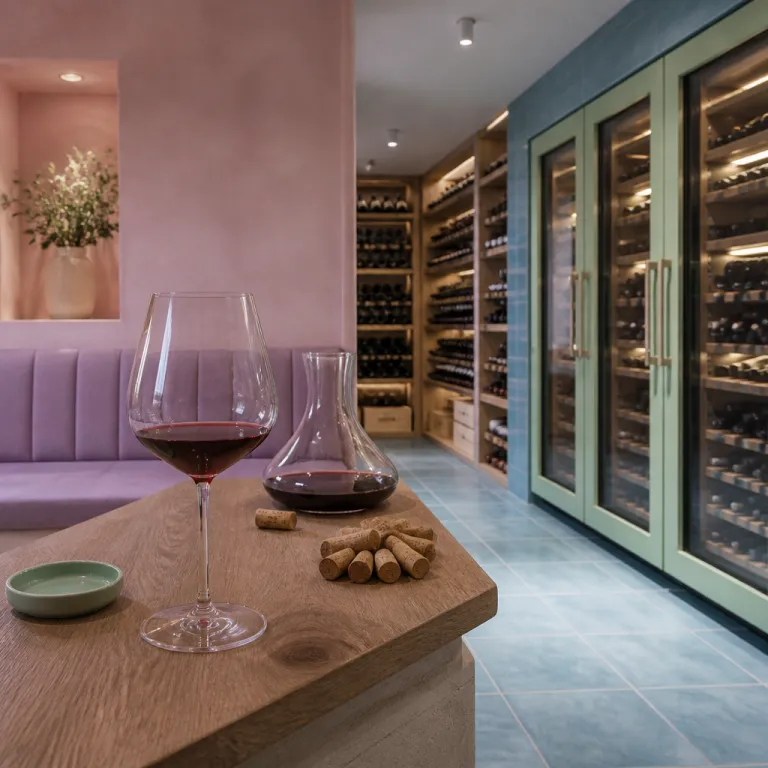
Why a pinot noir glass is different from other wine glasses
To explain a pinot noir glass properly, start with its generous bowl. This deep and wide bowl creates a larger surface area that lets delicate pinot aromas rise gracefully and steadily, while the slightly narrowed rim focuses those aromas toward your nose in a way a standard wine glass rarely achieves. When you pour red wine such as pinot noir into this kind of glass, the tall profile and curved shape guide the wine to the right part of your palate for a softer, silkier taste.
Specialized wine glasses for pinot look oversized compared with typical glasses for red wines. The classic burgundy glass style exaggerates the bowl and surface area even more, which helps both light bodied and full bodied pinot noir express its red fruit and earthy notes, while the thinner crystal walls reduce visual distortion so you can judge color and clarity accurately. In a wine cooler with glass doors and LED lighting, that large bowl and clear crystal or tritan crystal construction also allow the light to play through the wine, giving you a precise view of the wine’s evolution without opening the door.
Producers such as Riedel and Schott Zwiesel design each wine glass in their pinot noir set around how the wine flows. A Riedel burgundy glass will usually have a very wide bowl and a slightly flared lip, while a Schott Zwiesel pinot noir glass in tritan crystal often balances durability with a refined rim that still flatters aromas. When you compare these wine glasses side by side, the differences in shape, bowl diameter, and stem height explain why one glass might suit a light bodied pinot noir, another might favor a more full bodied noir wine or even a structured cabernet sauvignon.
- Quick takeaway: A pinot noir glass uses a large, rounded bowl and narrower rim to intensify aroma, soften edges, and showcase color under glass door and LED lighting.
How glass shape, bowl size, and surface area affect pinot noir
The shape of a pinot noir glass is not a design flourish, it is a tool. A large round bowl increases the surface area of the wine, which accelerates gentle aeration and helps volatile aromas escape, while the narrower opening of a burgundy glass traps those aromas so your nose encounters them before your tongue registers taste. This is why many tasters feel that the best wine glass for pinot noir is one that looks almost oversized for the volume of wine it holds.
When you swirl red wines in such glasses, the wine climbs the inner glass wall and then falls back, mixing air into the liquid. That movement releases layers of fruit, spice, and earthy aromas that a straight sided wine glass for red wine cannot reveal as effectively, while the thin crystal or tritan crystal wall keeps the focus on the wine rather than the glass itself. In a wine cooler with a glass door and carefully positioned LED lighting, you can even evaluate the viscosity and color of pinot noir through the glass without disturbing the bottle, which is especially useful when you store a mixed set of red wines and white wines together.
Brands like Riedel have long argued that each wine glass should be tailored to a specific grape variety. Their pinot noir glasses and burgundy glass designs emphasize a wide bowl and a chimney like top, while Schott Zwiesel often prioritizes durability with tritan crystal yet still refines the rim to direct wine precisely onto the tongue. If you are comparing options after reading a detailed guide to top glass door wine coolers, remember that the same logic applies to glasses; the right shape will highlight red fruit in pinot noir, while a different shape might be better for sauvignon blanc or sparkling wine.
- Best pinot noir glass for light bodied pinot: choose a very wide bowl with a gently tapered rim to emphasize perfume and finesse.
Pairing pinot noir glasses with wine cooler glass doors and LED lighting
Wine cooler guru readers often focus on temperature and humidity, yet the interaction between a pinot noir glass and the cooler’s glass door and LED lighting matters just as much. Clear, low iron glass in the door allows you to see the color of red wine and white wine accurately, while soft LED lighting avoids heating the wines and prevents ultraviolet damage that could mute aromas. When you remove a bottle of pinot noir from such a cooler and pour it into a crystal burgundy glass, the controlled lighting lets you judge the wine’s hue and clarity before you even raise the glass.
LED strips placed along the sides of a cooler can highlight the curves of your wine glasses and the labels of red wines and white wines without creating glare. This is particularly helpful when you store a set of Riedel or Schott Zwiesel glasses on an upper shelf, because you can quickly choose the correct pinot noir glass, noir glass for other noir wines, or a narrower flute for sparkling wine, while keeping the door open for a minimal duration. Research on packaging and storage, including discussions of how younger consumers pay more for glass wine bottles, consistently shows that visual presentation strongly influences perceived quality, and the same principle applies when a beautifully lit tritan crystal wine glass frames your pinot noir.
When you plan a new cellar layout, consider how the cooler’s glass door, LED color temperature, and shelf spacing will work with your preferred wine glass shapes. A taller burgundy glass with a wide bowl needs more vertical clearance than a compact white wine glass, while a robust tritan crystal red wine glass can be stacked more confidently near the back. Insights from research on premium glass wine bottle storage suggest that consumers who value glass quality also care about how their wine glasses and wine coolers visually align, especially when LED lighting showcases both.
- Visual tip: use warm white LEDs to flatter red wine color and keep brightness low enough to avoid glare on glass doors.
Choosing the best pinot noir glass for different wine styles
Not every pinot noir behaves the same way in the glass, so your choice of pinot noir glass should reflect the wine’s style. A light bodied pinot with delicate red fruit and floral aromas benefits from a very wide bowl and a slightly tapered rim, which concentrates subtle aromas and softens the perception of acidity on the palate. In contrast, a more full bodied noir wine or a structured burgundy often needs a burgundy glass with a slightly taller bowl that gives the wine more room to breathe while still guiding the flow to the tip and sides of the tongue.
When you compare wine glasses from Riedel and Schott Zwiesel, pay attention to how the rim thickness and bowl shape influence taste. A thinner crystal rim on a Riedel wine glass can make red wines feel more precise and elegant, while a slightly thicker tritan crystal rim from Schott Zwiesel may emphasize structure and tannin in cabernet sauvignon or other robust red wines. For white wine such as sauvignon blanc, a smaller glass with a narrower bowl preserves freshness and focuses citrus aromas, whereas sparkling wine usually requires an even narrower flute or tulip shape to maintain bubbles and highlight delicate aromas.
Many enthusiasts build a small set of specialized wine glasses rather than owning dozens of different designs. A core set might include two large burgundy glass styles for pinot noir, a versatile red wine glass for cabernet sauvignon and other red wines, and a smaller white wine glass for sauvignon blanc and other aromatic whites, plus a flute for sparkling wine. When stored in a wine cooler with adjustable racks, such as those reviewed in a detailed test of the best wine bottle rack for refrigerators, these glasses remain protected from dust and temperature swings while staying close to your wines.
- Starter set idea: 2 pinot noir / burgundy bowls, 2 universal red wine glasses, 2 white wine stems, and 2 sparkling flutes.
Care, durability, and dishwasher safe considerations for pinot noir glasses
Owning a refined pinot noir glass is only useful if you can keep it in perfect condition. Traditional lead free crystal wine glasses offer exceptional clarity and a fine rim, yet they can be fragile and may not always be dishwasher safe, especially when the stem is long and the bowl is wide. Modern tritan crystal from Schott Zwiesel and similar materials aim to balance elegance with durability, allowing many red wine and white wine glasses to be labeled as dishwasher safe while still preserving a thin rim and clear surface.
When you wash a burgundy glass or other large bowl wine glass in the dishwasher, spacing is critical. The wide bowl of a pinot noir glass can knock against neighboring glasses, so always leave enough room between glasses and avoid mixing heavy mugs with delicate crystal, while using a gentle cycle and mild detergent to protect the surface area from etching. If you prefer hand washing, use lukewarm water, a soft sponge, and minimal soap, then dry the wine glass with a lint free cloth while holding the bowl rather than twisting the stem, which can snap under pressure.
Storage also affects longevity and taste. Keep wine glasses upright on a stable shelf inside or near your wine cooler, where temperature and humidity remain relatively constant, and avoid hanging them by the base if the stem is very thin, because long term stress can weaken the junction between stem and bowl. In a cooler with a glass door and gentle LED lighting, your set of pinot noir glasses, burgundy glass styles, and versatile red wine and white wine glasses will stay dust free and ready to showcase aromas, fruit, and structure whenever you open a bottle.
- Maintenance checklist: gentle wash, soft dry, upright storage, and minimal vibration near the wine cooler.
How pinot noir glasses influence aroma, taste, and food pairing
The most persuasive way to explain a pinot noir glass is to taste the same wine from different glasses. Pour a light bodied pinot noir into a standard straight sided wine glass, then into a large burgundy glass with a wide bowl and tapered rim, and you will notice that aromas of red fruit, spice, and earth seem more vivid and layered in the specialized glass. The wine will often taste smoother and more balanced as well, because the glass shape directs the flow of wine to the front and sides of your tongue, where sweetness and acidity register before tannin.
Food pairing highlights these differences even more. With roasted poultry or grilled salmon, a pinot noir served in the right wine glass will show bright fruit and gentle structure that complement the dish, while the same wine in a narrow white wine glass might feel sharper and less integrated, changing the perception of both food and wine. When you serve a more full bodied noir wine or even a cabernet sauvignon with richer meats, a slightly larger red wine glass with a taller bowl can help integrate tannins and emphasize darker fruit aromas.
Even non pinot wines benefit from thoughtful glass choices. Sauvignon blanc often shines in a smaller glass that focuses citrus and herbal aromas, while sparkling wine needs a flute or tulip that preserves bubbles and channels delicate aromas to the nose, and robust red wines such as cabernet sauvignon prefer a glass with enough surface area to soften tannins. By aligning each wine with the most suitable glass, whether crystal or tritan crystal, you ensure that aromas, taste, and texture all reach their potential, turning a simple pour into a more nuanced experience that matches the care you invest in your wine cooler, glass door, and LED lighting setup.
- Serving tip: match lighter dishes and light bodied pinot noir with the widest bowls, and reserve taller red wine glasses for richer, more structured wines.
Key figures and practical statistics about wine glasses and storage
- Internal tasting panels at major stemware manufacturers often report that tasters perceive clearly stronger aromas in varietal specific wine glasses, with some company literature describing double digit percentage gains in perceived aromatic intensity for pinot noir when served in a large burgundy glass compared with a standard straight sided glass. These are manufacturer claims based on in house testing rather than independent scientific studies, so treat them as indicative rather than universal.
- Consumer surveys from international glass producers indicate that around half of regular wine drinkers own at least one set of specialized wine glasses, yet fewer than a third store those glasses near their wine cooler, which can lead to serving red wines and white wines at less than ideal temperatures because the correct glassware is not immediately at hand. Exact percentages vary by survey and region, but the pattern of underused stemware is consistent.
- Laboratory style impact tests on tritan crystal and similar reinforced materials, reported by manufacturers, commonly show substantially higher resistance to chipping and breakage than traditional crystal, which explains why many Schott Zwiesel red wine and white wine glasses are marketed as dishwasher safe while maintaining a thin rim. These durability figures are typically generated under controlled test conditions and may not reflect every home environment.
- Energy efficient LED lighting in modern wine coolers typically produces far less heat inside the cabinet than older halogen bulbs, significantly lowering the risk of temperature fluctuations that might affect both wines and the integrity of glassware stored nearby, especially when lights are used frequently for display. Manufacturer specifications often highlight this reduced heat output as a key benefit.
- Market analyses of premium glass door wine coolers frequently note that models with low iron glass and adjustable LED brightness command noticeable price premiums over basic units, reflecting growing consumer demand for clear visibility of wine bottles and wine glasses without compromising storage conditions. Analysts link this willingness to pay more to the broader trend toward treating wine coolers as both appliances and display pieces.
FAQ about pinot noir glasses, wine coolers, and lighting
Why does a pinot noir glass need such a large bowl ?
A pinot noir glass uses a large bowl to increase the surface area of the wine, which promotes gentle aeration and releases delicate aromas of red fruit, spice, and earth. The wide bowl combined with a slightly tapered rim helps concentrate those aromas toward your nose, making the wine seem more expressive and complex. This design also softens the perception of acidity and tannin, improving balance on the palate.
Can I use the same glass for pinot noir and other red wines ?
You can use a large burgundy glass for many light bodied and medium bodied red wines, especially those that emphasize fruit and aroma rather than heavy tannin. However, structured wines such as cabernet sauvignon often perform better in a slightly taller red wine glass with a narrower bowl that directs the wine differently on the tongue. Owning one pinot noir glass style and one more universal red wine glass offers a practical balance between specialization and simplicity.
Are crystal pinot noir glasses really better than regular glass ?
Crystal wine glasses, including modern tritan crystal, usually have thinner walls and rims than standard soda lime glass, which reduces visual distortion and can make the wine feel more precise on the palate. The clarity of crystal also enhances your ability to judge color and viscosity, especially under LED lighting in a wine cooler with a glass door. That said, high quality tempered glass or tritan crystal options from brands like Schott Zwiesel can offer similar benefits with greater durability and dishwasher safe convenience.
How should I store my pinot noir glasses near a wine cooler ?
Store pinot noir glasses upright on a stable shelf close to your wine cooler, where temperature and humidity remain relatively consistent. Avoid hanging very delicate crystal by the base if the stem is thin, because long term stress can weaken the junction between stem and bowl. If your cooler has interior space and gentle LED lighting, you can keep a small set of wine glasses inside, provided they are secure and do not touch bottles or cooler walls.
Is it safe to wash large burgundy glasses in the dishwasher ?
Many modern tritan crystal and reinforced crystal burgundy glasses are labeled as dishwasher safe, but you still need to load them carefully. Place each wine glass with enough space around the bowl to prevent contact during the wash cycle, use a gentle program, and avoid very hot drying settings that might stress the glass. For very fine crystal with extremely thin stems, hand washing remains the safest method to preserve clarity and structural integrity.